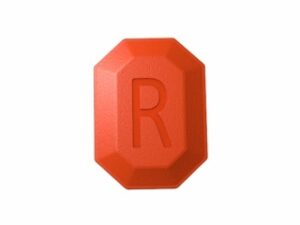
Isoptin SR (Verapamil) — Patient Information (Australia)
Isoptin SR is a branded medicine containing verapamil, a medicine used to help control certain heart rhythm problems and reduce strain on the heart. “SR” stands for slow release, which means the medicine is released gradually over time for steadier effects.
This page explains what Isoptin SR does, how it works in the body, how and when to take it, what to watch for, and how it may interact with food, alcohol, and other medicines. If you have questions, speak with your doctor or pharmacist.
Key Product Information
| Feature | Details |
|---|---|
| Brand name | Isoptin SR |
| Active ingredient | Verapamil (extended / slow release formulation) |
| Medicine type | Calcium channel blocker (non-dihydropyridine) |
| Common strengths | Often available as 120 mg, 180 mg, and 240 mg SR tablets (strength availability can vary by supplier) |
| How it’s taken | Oral (swallowed whole; do not crush or chew) |
| Typical dosing frequency | Usually once daily for SR forms (follow your prescriber’s instructions) |
| Availability | Typically supplied through community pharmacies in Australia as a prescription medicine |
How Isoptin SR Works (Mechanism of Action)
Verapamil belongs to the group of medicines called calcium channel blockers. It works mainly by:
- Relaxing blood vessels (reduces vascular resistance), which can help lower blood pressure in suitable people.
- Slowing electrical conduction in the heart by affecting calcium entry into heart muscle and conduction system cells. This can help treat certain supraventricular arrhythmias and control heart rate.
- Reducing the heart’s workload, which can help relieve symptoms such as chest pain (angina) in appropriate situations.
SR (slow release) helps maintain steadier medication levels throughout the day compared with immediate-release formulations.
Pharmacokinetics (What the Body Does to Verapamil)
Pharmacokinetics describes how the medicine is absorbed, distributed, metabolised, and eliminated.
- Absorption: Verapamil is absorbed from the gastrointestinal tract. With SR tablets, absorption is gradual, designed to maintain effect over 24 hours.
- Peak levels: Blood levels typically rise to a maximum later than immediate-release forms due to the slow-release design.
- Distribution: Verapamil distributes into body tissues; it can bind to plasma proteins.
- Metabolism: Verapamil is extensively metabolised, largely by the liver (CYP enzymes).
- Elimination: Metabolites are excreted mainly through kidneys and to some extent via bile.
- Special considerations:
- Liver impairment can increase verapamil levels and prolong effects.
- Age and comorbidities may increase sensitivity to heart-rate slowing effects.
Note: Individual pharmacokinetics vary. Your doctor may adjust dose based on response and tolerability.
Typical Uses of Isoptin SR
Isoptin SR may be used to treat heart-related conditions where slowing of heart rate and/or changes to cardiac conduction are beneficial. Common indications include:
- Supraventricular tachycardias (for example, certain fast heart rhythms originating above the ventricles)
- Angina (chest pain) in some cases, to reduce frequency/severity
- Hypertension (high blood pressure) in selected patients, though other options may be preferred depending on clinical factors
- Rate control in specific arrhythmias (as advised by your clinician)
Your exact use depends on your diagnosis, heart function, ECG results, and other medications.
Timing: When and How to Take Isoptin SR
Because Isoptin SR is slow release, timing and how you take it matters.
Typical timing
- It’s commonly taken once daily. Some people may have different schedules based on their condition.
- Try to take it at the same time each day to keep levels steady.
- If you feel sleepy or light-headed, your pharmacist/doctor may suggest taking it at a particular time of day.
How to take it
- Swallow tablets whole with water.
- Do not crush, split, or chew the SR tablet, because it can change the slow-release design and increase the risk of side effects.
- You may take it with or without food, but see the food interaction section below for important considerations.
What if you miss a dose?
- Take the missed dose as soon as you remember if it is near the time of the next dose.
- If it’s close to the next scheduled dose, skip the missed dose.
- Do not double the dose to make up for the missed one.
Dosing (General Guidance)
Dosing is individualized. Always follow the instructions provided by your prescriber and the product label.
- For many conditions, SR verapamil is started at a lower dose and adjusted gradually.
- Adjustments may depend on:
- heart rate and ECG findings
- blood pressure
- response to therapy
- side effects (such as dizziness or constipation)
- liver function and other medicines used
- In general, higher doses should not be taken without clinician guidance.
Important: Do not change your dose or stop verapamil suddenly without medical advice. Stopping abruptly may worsen symptoms in some people.
Food Interactions (Including Grapefruit and Meals)
Food can affect how verapamil is absorbed or metabolised, which may influence how well it works and how strong side effects feel.
- Grapefruit / grapefruit juice: Grapefruit may increase verapamil levels in some people and raise the risk of side effects. It is commonly recommended to avoid grapefruit while taking verapamil unless your pharmacist advises otherwise.
- Alcohol and dehydration: Not a “food” issue, but alcohol can increase dizziness (see alcohol section below).
- General meals: Many people can take Isoptin SR with or without food. If you experience nausea or dizziness, consider taking it with a light meal (ask your pharmacist for tailored advice).
If you’re unsure about a specific food, supplement, or herbal product, check with your pharmacist.
Alcohol and Medicine Interactions
Alcohol may increase the risk of dizziness, light-headedness, and low blood pressure when used with verapamil.
- If you drink alcohol, consider limiting it and avoid binge drinking.
- Be cautious when getting up from sitting or lying down.
- Do not drive or operate machinery if you feel unwell after drinking or after your dose.
Medicine interactions are important for verapamil because it can interact with other drugs through liver metabolism and its effects on heart rate and rhythm.
Interactions With Other Medicines (Commonly Important Examples)
Always tell your healthcare professional about all medicines you take, including over-the-counter products, vitamins, and herbal supplements.
Medicines that may increase verapamil levels
- Some antibiotics and antifungal medicines
- Some antivirals
- Cimetidine (for stomach acid)
- Grapefruit (food interaction)
Medicines that may increase the risk of slow heart rate or conduction problems
- Other heart-rate slowing medicines such as beta-blockers (e.g., metoprolol, bisoprolol) and some antiarrhythmics
- Digoxin
- Other calcium channel blockers
Medicines that may be affected by verapamil
- Some medicines can have altered levels, which may require dose changes or extra monitoring.
Other examples
- Statins: Some interactions may raise statin-related side effects (your clinician may choose a safer statin or adjust dose).
- Blood pressure medicines: Combined blood-pressure lowering can cause dizziness or fainting.
- Diabetes medicines: If you experience unexpected low blood sugar symptoms, seek advice.
Seek urgent help if you develop severe symptoms like fainting, severe weakness, or very slow heart rate.
Safety Profile: What to Expect and What to Watch For
Most people tolerate verapamil, but side effects can occur. Many side effects are related to its effects on heart rate/blood vessels and the gastrointestinal tract.
Common side effects
- Constipation (a classic and relatively common effect of verapamil)
- Dizziness or light-headedness
- Headache
- Flushing
- Swelling in the ankles or legs (peripheral oedema)
- Fatigue
Less common but more serious effects
- Slow heart rate (bradycardia)
- Heart block or abnormal conduction (may show as a very slow pulse)
- Low blood pressure (especially when standing up)
- Worsening symptoms of heart failure (breathlessness, sudden weight gain, ankle swelling)
- Allergic reactions (rash, swelling of face/lips, difficulty breathing)
- Severe dizziness, fainting, or collapse
When to seek urgent medical help
Contact emergency services or seek urgent care if you experience:
- Fainting or feeling like you might pass out
- Chest pain that is severe, new, or worsening
- Very slow heartbeat or irregular heartbeat with weakness
- Shortness of breath at rest, bluish lips, or severe swelling
- Signs of a serious allergic reaction
Safety note: Because verapamil can slow the heart, your clinician may check pulse, blood pressure, and ECG, especially during dose changes or when combined with other heart medications.
Practical Use Tips (Daily Life Guidance)
- Check your pulse if advised: Some patients are advised to monitor heart rate and report slow pulses or symptoms.
- Stay hydrated: Dehydration can worsen dizziness and low blood pressure.
- Manage constipation early:
- Increase fluid intake and dietary fibre where appropriate
- Consider talking to your pharmacist about suitable stool softeners or laxatives if needed
- Stand up slowly if you feel light-headed; this helps reduce orthostatic dizziness.
- Keep a medication list (including OTC products and supplements) and bring it to appointments.
- Avoid grapefruit products unless your pharmacist confirms it is safe for you.
- Be cautious with new medicines: Even “simple” cold or allergy products may affect heart rate or blood pressure in some people.
Recent Guidance and Monitoring (Australia-Relevant Considerations)
Medicine safety recommendations can evolve as new evidence becomes available. In Australia, general guidance typically includes:
- Regular review of heart rate, blood pressure, and ECG when using verapamil—especially at dose changes or if you take interacting medicines.
- Awareness of drug–drug interactions, particularly with medicines that affect liver enzymes or further slow cardiac conduction.
- Care in liver disease: clinicians may adjust dosing or monitor more closely.
Tip: If you have liver problems, heart block, or other conduction disorders, ask your clinician whether you need extra monitoring or dose adjustment.
Alternative Options
Alternative treatments depend on why you are taking Isoptin SR (e.g., rhythm control vs rate control vs angina vs blood pressure). Options may include:
- Other calcium channel blockers (different formulations or classes may be considered)
- Beta-blockers for certain rhythm or angina indications
- Other antiarrhythmic medicines where appropriate
- Different antihypertensive classes for blood pressure
- Non-medicinal approaches such as lifestyle measures for blood pressure and symptom control, depending on diagnosis
Your pharmacist or doctor can discuss whether an alternative is suitable based on your medical history, ECG, and other medications.
Market and Legal Context (Australia)
In Australia, verapamil products such as Isoptin SR are generally supplied under Australia’s medicines scheduling and regulatory requirements. Many cardiovascular medicines are prescription-only medicines. Availability, pack sizes, and specific brand stock can vary by pharmacy and supplier.
Important: Always follow the directions on your medication label and consult a healthcare professional for personal advice.
Delivery and Availability (Online Pharmacy)
Online pharmacies in Australia may offer home delivery for eligible items, depending on scheduling and verification requirements. For Isoptin SR:
- Availability may depend on strength (e.g., 120 mg, 180 mg, 240 mg SR) and local supply.
- Dispatch times vary by supplier and location.
- Cold chain: Not typically required for verapamil SR tablets.
- Packaging: Tablets should be stored as directed on the label.
If your preferred strength is not immediately in stock, the pharmacy may offer options such as ordering from the supplier or an alternative formulation if clinically appropriate (subject to clinician advice).
Storage and Handling
- Store at room temperature as instructed on the product label.
- Keep tablets in their original packaging to protect from moisture.
- Keep out of reach of children.
- Do not use after the expiry date.
FAQ — Isoptin SR (Verapamil) for Patients
1) What is Isoptin SR used for?
Isoptin SR (verapamil SR) is used for heart-related conditions such as certain supraventricular rhythm problems and, in some cases, angina and/or high blood pressure—depending on your diagnosis and clinician guidance.
2) How quickly does it work?
Some effects on heart rate and symptoms can be felt after starting therapy, but the full benefit may take time as dosing is adjusted and steady blood levels are reached with the SR formulation.
3) Can I crush or split Isoptin SR tablets?
No. SR tablets are designed to release medication slowly. You should swallow them whole. Crushing or splitting may change the release pattern and increase side effects.
4) Should I take Isoptin SR with food?
Many people can take verapamil SR with or without food. If you get nausea or dizziness, taking it with a light meal may help. Avoid grapefruit products.
5) Can I drink alcohol while taking Isoptin SR?
Alcohol may increase dizziness and the risk of low blood pressure. If you choose to drink, keep it moderate and avoid situations where you could become faint or unsafe.
6) What are the most common side effects?
Common side effects include constipation, dizziness, headache, flushing, and ankle swelling.
7) What should I do if I miss a dose?
Take it when you remember if it’s close to your usual time. If it’s nearly time for the next dose, skip the missed dose. Do not double the dose.
8) Who needs extra caution with verapamil?
Extra caution may be needed if you have heart conduction problems, significant liver disease, existing slow heart rate, or if you take other medicines that affect heart rhythm or liver metabolism.
9) Can Isoptin SR interact with other medications?
Yes. Verapamil can interact with several medicines, including some antibiotics/antifungals, medicines that slow heart rate, and drugs metabolised by liver pathways. Always check with your pharmacist or doctor.
10) When should I contact a doctor urgently?
Seek urgent help for fainting, severe dizziness, chest pain, marked shortness of breath, signs of serious allergic reaction, or symptoms of a dangerously slow or irregular heartbeat.
Disclaimer: This information is general and designed to help you understand Isoptin SR. It does not replace advice from a doctor or pharmacist. If you have specific concerns about your condition or medications, seek personalised guidance.