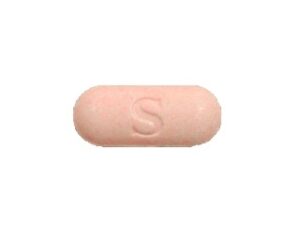
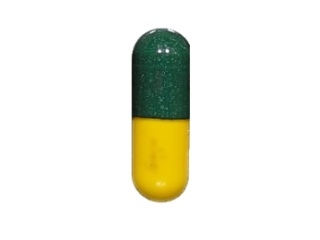


Loxitane (Loxapine) – Patient Information (Australia)
Loxitane contains loxapine, an antipsychotic medicine used to treat certain mental health conditions. This page explains how Loxitane works, how it is taken, what to expect, safety considerations, and practical tips for everyday use in Australia.
Always follow the instructions given by your treating healthcare professional and the information on the medicine label. If you have questions about suitability or side effects, speak with a pharmacist or doctor.
Basic Product Information
- Medicine: Loxitane (loxapine)
- Class: Antipsychotic (typical/“first-generation” with dopamine receptor activity)
- Common forms: Oral capsules or tablets (availability can vary by brand/strength)
- Used for: Specific psychiatric conditions as assessed by a clinician
Product availability and pack sizes may differ between pharmacies. In Australia, medicines are dispensed under the national medicines framework.
How Loxitane Works (Mechanism of Action)
Loxapine primarily helps manage symptoms of psychosis by affecting brain chemical pathways, especially dopamine. It works mainly by:
- Blocking dopamine (D2) receptors, which can reduce hallucinations, delusions, and disorganised thinking.
- Influencing other neurotransmitters (including serotonin-related pathways to a lesser degree), which may contribute to symptom control and tolerability for some people.
The exact way it improves symptoms varies between individuals, and some effects may take time to become noticeable.
Pharmacokinetics (How the Body Handles the Medicine)
Pharmacokinetics describes absorption, distribution, metabolism, and elimination of a medicine. While individual results vary, the key points below help you understand what to expect with loxapine.
- Absorption: Loxapine is absorbed after oral dosing. Food may influence the speed and extent of absorption in some people, though it is not usually intended to be “food dependent.”
- Distribution: It distributes into body tissues, including the brain, where it exerts its effects.
- Metabolism: Loxapine is metabolised mainly in the liver. Your overall liver health and use of other interacting medicines can affect levels.
- Elimination: Metabolites are eliminated primarily via the kidneys and/or bile. Clearance can vary with age and medical conditions.
Because metabolism can be affected by liver function and interactions with other medications, your clinician may adjust dose based on response and tolerability.
Typical Use and Timing
What it’s used for
Loxitane is an antipsychotic medicine used in clinical practice for conditions such as:
- Psychotic disorders (e.g., schizophrenia spectrum illnesses) when appropriate
- Acute episodes where antipsychotic treatment is needed
- Other specific indications based on the prescriber’s assessment and approved product information
When to take it
Loxapine is usually taken once or more times daily depending on the prescribed regimen and individual tolerance. Follow your directions exactly.
- Consistency helps: Try to take doses at similar times each day.
- Evening dosing: Some people feel drowsy, so evening dosing may be advised if sedation is an issue.
- Don’t stop suddenly: Stopping abruptly can worsen symptoms. If changes are needed, your healthcare professional will advise a safe plan.
Food Interactions
Loxapine is generally taken with or without food. However, food can affect how quickly some people absorb medicines. To reduce stomach upset and improve routine adherence:
- Take it the same way each day (either consistently with meals or consistently on an empty stomach, unless your clinician advises otherwise).
- If nausea or discomfort occurs, consider taking it with food (and discuss with a pharmacist if symptoms persist).
If you have dietary restrictions or swallow difficulty, discuss with a pharmacist—different formulations and administration techniques may be relevant.
Alcohol and Medicine Interactions
Alcohol
It is strongly recommended to avoid alcohol while taking loxapine because alcohol can increase side effects such as:
- Drowsiness and sedation
- Dizziness
- Impaired coordination and reaction time
- Higher risk of falls or accidents
Interactions with other medicines
Loxapine can interact with other medicines. Some combinations increase sedation, affect heart rhythm, or change loxapine metabolism. Examples include:
- Medicines that depress the central nervous system (CNS), such as sedatives or sleeping tablets
- Other antipsychotics or mood-stabilising medicines
- Antidepressants and medicines that affect serotonin pathways (interaction depends on the specific agent)
- Anticonvulsants (some can alter liver enzyme activity)
- Medicines affecting liver enzymes (some can increase or decrease loxapine levels)
- Medicines that prolong QT interval (heart rhythm concern; depends on the exact product)
- Anticholinergic medicines (may worsen constipation, blurred vision, urinary retention)
Tell your pharmacist about everything you take, including:
- All prescribed medicines
- Over-the-counter products
- Herbal supplements (e.g., St John’s wort)
- Smoking status (tobacco use can influence certain drug metabolisms)
This helps prevent avoidable interactions and supports safer dosing.
Indications (When Loxitane May Be Considered)
Loxitane is used for psychiatric conditions involving psychosis, where antipsychotic therapy is clinically appropriate. Indications may be guided by:
- Your symptoms (e.g., hallucinations, delusions, agitation)
- Previous response to antipsychotic medicines
- Tolerability and risk factors (e.g., sedation risk, movement disorders risk)
- Other health conditions and current medicines
Your healthcare professional will determine whether loxapine is suitable for you based on your medical history and the latest approved product information.
Dosing (How Much to Take)
Dosing depends on the specific condition, age, clinical severity, and how you respond. The safest approach is to use the dose prescribed for you.
General dosing principles
- Start low and adjust: Many antipsychotics require gradual titration to balance benefits and side effects.
- Follow the titration schedule: If your doctor increases or decreases your dose, do so only as instructed.
- Regular monitoring: Clinicians often review symptom progress and side effects during the first weeks.
Typical dosing ranges
Because formulations and strength can vary, and because the right dose is individual, dosing ranges are best confirmed from the product label and your prescriber’s plan. Your pharmacist can help you interpret the regimen written for you.
| Situation | What usually happens | Patient tip |
|---|---|---|
| Starting treatment | Lower dose initially, then gradual adjustment | Track drowsiness, dizziness, and symptom changes |
| Ongoing management | Dose stabilises based on response | Take at the same times daily for steady effects |
| Switching from another antipsychotic | Cross-titration may be used to reduce rebound symptoms | Ask if you should avoid driving while dose changes occur |
Do not change your dose unless your clinician advises. If you miss a dose, follow the guidance provided with your medicine or ask your pharmacist. In general, you should not take double doses to make up for a missed one.
Safety Profile (Side Effects and Warnings)
Like all medicines, Loxitane can cause side effects. Many people experience mild effects early in treatment that may improve with time. Others may require dose adjustment or review.
Common side effects
- Drowsiness, tiredness
- Dizziness (especially when standing up)
- Dry mouth
- Constipation
- Blurred vision
- Increased appetite in some people
- Weight changes (varies among individuals)
Movement-related (extrapyramidal) effects
Antipsychotics can cause movement disorders in some people. Contact your clinician urgently if you notice:
- Restlessness or an inability to sit still (akathisia)
- Stiffness, tremor, or involuntary movements
- Muscle spasms in the neck, face, or jaw
Serious but less common warnings
Seek urgent medical care or contact emergency services if you experience:
- High fever, severe muscle stiffness, confusion (possible neuroleptic malignant syndrome)
- Fainting, chest pain, severe palpitations, or collapse
- Severe allergic symptoms such as swelling of face/lips or breathing difficulty
- Uncontrolled movements that are new or rapidly worsening
- Signs of blood problems such as unusual infections or persistent fever (rare)
Important monitoring
Your clinician may monitor physical and laboratory parameters depending on your risk factors, including:
- Blood pressure (especially for dizziness on standing)
- Weight and metabolic health
- Movement symptoms
- Electrocardiogram (ECG) considerations in certain risk groups
Who should use extra caution?
- Older adults (increased sensitivity to side effects)
- People with existing movement disorders
- People with liver disease
- People with a history of heart rhythm problems or fainting
- People taking interacting medicines (as listed above)
Practical Use Tips (Making Treatment Easier)
- Take it at the same time each day to support steady effects.
- Stand up slowly to reduce dizziness or light-headedness.
- Manage constipation early: drink fluids, include fibre, and discuss stool-softening options if needed.
- Be careful with driving and machinery until you know how loxapine affects you.
- Hydration matters, especially if you feel dry-mouthed or constipated.
- Keep follow-up appointments—early review is important for adjusting dose and side-effect management.
- Use reminder tools (phone alarms, dosette box) to avoid missed doses.
If you are supporting someone taking Loxitane, watch for changes in sleepiness, unusual movements, sudden agitation, or worsening confusion and seek medical advice if these occur.
What to Expect (Effect Timeline)
Treatment response can vary. Some people may notice improvement in agitation or sleepiness early, while core psychotic symptoms may take longer.
- Early period (days to 1–2 weeks): some symptom changes and side effects may become evident.
- Subsequent weeks (2–6 weeks): a clearer picture of symptom improvement often emerges.
- Longer term: ongoing benefit and dose stability depend on individual response and adherence.
If symptoms worsen after dose changes, contact your healthcare professional rather than adjusting your dose on your own.
Alternative Options (Other Treatments)
Depending on your diagnosis, prior response, and health profile, alternative options may include:
- Other antipsychotics (both typical and atypical options)
- Psychological therapies (often used alongside medicine for long-term recovery)
- Supportive and rehabilitation programs (sleep, routine, coping strategies)
- Management of contributing factors such as substance use, stress, or co-existing conditions
Some people may be offered options with different side-effect profiles (for example, lower risk of certain movement effects or sedation), but suitability is individual. Speak with your clinician about the best match for you.
Market and Legal Context for Australia
In Australia, medicines are regulated by the Therapeutic Goods Administration (TGA) and dispensed in line with national rules. Many antipsychotic medicines are available via the standard pharmacy supply chain and are handled according to their classification (commonly as prescription-only medicines).
Availability can depend on:
- Whether stock is held locally or sourced via distribution networks
- Strength and pack size
- Ongoing manufacturer supply
Your pharmacist can advise on whether a particular strength or pack size is currently available.
Recent Guidance and Ongoing Safety Updates (General)
Healthcare recommendations for antipsychotic medicines can evolve over time. In recent years, professional guidance has consistently emphasised:
- Regular review of benefits and side effects, especially after starting or increasing the dose
- Monitoring for movement-related adverse effects
- Assessing metabolic and cardiovascular risks where relevant
- Supporting safe use (adherence, avoiding alcohol/CNS depressants, and counselling on early warning signs)
If you have concerns about updates or changing recommendations, ask your pharmacist for the most current Australian guidance related to your treatment.
Delivery and Availability (Online Pharmacy Considerations)
Delivery options vary between pharmacies and may depend on whether the medicine is routinely stocked or needs sourcing. In Australia, reputable online pharmacies typically provide:
- Clear delivery estimates (express vs standard)
- Tracking information once dispatch occurs
- Secure packaging to protect tablets/capsules
- Age and identity checks if required by product classification and local regulations
Availability may also depend on your selected strength and quantity. If a product is temporarily out of stock, many pharmacies can offer alternatives or help coordinate re-supply.
FAQ – Loxitane (Loxapine)
1) How long does Loxitane take to work?
Some people notice changes in agitation or restlessness within days, while improvement in core psychotic symptoms often takes several weeks. If you don’t feel any benefit after the expected timeframe, speak with your clinician before changing the dose yourself.
2) Can I take Loxitane with food?
Often, yes. If food helps reduce stomach upset, take it with meals. The key is consistency—take it the same way each day unless your pharmacist advises otherwise.
3) Is it safe to drink alcohol while taking Loxitane?
It’s generally advised to avoid alcohol because it can increase drowsiness, dizziness, and risk of accidents or falls.
4) What should I do if I miss a dose?
Follow the instructions provided with your medicine. If you’re unsure, ask your pharmacist. In many cases, you should not take a double dose to compensate.
5) What are the early warning signs that I should seek medical help?
Seek urgent help if you experience severe muscle stiffness with fever, fainting, chest pain, sudden severe palpitations, difficulty breathing, or signs of a severe allergic reaction.
6) Does Loxitane cause weight gain?
Weight changes can occur with antipsychotics, though the degree varies among individuals. Monitoring weight and metabolic health is important—discuss strategies with your healthcare professional.
7) Will I feel sleepy?
Drowsiness is possible, especially when starting treatment or increasing the dose. Avoid driving or operating machinery until you know how you react.
8) Can Loxitane interact with other medicines?
Yes. Loxitane can interact with other medicines that affect the brain (sedatives), metabolism (some liver enzyme inducers/inhibitors), and heart rhythm (QT-prolonging medicines). Always provide your full medication list to your pharmacist.
9) Can I stop Loxitane suddenly?
Do not stop suddenly unless your clinician advises. Abrupt changes can lead to symptom worsening and withdrawal-like effects. Dose adjustments should be guided by your prescriber.
10) Are there alternatives if I cannot tolerate it?
Yes. Depending on your situation, your clinician may consider other antipsychotics, dose adjustments, or additional supportive therapies. Discuss side effects early so adjustments can be made promptly.
When to Talk to a Pharmacist or Doctor
Contact a healthcare professional promptly if you experience bothersome side effects (especially movement symptoms, severe constipation, or persistent dizziness), if symptoms worsen, or if you have questions about timing, missed doses, or interactions with new medicines.
This information is intended to help you understand Loxitane. It does not replace personalised medical advice.