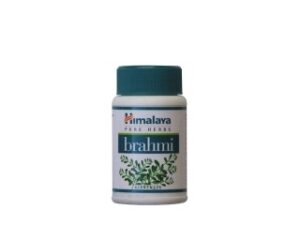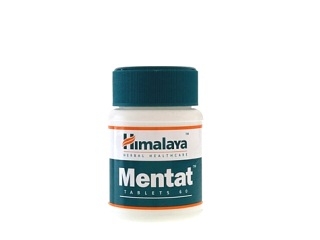


Mentat (Dietary Supplement) – Patient-Friendly Guide
Mentat is a popular brain-support supplement brand commonly used by adults in Australia to help maintain mental performance, focus and alertness. This page provides clear, patient-friendly information about what Mentat is, how it works, how it’s usually taken, and important safety considerations.
Please note: product ingredients can vary by Mentat formulation and batch. Always check the label or the product information supplied with your specific item for exact ingredients and strengths.
Quick Overview
- Product type: Dietary supplement (brain support)
- Main purpose: Helps support focus, concentration, and mental performance
- Common form: Tablets/capsules (varies by product)
- Best used: As part of a healthy routine (sleep, hydration, balanced diet)
- Key safety focus: Avoid exceeding recommended intake; watch for caffeine/stimulant content if present
Basic Product Information
Mentat is marketed to support cognitive function. Depending on the exact product, it may include a blend of nutrients and botanicals often associated with mental performance. Some Mentat variants include ingredients such as B vitamins (for energy metabolism), plant extracts, amino acids, and antioxidants. Certain versions may also contain caffeine-like stimulants—always verify your specific product label.
In Australia, supplements are regulated differently from medicines. Mentat should be used as directed on the label and is intended to supplement—not replace—diet and lifestyle.
How Mentat Works (Mechanism of Action)
While the precise mechanism depends on the ingredient mix, many cognitive-support supplements work through a combination of the following pathways:
- Supporting energy metabolism in the brain: Some ingredients (often B vitamins) help the body produce energy used by cells, including brain cells.
- Antioxidant activity: Antioxidants can help protect cells from oxidative stress associated with normal ageing and day-to-day metabolic demands.
- Neurotransmitter support: Certain amino acids or cofactors can contribute to the body’s normal production and balance of neurotransmitters linked to attention and mood.
- Promoting alertness: If the product includes stimulant ingredients (commonly caffeine or similar compounds), it may improve perceived alertness and reduce fatigue.
What to expect: Many people notice benefits within days, while others benefit over several weeks—especially when used consistently with adequate sleep and nutrition.
Pharmacokinetics (What Happens After You Take It)
“Pharmacokinetics” describes how a supplement is absorbed, distributed, metabolised and excreted. For multi-ingredient supplements, pharmacokinetic data is often limited compared with prescription medicines. However, general patterns are helpful:
- Absorption: Most nutrients are absorbed from the small intestine. Some ingredients may be absorbed faster when taken with water and on a consistent schedule.
- Distribution: Absorbed components travel via the bloodstream to tissues, including the brain, depending on their ability to cross biological barriers and bind to transport molecules.
- Metabolism: Ingredients are typically metabolised by the liver and/or other tissues into active or inactive forms.
- Elimination: Metabolites are commonly removed via urine and, depending on the compound, via the bowel.
Practical implication: Because absorption and effects can vary between ingredients, effects can differ in timing and intensity from person to person.
Typical Use & Who It May Suit
Mentat is commonly used by adults who want support for:
- Focus and concentration during work, study or cognitively demanding tasks
- Alertness and reduced mental fatigue
- Day-to-day cognitive wellness as part of a healthy lifestyle
It may be appropriate for people seeking non-prescription brain-support. It is not a substitute for medical care if you have symptoms such as severe memory problems, depression, anxiety, or attention disorders.
Indications (What It’s Commonly Used For)
In Australia, supplements like Mentat typically make structure/function style claims (for example, supporting mental performance) rather than treating a specific disease.
Common “indications” in consumer use include:
- Supporting mental performance
- Supporting focus and concentration
- Supporting cognitive function during everyday activities
If you’re using Mentat for a specific health condition, it’s best to speak with a pharmacist or doctor to confirm suitability and check interactions.
Dosing: How Much to Take
Always follow the dosage instructions on your Mentat label. Doses can differ between products and strengths.
Typical consumer dosing patterns include:
- Adults: Usually taken once daily to support mental performance.
- Some formulations: May be taken in divided doses (e.g., morning and early afternoon).
Do not exceed the recommended daily amount stated on the packaging.
Suggested Timing (Often Best for Daily Use)
- Morning or early day: Many people take Mentat in the morning to align with natural alertness.
- Avoid late evening: If your product has stimulant ingredients, taking it late may affect sleep.
Tip: If you are unsure whether your specific Mentat contains caffeine or stimulants, check the ingredient list and “each serving” label.
Timing & Consistency
Supplements used for cognitive support are often best taken consistently. For example:
- Start low and assess: If you’re sensitive to stimulants, consider starting with the lowest labelled dose.
- Give it time: Allow 1–3 weeks to assess how you respond, while maintaining normal sleep and hydration.
- Track changes: Note changes in focus, energy levels, and any side effects such as headaches, jitteriness, or sleep disturbance.
Food Interactions
Food can affect absorption and tolerability. While the exact interaction varies by ingredient, the following guidance is generally helpful:
- With or without food: Many supplements can be taken with water either with or without meals.
- If you get nausea: Take Mentat with food to improve comfort.
- High-fat meals: Some nutrients absorb differently with high-fat meals; if you notice changes, take it at a consistent time relative to meals.
Practical approach: Choose one routine (for example, after breakfast) and keep it stable for a week before adjusting.
Alcohol and Medicine Interactions
Alcohol
Alcohol can affect sleep quality, hydration and attention—factors that directly influence cognitive performance. While Mentat is not known as an “alcohol treatment,” combining supplements with alcohol may increase the risk of side effects such as:
- headache or dizziness
- reduced concentration due to alcohol’s cognitive effects
- stomach irritation (depending on formulation)
Recommendation: If you plan to drink alcohol, consider skipping or reducing Mentat that day, particularly if it contains stimulants. If you’re unsure, speak with a pharmacist.
Interactions With Medicines
Dietary supplements can interact with medicines in several ways (for example, altering nutrient status, affecting liver metabolism, or changing stimulant effects). Because Mentat formulations differ, check the label for ingredients and review potential interactions.
Particularly important if you take any of the following:
- Stimulant or sleep-modifying medicines (Mentat with stimulant ingredients may increase jitters)
- Blood pressure or heart medications
- Diabetes medicines
- Blood thinners or medications affecting bleeding risk
- Antidepressants or anxiety medications
- Thyroid medications
- Seizure/epilepsy medicines
If you use prescription medicines (or regular over-the-counter products), ask a pharmacist to check for interactions with the specific Mentat ingredients you’re considering.
Safety Profile: Who Should Be Cautious
Mentat is generally considered safe for most healthy adults when used as directed. However, supplements are not risk-free for everyone. Safety depends on ingredients and individual factors.
Common side effects (if they occur)
- mild stomach upset or nausea
- headache
- feeling “wired” or anxious (more likely if stimulants are present)
- trouble sleeping if taken too late
Seek advice urgently if you experience
- allergic reactions (rash, swelling, difficulty breathing)
- severe or persistent palpitations
- severe dizziness or fainting
Who should check with a healthcare professional before using
- pregnant or breastfeeding individuals
- children and adolescents (not typically intended for this group unless specifically labelled)
- people with a history of anxiety, panic attacks, or insomnia
- people with cardiovascular conditions
- anyone taking regular medicines with known interaction potential
If you’re unsure, a pharmacist can help you review your current medications and health conditions.
Practical Use Tips (How to Get the Best Results)
- Start consistently: Take Mentat at the same time each day for a fair comparison.
- Protect your sleep: If your product contains stimulants, avoid taking it after midday.
- Hydrate and eat well: Dehydration and missed meals can mimic “brain fog.”
- Use with lifestyle fundamentals: Regular movement, adequate sleep and a balanced diet enhance cognitive performance.
- Monitor your response: If you feel jittery or unusually restless, reduce the dose (within label directions) or stop and seek advice.
- Don’t stack too many energisers: Avoid combining multiple products that contain similar ingredients (especially stimulants).
Alternative Options
If Mentat isn’t suitable for you—or if you’re looking for different types of brain-support—there are alternative approaches. Options may include:
- Other nootropic or cognitive supplements (compare ingredients carefully)
- Creatine (often used for cognitive and energy support in some populations)
- Omega-3 fatty acids (EPA/DHA) for general brain health support
- Multivitamins or specific vitamin/mineral support if you have a known deficiency
- Caffeine (in moderation) or low-dose stimulant strategies (if appropriate for you)
- Behavioural strategies like task planning, focused work intervals, and sufficient sleep
Important: Alternatives may interact with medications or be unsuitable for certain health conditions. Choose based on your needs and ask a pharmacist if you’re unsure.
Mentat in the Australian Market: Legal/Regulatory Context
In Australia, dietary supplements are regulated under specific frameworks and generally must comply with requirements for:
- listed ingredients and safety standards
- labelling (including directions for use and warnings where needed)
- claims restrictions (often focusing on “supports” rather than treating disease)
When purchasing online, it’s best to choose reputable suppliers that provide:
- clear ingredient lists
- batch/expiry details
- directions for use and storage information
- customer support and return policies
If you have concerns about compliance or authenticity, check whether the product includes appropriate information on the label and consult the supplier’s documentation.
Recent Guidance and Updates to Consider
Supplement guidance can change over time, and different ingredients may be reviewed for safety, evidence strength, or labelling requirements. While we can’t guarantee the most current regulatory status for every product ingredient, common practical guidance in Australia includes:
- Check ingredient lists for stimulants: If the product includes caffeine or related compounds, be mindful of total daily intake.
- Keep track of total “stacked” supplements: Avoid doubling up on vitamins/herbs with overlapping ingredients.
- Watch for new warnings: If a supplier updates label directions or warnings, follow the newest label.
- Speak with a pharmacist if you start a new medicine or have new health concerns.
For personalised guidance, consult your pharmacist or doctor, particularly if you’re managing a long-term condition.
Delivery and Availability in Australia
Mentat products may be available via online pharmacies and supplement retailers across Australia. Delivery options typically include standard and express shipping (depending on your location).
- Stock availability: Availability can vary by supplier and formulation.
- Packaging: Products are usually shipped in protective packaging to help prevent damage to tablets/capsules.
- Storage: Store according to label instructions (often in a cool, dry place).
To ensure you receive the correct variant, check:
- product size (number of tablets/capsules)
- ingredient list
- expiry date
- recommended serving size
Product Details at a Glance
| Category | What to know |
|---|---|
| Product type | Dietary supplement for cognitive/mental performance support (varies by formulation) |
| Common goal | Helps support focus, concentration and mental alertness |
| Typical timing | Usually morning or early day; avoid late evening if stimulant-containing |
| With food | Often taken with or without meals; take with food if you feel nauseated |
| Alcohol | May worsen sleep and attention; avoid combining with alcohol, especially if stimulant-containing |
| Medicine interactions | Possible interactions depending on ingredients and your medicines—check with a pharmacist |
| Safety | Generally well tolerated when used as directed; stop if adverse reactions occur |
FAQ: Mentat (Australia)
1) What is Mentat used for?
Mentat is typically used to support mental performance, focus and concentration as part of everyday cognitive wellness.
2) How long does it take to work?
Some people notice improvements within days, while others may need a few weeks of consistent use to assess benefits. Results vary by ingredient mix and individual lifestyle factors (sleep, stress, hydration).
3) What time of day should I take it?
Many people take it in the morning or early afternoon. If your Mentat version includes stimulant ingredients, avoid taking it late to reduce the chance of sleep disruption.
4) Can I take Mentat with food?
Yes, most people can take it with water either with or without food. If you get stomach discomfort, taking it with meals may be more comfortable.
5) Can I drink alcohol while using Mentat?
Alcohol can affect sleep and concentration and may make side effects more likely. For best cognitive outcomes, avoid alcohol on days you take Mentat, particularly if it contains stimulants.
6) Will Mentat interact with my medications?
It can, depending on the specific ingredients and your medicine list. If you take medications regularly (especially those affecting the heart rate, mood, sleep, blood sugar, or clotting), speak with a pharmacist before using Mentat.
7) Is Mentat safe for everyone?
Mentat is generally safe for many adults when taken as directed, but it may not be suitable for everyone—such as pregnant/breastfeeding individuals, children, or people with certain health conditions. If you’re unsure, seek advice.
8) What side effects might I experience?
Possible side effects include mild stomach upset, headache, or feeling overly stimulated—especially with stimulant-containing formulations or if taken too late. Stop use and seek medical advice if symptoms are severe or persistent.
9) Should I combine Mentat with other “energy” supplements?
Avoid doubling up on similar ingredients, especially stimulants. Combining products may increase the risk of jitteriness, palpitations, or sleep problems.
10) How should I store Mentat?
Store according to the label (commonly in a cool, dry place) and keep out of reach of children.
Important Reminder
Supplement products like Mentat are designed to support general wellness and cognitive function. They don’t replace medical assessment. If you experience troubling symptoms, cognitive decline, mood changes, or side effects, consult a healthcare professional promptly.
Always check your specific product’s label for the exact ingredient list and directions for use before starting.