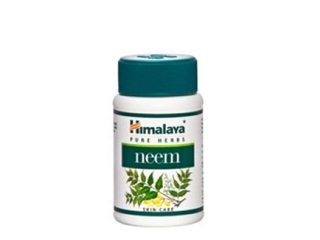
Neem (Azadirachta indica) – Patient-Friendly Medicine Information (Australia)
Neem is a widely used herbal medicine derived from the Azadirachta indica tree. In many cultures, neem has been used for its traditional health benefits and for supporting everyday wellbeing. In modern product formats, neem may be offered as tablets, capsules, powders, or liquids depending on the manufacturer and intended use.
This guide is designed to help you understand what neem is, how it may work in the body, how to take it safely, and what to consider—especially in the Australian context. Always check the product label for the exact dose and directions for your specific item, as formulations can vary.
Basic Product Information
- Common name: Neem
- Scientific name: Azadirachta indica
- Common dosage forms: Capsules, tablets, powders, or extracts (varies by brand)
- Key plant parts used: Typically leaf or seed/seed oil extracts (varies by product)
- Category (typical): Herbal medicine / complementary medicine (depending on how it is registered)
- Suitable audience: Adults (and sometimes children, but only if the product label specifically states so)
Important: Neem products can differ significantly in strength and standardisation. If your product contains neem leaf extract, seed extract, or oil, the dosing and safety considerations may not be identical.
How Neem Works (Mechanism of Action)
Neem contains many naturally occurring compounds, including limonoids (such as azadirachtin), flavonoids, nimbin, and nimbidin. While research continues, laboratory and clinical findings suggest several possible mechanisms that may contribute to neem’s effects:
- Antimicrobial activity: Some neem compounds have shown activity against certain bacteria and fungi in lab settings, which may support healthy skin and oral environments when used appropriately.
- Anti-inflammatory properties: Neem may influence inflammatory pathways, which can be relevant for comfort and wellbeing.
- Antioxidant effects: Neem contains antioxidants that help neutralise reactive molecules in the body.
- Immune modulation (possible): Some compounds may affect immune signalling, though the clinical significance varies by product and dose.
- Metabolic support (investigated): Some studies have explored effects on glucose and lipid markers, but results can be mixed and depend on formulation.
Note: The exact mechanism and strength of effect depends on the specific extract, standardisation, and dose used in the product you purchase.
Pharmacokinetics (Absorption, Distribution, Metabolism, Excretion)
Pharmacokinetics describes what the body does to a medicine—how it is absorbed, broken down (metabolised), and eliminated. For herbal medicines like neem, pharmacokinetic information may be incomplete or based on limited studies, especially when products differ in extract type and potency.
In general, for neem-based products:
- Absorption: Absorption of active compounds can vary based on formulation (extract type, standardisation, and excipients).
- Distribution: Plant compounds may distribute to different tissues, but the extent and clinical relevance are not fully characterised for all neem constituents.
- Metabolism: Neem constituents are likely metabolised in the liver and throughout the body via enzymatic pathways, as with many natural products.
- Excretion: Metabolites are generally eliminated through urine and/or bile, depending on the compound.
Practical takeaway: Because pharmacokinetic data can be limited, dosing should follow the product label and your pharmacist or healthcare professional’s advice—especially if you have chronic conditions or take regular medicines.
Typical Use and Indications
In Australia, neem products are typically marketed for complementary health support. The most common indications you may see include:
- Skin and scalp support: Some formulations are used to support skin comfort and may be chosen by those dealing with minor skin concerns (depending on the product form).
- Oral and throat comfort: Certain neem preparations are used traditionally for mouth/overall oral comfort.
- General wellness: Antioxidant and anti-inflammatory properties are often the basis for wellness-oriented claims.
- Metabolic support (where permitted): Some products may reference support for healthy glucose and lipid metabolism, but claims must be compliant with Australian regulations.
Always check your product’s label for the exact indication(s) permitted for that specific product and formulation.
How to Take Neem: Timing, Dosing, and Duration
Because neem products vary, the safest dosing approach is to follow the label of your specific product. Below are general guidance points that may apply across many neem supplements, but they are not a substitute for label instructions.
Typical dosing ranges (general guidance)
Common adult dosing seen in over-the-counter herbal products may fall within:
- Neem leaf extract: Frequently in the range of a few hundred milligrams per day (exact amount varies by standardisation).
- Neem seed/other extracts: Dosing can differ and is often lower if the extract is more concentrated.
- Neem powders: Often taken in divided doses, but dosing should remain label-based due to variability.
Children: Only use neem in children if the product label explicitly permits it and the dosing is specified for that age group.
Timing: when to take neem
Neem can often be taken once or twice daily depending on the formulation. Practical timing suggestions:
- Daily routine: Choose a time you can consistently remember (e.g., morning and evening).
- Consistency: Take it at the same time each day for best routine adherence.
- If twice daily: Separate doses by roughly 8–12 hours unless the label directs otherwise.
How long to use neem
For complementary products, many people use neem for short-to-medium term support or for specific wellness goals. If you don’t notice any benefit after the period stated on the label, consider speaking with a pharmacist or qualified healthcare professional about whether to continue.
Food Interactions: Taking Neem With or Without Meals
Food interactions for herbal medicines can be unpredictable because compounds and absorption differ by formulation. In many cases, neem may be taken:
- With food: Often helps reduce the chance of stomach upset.
- On an empty stomach: Sometimes used by people who find they tolerate it well, but it may increase the risk of mild gastrointestinal discomfort for some.
Practical recommendation: If you are unsure, start with taking neem with a meal and monitor how you feel. If the label specifies “take on an empty stomach” or “with food,” follow that instruction.
Alcohol and Medicine Interactions
Alcohol
There is no universal rule that neem must not be taken with alcohol; however, alcohol can worsen side effects such as stomach irritation and may affect overall liver function. Because some herbal constituents may be metabolised in the liver, it is sensible to:
- Limit alcohol while starting neem.
- Stop and seek advice if you experience unusual symptoms (e.g., significant nausea, rash, or jaundice).
Interactions with medicines
Neem may interact with medicines through effects on metabolism, immune function, or gut irritation, but evidence may be limited and can vary by dose and extract. If you take regular medicines, speak with a pharmacist or doctor before use.
Extra caution is recommended if you use:
- Diabetes medicines (e.g., metformin, insulin, sulfonylureas): Neem has been studied for possible metabolic effects; combining with glucose-lowering medicines may increase the risk of low blood sugar in some situations.
- Blood-thinning medicines (e.g., warfarin): Herbal products can affect bleeding risk in some cases—discuss before combining.
- Blood pressure or heart medicines: If neem affects metabolic or vascular pathways, it could theoretically influence these medicines.
- Immunosuppressants or autoimmune medicines: Because neem may have immune-modulating properties, caution is advised.
- Medications affecting the liver: If you have liver disease or take medicines known to affect liver enzymes, seek professional advice.
- Other herbal supplements: The risk of additive side effects or interactions increases when multiple botanicals are taken together.
Tip: Keep a list of all medicines and supplements you take. Share it with your pharmacist to check for potential interactions relevant to your routine.
Safety Profile: Who Should Be Careful?
Neem is generally used as a complementary herbal product, but it is not risk-free. Safety depends on the dose, the specific extract, and your health circumstances.
Common side effects (may occur)
- Gastrointestinal discomfort: nausea, stomach upset, or diarrhoea
- Headache (occasionally)
- Skin reactions: rash or itching if you are sensitive
Serious but less common concerns
Seek medical help promptly if you experience:
- Allergic reaction: swelling of the face/lips, breathing difficulty
- Severe or persistent vomiting/diarrhoea
- Signs of liver problems: yellowing of the skin/eyes (jaundice), dark urine, severe fatigue
- Severe skin irritation or blistering (if using topical forms)
Who should avoid neem or use only with professional guidance
- Pregnancy and breastfeeding: Neem is traditionally discouraged due to potential risks from certain constituents. Check with a healthcare professional before use.
- Children: Use only if specifically labelled for children and dosed accordingly.
- People with liver disease: Consult your doctor or pharmacist before use.
- People with autoimmune conditions or who take immunosuppressants: Discuss suitability before starting.
- Those with a history of severe allergies to plants/extracts: Be cautious and consider a trial only under advice.
Important note on neem oil: Neem oil products may differ in strength and safety compared with neem leaf extracts. Neem oil is not the same as neem supplements and may be unsuitable for oral consumption unless the product is specifically formulated for that purpose. Always follow label directions.
Practical Use Tips (Safe, Effective, and Comfortable)
- Start low and assess: If you are new to neem, begin with the labelled dose and monitor your body’s response.
- Take with food if needed: This can reduce stomach upset for some people.
- Stay consistent: Herbal products are typically used daily rather than “as needed.”
- Hydrate and maintain diet quality: Supporting hydration may help reduce minor side effects.
- Avoid doubling doses: If you miss a dose, don’t take two at once—take the next dose at the usual time.
- Check the ingredient list: Some products include additional herbs or vitamins that can change the safety profile.
- Store properly: Keep in a cool, dry place and away from direct sunlight.
Alternative Options (Depending on Your Goal)
If you are considering neem for wellness, skin comfort, oral comfort, or antioxidant support, you may also find alternatives such as:
- Other herbal options: e.g., turmeric/curcumin, ginger, or licorice root (depending on indication and suitability).
- Standardised topical products: For skin comfort, professionally formulated moisturisers or dermatology products may be more predictable.
- Oral care alternatives: Mouthwashes and oral gels specifically designed for oral hygiene and comfort.
- Lifestyle support: Sleep, hydration, balanced diet, and gentle skincare routines often improve outcomes for many conditions.
Best approach: Choose an alternative aligned with your specific goal and ensure it is safe with your current medicines.
Australian Market & Legal Context (What It Means for Customers)
In Australia, herbal and complementary medicines are regulated under national frameworks. Depending on a product’s ingredients and claims, a neem product may be:
- Listed as a complementary medicine for specific permitted indications, or
- Regulated as another type of product (for example, some topical products may be categorised differently).
Key point: Manufacturers must meet regulatory requirements for product quality, labelling, and permitted claims. Always buy from reputable sellers and check the product label for:
- the ingredient list and standardisation (if provided)
- the dosage and directions for use
- warnings and contraindications
- batch/expiry details
Recent guidance (general trend): Australian regulators and health authorities increasingly emphasise that consumers should:
- rely on evidence-based or permitted claims
- check for interactions with prescribed medicines
- avoid unsafe use during pregnancy, breastfeeding, or in children unless explicitly indicated
- seek professional advice for persistent symptoms or if you have chronic conditions
Because guidance can evolve, if you are considering neem for a specific health problem, it is wise to consult current label instructions and speak with a pharmacist for tailored advice.
Delivery, Availability, and What to Expect From an Online Pharmacy
Neem supplements are commonly available online in Australia depending on brand, formulation, and regulatory classification. Delivery times can vary based on:
- your location (metro vs regional)
- stock availability
- the courier service used
What to expect when ordering:
- Secure packaging: Products are typically packed to protect capsules/tablets from moisture and light.
- Label checks: A reputable online pharmacy should provide clear product information including directions, warnings, and expiry.
- Tracking (if offered): Many services provide tracking updates.
Storage after delivery: Keep neem in a cool, dry place and tightly close the lid on any opened containers.
Summary of Key Points
- Neem is a herbal medicine derived from Azadirachta indica.
- It contains multiple bioactive compounds that may contribute to antimicrobial, anti-inflammatory, and antioxidant effects.
- Evidence and strength of effect depend on the specific product and extract type.
- Follow the label for dosing and timing; take with food if you experience stomach upset.
- Be cautious with alcohol and discuss interactions if you take regular medications, especially for diabetes, blood thinning, immunosuppression, or liver-related conditions.
- Check safety considerations for pregnancy, breastfeeding, children, and liver disease.
FAQ – Neem in Australia
1) What is neem used for?
Neem is commonly used as a complementary herbal medicine for wellness and may be chosen for skin, oral comfort, and antioxidant/anti-inflammatory support. The exact permitted indications depend on the product label and regulatory classification.
2) How long does neem take to work?
Some people notice effects related to comfort within days, while other goals (such as wellness support) may take weeks of consistent use. Always follow the duration suggested on your product label and seek advice if symptoms persist.
3) Can I take neem every day?
Many neem products are designed for daily use. However, whether it’s appropriate for you depends on your health, the specific formulation, and your other medicines. Follow the label and consider pharmacist advice if you have chronic conditions.
4) Should I take neem with food?
Taking neem with food can help reduce stomach upset. If the label provides specific directions, follow those. If no guidance is given, starting with a meal is often a practical choice.
5) Does neem interact with other medicines?
Potential interactions may exist, particularly with glucose-lowering medicines, blood thinners, immunosuppressants, and medications affecting the liver. If you take regular medicines, check with a pharmacist and inform them of all supplements you use.
6) Is neem safe during pregnancy or breastfeeding?
Neem is generally not recommended without professional advice during pregnancy or breastfeeding. For safety, discuss with a healthcare professional before use.
7) Can I drink alcohol while taking neem?
Moderation is sensible. Alcohol may worsen stomach irritation and may add strain on liver metabolism. If you choose to drink, consider limiting intake, especially when starting neem, and stop if you experience concerning symptoms.
8) What side effects should I watch for?
Possible side effects include mild gastrointestinal upset, headache, or skin reactions. Seek prompt help for allergic reactions or signs of liver problems.
9) How do I choose the right neem product?
Look for clear labelling, permitted indications, a specified dose, and—where available—standardisation. Avoid products without clear ingredient and dosing information.
10) What if I miss a dose?
Take it when you remember unless it is close to the next dose. Don’t take a double dose to make up for a missed one.
Product Compatibility Checklist (Quick Self-Check)
| Question | What to do |
|---|---|
| Do you take regular medicines (especially diabetes, blood thinners, or immunosuppressants)? | Ask your pharmacist to check for interactions before starting neem. |
| Do you have liver disease or past liver problems? | Seek professional advice before use. |
| Are you pregnant, breastfeeding, or using neem for a child? | Use only if the product label and a healthcare professional indicate it is safe. |
| Do you get stomach upset easily? | Consider taking neem with food and monitor your tolerance. |
| Have you ever had an allergy to herbal products? | Be cautious and discontinue if you develop rash, swelling, or breathing issues. |
Disclaimer: This information is general and not a substitute for personalised advice. If you have ongoing symptoms, chronic illness, or you’re taking multiple medications, speak with a pharmacist or doctor for guidance tailored to your situation.