

Ophthacare Eye Drops (Australia) — Patient Guide
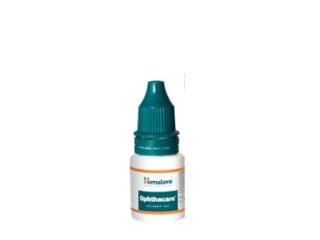
Ophthacare is an eye-care medicine used to help relieve common eye surface problems. It is designed to be applied directly to the eye to support comfort and promote healthier eye function. This page explains what Ophthacare is, how it works, how to use it safely, and what to expect.
Note: Eye products vary by formulation (for example, whether they contain lubricants, electrolytes, antihistamines, anti-infectives, or other active ingredients). Always check the product label and the consumer medicines information (CMI) for the exact ingredients and indications of the Ophthacare product you are purchasing.
Quick Product Information
- Product: Ophthacare eye drops (brand name)
- Route: Ophthalmic use (to the eye)
- Common purpose: Supports relief of eye discomfort and helps maintain a healthier eye surface
- Typical regimen: Depends on the active ingredients and your symptoms (follow the label/CMI)
- Where to use: Usually both eyes if both are affected, unless directed otherwise
If you want, tell us the exact Ophthacare variant (e.g., “Ophthacare [type]” or the active ingredient(s) printed on the box). We can then tailor the guidance even more closely to that specific formula.
What Is Ophthacare?
Ophthacare is an ophthalmic medicine formulated for use on the surface of the eye. The most common reasons people choose products like Ophthacare include:
- Dryness or discomfort from environmental factors
- Irritation and a “tired” or gritty feeling
- Support for the eye’s surface during routine care
Because “Ophthacare” may refer to different formulations depending on the market and packaging, the exact mechanism of action depends on its active ingredients.
How Ophthacare Works (Mechanism of Action)
Many eye-drop products in this category work by protecting, lubricating, and/or soothing the eye surface. Depending on the specific Ophthacare formula, the mechanism may include one or more of the following:
- Lubrication and moisture support: Helps reduce friction and wash away irritants.
- Stabilising the eye surface: Supports a healthier tear-film environment, which can reduce dryness-related symptoms.
- Electrolyte or tear-film supportive effects: Some formulations include components that resemble natural tear components.
- Anti-irritant / soothing action: May calm irritation and improve comfort.
In simple terms: Ophthacare is intended to improve comfort and support the eye’s surface where symptoms begin.
Pharmacokinetics (How the Body Handles It)
For eye drops, “pharmacokinetics” refers to what happens after application to the eye—how long it remains on the surface, how it spreads, and how it is cleared.
While exact parameters can differ by ingredient and formulation, ophthalmic products generally follow these principles:
- On-eye retention: Most eye drops spread across the tear film and are partly diluted by natural tears.
- Clearance: Eye drops are cleared through normal tear drainage (e.g., through the nasolacrimal system into the nose and throat).
- Limited systemic absorption: The amount reaching the bloodstream is typically low when used as directed.
- Local effect dominates: The desired benefit occurs primarily on the eye surface.
Practical takeaway: Because eye drops clear fairly quickly, consistent timing and correct technique help maximise benefit.
Typical Use and Indications
Ophthacare is used for eye surface comfort. Common indications include:
- Dry eye–associated discomfort (e.g., burning, stinging, gritty feeling)
- Eye irritation related to environmental exposure (wind, sun, air-conditioning, screen time)
- Support during everyday eye care when the eyes feel dry or uncomfortable
Important: If you have symptoms such as significant pain, light sensitivity, marked redness, discharge, or vision changes, seek medical advice promptly. Eye drops intended for comfort may not treat infections or inflammatory conditions.
When to Use It (Timing Guidance)
Use Ophthacare at times that match your symptoms and the dosing schedule on the label/CMI.
- For dryness or irritation: Often used regularly at the start of symptoms, then adjusted as needed.
- Screen time and dry air: Consider using before long periods of reading, work, or travel.
- Morning and evening routines: Many people find symptoms worsen on waking or later in the day—follow your recommended schedule.
- After outdoor exposure: Using after windy/sunny conditions may improve comfort.
Consistency matters: If your eyes are dry, a schedule (rather than “only when it hurts”) can provide more reliable relief.
Dosing: How Much and How Often
Because different Ophthacare formulations may have different dosing instructions, always follow the product label or CMI. The guidance below is typical for many lubricating/soothing eye drops and should be treated as general information.
| Situation | Typical dose (example) | Timing (example) | Key notes |
|---|---|---|---|
| Mild to moderate dryness/irritation | 1 drop in the affected eye(s) | Up to 2–4 times daily | Use at a consistent time each day to support comfort. |
| More frequent symptoms | 1 drop in the affected eye(s) | As directed by label/CMI | Do not exceed the maximum frequency stated. |
| Using with other eye drops | Follow spacing rules | Separate different drops by at least 10 minutes | Use the order recommended by your healthcare professional or label. |
Children and teenagers: Dosing must be specifically indicated for paediatric use on the label/CMI. If unclear, seek advice from a pharmacist.
Contact lenses: Many eye drops can be used with or without lenses depending on the ingredients. Check the label. If in doubt, remove lenses before instillation and wait the recommended time before reinserting.
How to Use Ophthacare Correctly (Step-by-Step)
Good technique improves absorption on the eye surface and reduces contamination risk.
- Wash your hands thoroughly.
- Check the bottle tip—make sure it is clean and not damaged.
- Shake gently if the label instructs it (many solutions do not need shaking; follow your product).
- Position yourself in a comfortable position (mirror helps).
- Pull down the lower eyelid to create a small pocket.
- Instill 1 drop into the eye without touching the eyelid or eye with the nozzle.
- Close your eye gently and keep the eyelid closed for about 1 minute.
- Press the inner corner (near the nose) gently with a clean finger for ~30 seconds if recommended—this can reduce drainage to the throat.
- Repeat for the other eye if instructed.
- Wipe excess liquid from the eyelid with a clean tissue.
- Wash your hands again.
If you miss a dose: Use it when you remember unless it is close to the next dose. Do not double up unless your label advises it.
Food Interactions
Because Ophthacare is applied to the eye, food interactions are not expected. Systemic absorption is typically low.
However, if Ophthacare is used alongside other medicines (for example, tablets for allergy or eye inflammation), follow general medicine advice and consult a pharmacist if you have concerns.
Alcohol and Medicine Interactions
Alcohol: No direct alcohol interaction is generally expected with eye drops used locally. Still, alcohol can worsen dehydration and eye dryness for some people. If you notice increased dryness after drinking alcohol, consider using lubricating drops more regularly as advised.
Interactions with other medicines: Potential interactions depend on the exact Ophthacare ingredients. In many cases, interactions are minimal because absorption into the bloodstream is low. If you are using other eye medicines (including prescription or other OTC drops), take note of:
- Spacing doses: Separate different eye drops by at least 10 minutes unless your pharmacist or label instructs otherwise.
- Order of administration: The order can matter (some drops may be affected by others). Follow label or professional advice.
- Other ophthalmic products: If you use ointments, these are often applied last. Confirm with your label/CMI.
When to seek advice: If you start a new medicine and notice worsening eye symptoms, consult a pharmacist or doctor.
Safety Profile and Side Effects
Most people tolerate Ophthacare well, especially when used correctly and at recommended frequencies. As with all medicines, side effects can occur.
Common or mild effects (may occur)
- Transient stinging or burning when instilled
- Temporary blur of vision immediately after application
- Mild redness or irritation
- Tearing (watering after the drop)
Less common but important warning signs
Stop using Ophthacare and seek medical advice promptly if you experience:
- Severe pain in the eye
- Significant or worsening redness
- Light sensitivity or marked discomfort
- Vision changes (e.g., sudden blur that persists)
- Thick discharge (especially yellow/green) or suspected infection
- Allergic reaction such as swelling, hives, or intense itching
Who should be extra careful?
- People with known allergies to ingredients in the product
- People wearing contact lenses (follow label instructions carefully)
- People with eye injury or recent eye surgery (seek professional advice)
- Those with chronic eye conditions (dry eye, blepharitis, keratitis, glaucoma treatment plans) where other therapies may be needed
Practical Use Tips for Best Results
- Use the right technique: Avoid touching the eye with the nozzle.
- Don’t contaminate the bottle: Keep the cap on when not in use.
- Manage screen dryness: Blink regularly and consider the 20-20-20 rule (every 20 minutes, look 20 feet away for 20 seconds).
- Consider environmental factors: Use a humidifier in very dry rooms or adjust air-conditioning direction.
- Warm compresses (if recommended for your situation): For some people with eyelid oil gland issues, compresses can help, but discuss suitability.
- Replace old bottles: Use within the timeframe stated on the label/packaging.
- Avoid sharing: Do not share drops between people.
- Keep track of symptom response: If you don’t feel improvement after several days (or symptoms worsen), seek advice.
Alternative Options
If Ophthacare doesn’t suit your symptoms or if your condition is different, other options may include:
- Lubricating eye drops (artificial tears): Often used for dryness and irritation.
- Gel or ointment formulations: Helpful for more persistent dryness, especially overnight.
- Allergy eye drops (antihistamine/mast-cell stabiliser types): If symptoms relate to allergies like seasonal pollen or dust.
- Warm/cold compress regimens: For lid-related discomfort and some chronic dry eye causes.
- Prescription treatments (only if needed): If inflammation, infection, or more complex dry eye disease is suspected, a clinician may recommend targeted therapy.
Choosing the right alternative depends on whether your symptoms are mainly dryness, allergy, infection, or inflammation. A pharmacist can help you identify what matches your symptoms based on the product ingredients.
Market & Legal Context in Australia
In Australia, medicines are regulated under the Therapeutic Goods Administration (TGA) framework and are categorised according to their use, safety profile, and required controls.
Eye drops like Ophthacare may be supplied as listed, registered, or over-the-counter (OTC) products depending on their ingredients and claims. Availability and product format can vary between brands and stock.
Pharmacy support: Online pharmacy platforms in Australia often provide consumer information such as directions for use, warnings, and product availability details to help customers choose safely.
Important compliance note: If your specific Ophthacare product is not eligible for certain online sales channels, it may be provided via in-store supply or not at all. Availability shown on the site should reflect current listings.
Recent Guidance and Ongoing Care Considerations
Dry eye and eye irritation care has increasingly focused on a combined approach rather than relying on drops alone. Updated general recommendations often emphasise:
- Regular lubrication tailored to symptom severity
- Environmental and behavioural adjustments (screen time, airflow, hydration)
- Careful contact lens management
- Prompt evaluation for red flags (pain, light sensitivity, discharge, vision changes)
Because eye conditions can look similar, persistent symptoms should be assessed by a health professional.
Delivery and Availability (Australia)
Ophthacare eye drops may be available for home delivery across Australia via online pharmacy services, subject to current stock and shipping routes.
- Packaging: Delivered in manufacturer or pharmacy-protective packaging to reduce damage.
- Storage: Store according to the label (often at room temperature, away from direct sunlight). Keep out of reach of children.
- Dispatch times: Dispatch generally occurs within business days where stock is available (exact timing varies by supplier).
- Tracking: Many deliveries include tracking.
Availability can change: If the product you want is temporarily out of stock, alternatives may be offered.
FAQ — Ophthacare Eye Drops
1) What is Ophthacare used for?
Ophthacare is typically used to relieve eye discomfort and support the health of the eye surface, particularly when dryness or irritation is present. Check the label/CMI for the exact indication for your specific Ophthacare product.
2) How fast will I feel relief?
Many people experience comfort quickly, sometimes within minutes, especially if the issue is mild dryness. If symptoms persist or worsen, seek advice.
3) Can I use Ophthacare with contact lenses?
Some eye drops can be used with lenses, while others require lens removal. Always check the product label. If unsure, remove lenses before instilling and follow the recommended waiting time before reinsertion.
4) How should I space Ophthacare from other eye drops?
A common approach is to separate different eye drops by at least 10 minutes. If one product is an ointment, it is often applied last. Follow your label or pharmacist’s guidance.
5) Can I use it more often than the label says?
Do not exceed the frequency on the label/CMI. If you need more frequent use, speak to a pharmacist to ensure it’s appropriate for your symptoms and to check whether an alternative product is better suited.
6) What if I accidentally touch my eye with the dropper tip?
Rinse your eye with sterile saline or clean water if advised by the label/health professional. Avoid using the nozzle to touch the eye again. Contamination may increase irritation risk.
7) Is Ophthacare safe for children?
Only use it in children if the product is indicated for paediatric use on the label/CMI and the dosing instructions are clear. If you’re unsure, ask a pharmacist.
8) Are there any food or alcohol interactions?
Food interactions are not expected. Alcohol may worsen dryness for some people, which could affect how comfortable your eyes feel. For interactions with other medicines, follow spacing rules and check the label or speak to a pharmacist.
9) When should I stop and see a doctor urgently?
Seek prompt medical care if you have severe pain, worsening redness, light sensitivity, discharge suggesting infection, or persistent vision changes.
10) How long can I use the bottle after opening?
Use the product within the time stated on the packaging (often there is an expiry after opening). If no guidance is visible, check the CMI or ask a pharmacist.
Summary
Ophthacare is an ophthalmic medicine designed to support comfort for common eye surface problems such as dryness and irritation. It works primarily on the eye surface, and because eye drops clear relatively quickly, correct technique and appropriate timing help improve results. Always follow the label/CMI for dosing, contact lens guidance, and maximum frequency. If you develop red-flag symptoms like severe pain, significant redness, discharge, or vision changes, seek medical advice promptly.