
Pilex (medicine) — Patient Guide (Australia)
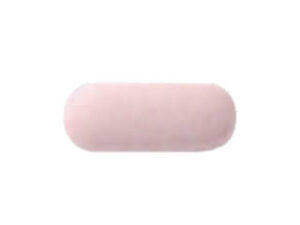
Pilex is an oral herbal medicine traditionally used to support comfort in people experiencing haemorrhoids (piles) and related symptoms. This guide explains how Pilex works, how to take it, what to expect, and important safety information for use in Australia.
Important: Everyone’s situation is different. If your symptoms are severe, persistent, or you have bleeding, pain that worsens, or signs of infection, seek medical advice promptly.
1) Basic product information
| Category | Details |
|---|---|
| Product | Pilex |
| Type | Oral medicine (herbal/combination product) |
| Common purpose | Helps relieve discomfort associated with haemorrhoids |
| How it’s taken | Usually tablets or capsules (follow the specific pack directions) |
| Strength & ingredients | Varies by formulation—always check the label/pack for the exact composition and strength |
| Audience | Adults; suitability for children varies—check with a pharmacist |
Note: Ingredient lists and dosage recommendations should always be verified on your specific product pack. The information below is general and educational.
2) What are haemorrhoids (piles)?
Haemorrhoids are swollen blood vessels in the lower rectum or anus. They can cause:
- Itching or irritation
- Discomfort or pain during bowel movements
- Bleeding, often bright red on toilet paper or in the bowl
- Swelling or a lump around the anus
Common triggers include constipation, straining during bowel movements, prolonged sitting on the toilet, low fibre intake, pregnancy, and ageing.
3) How Pilex may work (mechanism of action)
Pilex is formulated with multiple herbal components commonly used in traditional medicine for digestive and anal health support. While exact mechanisms may vary by formulation, herbal haemorrhoid remedies are typically believed to:
- Support relief of swelling and inflammation around haemorrhoidal tissue
- Help soothe irritation and discomfort associated with inflamed blood vessels
- Support bowel comfort by promoting more comfortable passage
- Provide antioxidant and protective effects through plant-based constituents
Clinical expectations: Many users notice improvement in symptoms such as itching, soreness, or bleeding within days, but consistent use according to the pack directions is usually recommended for best results.
4) Pharmacokinetics (what we know about absorption and metabolism)
For many multi-ingredient herbal products, detailed pharmacokinetic data (absorption, distribution, metabolism, and excretion) may not be fully characterised in published studies. In general terms for oral herbal formulations:
- Absorption: Active constituents may be absorbed after oral dosing, but absorption rates can vary widely depending on the specific ingredients and the person.
- Metabolism: Plant constituents are commonly metabolised in the liver and gut before or after absorption.
- Elimination: Metabolites are usually cleared from the body via urine and/or bile.
- Onset: Symptom relief is generally expected after repeated dosing, although some individuals may notice earlier changes.
Practical takeaway: Because the product is combination-based, exact “blood level” behaviour isn’t as predictable as with single-ingredient medicines. Follow the labelled schedule and contact a pharmacist if you are unsure.
5) Typical use & who it’s for
Pilex is used for symptom relief associated with haemorrhoids. It may be considered by adults who want an oral supportive option alongside healthy bowel habits and local care.
It’s commonly used for:
- Anal discomfort due to haemorrhoids
- Itching and irritation
- Mild to moderate bleeding associated with haemorrhoids (bright red blood)
- Swelling and soreness during bowel movements
Not a substitute for urgent assessment: Any unexplained rectal bleeding, black/tarry stools, severe pain, fever, or symptoms that don’t improve should be assessed by a healthcare professional.
6) Indications (symptoms it’s intended to help)
Based on traditional use and common consumer indications, Pilex is typically indicated for:
- Haemorrhoids with discomfort, itching, and inflammation
- Support during flare-ups of piles
- Adjunct relief while addressing constipation and straining
Always check your product label and consult a pharmacist for confirmation that Pilex is suitable for your specific symptoms.
7) How to take Pilex (dosing & timing)
Follow the directions on your pack. Dosing depends on the specific formulation and strength. Typical dosing regimens for adult haemorrhoid support products are often taken several times per day.
General timing guidance:
- Take doses at regular intervals to maintain consistent support.
- If your schedule allows, spacing doses evenly during waking hours can help.
- Use with the intention of completing the recommended course (even if symptoms improve early), unless the pack says otherwise.
Example schedule (for illustration only): Many products of this type are taken 2–3 times daily. Your pack may differ—please rely on the labelled instructions.
- Morning: after breakfast
- Afternoon: with or after lunch
- Evening: with or after dinner
If you miss a dose: Take it when you remember unless it’s near the next dose. Do not take double the amount to “catch up”.
8) Food interactions (what to consider with meals)
Herbal oral medicines are often tolerated well with food, and many are best taken with meals to improve comfort and reduce possible stomach upset.
- General approach: Take Pilex with water and typically with or after food unless your label instructs otherwise.
- Avoid extremes: If you notice nausea or reflux, try taking it with a fuller meal rather than on an empty stomach.
- Diet support: Fibre-rich foods and plenty of fluids can reduce constipation and support faster symptom improvement.
There are no universal food restrictions for herbal haemorrhoid products, but the safest method is to follow the pack instructions and avoid taking new supplements/medications at the same time if your pharmacist advises separation.
9) Alcohol and medicine interactions
Alcohol: Alcohol may worsen dehydration and can contribute to constipation in some people, which can aggravate piles. For best symptom control, consider limiting or avoiding alcohol during a flare-up.
Medicine interactions: Because Pilex is a multi-ingredient herbal product, interactions can vary by ingredient. In particular, talk to a pharmacist if you take:
- Anticoagulants / antiplatelet medicines (e.g., warfarin, apixaban, rivaroxaban, aspirin, clopidogrel)
- Anti-diabetes medicines or blood pressure medicines
- Immunosuppressants
- Other herbal supplements or multiple digestive remedies
Practical advice: Keep a list of all medicines and supplements and show it to your pharmacist. This is especially important if you have bleeding symptoms, are scheduled for surgery, or have ongoing medical conditions.
10) Safety profile (who should be cautious and possible side effects)
As with all oral medicines, Pilex can cause side effects in some individuals. Report unexpected symptoms to a healthcare professional.
Common possible side effects
- Mild stomach upset
- Nausea or discomfort
- Diarrhoea or looser stools in some cases
- Headache (occasionally)
These effects are not guaranteed and may not occur in everyone.
Serious or urgent warning signs
Seek medical advice urgently if you develop:
- Severe or worsening rectal pain
- Significant rectal bleeding, dizziness, or weakness
- Signs of allergy: swelling of face/lips, difficulty breathing, widespread rash
- Fever or symptoms suggesting infection
Who should be cautious
- Pregnancy or breastfeeding: Check with a pharmacist or healthcare professional before use.
- Children: Safety and dosing may differ—confirm before giving to children.
- People on blood-thinning medication: Because haemorrhoid symptoms can include bleeding, consult first.
- People with liver disease: Herbal products can be metabolised by the liver; ask for advice before use.
Duration of use: If symptoms do not improve within the timeframe stated on the pack, or they return repeatedly, seek professional assessment.
11) Practical use tips for better results
Herbal relief often works best alongside lifestyle steps that address the underlying causes of haemorrhoids—especially constipation and straining.
- Increase fibre gradually: Add fruits, vegetables, oats, and legumes to support softer stools.
- Stay hydrated: Aim for regular water intake through the day.
- Don’t strain: Use the bathroom when you feel the urge; avoid prolonged toilet sitting.
- Consider stool softening strategies: If constipation is frequent, ask a pharmacist about safe options.
- Warm baths: Sitz baths may reduce discomfort during flares.
- Maintain skin care: Keep the area clean and dry; avoid harsh soaps or aggressive wiping.
- Track symptoms: Note when bleeding occurs, stool changes, and what helps—this can guide next steps.
How long to expect: Many people notice symptom improvement within several days, but complete recovery may take longer depending on severity and whether bowel habits improve.
12) Alternative options (what else may help)
If you’re considering other options, several approaches can help with haemorrhoids. Your pharmacist can tailor advice to your symptoms and medical history.
Non-medicine measures
- Fibre supplements (e.g., psyllium) to soften stools
- Hydration and regular bowel routine
- Sitz baths and gentle hygiene
Local treatments
- Topical haemorrhoid creams or ointments
- Wipes or protective barriers (where appropriate)
Other oral options
- Bulk-forming agents or stool softeners (depending on constipation pattern)
- Other herbal haemorrhoid-support products (formulations differ)
Choosing an alternative: If you have ongoing bleeding, pain, or persistent symptoms, consider professional assessment rather than switching between multiple products.
13) Market and legal context for Australia
In Australia, products sold as complementary medicines are regulated under the Therapeutic Goods Act and the broader framework overseen by the Australian regulatory authority (TGA). Depending on classification, complementary medicines may be listed or registered and must meet requirements for manufacturing standards, quality, and permissible claims.
- Packaging and labelling: Look for the required Australian product labelling, including directions, warnings, and ingredient information.
- Quality and consistency: Trusted suppliers should provide batch/expiry details and clear product information.
- Claims: The product’s indicated uses must align with what is permitted for its regulatory status.
Always check your local product label since ingredient combinations and directions may differ between brands and formulations.
14) Recent guidance and “when to see a doctor”
Recent clinical and consumer guidance across many healthcare systems consistently emphasises that:
- Haemorrhoids often improve with stool-softening strategies and short-term symptom support.
- Rectal bleeding should not be ignored, particularly if it’s new, heavy, or accompanied by weakness or weight loss.
- Persistent symptoms require assessment to rule out other causes of bleeding or rectal pain.
Seek prompt medical advice if:
- Bleeding is frequent or significant
- You have severe pain or a hard lump
- Symptoms last longer than the pack recommends
- You experience dizziness, fainting, or black/tarry stools
15) Delivery, availability, and ordering in Australia
Pilex may be available through online pharmacies and complementary medicine retailers depending on local stock and your selected delivery region. Delivery time can vary by postcode and carrier.
Typical ordering experience:
- Choose the required product variant/size from the website
- Confirm the quantity and check the label instructions for dosing
- Review delivery address and estimated dispatch time
- Receive your order packaged securely with expiry/batch details where applicable
Storage: Store at room temperature, away from moisture and direct sunlight. Keep out of reach of children.
Availability note: If the specific format you want is out of stock, many pharmacies can offer restock alerts or alternatives with similar supportive use. Contact the pharmacy for guidance.
16) FAQ — Frequently asked questions about Pilex
1. How fast will Pilex work for haemorrhoids?
Many people notice some improvement in discomfort, itching, or irritation within a few days. Complete symptom resolution varies with severity and whether constipation/straining improves. If you don’t see improvement within the timeframe on the pack, seek advice.
2. Can I take Pilex with other medicines?
Often, herbal products can be taken alongside other treatments, but interactions can occur. If you take blood thinners, diabetes medicines, or multiple supplements, speak to a pharmacist to confirm safety for your specific medication list.
3. Is Pilex safe for everyone?
Not everyone. People who are pregnant or breastfeeding, children, or those with significant medical conditions should check before use. Stop use and seek help if you experience signs of allergy or severe symptoms.
4. What should I do if I get rectal bleeding?
Bright red blood can occur with haemorrhoids, but rectal bleeding should be assessed if it’s heavy, frequent, new, or accompanied by other symptoms such as weight loss, weakness, or severe pain. If bleeding is significant or you feel unwell, seek medical care urgently.
5. Should I take Pilex on an empty stomach?
Many people find taking oral herbal medicines with or after food more comfortable. Follow the pack directions. If you experience stomach upset, take it with a meal.
6. Can alcohol make haemorrhoids worse?
Alcohol may contribute to dehydration and constipation in some people, which can aggravate piles. Limiting alcohol during a flare-up can support faster recovery.
7. How long can I use Pilex?
Use for the duration recommended on your specific pack. If symptoms persist beyond that time, or if they return repeatedly, consult a healthcare professional.
8. What lifestyle changes work best alongside Pilex?
Increase dietary fibre gradually, drink enough water, and avoid straining or prolonged toilet sitting. Sitz baths and gentle hygiene can reduce local discomfort while the medicine supports symptom relief.
9. Are there alternatives to Pilex?
Yes. Alternatives include topical haemorrhoid treatments, stool-softening and fibre strategies, and other oral supportive products. The best choice depends on your symptoms and underlying causes like constipation.
10. When should I stop taking Pilex?
Stop and seek advice if you experience an allergic reaction, worsening or severe rectal pain, significant bleeding, or symptoms suggesting infection. Also stop if side effects are persistent or troublesome.
Summary
Pilex is an oral herbal medicine commonly used for supportive relief of haemorrhoid symptoms such as discomfort, itching, swelling, and irritation. For best results, follow the dosing directions on the pack and combine use with constipation prevention strategies—fibre, fluids, and avoiding straining. If symptoms are severe, persistent, or accompanied by concerning signs (particularly significant bleeding or severe pain), seek medical assessment promptly.