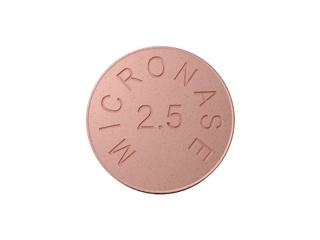
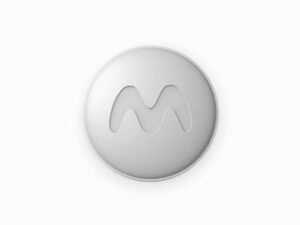
Micronase (Glyburide) – Patient Information (Australia)
Micronase contains the active ingredient glyburide (also known as glibenclamide in some countries). It is an oral blood-sugar–lowering medicine used to help manage type 2 diabetes, in combination with diet, exercise, and other diabetes care.
This guide is written in a patient-friendly way to help you understand how Micronase works, how it’s commonly used, and what to watch for. It is not a substitute for advice from your doctor or pharmacist.
Key Product Information
| Item | Details |
|---|---|
| Brand name | Micronase |
| Active ingredient | Glyburide |
| Medicine type | Oral diabetes medicine (sulfonylurea) |
| Common use | Type 2 diabetes (adult patients) |
| Available forms | Tablets (strengths vary by product/market) |
| How it is taken | Usually once or twice daily with meals (timing depends on your regimen) |
How Micronase Works (Mechanism of Action)
Micronase belongs to the class of medicines called sulfonylureas. It helps lower blood glucose mainly by:
- Stimulating insulin release from the pancreas (more specifically, by closing ATP-sensitive potassium channels in pancreatic beta cells).
- Improving blood-sugar control when your body still produces some insulin.
Important: Because it increases insulin release, Micronase can sometimes cause blood sugar to drop too low (hypoglycaemia), especially if meals are missed, doses are too high, or in combination with other glucose-lowering medicines.
Pharmacokinetics (Absorption, Distribution, Metabolism, Excretion)
Pharmacokinetics describe what the body does to the medicine and how long it lasts. While exact values can vary between individuals, key practical points include:
- Absorption: Glyburide is absorbed from the gastrointestinal tract after you take it by mouth.
- Onset: Blood sugar–lowering effects typically start within about 1–2 hours after a dose (timing can vary).
- Duration: Effects can last long enough to support once- or twice-daily dosing, depending on your prescription and response.
- Metabolism: Glyburide is metabolised in the liver.
- Elimination: Metabolites are eliminated mainly through the kidneys and/or biliary routes.
Clinical implication: Because glyburide can have a sustained effect and because hypoglycaemia risk is real, it’s usually important to take it with food and follow your usual meal schedule.
Typical Use and Indications
Micronase is used in the management of type 2 diabetes mellitus in adults. It helps improve glycaemic control when:
- Diet and exercise alone are not enough, and
- Your healthcare professional determines that a sulfonylurea is appropriate based on your medical history and blood sugar patterns.
It may be used:
- As monotherapy (a single agent), or
- In combination therapy with other diabetes medicines, depending on your glucose levels and treatment plan.
Not for: Glyburide is generally not used to treat type 1 diabetes or diabetic ketoacidosis.
When to Take Micronase (Timing and How to Take)
Micronase is usually taken with meals. Timing matters because the medicine increases insulin release and is intended to match the rise in blood glucose after eating.
- With breakfast if prescribed once daily in the morning.
- With breakfast and/or evening meal if prescribed more than once daily.
- Try to take it at consistent times each day.
Practical timing tips:
- If you take a dose but skip a meal, your risk of hypoglycaemia increases.
- If you change your meal schedule (shift work, travel, fasting, illness affecting appetite), ask your pharmacist/doctor how to adjust.
- If you forget a dose, follow the advice you’ve been given for your specific regimen (many sulfonylurea plans advise not to double up).
Food Interactions and Dietary Considerations
Food has a direct relationship with how safe and effective Micronase is:
- Take with food: Micronase is designed to be taken alongside meals to reduce hypoglycaemia risk.
- Regular meals: Eating regularly helps keep blood sugar stable.
- Carbohydrate balance: Your diabetes plan may include carbohydrate consistency. Sudden large reductions in carbohydrate intake can increase hypoglycaemia risk for some people.
Special situations:
- Missed meals: Do not “make up” for missed meals by taking extra glyburide. Instead, follow your diabetes action plan.
- Exercise: Increased activity can lower blood glucose. You may need extra carbohydrate or adjustment—ask your healthcare professional.
Alcohol and Medicine Interactions
Alcohol can affect blood glucose and may alter the way your body handles diabetes medicines.
- Hypoglycaemia risk: Alcohol can increase the risk of low blood sugar, particularly when taken without food.
- Metabolism effects: Liver metabolism is important for processing many medicines. Heavy drinking can increase the risk of side effects.
Patient-friendly guidance:
- If you choose to drink alcohol, do so with food and within your usual safe limits.
- Avoid binge drinking.
- If you feel symptoms of low blood sugar after alcohol, treat it promptly (for example with fast-acting carbohydrate) and seek medical advice if severe or recurring.
Medicine Interactions (What to Tell Your Pharmacist)
Many medicines can change glyburide’s effect or increase hypoglycaemia risk. Always check interaction risks when starting or stopping medicines, including over-the-counter products and supplements.
Common interaction themes include:
- Other glucose-lowering medicines: Taking Micronase with insulin or other diabetes agents can increase hypoglycaemia risk.
- Some antibiotics and antifungals: Certain medicines may increase glyburide levels or enhance its glucose-lowering effect.
- Some heart/blood pressure medicines: Some drugs may mask early hypoglycaemia symptoms.
- Non-steroidal anti-inflammatory drugs (NSAIDs), steroids, and hormone-related medicines: These can alter blood glucose patterns.
- Warfarin and other anticoagulants: Interaction potential exists; monitoring may be required.
What you should do:
- Bring a list of all medicines (including supplements) to your pharmacist.
- Ask specifically about hypoglycaemia risk if you’re adding, stopping, or changing medicines.
- Tell healthcare providers if you have kidney or liver disease, because this can affect medicine handling and safety.
Dosing Overview (General Guidance)
Micronase dosing is individual. Your dose depends on your current blood sugar levels, kidney function, age, and other diabetes medicines you may be taking.
Typical approach used in practice:
- Start low to reduce hypoglycaemia risk.
- Titrate gradually based on blood glucose response.
- Use the lowest effective dose that helps you reach your target glucose levels.
Once daily vs twice daily: Some people are prescribed once daily; others may be prescribed divided doses depending on the total daily requirement and glucose response.
Do not adjust your dose without professional guidance. If you experience repeated low blood sugar readings or side effects, seek advice promptly—your regimen may need adjustment.
Safety Profile: Common and Serious Side Effects
Like all medicines, Micronase can cause side effects. Most people tolerate it well when dosed appropriately, but it’s important to know what to watch for.
Most important risk: Hypoglycaemia
Hypoglycaemia (low blood sugar) is the key safety concern with sulfonylureas.
Symptoms may include:
- Sweating, shaking, or feeling nervous
- Hunger
- Dizziness or light-headedness
- Headache
- Blurred vision
- Confusion, irritability, or unusual tiredness
Severe hypoglycaemia may lead to unconsciousness or seizures. This is an emergency.
Other possible side effects
- Weight gain: Some people gain weight with sulfonylurea therapy.
- Gastrointestinal upset: Nausea or indigestion can occur.
- Skin reactions: Rash or itching (uncommon).
- Blood count changes: Rare but monitored when clinically appropriate.
When to seek urgent help
Get urgent medical assistance if you have signs of severe hypoglycaemia, such as:
- Loss of consciousness
- Seizure
- Inability to swallow safely
If you suspect you have severe low blood sugar, treat immediately and seek emergency care.
Practical Use Tips for Better Control
Micronase can be effective when used consistently. These practical tips may help you get the best outcomes and reduce risks:
- Take it with meals as instructed.
- Monitor blood glucose if advised (especially when starting, changing dose, or changing your diet/activity).
- Keep fast sugar available (e.g., glucose tablets or sugary drinks) if you’re at risk of hypoglycaemia.
- Keep a regular meal rhythm to match the medicine’s effect.
- Be cautious with exercise changes: extra activity can lower glucose.
- Plan for travel and illness: delays in meals or reduced appetite can increase hypoglycaemia risk.
Helpful routine: Many people find it easiest to link dosing to a daily routine (breakfast time) to avoid missed doses.
What to Do If You Miss a Dose or Experience Low Blood Sugar
Missed dose: If you forget a dose, follow the specific instructions given by your pharmacist or the product advice for that regimen. In general, doubling up can increase hypoglycaemia risk.
Low blood sugar (mild to moderate):
- Consume fast-acting carbohydrate (such as glucose tablets, a sugary drink, or sugar/honey).
- Recheck your blood glucose if possible after 10–15 minutes.
- If the next meal is not soon, take a longer-acting snack.
Low blood sugar (severe): If you cannot safely swallow, have confusion, fainting, or seizures, treat as an emergency and seek urgent medical help.
Alternative Options (If Micronase Is Not Suitable)
There are several other treatments for type 2 diabetes. Your best option depends on your age, kidney function, weight goals, heart/kidney risks, and risk of hypoglycaemia.
Common alternative categories include:
- Metformin (often first-line in many guidelines)
- DPP-4 inhibitors (lower glucose with typically low hypoglycaemia risk)
- GLP-1 receptor agonists (often used for weight and glycaemic benefits)
- SGLT2 inhibitors (may offer cardiovascular and kidney benefits in selected patients)
- Other sulfonylureas (sometimes considered, but hypoglycaemia risk remains)
- Insulin (if needed for control or specific situations)
- Thiazolidinediones or acarbose in selected cases
If Micronase causes frequent low blood sugar, weight gain, or is otherwise not appropriate for your situation, discuss alternatives with your doctor or pharmacist. Treatment plans should be individualised.
Market and Legal/Regulatory Context for Australia
In Australia, medicines are regulated under the Therapeutic Goods Administration (TGA) framework. Diabetes medicines, including glyburide, are regulated prescription medicines and are dispensed through authorised channels.
Important patient notes for Australia:
- Only use medicines that are supplied through legitimate Australian supply chains.
- Follow the instructions on your medication label and any accompanying consumer medicine information.
- For safety monitoring, keep your healthcare providers informed of your complete medication list.
Quality and authenticity: A reputable pharmacy will provide products that meet local regulatory requirements. If you have concerns about packaging, expiry, or source, ask your pharmacist.
Recent Guidance and Ongoing Clinical Considerations
Diabetes management in Australia is informed by major clinical guidance and ongoing evidence updates. In recent years, many guidelines have increasingly emphasised:
- Individualised targets based on age, comorbidities, and hypoglycaemia risk
- Choosing medicines that reduce hypoglycaemia risk where possible
- Considering heart and kidney risk when selecting glucose-lowering therapies
- Shared decision-making with people living with type 2 diabetes
Because sulfonylureas can cause hypoglycaemia and may lead to weight gain, clinicians often review their role over time—especially in older adults or people with kidney impairment. If you are taking Micronase and doing well, your doctor may continue it; if risks emerge, they may consider an alternative strategy.
Delivery and Availability (Online Pharmacy Notes for Australia)
Availability can vary by stock levels and tablet strength. If you’re ordering Micronase online in Australia, a reputable pharmacy should provide:
- Clear product details (strength, pack size, and brand)
- Estimated delivery timeframes and delivery options
- Packaging information and temperature/shipping considerations if applicable
- Support for dosing questions or medication supply issues
After you receive your order:
- Check the expiry date.
- Confirm the strength matches your routine.
- Store tablets at appropriate temperatures in a dry place, away from direct sunlight, according to label instructions.
FAQ: Micronase (Glyburide)
1) What is Micronase used for?
Micronase is used to help manage type 2 diabetes mellitus by improving blood glucose control, usually in combination with lifestyle changes.
2) How quickly does Micronase work?
Blood sugar–lowering effects typically begin within about 1–2 hours after a dose, though timing can vary between individuals.
3) Should I take Micronase with food?
Yes. Micronase is generally taken with meals to reduce the risk of hypoglycaemia. Always follow your specific instructions.
4) What happens if I miss a dose?
Follow the guidance provided by your healthcare professional or pharmacist for your regimen. In many cases, you should avoid taking extra tablets to “catch up” because that can increase hypoglycaemia risk.
5) Can Micronase cause low blood sugar?
Yes. Hypoglycaemia is the most important potential risk with sulfonylureas. Symptoms can include sweating, shaking, hunger, dizziness, confusion, and weakness.
6) What should I do if my blood sugar is low?
Take fast-acting carbohydrate (such as glucose tablets or a sugary drink), then recheck your levels if possible. If severe symptoms occur (fainting, seizure, inability to swallow), seek urgent emergency care.
7) Is it safe to drink alcohol with Micronase?
Alcohol can increase hypoglycaemia risk, especially if taken without food. If you drink, do so with food and within safe limits. Seek advice if you’re unsure.
8) Can I take Micronase with other diabetes medicines?
Often, diabetes medicines are used together, but this can increase hypoglycaemia risk. Always confirm combination therapy with your doctor/pharmacist.
9) Who should be extra cautious with glyburide?
People at higher risk include older adults, those with kidney or liver impairment, people with irregular meals, and those taking medicines that interact with glyburide. Your clinician may adjust the dose or consider alternatives.
10) What are safer alternatives if I’m having frequent hypos?
There are many options for type 2 diabetes, including medicines that carry a lower hypoglycaemia risk than sulfonylureas. Discuss options with your healthcare team based on your health profile and goals.
Summary
Micronase (glyburide) is a sulfonylurea tablet used to treat type 2 diabetes by stimulating insulin release. It is commonly taken with meals and works over hours to improve blood glucose.
The most important safety issue is hypoglycaemia. Taking Micronase consistently with your meals, monitoring as advised, and discussing all other medicines (including over-the-counter products) with your pharmacist can improve safety and effectiveness.