

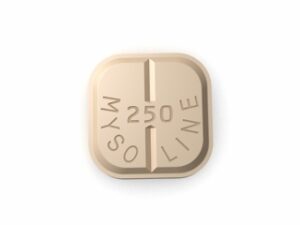
Mirapex (Pramipexole) – Patient-Friendly Information (Australia)
Mirapex is a brand of pramipexole, a medicine used to treat certain movement and nerve-related conditions. This guide explains how it works, how it’s usually taken, important safety information, and practical tips for day-to-day use.
Always follow the advice given by your healthcare professional. Individual dosing and timing can vary depending on the condition being treated, your age, kidney function, and your response to treatment.
1. Basic product information
Active ingredient: Pramipexole
Brand name: Mirapex
Common medicine class: Dopamine agonist (non-ergot)
Typical forms: Tablets (immediate-release preparations are commonly used; your product may vary by strength and formulation)
Pramipexole is widely used in Australia and is available through standard pharmacy channels for eligible patients.
2. What pramipexole is and how it works (mechanism of action)
In the brain, dopamine is a chemical messenger that helps regulate movement, coordination, and certain nerve signals. In conditions such as Parkinson’s disease, dopamine-producing pathways become less active.
Pramipexole works by stimulating dopamine receptors—particularly the D2/D3 (and related) receptor families. By activating these receptors, it helps improve symptoms such as:
- slowness of movement (bradykinesia)
- stiffness
- tremor
- muscle control problems
- involuntary movements in certain treatment settings
In restless legs syndrome (RLS), the exact cause is complex, but dopamine signalling plays a significant role. Pramipexole can reduce uncomfortable urges to move and improve sleep quality.
3. Typical indications (what Mirapex is used for)
Pramipexole is commonly used for:
- Parkinson’s disease:
- as monotherapy (in some patients)
- as part of combination therapy with levodopa
- Restless legs syndrome (RLS):
- to relieve symptoms and improve sleep
Your prescriber may choose pramipexole based on your symptoms, other medications, and practical factors such as kidney function.
4. How it’s usually timed (when to take it)
Timing depends on the condition treated and the formulation. A key point is taking it consistently and at the times recommended for you.
Parkinson’s disease
- Doses are often divided through the day to maintain symptom control.
- Your treatment usually begins with a gradual dose increase to reduce side effects.
Restless legs syndrome (RLS)
- RLS symptoms are typically worse in the evening or at night, so doses are often taken closer to bedtime.
- Your clinician will tailor the timing to the pattern of your symptoms and your response.
Tip: If you miss a dose, follow the guidance given to you by your clinician or pharmacist. In general, it’s safer to contact a healthcare professional rather than double up.
5. Dosing overview (how treatment is started and adjusted)
Dosing must be individualised. Pramipexole usually starts at a low dose and is increased gradually. This approach can reduce dizziness, sleepiness, nausea, and other early side effects.
Starting doses and titration
- Gradual titration: common for both Parkinson’s disease and RLS
- Adjust based on response: symptoms, tolerability, and side effects
- Kidney function matters: pramipexole is cleared partly through the kidneys, so dose changes may be needed
Practical dosing points
- Take the dose exactly as prescribed (strength and frequency).
- Do not change your dose without medical advice.
- If you stop suddenly, symptoms can worsen; discuss any changes with your healthcare professional.
Dose adjustments (renal impairment)
Because pramipexole is excreted largely by the kidneys, people with reduced kidney function may require a lower dose or different dosing frequency. Your prescriber may order tests to guide dosing.
6. Pharmacokinetics (how the body handles pramipexole)
Pharmacokinetics describes absorption, distribution, metabolism, and elimination. While the exact values can vary by formulation and individual factors, the following helps explain typical behaviour in the body.
- Absorption: pramipexole is absorbed after oral dosing.
- Peak levels: blood levels typically peak within a few hours after a dose (timing depends on formulation).
- Distribution: the medicine spreads through body tissues, including the central nervous system.
- Metabolism: pramipexole is largely excreted unchanged, with limited metabolic breakdown.
- Elimination: primarily via the kidneys; therefore, kidney function influences dosing.
These properties are why clinicians are attentive to kidney function and why dosing schedules must be followed carefully.
7. Food interactions and what to expect
Food can affect how quickly pramipexole is absorbed in some cases. In practical terms, you may be advised to take it consistently in relation to meals.
- With or without food: pramipexole can often be taken either way, but follow your specific instructions.
- Consistency helps: taking it the same way each day can improve predictability of symptom control.
- GI side effects: nausea or stomach upset can occur, especially during dose increases. Taking with food may help some people (ask your pharmacist for advice).
If you notice that symptoms worsen or side effects increase around meals, tell your healthcare professional.
8. Alcohol and medicine interactions
Alcohol
Alcohol may increase the risk of side effects such as drowsiness, dizziness, and impaired coordination. Because pramipexole can also cause sleepiness in some people, combining with alcohol may be particularly risky.
Recommendation: Limit alcohol or avoid it unless your healthcare professional confirms it’s safe for you.
Other medicines that may interact
Pramipexole can interact with other medications, mainly due to additive effects on the nervous system or the potential for increased sedation or blood pressure changes.
Tell your pharmacist or doctor if you take:
- other medicines that cause sleepiness (e.g., some sedatives, sleep medicines, strong antihistamines)
- medicines used for anxiety or depression (some may increase sedation)
- antipsychotic medicines (may affect dopamine pathways and symptom control)
- medicines that affect blood pressure or cause dizziness
- other Parkinson’s medicines (your regimen may be adjusted for safety and effectiveness)
- metoclopramide and similar dopamine-related agents (potential opposing effects)
This is not a complete list. Always check interactions with your pharmacist, including herbal products and over-the-counter medicines.
9. Safety profile: common, serious, and “call your doctor” symptoms
Common side effects
Many side effects occur early in treatment or during dose increases. They may improve as your body adjusts.
- Dizziness or light-headedness
- Sleepiness or fatigue
- Nausea
- Constipation
- Headache
- Swelling of the legs/ankles (peripheral oedema)
- Low blood pressure on standing (orthostatic hypotension)
Serious or urgent symptoms
Seek urgent medical help if you experience symptoms that may indicate a serious reaction.
- Allergic reaction: rash, swelling of face/lips, difficulty breathing
- Severe confusion or hallucinations that rapidly worsen
- Fainting or severe dizziness
- Sudden sleep episodes (falling asleep unexpectedly) or significant impairment in alertness
- Uncontrolled movements (e.g., dyskinesia) that are new or worsening on treatment
Impulse control disorders and behavioural changes
Dopamine agonists—including pramipexole—have been associated with impulse control problems in some people. These can include changes in behaviour and urges that may be hard to resist.
Watch for:
- compulsive gambling or increased interest in gambling
- compulsive shopping or spending
- unusual sexual urges/behaviour
- binge eating or loss of control over eating
- repetitive behaviours or increased activity
If you or a family member notices these changes, contact a healthcare professional promptly. Early assessment can help protect safety and wellbeing.
Other important cautions
- Hallucinations: more likely in older adults or those with cognitive impairment.
- Sleep and driving: due to possible sleepiness, avoid driving or operating machinery until you know how pramipexole affects you.
- Orthostatic hypotension: take care when standing up quickly.
- Withdrawal/stop effects: do not stop abruptly—discuss tapering if discontinuation is planned.
10. Practical use tips (patient-friendly)
- Track your response: note symptom changes (movement symptoms or RLS urges) and any side effects, especially during the first weeks.
- Rise slowly: if you feel light-headed, sit on the edge of the bed for a moment before standing.
- Monitor sleepiness: be especially cautious during activities that require alertness (driving, machinery, ladders).
- Don’t “catch up” doses: follow missed-dose instructions rather than doubling.
- Keep hydration steady: dizziness can be influenced by dehydration; maintain adequate fluid intake unless you’ve been advised otherwise.
- Use a consistent routine: take your dose around the same time each day, and consider meals consistently if advised.
If you experience new or worsening symptoms after a dose change, contact your pharmacist or prescriber.
11. Alternatives to Mirapex (pramipexole)
Alternatives depend on the condition, severity, comorbidities, and prior treatment response. Common options include:
For Parkinson’s disease
- Levodopa/carbidopa (often the most effective symptomatic treatment for many patients)
- Other dopamine agonists such as:
- ropinirole
- rotigotine (transdermal patch)
- MAO-B inhibitors (e.g., selegiline, rasagiline—depending on availability and suitability)
- COMT inhibitors (in certain combination regimens)
- Amantadine (selected cases)
For restless legs syndrome
- Iron therapy if iron deficiency is present (often guided by blood tests such as ferritin)
- Other RLS medicines as recommended by clinical guidelines (the choice may depend on augmentation risk)
- Non-medicine strategies (sleep hygiene, reducing caffeine/alcohol late in the day, stretching/exercise)
Your clinician can explain why a particular option fits your situation, including risks such as augmentation (a worsening pattern over time) with dopamine agonists in RLS.
12. Recent guidance and clinical considerations in Australia
Clinical guidance for movement disorders and restless legs syndrome continues to evolve. In recent years, there has been increasing focus on:
- Careful selection and monitoring of dopamine agonists in RLS, due to risks such as augmentation (symptoms starting earlier in the day, becoming more intense, or spreading to other body parts).
- Using iron assessment and correction when appropriate in RLS, particularly if ferritin indicates inadequate iron stores.
- Monitoring behaviour changes and sleepiness in Parkinson’s disease patients taking dopamine agonists.
- Renal dose adjustment in pramipexole because kidney function affects elimination.
Your healthcare team will tailor treatment goals and follow-up to your symptoms and your individual risk factors.
13. Delivery and availability in Australia
In Australia, availability of medicines may depend on local supply, the exact product strength, and whether it is currently in stock. Many online pharmacies can dispatch Mirapex if it is suitable for you and you meet the required purchasing/dispensing processes.
Delivery options typically vary by pharmacy and location. When ordering, you may be asked to select:
- standard or express delivery
- delivery suburb/postcode for estimated timeframes
- packaging and signature requirements (where applicable)
If you need your medication urgently, contact the pharmacy customer service team to confirm dispatch times and stock.
14. Market and legal context in Australia
Medicines such as pramipexole are regulated under Australia’s medicines and pharmacy frameworks. Depending on the product formulation and classification, access is typically provided through appropriate healthcare pathways and pharmacy dispensing requirements.
Online pharmacies in Australia generally operate within national and state/territory regulations, with processes to ensure:
- appropriate supply to eligible customers
- pharmacist involvement or checks where required
- safe use information provided with the medicine
If you have questions about eligibility or availability, check the pharmacy’s ordering terms or speak with a pharmacist.
15. FAQs about Mirapex (pramipexole)
1) What is Mirapex used for?
Mirapex (pramipexole) is used for Parkinson’s disease and restless legs syndrome (RLS), depending on your diagnosis and treatment plan.
2) When should I take it?
Follow your personalised instructions. In RLS, dosing is often timed closer to the evening or bedtime. In Parkinson’s disease, dosing is commonly divided through the day. Consistency with meals can also help.
3) Can I take it with food?
Often pramipexole can be taken with or without food, but food may change absorption speed. Take it the way your pharmacist or doctor advises and keep that routine consistent.
4) What side effects are common?
Common side effects include dizziness, sleepiness, nausea, constipation, headache, and leg/ankle swelling. These can be more likely when starting or increasing the dose.
5) Will it make me drowsy?
Some people experience sleepiness or fatigue, and in rare cases, people may fall asleep unexpectedly. Avoid driving and hazardous activities until you understand how Mirapex affects you.
6) Are there concerns about alcohol?
Alcohol can increase drowsiness and dizziness. It’s best to limit or avoid alcohol unless your healthcare professional says it’s safe for you.
7) What should I do if I miss a dose?
Don’t double up. Check the specific advice you received with your medicine or ask your pharmacist for guidance based on your dosing schedule.
8) Can Mirapex interact with other medicines?
Yes. Some medicines can increase sedation or affect dopamine-related effects. Always tell your pharmacist about all medicines and supplements you take.
9) What is augmentation in restless legs syndrome?
Augmentation refers to RLS symptoms worsening over time—often starting earlier in the day, becoming more intense, or spreading to other body areas. If you notice a change like this, contact your healthcare professional promptly.
10) Is it safe to stop suddenly?
You should not stop pramipexole abruptly without medical advice. Stopping suddenly can lead to worsening symptoms. If discontinuation is planned, your clinician will advise how to reduce safely.
16. Summary: key points to remember
- Mirapex (pramipexole) is a dopamine agonist used for Parkinson’s disease and restless legs syndrome.
- It works by stimulating dopamine receptors, helping improve movement symptoms and RLS discomfort.
- Side effects such as dizziness and sleepiness are often greatest at the start or after dose increases.
- Kidney function can affect dosing, so ensure clinicians know your medical history.
- Alcohol and sedating medicines may increase drowsiness and dizziness—use caution.
- Report behavioural changes, hallucinations, severe sleepiness, or impulse control symptoms promptly.
This information is intended to support safe use and understanding. It does not replace medical advice from your healthcare professional. If you have questions about Mirapex or whether it’s suitable for you, speak with a pharmacist or clinician.
| Topic | Key information |
|---|---|
| Medicine name | Mirapex (pramipexole) |
| Medicine type | Dopamine agonist (non-ergot) |
| Common uses | Parkinson’s disease; restless legs syndrome (RLS) |
| How it works | Stimulates dopamine receptors to improve symptoms |
| How dosing starts | Often begins low and increases gradually to improve tolerability |
| Food | May affect absorption speed; take consistently as advised |
| Alcohol | May worsen dizziness/sleepiness; use caution |
| Important warnings | Sleepiness and impulse control changes can occur; report promptly |
| Kidney considerations | Dose adjustment may be needed in renal impairment |