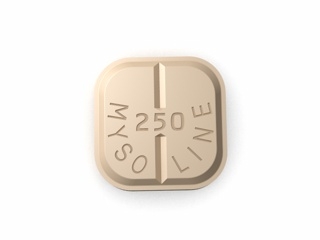


Mysoline (Primidone) – Patient Information (Australia)
Mysoline (also known by its generic name primidone) is a medicine used to control certain types of seizures. This guide is designed to be patient-friendly and to help you understand what primidone does, how it works in the body, how to take it safely, and what to expect in everyday life in Australia.
Please note: Individual responses vary. Your clinician will tailor treatment to your needs, your seizure type, and your other medicines.
1) Basic product information
| Field | Information |
|---|---|
| Medicine name | Mysoline |
| Generic name | Primidone |
| Medicine type | Anticonvulsant (antiepileptic medicine) |
| What it’s commonly used for | Seizure disorders (including certain forms of epilepsy); sometimes used for tremor in selected patients |
| Available forms | Tablets (strengths may vary) |
| Typical dosing approach | Often started low and increased gradually to reduce side effects |
In Australia, primidone is regulated as a prescription medicine. Availability may vary by supplier and formulation strength.
2) How Mysoline (Primidone) works (mechanism of action)
Primidone belongs to the barbiturate-related class of anticonvulsant medicines. Its main effect is to reduce excessive electrical activity in the brain that can trigger seizures.
Primidone is metabolised in the body to an active compound called phenobarbital, which also contributes to the overall seizure-control effect. While the exact process can differ between individuals, these medicines generally help by:
- Increasing inhibitory activity in the brain (making neurons less likely to “fire” uncontrollably).
- Modulating neurotransmission to stabilise neuronal firing patterns.
- Raising the seizure threshold, meaning it takes more stimulus to trigger a seizure.
Because the medicine may take time to reach stable levels and because dosing is usually increased gradually, improvements are often seen progressively rather than immediately.
3) Pharmacokinetics – what the body does to primidone
Pharmacokinetics describes how the medicine is absorbed, distributed, metabolised, and eliminated. Understanding these steps can help explain dosing timing, interactions, and how long effects may last.
- Absorption: Primidone is absorbed after taking a tablet by mouth. Food can influence how quickly it is absorbed, though many people still take it with meals to reduce stomach upset.
- Distribution: It spreads throughout the body, including into the central nervous system, to exert its effects on the brain.
- Metabolism: Primidone is metabolised mainly in the liver and is converted to phenobarbital and other metabolites.
- Elimination: The medicine and its metabolites are eliminated primarily by the kidneys (via urine).
- Half-life (general): Primidone and especially its active metabolite (phenobarbital) can have long durations in the body, which supports once or twice daily dosing in many regimens and can also increase the importance of consistent daily use.
Because metabolism involves liver pathways, medicines that induce or inhibit liver enzymes may change how quickly primidone is cleared. This is why it’s important to review all medicines you take (including vitamins, herbal products, and over-the-counter options).
4) Typical uses
Mysoline (primidone) is most commonly used for:
- Epilepsy (seizure disorders), particularly when used as part of a broader epilepsy treatment plan.
- Some types of tremor (for selected patients) where an anticonvulsant approach is considered appropriate. Use for tremor varies between guidelines and individual circumstances.
It is important to match the medicine to the seizure type. If your diagnosis is unclear or if your seizure pattern changes, your treating team may adjust treatment.
5) Indications – when it may be considered
Primidone may be considered in people with:
- Partial (focal) seizures or other seizure types, depending on individual assessment.
- Generalised seizures in certain cases, depending on clinical judgement and tolerability.
- Refractory seizures (seizures not fully controlled with first-line options), often as an add-on or alternative.
- Essential tremor in selected circumstances when other options are unsuitable or ineffective.
Your clinician will consider your medical history, seizure type, age, pregnancy plans, kidney and liver function, and other medicines before choosing primidone.
6) Dosing and timing
Dosing is individual. Primidone is typically started at a low dose and increased gradually to reduce side effects such as drowsiness, dizziness, and nausea.
Starting and adjusting
- Start low: Gradual initiation helps your body adapt.
- Increase stepwise: The dose may be adjusted every few days to weekly, depending on tolerance and seizure control.
- Maintain consistently: Once an effective dose is reached, consistent timing is important for steady control.
When to take your doses
- Many people take primidone once or twice daily depending on the prescribed regimen.
- If you experience sleepiness, your clinician may advise shifting more of the dose to the evening.
- Try to take it at the same times each day (for example, morning and evening).
If you miss a dose
- Take it as soon as you remember if it’s not close to your next dose.
- Skip the missed dose if it’s nearly time for the next dose.
- Do not double up to “catch up”.
If you miss multiple doses or have trouble following your schedule, contact your pharmacist or clinician for tailored advice.
7) Food interactions and taking with meals
Food interactions can affect how comfortable primidone feels in your stomach and, in some cases, how quickly it starts working. In many patients, taking primidone with food can reduce nausea or stomach discomfort.
- General approach: Follow your clinician’s instructions. If you experience nausea, consider taking it after a meal.
- Consistency matters: Taking it the same way each day (with or without food) may help maintain predictable effects.
There are no commonly recognised “avoid forever” foods specifically for primidone in typical daily practice, but your overall diet and health can affect seizure control. Also, stay hydrated and keep regular sleep patterns, as dehydration and sleep disruption can trigger seizures in some people.
8) Alcohol and medicine interactions
Alcohol
Avoid or limit alcohol while taking primidone. Alcohol can increase sedation and impair coordination, reaction time, and judgement. Together with primidone (and especially due to the barbiturate-related effects), alcohol may increase the risk of dangerous side effects.
Other medicines to be careful with
Primidone can interact with many medications. Because primidone and phenobarbital can affect liver enzymes, it may change the effectiveness or side-effect profile of other drugs. It can also be affected by other medicines that influence liver metabolism.
Tell your pharmacist or clinician if you use any of the following:
- Other sedatives (for example, benzodiazepines, sleeping tablets, strong antihistamines that cause drowsiness)
- Opioid pain medicines (increased risk of drowsiness and breathing suppression)
- Antidepressants or antipsychotics (interaction potential—individual review needed)
- Other anti-seizure medicines (dose adjustments may be required)
- Warfarin (may affect clotting control)
- Oral contraceptives (some enzyme-inducing anticonvulsants may reduce effectiveness; discuss reliable contraception)
- Some antibiotics/antifungals and other medicines that can influence liver enzyme pathways. (Examples are medication-class dependent; your pharmacist can check your exact products.)
- Herbal products, including St John’s wort (can affect enzyme activity and seizure control)
Practical interaction advice
- Keep an up-to-date list of all medicines, supplements, and over-the-counter products.
- Don’t start new products (including herbal remedies) without checking first.
- If you notice increased drowsiness, unusual unsteadiness, confusion, or new side effects, seek advice promptly.
9) Safety profile and side effects
Like all medicines, primidone can cause side effects. Many people experience mild effects early in treatment, which often improve after gradual dose increases. However, some effects may require medical review.
Common side effects
- Drowsiness or fatigue
- Dizziness or feeling unsteady
- Nausea or stomach discomfort
- Headache
- Blurred vision or changes in coordination
Less common but important side effects
- Low mood or behavioural changes
- Allergic reactions (rash, swelling, breathing difficulty)
- Unusual bruising or infections (could suggest blood cell changes—requires evaluation)
- Severe skin reactions (rare, but urgent): seek immediate care if you develop a widespread rash, blistering, or skin peeling.
When to seek urgent help
Get urgent medical help or call local emergency services if you experience:
- Signs of a serious allergic reaction (swelling of face/lips, trouble breathing)
- Severe skin reaction
- Confusion, extreme sleepiness, or difficulty staying awake
- Breathing problems, particularly if alcohol or other sedating medicines were also taken
Long-term considerations
- Driving and safety: Primidone can impair alertness and reaction times, especially at the start or after dose increases. Follow advice on driving suitability and safety equipment use.
- Bone health: Some long-term anticonvulsant medicines can contribute to reduced bone density over time. Your clinician may consider bone health checks and lifestyle steps.
- Liver and blood monitoring: Depending on your situation and treatment duration, your clinician may order periodic blood tests.
10) Practical use tips for day-to-day success
- Start-up period: Plan for a few days to weeks where you may feel more drowsy or unsteady, especially after dose changes.
- Consistency: Take your doses at the same times each day. If you have shift work, ask your pharmacist how best to adjust timing.
- Hydration and regular meals: Dehydration and irregular eating can worsen side effects for some people.
- Avoid alcohol: This reduces the risk of excess sedation and poor coordination.
- Safety at home: Be cautious with stairs, baths, ladders, or operating machinery until you know how primidone affects you.
- Keep records: If you track seizure frequency, side effects, and timing, it helps your clinician fine-tune treatment.
- Do not stop suddenly: Stopping anticonvulsants abruptly can increase seizure risk. If you need changes, discuss a gradual plan with your clinician.
11) Alternative options
If primidone isn’t suitable or isn’t controlling seizures/tremor effectively, there may be other treatment options depending on the diagnosis. Alternative anticonvulsants or tremor therapies are often considered based on seizure type, age, comorbidities, and side-effect tolerability.
Examples of alternatives (discuss with your clinician)
- Other anti-seizure medicines: choice depends heavily on seizure type (for example, levetiracetam, lamotrigine, carbamazepine, valproate, topiramate—availability and suitability vary).
- Combination therapy: sometimes multiple medicines at lower doses provide better seizure control with improved tolerability.
- Tremor alternatives: for essential tremor, other medication strategies may be considered, alongside lifestyle measures.
- Non-medicine options: some people may be assessed for other interventions (including specialist approaches) if seizures remain difficult to control.
Your pharmacist can help compare side effects, dosing schedules, and interaction risks between available medicines in Australia—always based on your specific regimen and medical history.
12) Mysoline (Primidone) in Australia – market and legal context
In Australia, anticonvulsant medicines such as primidone are regulated and supplied under appropriate authority and pharmacy processes. Availability and brand presentation may vary across time and suppliers.
- Regulation: Primidone is controlled as a prescription medicine.
- Therapeutic use: Used for seizure disorders and (in certain cases) tremor according to clinical assessment.
- Safety standards: Medicines sold in Australia must meet quality, safety, and labelling requirements set by relevant authorities.
“Recent guidance” and up-to-date prescribing practices can evolve as new clinical evidence becomes available. Clinicians in Australia typically review individual risk factors, seizure diagnosis, and current recommendations when selecting and monitoring anticonvulsants. If you want the latest information, ask your clinician or pharmacist and ensure your medicine list is current.
13) Recent guidance and monitoring (what patients should know)
Over time, clinical practice places increasing emphasis on:
- Individualised dosing with gradual titration to reduce early adverse effects.
- Medication review to identify interactions (including alcohol, sedatives, and enzyme-interacting medicines).
- Safety monitoring such as awareness of drowsiness, falls risk, and any blood/liver-related concerns when clinically indicated.
- Adherence and avoiding abrupt changes that can worsen seizure control.
If you have questions about monitoring tests, driving safety, pregnancy planning, or managing side effects, discuss these directly with your pharmacist or clinician.
14) Delivery and availability (Australia)
Delivery availability depends on stock status and the specific strength/formulation required. When ordering online, the pharmacy typically verifies eligibility, processes your order, and dispatches once payment and supply requirements are met.
- Stock confirmation: Availability may vary by strength or brand listing.
- Packaging: Medicines are usually supplied in tamper-evident packaging with appropriate labelling and patient information.
- Cold-chain: Primidone tablets do not generally require refrigeration unless specifically stated by the supplier.
- Delivery times: Delivery estimates depend on your location and courier service.
If you’re travelling or need repeat supply, consider ordering ahead of time to avoid running out. Running out of anticonvulsant medication can increase the risk of breakthrough seizures.
15) FAQ – Mysoline (Primidone)
Can I take Mysoline with other anti-seizure medicines?
Often, people use more than one anti-seizure medicine. Combination regimens can be effective but may require dose adjustments and careful interaction checks. Always follow your clinician’s plan and review every medicine on your list with your pharmacist.
How long does it take to work?
Some effects may be noticed after starting, but seizure control often improves over days to weeks as dosing is increased gradually and blood levels stabilise. If you don’t notice any improvement, your clinician may adjust the dose or consider alternatives based on your seizure type and tolerance.
Is primidone sedating?
Drowsiness and dizziness are among the more common early side effects, particularly during the titration period. Your clinician may adjust the timing (for example, evening dosing) if sleepiness is an issue.
Can I drive on primidone?
Primidone can affect alertness and coordination. Driving suitability depends on your response to treatment, your seizure control, and local rules. Speak to your clinician or pharmacist about safety and when it’s appropriate for you to drive.
What should I do if I feel very dizzy or unsteady?
Stop what you’re doing and avoid activities that require balance or concentration. Contact your pharmacist or clinician promptly—dose adjustments or timing changes may be needed.
What happens if I miss a dose?
Take it when you remember if it’s not close to the next dose; otherwise skip the missed dose. Do not double up. If you miss several doses, seek advice for the safest restart approach.
Can I drink alcohol?
It’s strongly advised to avoid or greatly limit alcohol. Alcohol can increase sedation and worsen coordination, which may be risky while taking primidone.
Are there foods I should avoid?
There are no universally strict food bans, but taking primidone with food can reduce nausea for many people. The most important “interaction” lifestyle points are consistent medication timing, regular meals, and good hydration—sleep disruption and dehydration can contribute to seizure risk.
What about pregnancy or breastfeeding?
If you are pregnant, planning pregnancy, or breastfeeding, discuss primidone with your clinician as early as possible. Your prescriber will weigh seizure-control benefits against potential risks and may recommend specific monitoring or alternative strategies.
What are the signs of an allergic reaction?
Seek urgent care if you experience swelling of the face or lips, breathing difficulties, or a widespread rash. Severe skin reactions require immediate medical assessment.
What should I do before starting a new medicine?
Check with your pharmacist or clinician before starting any new medicine, including over-the-counter products, herbal remedies, and supplements. Interactions can affect seizure control and side effects.
Summary
Mysoline (primidone) is an anti-seizure medicine used to help control epilepsy and, in selected cases, tremor. It works by stabilising electrical activity in the brain and is metabolised partly into phenobarbital, which also contributes to its effects. Because it can cause early drowsiness or dizziness, starting with a low dose and increasing gradually is important.
For best results and safety in Australia, take your doses at consistent times, avoid alcohol, review all medicines for interactions, and seek advice if you experience concerning side effects or changes in seizure control.