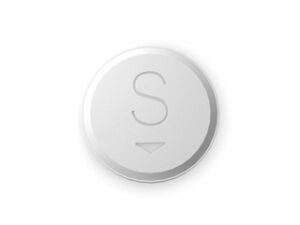
Mircette (Desogestrel / Ethinyl estradiol) – Patient Information (Australia)
Mircette is a combined oral contraceptive (COC) containing two hormones: desogestrel (a progestin) and ethinyl estradiol (an oestrogen). It is used to prevent pregnancy and can also help with certain menstrual symptoms in suitable people. This guide explains how Mircette works, how it’s taken, what to expect, and important safety information.
Quick product overview
| Feature | Information |
|---|---|
| Brand name | Mircette |
| Active ingredients | Desogestrel / Ethinyl estradiol |
| Type | Combined oral contraceptive (COC) |
| Typical regimen | Often a 21 active pill + 7 hormone-free days pattern (exact pack varies) |
| Main uses | Contraception; may help regulate cycles and symptoms such as dysmenorrhoea |
| How it prevents pregnancy | Stops ovulation and thickens cervical mucus |
How Mircette works (mechanism of action)
Mircette contains an oestrogen (ethinyl estradiol) and a progestin (desogestrel). Together, they help prevent pregnancy by:
- Suppressing ovulation: The hormones reduce the natural release of eggs from the ovaries.
- Thickening cervical mucus: Cervical mucus becomes less penetrable to sperm.
- Altering the uterine lining: Changes in the endometrium make implantation less likely.
- Cycle control: Many users notice more regular bleeding patterns and predictable withdrawal bleeds.
Pharmacokinetics (how the body handles the medicine)
While individual experiences vary, the general behaviour of Mircette’s hormones is understood from clinical pharmacology:
- Absorption: Both hormones are absorbed from the gastrointestinal tract after you take a tablet.
- Distribution: They distribute through the body and bind substantially to plasma proteins.
- Metabolism: Hormones are primarily metabolised in the liver.
- Elimination: Metabolites are removed from the body mainly through bile and urine.
- Steady state: Levels typically build over several days of consistent dosing.
In practical terms, the contraceptive effect depends on maintaining regular daily dosing. Missing active pills (or starting late) can reduce effectiveness.
What it’s used for (indications)
Mircette is indicated for:
- Prevention of pregnancy in people who choose an oral combined hormonal contraceptive method.
- Management of cycle-related symptoms such as irregular bleeding and symptoms associated with hormone fluctuations, where COC therapy is appropriate.
Your suitability depends on your personal risk factors (for example smoking, migraine type, clotting history, and other medical conditions). For ongoing safety, it’s important to review contraindications and warning signs.
Dose and how to take Mircette (timing and regimen)
Mircette is taken by mouth, once daily, at roughly the same time each day. Packs commonly follow a cycle with active tablets and a hormone-free interval, but the exact numbers in each pack can vary. Always follow the instructions on your specific pack and any accompanying consumer medicine information.
Typical approach (general guidance)
- Step 1: Start your first tablet according to the pack schedule (and your clinician/pharmacist guidance).
- Step 2: Take one tablet daily.
- Step 3: Continue through the active tablets and then the hormone-free days (if included in your pack), if applicable.
- Step 4: Start the next pack on time, even if bleeding has not finished.
Starting Mircette (common timing options)
There are different ways to start combined pills. The right method depends on your situation (for example switching from another contraceptive, postpartum timing, or starting after a miscarriage/abortion). In general:
- Quick start: Some people start immediately if pregnancy can be reasonably excluded.
- Day 1 start: Starting on the first day of your period is commonly used and may provide immediate protection.
- Switching: When changing from another hormonal method, follow the switch instructions provided with your product or by a clinician.
If you are not protected immediately, use condoms for a short time window (commonly the first 7 days of active pills, depending on starting day and prior method). If you’re unsure, ask a pharmacist for advice.
What to do if you miss a tablet
Missing pills is one of the most common reasons for contraceptive failure. The exact advice varies depending on how many pills were missed and where you are in the pack. As a general principle:
- Take the most recent missed tablet as soon as you remember, even if it means taking two in one day.
- Continue the rest of the pack at the usual time.
- Use extra contraception (such as condoms) for a period after missed pills.
- Consider emergency contraception if you had unprotected sex in the days before missed pills or you missed multiple tablets.
Because pack structures and “missed pill” rules can be complex, check the instructions for your exact Mircette pack or speak with a pharmacist.
Food interactions
Mircette is not known for major food–drug interactions. Taking it with food is generally acceptable and may help reduce nausea. However, certain medicines can affect hormone levels more than food does.
- Normal meals: Food is unlikely to significantly reduce effectiveness.
- Grapefruit: There is no specific requirement to avoid it for this product, but grapefruit can interact with some drugs via liver enzymes. If you use multiple medications, it’s sensible to check with a pharmacist.
Alcohol and medicine interactions
Moderate alcohol intake usually does not directly neutralise Mircette’s contraceptive action. However, alcohol can indirectly increase risk by causing missed doses or worsening nausea.
- Alcohol and adherence: If alcohol leads you to forget tablets, contraception reliability may be reduced.
- Vomiting/diarrhoea: Heavy vomiting soon after taking a tablet can reduce absorption. If this happens, follow “missed pill” guidance.
Medicine interactions (important)
Some medicines can reduce the effectiveness of combined oral contraceptives by increasing hormone breakdown in the liver. Others can increase side effects or change bleeding patterns.
Medicines that may reduce effectiveness
- Enzyme-inducing medicines (examples include some antiepileptics and certain medicines for TB/HIV): these can lower hormone levels.
- Some herbal products, particularly St John’s wort (Hypericum perforatum).
- Some antibiotics/antifungals: most do not significantly affect COCs, but certain regimens can. If you’re prescribed antibiotics, it’s worth asking whether backup contraception is needed.
Medicines that may be affected by COCs
- Some medications metabolised by the liver may have altered levels. Always inform healthcare professionals that you use a combined pill.
- For medicines such as warfarin (or other anticoagulants), hormone therapy can affect clotting management and bleeding risk.
If you start or stop any medicine, check interaction information and consider using condoms for the advised period. Keep a written list of your medicines and bring it to appointments.
Safety profile and when to seek medical advice
Like all hormonal contraceptives, Mircette has potential risks and benefits. Most people tolerate it well, but it may not be suitable for everyone.
Common side effects
- Nausea, breast tenderness
- Headache (including mild migraines in some)
- Changes in bleeding pattern (spotting or irregular bleeding, especially in the first 1–3 months)
- Mood changes
- Fluid retention
Serious risks (know the warning signs)
Combined pills slightly increase the risk of blood clots compared with not using hormonal contraception. While the overall absolute risk is low in healthy non-smokers, risk rises with certain factors.
Seek urgent medical attention if you notice signs that could indicate a blood clot, such as:
- Leg swelling or pain, warmth or redness (possible deep vein thrombosis)
- Sudden shortness of breath or chest pain (possible pulmonary embolism)
- Sudden weakness or numbness, facial droop, or difficulty speaking (possible stroke)
- Severe headache unlike usual, especially with visual symptoms
- Severe abdominal pain (rare)
Contraindications and situations requiring extra caution
Mircette may be unsuitable if you have certain medical histories. Examples of factors that may increase risk include:
- A history of blood clots (venous or arterial)
- Some heart or vascular diseases
- Migraine with aura
- Uncontrolled high blood pressure
- Smoking and age over 35 (increases clot risk substantially)
- Some liver diseases
- Breast cancer or other hormone-sensitive cancers (where applicable)
- Postpartum or after surgery periods where clot risk is higher (timing matters)
If any apply to you, discuss your contraceptive options with a pharmacist or clinician.
Practical use tips for best results
- Choose a consistent time: Many people take it at bedtime or with breakfast to build a routine.
- Use reminders: Phone alarms, calendar alerts, or pill organisers can help you avoid missed tablets.
- Know your pack: Identify which tablets are active and how your pack is structured.
- Plan for “sick days”: If you vomit soon after taking a tablet or have severe diarrhoea, treat it as a missed dose and seek advice.
- Take note of bleeding changes: Light spotting can occur early. Persistent or very heavy bleeding should be checked.
- Keep a pregnancy check plan: If you miss pills and have unprotected sex, consider testing at the appropriate time if withdrawal bleeding doesn’t occur.
Alternative options
If Mircette isn’t suitable (or you prefer a different method), there are several alternatives. Your best choice depends on your health, bleeding preferences, and pregnancy planning timeline.
Non-oral and long-acting options
- Hormonal IUD (e.g., levonorgestrel-releasing): long-acting, often improves bleeding.
- Copper IUD: hormone-free; may increase period bleeding for some.
- Implant (progestin-only): long-acting; bleeding patterns can vary.
Progestin-only pills
Progestin-only methods may be preferred for some people who cannot take oestrogen. They can have different timing rules than COCs, and missed-pill advice differs.
Other combined oral contraceptives
There are multiple COCs available with different progestins and oestrogen doses. Switching within COC options may improve side effects such as nausea or breakthrough bleeding.
Market and legal context for Australia
In Australia, contraceptive medicines are regulated and provided under the national medicines framework. Availability and listing can vary by supplier, and consumer access can depend on the product’s regulatory classification and local pharmacy policies.
You should also be aware of:
- Local product pack variants: Different markets may use different pack sizes or tablet counts.
- Australian guidance: Health professionals commonly refer to Australian contraceptive guidance and safety updates about hormonal contraception risks.
- Continuity of care: It’s recommended to keep a consistent brand when possible, to avoid confusion about pack timing.
Recent guidance and clinical updates (high-level)
Over recent years, guidance worldwide—and in Australia—has focused on:
- Assessing individual clot risk before and during combined hormonal contraception.
- Attention to migraine type (especially aura) and smoking status.
- Drug interaction awareness, particularly with enzyme-inducing medicines and herbal products.
- Clear “missed pill” instructions to reduce unintended pregnancy risk.
Recommendations may be updated as new evidence emerges. If you have questions about your specific risk factors, consult a pharmacist or clinician.
Delivery, availability, and what to expect
Online pharmacies in Australia may supply contraceptive medicines depending on availability, supplier stock, and local regulations. If Mircette is currently available, typical delivery expectations include:
- Order processing: Orders may be prepared and packed on business days.
- Shipping times: Delivery time depends on your state/territory and courier service.
- Product packaging: Tablets are usually supplied in original manufacturer packaging for safety and traceability.
- Packaging integrity: Ensure the outer packaging appears intact when it arrives.
Availability can change. If Mircette is temporarily out of stock, your online pharmacy may offer an alternative COC or help you choose another method.
FAQ
1) How effective is Mircette?
Effectiveness depends on correct, consistent daily use. With perfect use, combined pills are highly effective, but real-world effectiveness is affected by missed tablets and interactions. If you miss pills or start late, use backup contraception and seek advice promptly.
2) Will Mircette stop my periods?
Mircette typically causes a withdrawal bleed during the hormone-free interval (if your pack includes one). Some people may have lighter bleeds or occasional spotting, especially during the first months. If bleeding stops after you used the tablets correctly and didn’t miss doses, it’s often harmless—but if you missed pills or had unprotected sex, consider a pregnancy test.
3) Can I take Mircette if I’m breastfeeding?
Breastfeeding requires special consideration because hormones can affect milk supply and infant exposure. The best choice of contraception postpartum depends on how long you’ve been breastfeeding and your health history—ask a pharmacist or clinician for personalised guidance.
4) Does Mircette protect against sexually transmitted infections (STIs)?
No. Mircette does not protect against STIs. Condoms are recommended if STI risk exists.
5) What should I do if I vomit after taking Mircette?
If you vomit shortly after taking your tablet, you may not have absorbed it fully. Treat it as a missed tablet and follow the missed-pill guidance for your pack. If vomiting continues or you’re unsure, contact a pharmacist.
6) Can I drink alcohol while taking Mircette?
Moderate alcohol is usually not a direct problem. The main concern is adherence—avoid missed doses. If you develop vomiting or severe diarrhoea from alcohol or illness, consider whether your tablet may not have been absorbed and seek advice.
7) Will Mircette interact with antibiotics?
Most antibiotics do not significantly affect combined pills, but some may. If you’re prescribed an antibiotic (or any new medicine), check interactions with your pharmacist and consider backup contraception if advised.
8) What are the warning signs of serious side effects?
Seek urgent help for symptoms that could indicate a blood clot or stroke, such as sudden shortness of breath, chest pain, severe one-sided leg pain or swelling, sudden weakness/numbness, or severe unusual headache (especially with visual changes).
9) Can I switch to Mircette from another contraceptive?
Often yes, but timing matters to maintain contraceptive protection. Switching instructions depend on what you used previously (pill, patch, ring, injection, implant, or IUD). Ask a pharmacist to guide you safely.
10) How long does it take for Mircette to work?
It depends on when you start and whether you begin on the first day of your period or switch from another method. If not started with immediate protection, backup contraception is usually recommended for the first 7 days of active tablets (or as advised for your specific start method).
When to get help
Contact a pharmacist or clinician if you experience severe or persistent side effects, unusual bleeding patterns, or symptoms that concern you. If you’re unsure about a missed dose, drug interaction, or start timing, seeking advice can prevent unintended pregnancy.
Important: This information is intended as a general guide for patients. Always read the consumer medicine information included with your product. Suitability and dosing advice can vary based on individual health factors and the exact pack you receive.