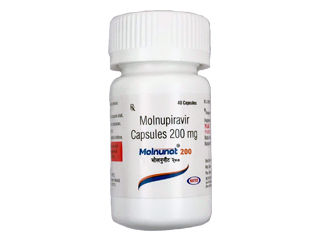

Molnunat (Molnupiravir) — Patient Guide (Australia)
Molnunat contains molnupiravir, an antiviral medicine used to help treat certain types of COVID-19 in adults. This guide explains how it works, how it’s taken, important safety considerations, and practical tips to help you use it effectively.
Note: This information is general and may not cover every situation. Always follow the instructions provided with your medicine and consult a healthcare professional if you have questions.
1) Basic product information
- Medicine name: Molnunat
- Active ingredient: Molnupiravir
- Type: Oral antiviral (capsules/tablets depending on local presentation)
- Common use: Treatment of mild-to-moderate COVID-19 in people at higher risk of progression to severe disease
- How it’s taken: By mouth, usually for a short course
- Availability: Availability can vary across Australian pharmacies and suppliers.
2) What is molnupiravir?
Molnupiravir is designed to interfere with how the SARS‑CoV‑2 virus replicates. By making critical changes to viral genetic material, it reduces the virus’s ability to multiply effectively.
3) How Molnunat works (Mechanism of action)
Molnupiravir is a “prodrug” that is converted in the body into an active form. The active form can be incorporated into viral RNA during replication. This leads to an increase in errors in the viral genetic code, which can:
- Reduce productive viral replication
- Lower the virus’s ability to spread within the body
- Contribute to viral “error catastrophe” (a loss of functional viral genomes)
In simple terms: Molnunat helps stop the virus from copying itself successfully, which may reduce the severity or duration of illness when started early enough.
4) When is Molnunat used? (Indications)
In Australia, molnupiravir is generally considered for adult patients with COVID-19 who are at higher risk of becoming seriously ill, when treatment can be started within the recommended time window.
Whether molnupiravir is the best option depends on factors such as:
- Your age and risk factors (for example, chronic conditions and immunocompromising conditions)
- Time since symptom onset or diagnosis
- Other medicines you take and potential interactions
- Availability of alternative therapies
5) Timing: how soon should you start?
For best results, antivirals for COVID-19 work best when started early. Molnupiravir is typically intended to be used as soon as possible after diagnosis and within the accepted treatment window used in clinical guidance.
- Best timing: as early as you can after symptom onset/confirmation, according to current guidance
- Follow local instructions: your pharmacy or clinician will advise the correct timing for your situation
Practical tip: If you think you may be eligible, organise testing and treatment promptly rather than waiting for symptoms to “settle.”
6) Typical dosing (adults)
Dosing regimens can change with updated guidance and product strength. Use only the dose that comes with your package or that was provided to you.
As commonly used for adult treatment courses, molnupiravir is taken for a short number of days in a fixed schedule. Your medication label will specify:
- The strength per dose
- How many capsules/tablets per dose
- How often to take it (e.g., twice daily)
- Total duration (e.g., 5 days for many protocols)
How to take it:
- Swallow capsules/tablets whole with water.
- Try to take doses at roughly the same times each day.
- Finish the full course even if you start to feel better.
7) Food interactions and taking with meals
Molnupiravir can generally be taken with or without food. However, to support adherence and reduce stomach upset, many people find it easier to take it with a meal or snack.
- If you’re nauseated: consider taking doses with food (unless your label advises otherwise).
- Maintain routine: eating at similar times each day can help you remember doses.
8) Alcohol and medicine interactions
Alcohol
There is no universal “allowed/not allowed” rule for alcohol with molnupiravir. However, since alcohol can worsen illness, dehydration, sleep, and stomach upset, it’s generally best to:
- Avoid alcohol during treatment if you can
- If you do drink, keep it minimal and ensure you stay hydrated
Interactions with other medicines
Molnupiravir has potential for drug interactions, although the interaction risk profile may be lower than for some other antivirals. Still, interactions can vary from person to person.
Tell your healthcare professional/pharmacist if you take:
- Regular prescription medicines
- Over-the-counter products (e.g., cold/flu medicines)
- Herbal preparations and supplements
- Hormonal therapies
Practical advice: Bring a list of your medicines (including dose and frequency). Your pharmacist can check for interaction risks specific to you.
9) Pharmacokinetics (how the body handles it)
Pharmacokinetics describes absorption, distribution, metabolism, and elimination. While exact values can differ by formulation and individual factors, the key concepts include:
- Absorption: Molnupiravir is absorbed after oral dosing and converted in the body to its active nucleoside metabolite.
- Activation: Enzymatic conversion produces the active form that can be taken up and used by viral replication machinery.
- Distribution: The active metabolite and related forms circulate through the body to reach tissues where viral replication occurs.
- Metabolism and elimination: Metabolites are cleared primarily via normal metabolic pathways and excreted from the body.
Clinical implication: Because the drug works by interfering with viral replication, maintaining the correct dosing schedule and early initiation are important.
10) Safety profile and side effects
Like all medicines, Molnunat can cause side effects. Most people experience mild or moderate effects, but serious reactions are possible. If you experience severe symptoms, seek urgent medical advice.
Common side effects
- Nausea
- Diarrhoea
- Headache
- Dizziness
- Fatigue
Serious side effects (seek urgent help)
Contact urgent medical services or seek immediate medical assistance if you develop signs of a severe reaction, such as:
- Allergic reaction symptoms (e.g., swelling of face/lips, difficulty breathing, widespread rash)
- Severe or persistent vomiting or dehydration
- Any other rapidly worsening health condition
Who needs extra caution?
Extra caution may be needed for individuals with:
- Significant liver disease or severe kidney impairment
- Complex medication regimens
- Pregnancy or who may become pregnant (see below)
- Breastfeeding (discuss with a clinician)
11) Pregnancy, breastfeeding, and fertility-related considerations
Molnupiravir has important considerations for people who are pregnant, trying to conceive, or who may become pregnant, as well as for breastfeeding. Because of potential concerns, guidance in many settings includes careful risk–benefit discussion and contraception planning.
Before using:
- Discuss pregnancy status and family planning with a healthcare professional.
- Discuss breastfeeding and infant exposure concerns with a healthcare professional.
- Use appropriate contraception measures as advised by your healthcare team.
If you become pregnant during the course of treatment, contact a healthcare professional promptly for advice.
12) Practical use tips
- Start early: begin the medicine as soon as you are advised it’s appropriate for you.
- Use a schedule: set alarms for each dose to avoid missed doses.
- Do not double up: if you miss a dose, follow the instructions on your medicine label or consult your pharmacist for guidance.
- Stay hydrated: diarrhoea or reduced appetite can lead to dehydration—sip fluids regularly.
- Monitor symptoms: track fever, breathing symptoms, oxygen saturation if you have a device, and overall wellbeing.
- Continue isolation precautions: treatment does not remove the need for infection-control measures.
13) Overdose and missed dose guidance
If you take more than the recommended dose, contact a healthcare professional or call relevant emergency services immediately. In Australia, you can contact Poison Information Centres for advice.
For missed doses, the best approach depends on how far you are from the next dose. Your package instructions or pharmacist can advise you specifically.
14) Alternative options for COVID-19 treatment in Australia
Different antivirals and supportive treatments may be available depending on risk profile, timing, and eligibility criteria. Alternatives may include:
- Antiviral tablets such as nirmatrelvir/ritonavir (when appropriate and available)
- Other therapies recommended based on local guidance and patient factors
- Supportive care (hydration, symptom relief, monitoring) for many patients
Choice of therapy depends strongly on interactions, timing, kidney/liver function, and availability. Your pharmacist can help explain which options are suitable for you and why.
15) Market and legal context in Australia (what to expect)
In Australia, availability, prescribing/dispensing pathways, and eligibility criteria for COVID-19 treatments are determined by national health authorities and regulatory guidance. Medicines like molnupiravir may be provided through specific pathways during periods of increased need.
Key practical points:
- Supply and eligibility can vary by time, demand, and clinical recommendations.
- Information may update as evidence and guidance evolve.
- Pharmacies may need to verify eligibility criteria before dispensing.
16) Recent guidance (high-level overview)
COVID-19 treatment recommendations can change as variants emerge, new clinical data becomes available, and public health guidance is updated. In general, guidance emphasises:
- Early treatment for higher-risk individuals
- Matching the right therapy to the right patient (including interaction checks)
- Monitoring for deterioration and escalation of care when needed
For the most current advice, refer to official Australian health sources and speak with a healthcare professional.
17) Delivery, availability, and packaging
Online pharmacy delivery practices depend on supplier arrangements and local compliance requirements. When available, Molnunat may be supplied as a course packaged for the full treatment duration.
Typical delivery and handling considerations:
- Check stock availability: Molnunat supply can vary.
- Delivery time: depends on your location and the courier used.
- Storage instructions: follow the label. Many oral medicines are stored at room temperature, but always confirm on the product packaging.
- Keep medicines in original packaging to protect from moisture/light and to maintain label clarity.
If you have urgent symptoms: if you feel seriously unwell, breathing becomes difficult, or you are worsening quickly, seek urgent medical care rather than relying on delivery timelines.
18) Summary table (quick reference)
| Topic | What you should know |
|---|---|
| Medicine | Molnunat (molnupiravir) |
| Condition | Treatment of COVID-19 in higher-risk adults, when started early |
| How it works | Increases errors in viral RNA replication, reducing ability to reproduce |
| Typical course | Short fixed-duration course as directed by your label and guidance |
| Timing | Best started as soon as possible within the recommended treatment window |
| Food | Usually can be taken with or without food |
| Alcohol | Generally best to avoid during illness and treatment; minimise if you choose to drink |
| Key safety | Common: nausea/diarrhoea/headache. Seek urgent help for severe allergic or worsening symptoms |
| Special groups | Discuss pregnancy, breastfeeding, kidney/liver issues, and complex medication regimens |
19) FAQ — Frequently asked questions
Is Molnunat the same as molnupiravir?
Yes. Molnunat is a brand name that contains molnupiravir as the active ingredient.
How quickly does it work?
Antivirals work best when started early. People may notice symptom changes over days, but individual responses vary. If symptoms are worsening or breathing is affected, seek medical advice promptly.
Can I take Molnunat with food?
In most cases, it can be taken with or without food. If you experience nausea, taking it with food may be more comfortable.
What should I do if I miss a dose?
Check the instructions on your medicine label for what to do in your specific situation. If you’re unsure, contact your pharmacist for guidance. In general, avoid taking an extra dose to “catch up” unless instructed.
Can I drink alcohol while taking Molnunat?
It’s generally advisable to avoid alcohol during illness and treatment. If you choose to drink, keep it minimal and ensure good hydration. If you have liver problems or feel unwell, avoid alcohol and seek advice.
Does Molnunat interact with other medicines?
Potential interactions depend on your medication list. Tell your pharmacist about all medicines and supplements you use so they can check compatibility.
Who should not take Molnunat?
Eligibility depends on your overall health, kidney/liver function, pregnancy status, breastfeeding status, and specific clinical criteria. Discuss with a healthcare professional to confirm suitability.
What if I’m breastfeeding?
Discuss breastfeeding with a healthcare professional before using molnupiravir. Guidance may involve weighing risks and benefits and considering timing of doses.
What are the signs that I should seek urgent medical care?
Seek urgent medical attention if you develop:
- Difficulty breathing, chest pain, or severe shortness of breath
- Signs of severe allergic reaction (swelling of face/lips, hives with breathing difficulty)
- Persistent vomiting leading to dehydration
- Rapid clinical worsening or confusion
Is Molnunat available for delivery in Australia?
Availability depends on current stock and supply arrangements. When available, online pharmacies may deliver to your address under applicable regulations. Delivery times vary by location.
What should I do if my symptoms don’t improve?
If symptoms persist, worsen, or you develop new concerning symptoms, contact a healthcare professional. COVID-19 can change quickly, especially in higher-risk individuals.
Important final note
Molnunat (molnupiravir) is an antiviral intended to treat COVID-19 in suitable patients when used within the recommended timeframe. Always follow the advice provided with your medicine and seek urgent help if your condition deteriorates.