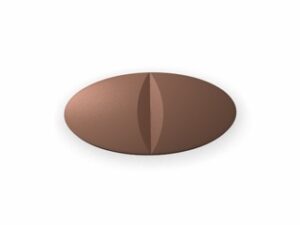

Nortriptyline (Nortriptyline Hydrochloride) — Patient Information (Australia)
Nortriptyline is a medicine used to treat certain mood and pain conditions. It belongs to the group of drugs called tricyclic antidepressants (TCAs). In Australia, nortriptyline is commonly used when a clinician believes it is appropriate for the specific condition being treated, including some types of nerve-related pain and migraine prevention.
This page provides patient-friendly information about how nortriptyline works, how it is used, key safety points, and practical tips. Always follow the instructions given by your healthcare professional and the product label.
Basic Product Information
| Item | Information |
|---|---|
| Generic name | Nortriptyline (as Nortriptyline Hydrochloride) |
| Medicine type | Tricyclic antidepressant (TCA) |
| Common forms | Tablets (strengths vary by brand) |
| How it works | Adjusts brain chemicals involved in mood and pain signalling |
| Typical uses | Depression; prevention of migraine; nerve pain (e.g., neuropathic pain) |
| Availability | Available through Australian pharmacies; availability depends on brand and stock |
How Nortriptyline Works (Mechanism of Action)
Nortriptyline helps treat certain conditions by influencing the balance of chemical messengers in the brain. While exact effects vary by person and condition, nortriptyline is known to:
- Increase levels of neurotransmitters (such as noradrenaline and, to a lesser extent, serotonin) by reducing their reuptake.
- Block certain receptors that can affect pain signalling, sleep quality, and mood.
- Modulate nerve pain pathways, which is why it can be used for neuropathic pain and some chronic pain syndromes.
For many patients, improvement is gradual, especially for mood symptoms and longer-term pain control.
Pharmacokinetics (Absorption, Distribution, Metabolism, Elimination)
Understanding how the body handles nortriptyline can help explain why it takes time to work and why dosing adjustments may be needed. Typical pharmacokinetic features include:
- Absorption: Nortriptyline is absorbed after taking tablets by mouth. Food may slightly affect absorption speed in some people.
- Distribution: It distributes throughout body tissues and can cross into the brain.
- Metabolism: Nortriptyline is primarily processed by the liver, involving enzyme systems.
- Elimination: Metabolites are cleared by the kidneys and other pathways.
- Half-life: Nortriptyline has a relatively long half-life, which supports once- or twice-daily dosing for many patients.
Clinicians may consider liver function, other medicines, and overall health when selecting a dose—because interactions can change nortriptyline levels. In some cases, therapeutic drug monitoring may be used by specialists.
What Nortriptyline Is Used For (Indications)
Nortriptyline is used for multiple conditions. Common indications include:
- Depression (to help improve mood and associated symptoms).
- Prevention of migraine in some patients.
- Neuropathic pain and other chronic nerve-related pain conditions (e.g., burning, shooting pain, nerve injury–type pain).
- Other pain syndromes where a clinician determines a TCA may be beneficial.
Your exact treatment goal (mood vs pain prevention) influences how and when the dose is started and adjusted.
Typical Timing and How to Take It
Nortriptyline can be taken once or more often depending on your prescribed regimen. Many people take it in the evening because it may cause drowsiness or help with sleep.
General timing tips
- Take consistently: Try to take it at the same time each day.
- Evening dose (common): If it makes you sleepy, take it in the evening.
- Starting phase: Some side effects (such as dry mouth or feeling drowsy) may be more noticeable early on.
- Do not stop suddenly: Stopping abruptly can cause problems; discuss changes with your clinician.
How long until it works?
- Depression: Some improvement may occur within 1–2 weeks, but a fuller benefit often takes several weeks.
- Neuropathic pain/migraine prevention: Improvement may take days to a few weeks, depending on dose and condition.
Dosing (How Doses Are Commonly Adjusted)
Dosing must be individualised. The “right dose” for you depends on your age, symptoms, other medicines, and your response. A clinician may start with a low dose and increase slowly to reduce side effects.
Important dosing principles
- Start low, go slow: A gradual dose increase can improve tolerability.
- Use the exact dose on your label: Do not change the dose without professional advice.
- Consider age and frailty: Older adults may need lower doses due to sensitivity and interaction risk.
- Watch for side effects: Dizziness, sleepiness, dry mouth, constipation, or changes in heart rate can influence adjustments.
Missed dose
- If you miss a dose, take it when you remember unless it is close to your next dose.
- Do not take a double dose to “catch up”.
- If you are unsure, check with your pharmacist.
Food Interactions and Eating Habits
Nortriptyline may be taken with or without food. For many people, taking it with food can help reduce stomach upset. However, if your prescriber or label provides specific instructions, follow those.
- General approach: Choose a consistent routine (either with meals or without) that suits you.
- Grapefruit and related products: Some medications interact with fruit or juice via liver metabolism pathways. Check for interactions with your pharmacist if you regularly consume grapefruit/grapefruit juice.
Alcohol and Medicine Interactions
Alcohol
Avoid or minimise alcohol while taking nortriptyline. Alcohol can increase drowsiness, worsen coordination, and may impair judgement—raising safety risks, especially when driving or operating machinery. Alcohol may also affect mood stability.
Other medicine interactions (important)
Nortriptyline can interact with many medicines due to effects on metabolism and the nervous system/heart rhythm. Tell your healthcare professional about all medicines you take, including over-the-counter products and supplements.
Common interaction categories include:
- Other antidepressants and serotonergic medicines (risk of increased serotonin effects or other complications).
- MAO inhibitors (a serious interaction risk—requires careful management and usually cannot be combined).
- Medicines that affect heart rhythm (some antiarrhythmics, certain antibiotics, and other QT-prolonging drugs).
- Medications that slow metabolism of nortriptyline (may increase nortriptyline levels and side effects).
- Medicines that increase sedation (e.g., some antihistamines, opioids, benzodiazepines), increasing drowsiness risk.
- Anticholinergic medicines (may worsen dry mouth, constipation, blurred vision, or urinary retention).
- Stimulants and thyroid medicines (may affect heart rate and sensitivity).
Herbal and supplement interactions
- St John’s wort may interact with antidepressants and can affect drug levels.
- Other “natural” products can also interact—check with a pharmacist.
Safety Profile: Side Effects and When to Seek Help
Like all medicines, nortriptyline can cause side effects. Many are mild and improve as your body adjusts, but some require urgent attention. Use the guidance below as a starting point.
Common side effects
- Dry mouth
- Drowsiness or fatigue
- Dizziness (especially when standing)
- Constipation
- Blurred vision
- Increased sweating
- Weight changes (can vary)
- Tremor or changes in appetite
Less common but serious risks
- Heart rhythm problems: Nortriptyline can affect electrical activity in the heart in some people.
- Low blood pressure: Dizziness or fainting can occur, particularly early in treatment or after dose changes.
- Severe allergic reaction: swelling, rash, breathing difficulty.
- Confusion or unusual agitation: especially if combined with other interacting medicines.
- Overdose risk: Tricyclic antidepressants can be dangerous in overdose. Store safely and avoid taking extra tablets.
Seek urgent medical help if you notice
- Chest pain, fainting, or a very irregular heartbeat
- Severe dizziness or collapse
- Signs of an allergic reaction (swelling of face/lips, breathing difficulty)
- Seizure
- Severe confusion or uncontrolled shaking
Suicidal thoughts and mood changes (important)
Antidepressants can sometimes affect mood early in treatment. If you (or someone close to you) notice worsening mood, agitation, or suicidal thoughts, seek prompt medical advice. This is particularly important for younger patients, but can occur at any age.
Practical Use Tips (How to Improve Comfort and Safety)
Managing dry mouth
- Consider sugar-free gum or lozenges.
- Stay well hydrated.
- Discuss saliva substitutes with your pharmacist if needed.
Reducing constipation
- Increase dietary fibre and water intake.
- Stay active if possible.
- Ask a pharmacist about suitable laxatives if constipation becomes troublesome.
Handling drowsiness and dizziness
- Avoid alcohol and sedating drugs unless specifically approved.
- Be careful when getting up from sitting or lying positions.
- Until you know how nortriptyline affects you, avoid driving or hazardous tasks.
Cardiac and medical considerations
- Tell your clinician if you have a history of heart rhythm issues, heart disease, or fainting.
- If you feel palpitations, seek medical advice promptly.
Adherence matters
Consistent dosing is important, especially when using nortriptyline for pain prevention or depression. If side effects are interfering with daily life, don’t simply stop—speak to your clinician or pharmacist promptly about adjustments.
Alternative Options (Discuss With Your Clinician)
Depending on whether nortriptyline is being used for depression, migraine prevention, or neuropathic pain, alternative treatments may include other medication classes and non-drug approaches. Your clinician can advise on options suited to your symptoms and medical history.
Medication alternatives (examples)
- Other tricyclic antidepressants: e.g., amitriptyline (may have a different side-effect profile).
- Other antidepressant/neuropathic pain medicines: e.g., duloxetine or venlafaxine (depending on indication).
- Anticonvulsants used for nerve pain: e.g., pregabalin or gabapentin (case-dependent).
- Specific migraine preventives: various classes may be used depending on patient factors.
Non-medicine options
- Physiotherapy, exercise programs, and pain management strategies for neuropathic pain.
- Sleep optimisation, stress reduction, and trigger tracking for migraine prevention.
- Psychological therapies for depression and coping with chronic pain.
The “best” alternative depends on your diagnosis, other conditions, and the medicines you already take.
Market and Legal Context for Australia (General Overview)
In Australia, the prescribing and supply of medicines follow strict national and state/territory regulations, with medicines classified for supply based on safety considerations. For patients, it’s important to:
- Use only medicines supplied through legitimate Australian channels.
- Confirm the product name and strength match what your clinician intended.
- Ensure you understand how to take it and what to watch for.
- Ask questions—pharmacists are trained to help with medicine use, interactions, and side effect management.
Online pharmacy availability, stock timing, and delivery options can vary depending on local fulfilment processes and product logistics. Always check the product page and delivery information provided at checkout.
Recent Guidance and Monitoring Considerations
Over time, clinical practice evolves based on new evidence, safety updates, and prescribing standards. In general, modern guidance emphasises:
- Individualised dosing and slow titration to minimise side effects.
- Reviewing interactions with every medication change (including over-the-counter and supplements).
- Attention to heart rhythm risk in people with cardiac risk factors.
- Close follow-up during the first weeks of mood treatment and after dose changes.
- Patient education on not stopping abruptly and what side effects are expected vs urgent.
If you’re concerned about your therapy or your symptoms change, contact your healthcare professional for tailored advice.
Delivery and Availability (Australia)
Nortriptyline availability depends on brand, strength, and current pharmacy stock levels. At an online pharmacy, you may see:
- In-stock vs back-order indicators depending on supplier fulfilment.
- Estimated dispatch times and delivery timeframes by location.
- Secure packaging to protect tablets during transit.
Delivery timelines can vary based on public holidays and courier conditions. Review the shipping details on your order page before confirming. If the product is unavailable, the pharmacy may contact you or offer alternatives.
Always store nortriptyline at room temperature in a dry place, keep it out of reach of children, and check the expiry date.
FAQ — Frequently Asked Questions
1) Is nortriptyline the same as other antidepressants?
Nortriptyline is a tricyclic antidepressant (TCA). Other antidepressants exist in different classes (SSRIs, SNRIs, etc.) and may have different side-effect profiles and interaction risks. Your clinician will choose an option based on your condition and your personal risk factors.
2) When should I take nortriptyline?
Many people take it in the evening, especially if it causes drowsiness. Follow your label or clinician’s directions. If you experience daytime sleepiness, talk to your pharmacist or clinician about whether timing or dose adjustment is appropriate.
3) Can I take nortriptyline with food?
Yes—nortriptyline can usually be taken with or without food. If it upsets your stomach, taking it with food may help. Keep timing consistent for best routine.
4) What alcohol interactions should I be aware of?
It’s best to avoid or limit alcohol because it can increase drowsiness and reduce safety. Alcohol can also worsen sleep and mood in some people.
5) What are the most common early side effects?
Dry mouth, constipation, dizziness, and sleepiness are among the more common early effects. These may improve as your body adapts, but tell your clinician if they are severe or persistent.
6) How long does it take to work for depression or nerve pain?
Depression often improves gradually over several weeks. For nerve pain and migraine prevention, benefit may also take days to weeks. If there is no improvement after an appropriate trial, discuss next steps with your clinician.
7) What should I do if I miss a dose?
Take it when you remember unless it is close to the next dose. Do not double up. If you’re unsure, consult your pharmacist for advice specific to your dosing schedule.
8) Can I stop nortriptyline suddenly?
It’s generally not recommended to stop suddenly without advice. Stopping abruptly can lead to withdrawal-like symptoms and a return of symptoms. If you want to stop, discuss a safe tapering plan with your clinician.
9) Who should be extra careful with nortriptyline?
People with heart rhythm problems, a history of fainting, liver disease, those taking interacting medicines, older adults, and those who are sensitive to drowsiness should use caution and may require closer monitoring.
10) Are there alternatives if I can’t tolerate it?
Yes. Alternatives may include other antidepressants, nerve pain medications, or non-drug strategies depending on your condition. Talk to your clinician about what best fits your symptoms and side-effect concerns.
Key Takeaways
- Nortriptyline is a tricyclic antidepressant used for depression and certain chronic pain conditions (including neuropathic pain) and migraine prevention.
- Effects typically build gradually, so give it time as directed.
- Common side effects include dry mouth, constipation, and drowsiness—many improve with dose adjustment and routine.
- Avoid alcohol and be careful with medicines that cause sedation or affect heart rhythm.
- Seek urgent help for serious symptoms such as chest pain, fainting, severe allergic reactions, or seizures.
- Use consistent daily timing and follow your healthcare professional’s instructions.