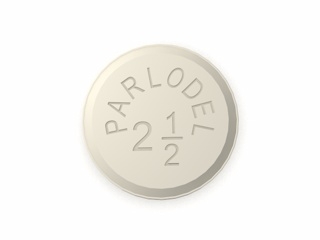


Parlodel (Bromocriptine) – Patient Information (Australia)
Parlodel is a brand of bromocriptine, a medicine used for several hormone-related and neurological conditions. It works by affecting brain pathways that control prolactin (a hormone made by the pituitary gland) and, in certain doses, dopamine signalling that is important for conditions such as Parkinson’s disease.
This page is designed to help you understand how Parlodel works, when it is used, and what to consider for safe, practical use. For personalised advice, speak with your doctor or pharmacist.
Basic product information
| Item | Information |
|---|---|
| Medicine name | Parlodel |
| Active ingredient | Bromocriptine (as bromocriptine mesylate) |
| Medicine type | Dopamine receptor agonist (also lowers prolactin) |
| Common dosage forms | Tablets (strengths vary by product/market availability) |
| How it is taken | By mouth, usually with food to improve tolerability (for some uses) |
| Availability (Australia) | Supply depends on brand availability and stock; your pharmacist can advise |
How Parlodel works (mechanism of action)
Bromocriptine is a dopamine receptor agonist. Dopamine is a chemical messenger used by the brain and pituitary gland to control many functions, including hormone production.
- Prolactin reduction: In the pituitary, bromocriptine stimulates dopamine receptors, which decrease prolactin secretion.
- Neurological effects: In the brain, dopamine receptor stimulation can help restore balance in dopamine pathways that are disrupted in Parkinson’s disease and related conditions.
In simpler terms, Parlodel helps “switch down” high prolactin levels and can improve movement symptoms in dopamine-responsive neurological conditions.
Pharmacokinetics (how the body processes it)
Pharmacokinetics describes what happens to a medicine after you swallow it—absorption, distribution, metabolism, and elimination.
- Absorption: Bromocriptine is absorbed after oral administration, but the extent and speed of absorption can vary between individuals.
- Distribution: It distributes into body tissues and can cross into brain-related pathways that are relevant to its effects.
- Metabolism: Bromocriptine is extensively metabolised (mainly in the liver) to inactive or less active metabolites.
- Elimination: Metabolites are eliminated primarily via the faeces and urine.
- Half-life: The time taken for the body concentration to reduce by half is variable; dosing schedules are designed to maintain symptom control.
Because metabolism occurs in the liver, medicines that affect liver enzymes may alter bromocriptine levels (see “Medicine interactions” below).
Typical uses and indications
Parlodel may be used for a range of conditions where reducing prolactin or boosting dopamine signalling is beneficial. Common indications include:
- Hyperprolactinaemia: Conditions where the body produces too much prolactin, such as:
- Prolactin-secreting pituitary tumours (prolactinomas)
- Galactorrhoea (unwanted breast milk production) not due to normal pregnancy and breastfeeding
- Menstrual disturbances or fertility problems related to high prolactin
- Parkinson’s disease: To reduce symptoms such as stiffness and slowness in selected patients (often alongside other medicines).
- Restless legs syndrome (where applicable): Depending on local clinical practice and guidance, dopamine agonists may be considered for restless legs, though suitability varies per person.
- Postpartum management in selected settings: In some circumstances, bromocriptine has been used to reduce or suppress lactation. This is generally situation-dependent and should follow clinician guidance.
The exact “best fit” indication and dose differ by person, symptom severity, and other medicines you take.
When and how to take Parlodel (timing and practical schedule)
Follow the dosing schedule provided by your clinician. If you’re unsure, ask your pharmacist. In general, the timing aims to improve tolerability and maintain consistent effect.
Starting doses
Many patients start on a lower dose and gradually increase (“titration”) to reduce side effects such as dizziness or nausea.
With food or without food
For some people, taking Parlodel with food or right after meals can reduce gastrointestinal upset. Your pharmacist can tell you the most suitable approach for your specific regimen.
Consistency
- Try to take doses at similar times each day.
- If you miss a dose, do not double up unless your clinician/pharmacist advises it.
If you are using Parlodel for Parkinson’s disease, dose timing may be adjusted to match periods of symptoms.
Food interactions
Food can influence how comfortable some people find bromocriptine and, in some cases, absorption. Practical advice:
- Take with food if nausea occurs. Many patients find this improves tolerance.
- Stay consistent. If you’ve chosen to take it with meals, try not to switch abruptly to taking it on an empty stomach.
- Grapefruit and related products: Grapefruit can affect certain drug-metabolising enzymes. While evidence is not always specific for bromocriptine, it’s wise to limit grapefruit products unless your pharmacist says it’s fine.
If you have digestive conditions (e.g., reflux, ulcers) or you frequently experience nausea, discuss timing strategies with your pharmacist.
Alcohol and medicine interactions
Alcohol
Alcohol may increase side effects such as drowsiness, dizziness, or impair judgement. Because Parlodel acts on dopamine pathways, combining alcohol with your medicine may make you feel worse than expected.
- Limit or avoid alcohol until you know how Parlodel affects you.
- Be cautious with driving or operating machinery if you feel light-headed.
Other medicines that may interact
Bromocriptine levels and effects can change with medicines that influence liver enzymes or dopamine pathways. Examples include:
- Strong inhibitors or inducers of liver enzymes (including certain antifungals, antibiotics, and antivirals) may alter bromocriptine concentration.
- Other dopamine antagonists (some antipsychotics and anti-nausea medicines) may reduce bromocriptine’s effect.
- Medicines that lower blood pressure may increase risk of dizziness or fainting, especially when starting.
- Antiemetics: Some nausea medicines can counteract dopamine agonists; your pharmacist can advise which are safer with your treatment.
This is not a complete list. Tell your pharmacist about all medicines and supplements you use, including herbal products.
Dosing: what to expect
Dosing is individual. Your doctor may tailor the dose based on your condition (e.g., prolactin reduction vs Parkinson’s disease), your response, and tolerability.
General principles
- Start low, increase slowly if side effects occur.
- Regular monitoring may be needed for hormone levels (for hyperprolactinaemia) or symptom control (for Parkinson’s).
- Do not change dose without medical advice.
Typical dosing patterns (illustrative)
Exact strengths and schedules depend on your prescribed product and indication. In many regimens, doses are taken once or more daily, sometimes split across the day.
- Hyperprolactinaemia: often requires gradual titration to achieve target prolactin levels.
- Parkinson’s disease: often begins with low doses and increases based on motor symptoms and side effects.
If you would like, you can ask your pharmacist to explain your specific dose schedule and what “titration” means in your case.
Safety profile: common and serious side effects
Like all medicines, Parlodel can cause side effects. Many are dose-related and improve as your body adjusts, but some effects require urgent attention.
Common side effects
- Nausea or upset stomach
- Dizziness, light-headedness
- Headache
- Fatigue
- Low blood pressure, especially on standing
- Vomiting (less common)
Important warnings to discuss
- Fainting or severe dizziness: Seek advice if you feel like you may pass out.
- Sudden sleepiness: Some people taking dopamine agonists may experience unexpected sleep episodes—use caution with driving.
- Impulse control problems: Rarely, behaviours such as compulsive gambling, increased libido, binge eating, or compulsive shopping may occur. Tell your clinician promptly.
When to seek urgent help
Get urgent medical attention if you experience symptoms such as:
- Chest pain, severe shortness of breath, or signs of stroke
- Severe headache, vision changes, or confusion
- Persistent vomiting with dehydration
- Severe allergic reaction (swelling of face/lips, trouble breathing, widespread rash)
Practical use tips (to improve comfort and safety)
- Rise slowly: If you feel dizzy, stand up slowly from sitting or lying positions.
- Start at the recommended dose: Many side effects are more likely when starting too high.
- Manage nausea: Taking with food and using gradual titration can help.
- Monitor symptoms: Keep notes of side effects and symptom changes, especially during dose changes.
- Safety with driving: Until you know how Parlodel affects you, be cautious with driving and machinery.
- Do not stop suddenly: If you need to discontinue, discuss a plan with your clinician—abrupt changes may cause issues.
Stopping or missed doses
If you miss a dose, take it when you remember unless it’s close to the next dose. In many cases, do not double dose to make up for a missed tablet. Because instructions can vary by regimen, follow the advice provided with your medicine or by your pharmacist.
If you intend to stop, seek advice first. Sudden discontinuation of dopamine agonists may lead to worsening symptoms or discomfort in some patients.
Alternative options to consider
Depending on the condition being treated, there may be alternatives to bromocriptine. Your clinician will choose based on effectiveness, side effects, and your medical history.
For raised prolactin (hyperprolactinaemia)
- Cabergoline: Another dopamine agonist often used for prolactin-related conditions.
- Other specialist approaches: Sometimes surgery or radiotherapy may be considered for pituitary tumours, depending on size and response to medicines.
For Parkinson’s disease
- Other dopamine agonists (selected options depend on your condition and side-effect risk)
- Levodopa-containing regimens (often used for Parkinson’s symptom control)
When restless legs is involved
- Alternative medicines may be considered based on your symptoms and tolerability.
Do not switch medicines on your own. If you’re experiencing side effects or your treatment isn’t working well, discuss options with your doctor or pharmacist.
Market and legal context (Australia)
In Australia, medicines such as Parlodel (bromocriptine) are regulated within the Pharmaceutical Benefits Scheme (PBS) and/or subject to prescription medicine requirements depending on product strength and indication. Availability, dispensing rules, and supply arrangements can vary.
- Regulatory oversight: Medicines in Australia are regulated by the Therapeutic Goods Administration (TGA).
- Dispensing status: Parlodel is typically supplied through authorised pharmacy channels under appropriate clinical supervision.
- Stock availability: Online pharmacies may have variable stock depending on strength and manufacturer supply.
Always ensure you purchase from a reputable Australian pharmacy. If you’re unsure about product authenticity or delivery timelines, ask customer service or check details with your pharmacist.
Recent guidance and monitoring (general expectations)
While product-specific advice should come from your clinician, there are consistent themes in current clinical safety practice for dopamine agonists:
- Start low and titrate slowly to reduce dizziness and nausea.
- Assess risks related to sleepiness and impulse control, particularly in Parkinson’s disease treatment.
- Monitor blood pressure during dose changes if you experience light-headedness.
- For prolactin-related conditions: monitor prolactin levels and, when relevant, pituitary imaging/tumour response as advised.
If you have been asked to attend follow-up appointments or lab tests, it’s to ensure the benefits outweigh risks and that your dose remains appropriate.
Delivery and availability (online pharmacy considerations)
Availability of Parlodel can depend on:
- Manufacturing schedules and wholesaler supply
- Required tablet strength and pack size
- Regional dispensing and delivery windows
When you order online, confirm:
- Strength and pack size match what you need
- Delivery timeframes for your location
- Cooling/storage requirements (most tablets do not require refrigeration, but always follow label instructions)
- Substitution rules if an alternative brand or pack size is considered
If a product is temporarily out of stock, a pharmacist can usually help with options, such as waiting for replenishment or discussing an alternative.
Storage
- Keep tablets in their original packaging until use.
- Store at room temperature, away from moisture and heat.
- Keep out of reach of children.
- Check the expiry date on the pack; don’t use expired medicine.
FAQ
1) What is Parlodel used for?
Parlodel (bromocriptine) is used for conditions related to high prolactin levels (like prolactinomas and galactorrhoea) and for certain neurological conditions such as Parkinson’s disease. The exact indication determines the dose and monitoring plan.
2) How long does it take to work?
Some effects may be noticed within days, but for prolactin-related conditions, hormones may take longer to normalise. Your clinician may recheck blood levels after a suitable time. Parkinson’s symptom improvement may also build over weeks, depending on titration.
3) Should I take Parlodel with food?
Many people find it easier on the stomach when taken with food. However, some regimens may have specific instructions. Follow your pharmacist’s guidance and the label directions.
4) What should I do if I feel dizzy?
Sit or lie down immediately if you feel faint. Stand up slowly when you get up. If dizziness is severe or persists, contact your pharmacist or doctor—dose adjustment may be needed.
5) Can I drive while taking Parlodel?
Use caution, especially at the beginning of treatment or after dose increases. If you feel unusually sleepy or have sudden sleep episodes, do not drive and seek medical advice.
6) Is it safe to drink alcohol?
Alcohol can increase dizziness and sleepiness. It’s best to limit or avoid alcohol until you know how Parlodel affects you.
7) Are there interactions with other medicines?
Yes. Some medicines can affect bromocriptine levels or counteract dopamine effects. Tell your pharmacist about all prescriptions, over-the-counter products, and supplements—especially antipsychotics, certain anti-nausea medicines, and medications that affect liver enzymes.
8) What side effects are most common?
Common side effects include nausea, dizziness, headache, fatigue, and sometimes low blood pressure. Many are reduced with slow dose titration and taking the medicine with food.
9) What signs mean I should seek urgent care?
Seek urgent medical help for severe symptoms such as chest pain, trouble breathing, signs of stroke, severe allergic reactions, persistent vomiting/dehydration, or sudden severe headache/vision changes.
10) What alternatives exist if Parlodel doesn’t suit me?
Alternatives depend on the condition being treated. For prolactin-related conditions, cabergoline is often considered. For Parkinson’s disease, there are other dopamine agonists and levodopa-based options. Your clinician can advise based on your circumstances.
Important: This information is general and may not cover every situation. Always read the Consumer Medicine Information (CMI) provided with your medicine and follow instructions from your healthcare professional.