

Ponstel (Mefenamic Acid) — Patient Information (Australia)
Ponstel contains the active ingredient mefenamic acid, a non-steroidal anti-inflammatory drug (NSAID). It is used to help relieve certain types of pain and inflammation, most commonly associated with painful periods (dysmenorrhoea). This page explains how Ponstel works, how to take it safely, what to watch for, and what alternatives may be considered in Australia.
Key product information
- Brand name: Ponstel
- Active ingredient: Mefenamic acid
- Medicine type: NSAID (anti-inflammatory pain reliever)
- Common reasons for use: Painful periods, other types of mild to moderate pain where an NSAID is appropriate
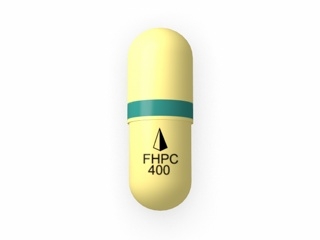
- Forms: Oral capsules/tablets may vary by supplier and availability
- How it’s supplied in Australia: Availability can vary by pharmacy and local supply; your pharmacist can confirm current options
Note: Always check the exact strength and directions printed on the pack, or provided by your pharmacist.
How Ponstel works (mechanism of action)
Mefenamic acid works by reducing the production of certain chemicals in the body called prostaglandins. Prostaglandins are involved in:
- Pain signalling (increasing sensitivity to pain)
- Inflammation (swelling and tenderness)
- Uterine muscle activity during menstruation (commonly linked to cramps)
By inhibiting enzymes involved in prostaglandin production (COX pathways), Ponstel can lower pain and inflammation, and may reduce menstrual cramping.
Pharmacokinetics (how the body handles it)
Understanding how mefenamic acid behaves in the body can help explain timing and effects. While individual experiences vary, the general pattern is:
| Topic | What typically happens |
|---|---|
| Absorption | After oral dosing, mefenamic acid is absorbed through the gastrointestinal tract. Peak effects in many people occur within a few hours of taking a dose. |
| Distribution | It distributes throughout the body and may bind to plasma proteins. |
| Metabolism | It is metabolised mainly in the liver to compounds that can be further processed and eliminated. |
| Elimination | Metabolites are eliminated primarily via the kidneys (urine), with some contribution from other pathways. |
| Half-life (general) | The medicine’s activity reduces over time as it is metabolised and cleared. Effects typically wear off after the dosing interval. |
If you have kidney disease, liver disease, are older, or take multiple medicines, your pharmacist may advise a more cautious approach.
What Ponstel is used for (indications)
Ponstel is indicated for:
- Painful periods (dysmenorrhoea): Menstrual cramps and associated pain.
- Other painful inflammatory conditions: Depending on clinical assessment, an NSAID may be selected for short-term relief.
Important: Ponstel is not a cure. It helps reduce symptoms (pain and inflammation), allowing you to function more comfortably while the underlying cause settles.
When to take Ponstel (timing and how to use it)
For best pain relief, start at the right time. For menstrual pain, taking Ponstel early may help control cramping before it becomes severe.
- For dysmenorrhoea (period pain): Consider starting at the onset of symptoms or just before you expect cramps, if that matches your doctor/pharmacist’s advice.
- For short-term pain: Take when pain begins or becomes bothersome.
- Dosing intervals: Follow the dosing schedule on the pack or as directed by your healthcare professional.
Practical tip: Keep track of when you take each dose, especially if you’re also using other medicines for pain.
Dose and duration (general guidance)
Actual dosing depends on the product strength, your age, and the condition being treated. Always follow the directions on the pack or provided by a pharmacist.
Typical approach (adults):
- Ponstel is commonly taken in divided doses across the day for the shortest time needed.
- For period pain: Treatment may be limited to the days symptoms last.
Children and adolescents: Use in younger patients should be specifically guided by a clinician due to age-based safety and dosing considerations.
If you miss a dose: Take it when you remember unless it’s close to your next dose. Do not take a double dose to catch up.
Do not exceed the maximum daily dose printed on the pack. Overuse increases the risk of stomach, kidney, and heart-related side effects.
Food interactions (can you take it with meals?)
Food can influence comfort and tolerability, especially for NSAIDs.
- With or after food: Many people find taking Ponstel with meals or milk reduces stomach irritation.
- Empty stomach: Taking it on an empty stomach may increase the chance of nausea, heartburn, or abdominal discomfort.
- Consistency helps: If your prescriber advised a particular approach, try to keep the same routine each day.
If you’re prone to indigestion or have a history of ulcers, your pharmacist may recommend protective strategies or a different option.
Alcohol interactions
Alcohol can increase the risk of stomach bleeding and irritation when combined with NSAIDs.
- For safer use, it’s generally best to avoid alcohol or keep intake very low while taking Ponstel.
- Be especially cautious if you have a history of gastritis, ulcers, gastrointestinal bleeding, liver problems, or take blood-thinning medicines.
Medicine interactions (important)
NSAIDs like mefenamic acid can interact with several classes of medicines. Always tell your pharmacist about:
- All prescription medicines
- Any over-the-counter pain relievers, cold/flu products, supplements, or herbal remedies
Common interaction concerns include:
- Other NSAIDs: Avoid taking Ponstel together with aspirin, ibuprofen, naproxen, or similar NSAIDs unless advised.
- Blood thinners (anticoagulants): Increased bleeding risk (e.g., warfarin).
- Antiplatelet medicines: Extra bleeding risk may occur.
- Corticosteroids: Can increase gastrointestinal side effects.
- SSRIs/SNRIs (some antidepressants): May increase bleeding risk when combined with NSAIDs.
- Diuretics and blood pressure medicines: NSAIDs may reduce kidney function and affect blood pressure control in some people.
- ACE inhibitors or ARBs: Combined use can increase kidney stress in susceptible individuals.
- Lithium: NSAIDs may raise lithium levels.
- Methotrexate: NSAIDs can increase methotrexate toxicity.
- Cyclosporine/tacrolimus: may raise kidney risk.
Special note: Many “cold and flu” products contain NSAIDs or other pain relievers. Check labels carefully so you don’t accidentally combine medicines.
Safety profile and when to seek help
Like all medicines, Ponstel can cause side effects. Most are mild and improve with correct use, but some effects can be serious.
Common side effects
- Stomach upset, nausea
- Heartburn, abdominal pain
- Headache, dizziness
- Diarrhoea or constipation
Serious side effects (seek medical advice urgently)
Get urgent medical help if you experience:
- Signs of stomach or intestinal bleeding: vomiting blood, black/tarry stools, blood in stool, or severe stomach pain
- Allergic reaction: swelling of face/lips, breathing difficulty, wheezing, widespread rash, or hives
- Severe skin reactions: blistering, peeling skin, or sores in the mouth/eyes
- Kidney problems: reduced urination, swelling in legs/ankles, unusual fatigue
- Signs of liver problems: yellowing of skin/eyes, dark urine, persistent nausea
- Chest pain, shortness of breath, weakness on one side, or sudden severe headache (possible cardiovascular or stroke symptoms)
Who should be extra cautious?
Discuss with a pharmacist or doctor before using Ponstel if you:
- Have a history of stomach ulcers or gastrointestinal bleeding
- Have kidney disease or are dehydrated
- Have heart disease, stroke risk, or high blood pressure
- Have asthma that may worsen with NSAIDs (some people have “NSAID-exacerbated respiratory disease”)
- Are taking medicines that increase bleeding risk (e.g., anticoagulants, antiplatelets)
- Are pregnant or trying to conceive (NSAIDs may not be suitable, especially later in pregnancy)
Practical use tips (to get safer, better results)
- Use the lowest effective dose: Take only what you need for the shortest time required.
- Avoid stacking NSAIDs: Don’t combine with other NSAIDs. If you need extra pain relief, ask your pharmacist what’s safe to use alongside.
- Take with food: This can reduce stomach irritation.
- Stay hydrated: Especially if you are unwell, sweating, or not drinking much.
- Consider a pain diary: Record when cramps/pain start and when the medicine helps, to improve future timing.
- Review your other medicines: Many interaction risks come from combining products inadvertently.
- Stop and seek advice if you worsen: Severe abdominal pain, black stools, breathing issues, or swelling require prompt medical attention.
Alternative options
Depending on the cause of your pain and your health history, alternatives may include:
Other pain relievers
- Paracetamol (acetaminophen): Often considered for pain and fever. It does not act as an NSAID and typically has a different safety profile for the stomach.
- Other NSAIDs: Such as ibuprofen or naproxen may be options for some people, but you generally shouldn’t combine them.
Non-medicine strategies
- Heat therapy (e.g., heat packs) for menstrual cramps
- Gentle exercise and stretching
- Lifestyle measures (sleep, hydration, stress reduction)
If your period pain is severe, persistent, or worsening month to month, it may be worth discussing underlying causes with a healthcare professional. Conditions such as endometriosis or fibroids can benefit from targeted treatment.
Market and legal context in Australia
In Australia, medicines are regulated through the Therapeutic Goods Administration (TGA). Access depends on the product’s classification and how it is supplied by pharmacies and wholesalers.
- Regulatory framework: Medicines have specific requirements for labelling, packaging, and directions for use.
- Pharmacy-based supply: Some NSAIDs are available under pharmacist guidance or through prescription-only channels depending on product and formulation.
- Safety communications: Australian health authorities require clear consumer medicine information, including warnings about interactions and adverse effects.
Important: The safest use of Ponstel is guided by the approved product information and individual risk factors. Your pharmacist can help you match the right option to your medical history.
Recent guidance and safety considerations
NSAIDs, including mefenamic acid, continue to be assessed for cardiovascular and gastrointestinal risks. Health guidance in Australia commonly emphasises:
- Shortest duration and lowest effective dose
- Extra caution in people with ulcer history, kidney disease, or high cardiovascular risk
- Awareness of drug–drug interactions (especially blood thinners, corticosteroids, SSRIs/SNRIs)
- Taking NSAIDs with food to improve stomach tolerability
If you’re using Ponstel regularly, have had side effects, or are taking long-term medicines, it’s advisable to review your plan with a healthcare professional.
Delivery and availability (Australia)
Online pharmacy availability can vary depending on stock levels and product strengths. When you order Ponstel online, our service aims to:
- Confirm the product’s strength and quantity before dispatch
- Package medicines securely and in line with standard handling procedures
- Provide tracking and estimated delivery times where available
Delivery times: These vary by location and courier service. Check the order page for the most current estimates.
Out-of-stock situations: If the item is temporarily unavailable, options may include backorder notification or alternative products you can discuss with your pharmacist.
FAQ
1) Is Ponstel suitable for period pain?
Yes. Ponstel (mefenamic acid) is commonly used to help relieve painful periods (dysmenorrhoea). Taking it early in your cramps can improve symptom control. If pain is severe or not improving, seek medical advice to rule out underlying causes.
2) How quickly does Ponstel work?
Many people notice improvement within a few hours of a dose. Individual response varies based on the condition, dose, and whether you take it with food.
3) Can I take Ponstel on an empty stomach?
You can, but it may cause more stomach irritation in some people. Taking Ponstel with food or milk may improve tolerability.
4) What should I avoid while taking Ponstel?
Avoid:
- Other NSAIDs (e.g., ibuprofen, naproxen, aspirin for pain)
- Alcohol if possible, due to increased risk of stomach irritation/bleeding
- Accidentally doubling up with pain relief in “cold and flu” products—always read labels
5) Can I take Ponstel with blood pressure or heart medicines?
It may interact with some medicines, including those affecting kidney function and blood pressure. If you take blood thinners, ACE inhibitors, ARBs, or diuretics, ask your pharmacist for specific guidance.
6) Is it safe to take Ponstel with antidepressants?
Some antidepressants (SSRIs/SNRIs) can increase bleeding risk when combined with NSAIDs. Don’t stop your antidepressant—speak with a pharmacist about whether Ponstel is appropriate for you.
7) What if I get stomach pain or heartburn?
Mild stomach upset can occur. If you develop severe pain, vomiting, or signs of bleeding (black/tarry stools or vomiting blood), stop and seek urgent medical attention.
8) Can I use Ponstel for long periods?
NSAIDs are generally recommended for short-term symptom relief at the lowest effective dose. If you need it frequently or for prolonged periods, it’s important to get medical advice.
9) What are some alternatives to Ponstel?
Alternatives may include paracetamol or another NSAID (not combined at the same time), plus non-medicine options such as heat therapy for cramps. For persistent or severe period pain, further assessment may be needed.
10) When should I contact a healthcare professional?
Contact a healthcare professional promptly if you have:
- A history of ulcers or gastrointestinal bleeding
- Kidney disease or reduced urination
- Signs of allergy (rash, swelling, breathing difficulty)
- Symptoms of bleeding, severe abdominal pain, or unusual bruising
- Worsening pain that doesn’t improve with correct use
Disclaimer: This information is general and designed to help you understand Ponstel. It doesn’t replace advice from a pharmacist or healthcare professional. Always read the product label and follow the directions supplied with your medicine.