
Priligy (Dapoxetine) — Patient Guide (Australia)
Priligy is a medicine containing dapoxetine. It is used to treat premature ejaculation in adult men. This guide is designed to be patient-friendly and to help you understand how Priligy works, how it’s typically used, and what to watch for.
Important: Always read the consumer medicine information (CMI) provided with your product. If you have questions about whether Priligy is right for you, speak with a qualified healthcare professional.
Basic product information
- Brand name: Priligy
- Active ingredient: Dapoxetine
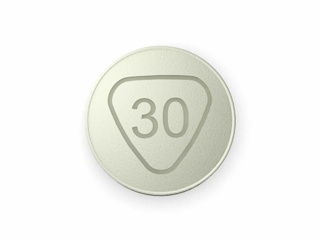
- Common strengths: 30 mg and 60 mg tablets (availability can vary)
- How it’s taken: By mouth, on an as-needed basis before sex
- Target condition: Premature ejaculation (PE)
What is premature ejaculation?
Premature ejaculation is a condition where ejaculation occurs sooner than desired, often with limited control. It can cause distress and relationship difficulties. Priligy helps increase the time to ejaculation and improve control.
Mechanism of action (how Priligy works)
Dapoxetine belongs to a class of medicines called selective serotonin reuptake inhibitors (SSRIs). It works primarily by increasing the levels of serotonin in the brain.
- Serotonin reuptake inhibition: Dapoxetine blocks serotonin reuptake transporters, which can improve the balance of brain signalling involved in ejaculation control.
- Effects on reflex pathways: By modulating serotonin activity, dapoxetine may increase control over the ejaculation reflex.
- On-demand use: Priligy is designed to work quickly enough for many men to take it shortly before sexual activity.
Indications (who Priligy is for)
Priligy is indicated for the treatment of premature ejaculation in adult men.
Not for: It is not intended for women, and it is not used for erectile dysfunction (ED) as its main purpose.
Typical use and expected results
Priligy is commonly used as an as-needed treatment. Many men find it helps them:
- Increase intravaginal ejaculatory latency time (IELT)
- Improve perceived control over ejaculation
- Reduce distress related to premature ejaculation
Individual response varies. Some people notice improvement after early uses, while others may require several attempts to understand how it affects them and how to best time it.
Timing: when to take Priligy
Priligy is typically taken before sexual activity.
- Usual timing: Take it 1 to 3 hours before sex (commonly within this window).
- Consistency matters: Try to keep timing similar across attempts so you can learn what works for you.
- Do not exceed the maximum daily dose stated for your product and follow your healthcare professional’s instructions.
If you miss a planned time: Take it only if you still expect to have sexual activity within the recommended timing window; otherwise, skip and plan for the next occasion.
Dosing (general guidance)
Dosing may vary depending on your specific situation and tolerability. The following is general information to help you understand common practice.
| Feature | Typical approach |
|---|---|
| Starting dose | Many patients start at 30 mg to assess tolerability. |
| Possible adjustment | If tolerated and needed, the dose may be increased to 60 mg. |
| How often | Use should be as needed, with limits on frequency (follow the product instructions/clinician guidance). |
| Swallowing | Tablets should be swallowed with water. |
Renal/hepatic considerations: People with certain kidney or liver problems may require dose adjustment and extra caution.
Older adults: The likelihood of side effects can be higher, and healthcare professionals may choose a conservative approach.
Pharmacokinetics (how the body handles dapoxetine)
Pharmacokinetics describes what the body does to a medicine (absorption, distribution, metabolism, and elimination).
- Absorption: Dapoxetine is absorbed after oral administration. Blood levels rise within about 1–2 hours, with peak concentrations typically occurring within a few hours.
- Distribution: Dapoxetine distributes throughout the body. It is highly protein-bound.
- Metabolism: It is primarily metabolised in the liver (mainly via enzymes such as CYP2D6 and others).
- Elimination: Metabolites are excreted mostly through urine and faeces. The elimination half-life is typically several hours, supporting its short-term, on-demand use.
Why this matters for patients: Because dapoxetine is metabolised through liver enzymes, some medicines can increase or decrease its levels. That can affect effectiveness and side effects.
Food interactions
Food can influence how quickly Priligy works.
- With meals: Taking Priligy after a heavy meal may delay absorption and can affect the timing of when you feel the effect.
- With a light meal: Many people find it still works, but individual response varies.
- Practical tip: If you’re learning your best timing, try either taking it consistently with the same type of meal pattern (e.g., light meals) or on an emptier stomach, as advised by the product instructions or clinician.
Do not “double up” if you ate a meal and feel the effect didn’t arrive when expected. Follow the recommended dosing frequency.
Alcohol interactions
Combining Priligy with alcohol can increase the risk of side effects, particularly:
- Dizziness
- Fainting (syncope)
- Low blood pressure
- Sleepiness or impaired alertness
Patient-friendly guidance:
- It’s generally recommended to limit alcohol around the time you take Priligy.
- If you plan to drink, discuss the safest approach with a healthcare professional.
- Avoid driving or operating machinery if you feel dizzy or unwell.
Medicine interactions (important)
Because dapoxetine affects serotonin pathways and is metabolised by liver enzymes, interactions can occur with certain medicines. Always tell your healthcare professional or pharmacist about all medicines you take, including over-the-counter products and herbal supplements.
Key interaction categories
- Other serotonergic medicines: SSRIs, SNRIs, MAO inhibitors, triptans (for migraine), linezolid, and certain other drugs that affect serotonin.
- Strong CYP inhibitors/inducers: Medicines that strongly change dapoxetine metabolism can raise or lower dapoxetine levels.
- Medicines that affect blood pressure or cause dizziness: Risk may be higher, especially around alcohol use.
- Other central nervous system (CNS) depressants: May worsen drowsiness or dizziness.
Serotonin-related safety warning
Using Priligy together with other serotonergic drugs can increase the risk of serotonin-related side effects (e.g., serotonin syndrome). Symptoms can include agitation, confusion, fever, sweating, tremor, diarrhoea, and muscle stiffness. If you suspect this, seek urgent medical attention.
What to do if you’re unsure
- Ask a pharmacist to check interactions between dapoxetine and your current medicines.
- Provide an up-to-date list of your medications (including doses).
- Do not start or stop medicines without advice.
Safety profile: common and serious side effects
As with any medicine, Priligy can cause side effects. Many are mild to moderate and improve as your body adjusts. However, some side effects require urgent attention.
Common side effects
- Nausea
- Dizziness
- Headache
- Diarrhoea
- Dry mouth
- Fatigue
- Sleepiness or feeling “off”
Less common but important
- Fainting (syncope), sometimes associated with dizziness and low blood pressure
- Orthostatic hypotension (blood pressure drops when standing)
- Manic symptoms in people predisposed to bipolar disorder
Seek urgent medical care if
- You faint or have severe dizziness that doesn’t settle
- You develop symptoms suggestive of serotonin syndrome
- You have signs of a serious allergic reaction (swelling of face/lips, breathing difficulties, widespread rash)
- You experience severe or persistent vomiting, chest pain, or unusual heart symptoms
Practical use tips (getting the best experience)
- Learn your timing: Take it 1–3 hours before sex and adjust based on how you respond.
- Start with a lower approach if recommended: Many men begin with 30 mg for tolerability.
- Stay hydrated: Dehydration can worsen dizziness.
- Avoid heavy meals: If you notice delayed effects after eating, trial timing with a lighter meal pattern.
- Limit alcohol: This improves comfort and safety for many patients.
- Don’t combine with risky medicines: Particularly other serotonergic drugs or medicines that interact via liver enzymes.
- Plan for side effects: If you’re prone to dizziness, avoid standing suddenly and consider taking it when you can rest if needed.
Sexual health note: Good communication, stress reduction, and behavioural strategies can complement medication for PE.
When Priligy may not be suitable (cautions)
Priligy may not be suitable for some people. Your clinician or pharmacist may advise against it if you have certain medical conditions or risk factors, including:
- Significant heart rhythm problems or a history of fainting due to low blood pressure
- Liver impairment (dose and eligibility may be affected)
- Severe kidney problems
- Conditions or medication use that increase dizziness/fainting risk
- Current use of certain interacting antidepressants or serotonergic medicines
Always disclose: Your full medical history, including fainting episodes, liver disease, and current medicines.
Alternative options for premature ejaculation
There are other treatment options depending on your situation, including behavioural therapy, counselling, and other medications.
Non-medicine options
- Behavioural techniques: e.g., start-stop methods, pelvic floor exercises
- Psychological support: reducing anxiety and performance pressure
- Couples-based approaches where appropriate
Other medicines
- Local anaesthetic sprays/creams (used to reduce sensitivity) — suitability varies.
- Some antidepressants (including SSRIs) can be considered in certain cases, often on a different dosing schedule than dapoxetine.
Your healthcare professional can discuss which options match your symptoms, health conditions, and preferences.
Market and legal context in Australia (high-level)
In Australia, medicines are regulated under the national framework managed by the Therapeutic Goods Administration (TGA) and other relevant systems. Availability and supply may depend on:
- TGA listing/status and product authorisation
- Prescribing requirements for the medicine
- Pharmacy supply rules and medication safety checks
- Shipping and import requirements where applicable
For online purchasing, reputable suppliers should provide secure payment, clear product information, and compliance with Australian consumer and medication regulations. Always choose a pharmacy that clearly explains its sourcing, licensing, and delivery terms.
Recent guidance: Recommendations can evolve as new safety information and prescribing updates are issued. It’s a good idea to check the latest CMI, TGA communications, or ask a pharmacist for current advice before starting or continuing.
Delivery and availability (what to expect)
Availability may differ by dose (e.g., 30 mg vs 60 mg) and by stock levels. When ordering online from a reputable Australian pharmacy:
- You should receive clear product details (strength, form, expiry information where shown).
- Delivery timelines depend on your location and the pharmacy’s dispatch schedule.
- Packaging should be tamper-evident and include patient information.
- Customer support should be available to answer medication and delivery questions.
Do not use expired medicine. If you receive a product with damaged packaging or if details don’t match what you ordered, contact the pharmacy promptly.
Frequently Asked Questions (FAQ)
1) How quickly does Priligy work?
Priligy is designed for on-demand use. Many people experience effects within a few hours after taking it. Food, alcohol, and individual metabolism can influence how quickly you notice benefits.
2) Can I take Priligy every day?
Priligy is generally taken as needed, not continuously. Do not exceed the maximum frequency stated in the product instructions and follow healthcare guidance.
3) What if I drink alcohol and still want to take it?
Alcohol can increase risks like dizziness and fainting. It’s best to limit or avoid alcohol around dosing and discuss safe use with a pharmacist if you’re unsure.
4) What should I do if I feel dizzy after taking Priligy?
Sit or lie down, avoid standing suddenly, and do not drive. If dizziness is severe, persists, or you faint, seek urgent medical advice.
5) Does Priligy affect erections?
Priligy targets premature ejaculation. Some men may also notice improved sexual confidence, but Priligy is not primarily an ED medicine. If ED is part of your issue, discuss appropriate treatment options.
6) Can I take Priligy with antidepressants?
Some antidepressants and other serotonergic medicines can interact with dapoxetine and increase the risk of serious side effects. Always confirm compatibility with a pharmacist before combining.
7) Is Priligy suitable if I have liver or kidney problems?
It may not be suitable for some people, or a different approach may be needed. Tell your healthcare provider about any liver or kidney conditions so they can assess risk.
8) Will Priligy cure premature ejaculation?
Priligy helps manage symptoms and improve control. It may not “cure” PE permanently, and outcomes vary. Many patients combine medicine with behavioural strategies for best long-term results.
9) What if it doesn’t work for me?
If you don’t notice benefit, it may be due to timing, dose, or individual factors. Talk to a healthcare professional—dose adjustment or alternative strategies may help.
10) Are there restrictions on driving or alcohol use?
Because dizziness and sleepiness can occur, avoid driving or risky activities if you feel unwell after taking Priligy. Alcohol increases the risk—limit it around dosing.
Summary
Priligy (dapoxetine) is an on-demand medicine used for premature ejaculation in adult men. It works by increasing serotonin activity in the brain, supporting improved control over ejaculation. For many patients, it can be taken 1–3 hours before sex, with timing influenced by food and your personal response. Because it may cause side effects such as dizziness and has important serotonin and alcohol/multiple-medicine interactions, it’s essential to follow dosing guidance and check compatibility with other medicines.
If you have any concerns about suitability, interactions, or side effects, consult a pharmacist or healthcare professional.