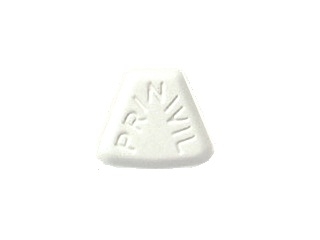


Prinivil (Lisinopril) – Patient Information (Australia)
Prinivil contains lisinopril, a medicine used to treat several cardiovascular conditions. This page is designed to help you understand how lisinopril works, how it’s typically taken, common side effects, and important safety information. Always follow the instructions given by your healthcare professional and the directions on the product label.
Basic product information
| Feature | Information |
|---|---|
| Medicine | Prinivil |
| Active ingredient | Lisinopril |
| Medicine class | ACE inhibitor (Angiotensin Converting Enzyme inhibitor) |
| Common formulations | Oral tablets (strengths may vary; check your specific product) |
| Uses | High blood pressure, heart failure, and certain kidney-related indications (see “Typical use and indications”) |
| Brand availability | Prinivil may be supplied as brand or by generic lisinopril depending on stock |
What Prinivil (lisinopril) is used for
Lisinopril helps your blood vessels relax and reduces strain on the heart. It can also lower certain stress signals in the body that contribute to high blood pressure and heart and kidney problems.
Typical use and indications
Prinivil (lisinopril) is commonly used for:
- Hypertension (high blood pressure)
- Heart failure (including after previous treatment approaches are considered)
- Diabetic kidney protection in appropriate patients (based on kidney function and protein in urine)
Indications may depend on your overall health, blood pressure, kidney function, and other medications. Your clinician will choose the most suitable approach for you.
How it works (mechanism of action)
Lisinopril is an ACE inhibitor. ACE (angiotensin converting enzyme) plays a role in producing angiotensin II, a substance that:
- causes blood vessels to narrow
- raises blood pressure
- can contribute to heart and kidney strain over time
By inhibiting ACE, lisinopril:
- lowers angiotensin II levels
- helps blood vessels widen (improving blood flow)
- reduces blood pressure and reduces workload on the heart
- may help protect kidneys in selected patients, particularly in certain diabetes-related settings
Pharmacokinetics (how your body handles the medicine)
Pharmacokinetics describes how the medicine is absorbed, distributed, metabolised, and eliminated. While individual responses vary, the key points for lisinopril include:
- Absorption: taken by mouth; absorption occurs after swallowing
- Onset of effect: blood pressure may start improving within hours, with fuller effects developing over time
- Peak concentration: lisinopril levels typically reach a peak within a few hours after dosing
- Distribution: it circulates through the bloodstream and reaches target organs
- Metabolism: generally not extensively metabolised in the body
- Elimination: primarily excreted by the kidneys
Because lisinopril is cleared mainly through the kidneys, kidney function is important for safe dosing. Your prescriber may monitor kidney parameters and electrolytes (especially potassium) after starting and during dose changes.
Timing and how to take Prinivil
Typical dosing schedule
Lisinopril is usually taken , but your exact schedule should match your prescription instructions. Many people take it at the same time each day to help remember it.
When it starts working
- Early effects: some blood pressure lowering may occur within the first day or two.
- Steady benefit: the best blood pressure control often becomes clearer after several days to a few weeks.
- Longer-term effects: heart and kidney protection benefits develop with ongoing use.
Practical use tips
- Take consistently: choose a time you can stick to (morning or evening, as advised).
- Use reminders: phone alarms or a daily pill organiser can help.
- Don’t stop abruptly: if you stop suddenly, blood pressure or heart strain may worsen.
- Monitor if instructed: some patients need home blood pressure checks.
Food interactions
Lisinopril can be taken with or without food. Food does not typically require a special timing strategy. However, try to keep a consistent routine so you can tell whether your blood pressure response is stable.
If you experience stomach upset, taking it with a small snack may help—confirm with your healthcare professional if you have persistent symptoms.
Alcohol interactions and safety
Alcohol can lower blood pressure and may increase the risk of light-headedness, dizziness, or fainting, particularly when starting or increasing the dose.
- Limit alcohol while you are adjusting to lisinopril.
- Be cautious when standing up quickly.
- Avoid binge drinking.
If you have conditions such as dehydration, low blood pressure, heart failure, or are taking other medicines that affect blood pressure, alcohol may increase side-effect risk.
Medicine interactions (important)
Many medicines can interact with lisinopril, especially those that affect blood pressure, kidney function, potassium levels, or fluid balance. Always provide your full medication list to your healthcare professional.
Common interaction categories
-
Potassium supplements and potassium-containing salt substitutes
May increase the risk of high potassium (hyperkalaemia).
-
Diuretics (“water tablets”)
Some diuretics can increase potassium or affect kidney function. Monitoring may be needed.
-
Other blood pressure medicines
May increase blood pressure-lowering effect (sometimes beneficial, sometimes causing dizziness/low blood pressure).
-
Non-steroidal anti-inflammatory drugs (NSAIDs) (e.g., ibuprofen, naproxen, diclofenac)
Regular or high-dose NSAID use can reduce kidney function and blunt some effects on blood pressure. Combining NSAIDs with ACE inhibitors may increase kidney risk, especially in older adults or those who are dehydrated.
-
Medicines affecting the renin-angiotensin system
Combining with certain similar medicines may increase side effects. Your clinician will usually avoid unnecessary double blockade.
-
Lithium
ACE inhibitors can increase lithium levels, which may be dangerous. Close monitoring is required if used together.
Herbal and “over-the-counter” considerations
- Be careful with herbal products or supplements that affect blood pressure or kidney function.
- Decongestants (such as some cold and flu products) may raise blood pressure in some people.
If you’re unsure whether a medicine is safe with Prinivil, ask your pharmacist or prescriber.
Dosing guidance (general information)
Dosing must be individualised based on your condition, age, kidney function, and blood pressure response. The information below is a general guide so you know what clinicians typically consider. Your exact dose and schedule should be followed precisely.
Factors that affect your dose
- Blood pressure level and target
- Kidney function (creatinine/eGFR)
- Whether you have heart failure
- Whether you’re taking diuretics or other blood pressure medicines
- Risk of dehydration, vomiting/diarrhoea, or low salt intake
How dose adjustments are usually handled
- Start low in people who are more sensitive (e.g., older age, kidney impairment, low blood pressure, or diuretic use).
- Check blood tests after starting and with dose increases (kidney function and potassium).
- Titrate gradually until blood pressure control is achieved and side effects are tolerable.
Do not change your dose yourself. If you miss a dose, follow your clinician’s advice or the product instructions. In general, many people should take the next dose at the usual time rather than doubling up.
Safety profile and side effects
Like all medicines, lisinopril can cause side effects. Many people tolerate it well, but it’s important to know what’s normal, what may require monitoring, and when to seek urgent care.
Common side effects
- Dizziness (especially when standing up)
- Headache
- Fatigue
- Dry cough (a classic ACE inhibitor effect)
Less common but important effects
- Changes in kidney function (often detected on blood tests)
- High potassium (can be detected on blood tests; symptoms may include weakness or heartbeat changes)
- Low blood pressure, particularly after starting or dose changes
Seek urgent medical help if you notice
- Swelling of the face, lips, tongue, or throat (possible angioedema)
- Trouble breathing or swallowing
- Severe dizziness or fainting
- Signs of severe allergy such as widespread rash with swelling
Angioedema is a rare but serious reaction associated with ACE inhibitors. If it occurs, emergency treatment is required and the medicine may need to be stopped permanently by a clinician.
Special populations
- Kidney impairment: may require dose adjustment and closer monitoring.
- Older adults: may be more prone to low blood pressure and kidney-related side effects.
- Dehydration risk: vomiting/diarrhoea or reduced fluid intake can increase risk of kidney problems and dizziness.
- Diabetes: monitoring blood glucose and potassium is often needed as part of overall care.
Practical “day-to-day” use tips
- Stand up slowly: dizziness can happen when you move from lying/sitting to standing.
- Stay hydrated: unless your clinician has restricted fluids. Dehydration increases side-effect risk.
- Watch potassium sources: avoid potassium supplements and salt substitutes unless your clinician approves.
- Be cautious with NSAIDs: if you need pain relief, ask about safer options and appropriate dosing.
- Keep follow-up appointments: blood tests and blood pressure checks ensure safety and effectiveness.
- Know your “sick day” plan: if you develop vomiting or diarrhoea and are at risk of dehydration, contact your clinician for advice about continuing medicines.
Alternative options to Prinivil (lisinopril)
If lisinopril isn’t suitable (for example due to side effects such as persistent cough), clinicians may consider other medications. Alternatives typically fall into one of these groups:
- ARBs (angiotensin receptor blockers), such as losartan or valsartan
These can provide similar benefits for blood pressure and kidney protection in many patients, with a different side-effect profile.
- Other antihypertensive classes, such as calcium channel blockers or thiazide-like diuretics
Choice depends on your condition, kidney function, and blood pressure targets.
- Beta-blockers or mineralocorticoid receptor antagonists
May be used in specific heart failure regimens depending on your overall assessment.
Your healthcare professional can help you determine which alternative is best for you. Do not switch medications without medical guidance.
Market and legal context in Australia
In Australia, medicines containing lisinopril are supplied under pharmacy regulations and must be dispensed according to the product requirements and applicable state/territory and national guidelines. Availability and prescribing requirements can vary depending on the specific product and patient circumstances.
For online pharmacy services, legitimate supply is typically handled through Australian-regulated processes that may involve assessment of suitability and verification of your details, consistent with health authority requirements.
If you have questions about eligibility, the correct product strength, or how delivery works for your area, contact the online pharmacy’s support team.
Recent guidance (general updates to watch for)
Medical guidance for ACE inhibitors may evolve over time as new safety information and monitoring practices are published. While advice can differ between individuals, common themes in ongoing clinical practice include:
- Monitoring kidney function and potassium after starting and during dose changes
- Individualised dose titration to balance benefit and side effects
- Attention to high-risk groups (older adults, kidney impairment, dehydration risk)
- Extra caution with interacting medicines (especially NSAIDs and potassium-related products)
- Avoiding use in pregnancy (ACE inhibitors are generally contraindicated in pregnancy)
If you’re pregnant, planning pregnancy, or could become pregnant, speak with a clinician promptly for appropriate alternative treatment.
Delivery and availability (Australia)
Availability of Prinivil and/or generic lisinopril can vary based on supplier stock and tablet strength. Reputable online pharmacies in Australia typically offer:
- Delivery to eligible Australian addresses (availability depends on location)
- Tracking updates and estimated dispatch times
- Secure packaging to protect tablets during transit
Delivery times can be influenced by prescribing/dispensing workflows and local courier schedules. When you place an order, the website should display current estimates.
Storage: keep tablets in the original packaging, at room temperature, away from excess moisture and heat, and out of reach of children. Check the pack for the exact storage instructions.
FAQ – Frequently asked questions
1) Is Prinivil (lisinopril) safe to take with food?
Yes. Lisinopril is generally taken with or without food. Keeping a consistent daily routine can help you monitor your response.
2) When should I take Prinivil each day?
Many people take it , at the same time each day. Choose morning or evening based on what suits you, especially if you notice dizziness—speak with your pharmacist or prescriber if you’re unsure.
3) Why do I feel dizzy after starting lisinopril?
Dizziness can occur as your blood pressure lowers, particularly when you stand up. This is more likely at the beginning of treatment or after dose increases. If dizziness is severe or you faint, seek urgent medical help.
4) Does lisinopril cause a cough?
A dry, persistent cough can happen with ACE inhibitors like lisinopril. If it becomes troublesome, contact your healthcare professional—there are alternative options.
5) Can I take pain relief like ibuprofen while on Prinivil?
Caution is recommended with NSAIDs (e.g., ibuprofen, naproxen, diclofenac), especially with frequent use. Ask your pharmacist for the safest option for your situation and whether you need monitoring.
6) What if I miss a dose?
If you miss a dose, take it when you remember unless it is close to the time of your next dose. In many cases, you should not double up. Check the instructions provided by your pharmacy or clinician.
7) What blood tests are needed?
Clinicians often check kidney function and potassium levels after starting lisinopril and after dose changes. Follow-up timing varies by patient risk factors.
8) Are there foods I must avoid?
There aren’t specific food restrictions for lisinopril in most patients. However, be mindful of salt substitutes and potassium-heavy products unless your clinician has approved them.
9) Can I drink alcohol?
Alcohol may increase the risk of dizziness and low blood pressure. If you choose to drink, do so cautiously and avoid heavy or binge drinking, especially when starting treatment.
10) What are the serious side effects I should watch for?
Seek urgent help if you develop swelling of the face, lips, tongue, or throat, trouble breathing, or severe fainting. Also contact a clinician promptly if you experience symptoms suggestive of significant potassium imbalance or kidney problems.
Important: This information is general and not a substitute for personalised advice. If you have questions about Prinivil, interactions with your current medicines, or side effects you’re experiencing, speak with a pharmacist or healthcare professional.