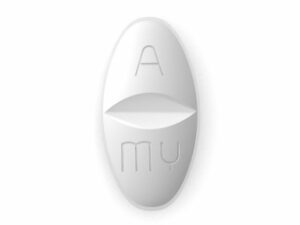


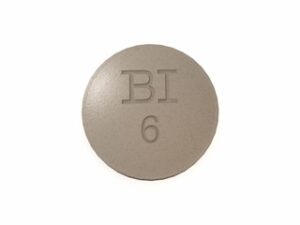
Procardia (Nifedipine) — Patient Information (Australia)
Procardia is a brand of the medicine nifedipine, used to treat certain cardiovascular conditions. This page explains how nifedipine works, what it’s used for, how to take it safely, and what to watch for. Information is written for patients in Australia and is intended to help you talk with your doctor or pharmacist.
Note: Products containing nifedipine may be available in different formulations (for example, immediate-release vs modified/extended-release). Always use the specific product and instructions given to you.
Basic product information
- Medicine name: Nifedipine
- Brand example: Procardia
- Medicine class: Calcium channel blocker (dihydropyridine)
- Common conditions treated: High blood pressure and certain types of angina
- Typical dosing form: Tablets or modified-release tablets (depends on the product)
How nifedipine works (mechanism of action)
Nifedipine belongs to the dihydropyridine calcium channel blockers. It works mainly by relaxing blood vessel walls:
- Blocks L-type calcium channels in the smooth muscle of blood vessels.
- Reduces calcium entry into vascular smooth muscle cells.
- Causes blood vessels to relax (vasodilation), which lowers blood pressure and reduces the workload on the heart.
- Can also improve blood flow to the heart muscle, helping relieve angina symptoms.
In practical terms, nifedipine helps make it easier for the heart to pump and helps prevent chest pain due to reduced strain on the cardiovascular system.
Pharmacokinetics (how the medicine moves through the body)
Pharmacokinetics describes how your body absorbs, distributes, metabolises and eliminates a medicine.
- Absorption: Nifedipine is absorbed from the gastrointestinal tract. Absorption can vary depending on whether the product is immediate-release or modified/extended-release.
- Onset: Effects can begin within hours. Immediate-release forms may work faster; modified-release forms provide steadier blood levels.
- Peak levels (Cmax): Generally occur sooner with immediate-release and later with modified-release products.
- Metabolism: Extensively metabolised by the liver (primarily via CYP3A4).
- Elimination: Mostly excreted as metabolites (primarily via the kidneys). The exact elimination pattern depends on individual factors and formulation.
Because nifedipine is metabolised by CYP3A4, medicines that inhibit or strongly induce this enzyme can significantly change nifedipine levels.
Typical use and indications
Nifedipine may be used for the following conditions:
- Hypertension (high blood pressure): Helps lower blood pressure and reduce cardiovascular risk.
- Angina pectoris: Particularly when long-term control of chest pain is needed (for example, stable angina).
- Raynaud’s phenomenon (sometimes): Nifedipine may be considered to help reduce episodes in some patients.
The exact indication and suitability depend on your health history and the specific formulation.
When to take Procardia (timing and consistency)
Timing depends on the formulation you use. It’s important to keep a consistent routine so blood levels stay stable.
- Modified/extended-release tablets: Usually taken once or twice daily, depending on the product. Do not crush or chew unless your pharmacist or the product instructions say it’s safe.
- Immediate-release tablets: Often taken multiple times daily. Follow your specific regimen.
Try to: take your dose at the same time each day. If you miss a dose, take it when you remember unless it’s close to your next dose—then skip the missed dose and continue as normal. Avoid doubling doses.
Food interactions
Food effects depend on the formulation, but general guidance is:
- Take as directed on the packaging or by your clinician.
- Some patients may notice changes in absorption with meals. If your clinician advises a particular approach (with or without food), follow that advice.
- Grapefruit and grapefruit juice: commonly advised to avoid because they can increase nifedipine levels by affecting CYP3A4.
If you’re unsure, ask your pharmacist how to take your exact product.
Alcohol interactions
Alcohol can increase side effects of blood pressure medicines, especially dizziness or light-headedness. Consider:
- Dizziness, fainting, or falls: higher risk if alcohol is used, particularly when you stand up.
- Blood pressure may drop too far: alcohol can contribute to this effect.
If you drink alcohol, do so cautiously and avoid excess. Seek advice if you experience marked dizziness or your blood pressure readings are very low.
Interactions with other medicines
Nifedipine levels and effects can be influenced by other medicines. This section highlights common interaction categories. Your pharmacist can check your full list of medicines and supplements.
Medicines that may increase nifedipine levels (CYP3A4 inhibitors)
- Macrolide antibiotics (e.g., erythromycin, clarithromycin)
- Azole antifungals (e.g., ketoconazole, itraconazole)
- Protease inhibitors and some other antivirals
- Cimetidine
- Some calcium channel blockers and other agents affecting CYP3A4
Increased levels may raise the risk of side effects such as dizziness, headache, flushing, swelling (oedema), or low blood pressure.
Medicines that may reduce nifedipine levels (CYP3A4 inducers)
- Rifampicin
- Some anticonvulsants (e.g., carbamazepine, phenytoin, phenobarbital)
- St John’s wort
Reduced levels can make nifedipine less effective, potentially worsening blood pressure or angina control.
Other relevant interaction categories
- Other blood pressure medicines (including beta-blockers, ACE inhibitors, ARBs, diuretics): may have an additive blood-pressure lowering effect.
- Nitrates: may increase risk of low blood pressure when combined.
- Digoxin: nifedipine can sometimes affect digoxin levels; monitoring may be needed.
- Magnesium sulphate (in hospital settings): can potentially increase effects; clinicians monitor closely.
Always keep your pharmacist updated about:
- Prescription medicines
- Pharmacy medicines (including cold/flu preparations)
- Herbal products (especially St John’s wort)
- Supplements
Dosing guidance (general information)
Your exact dose will depend on the condition being treated, your response, your age, and other medicines you take. The following is general information to help you understand typical dosing patterns in practice.
| Condition | Typical starting approach (general) | Maintenance/dose adjustment (general) | Notes |
|---|---|---|---|
| Hypertension | Often started at a lower dose | May be adjusted gradually based on blood pressure readings | Modified-release formulations are often used for steadier control |
| Angina (stable) | Often started at a lower dose | Adjusted based on symptoms and tolerance | Effect on chest pain may be evaluated over days to weeks |
| Raynaud’s phenomenon (if used) | Can begin with a lower dose | Titrated to reduce episode frequency/severity | Not all patients respond; lifestyle measures also matter |
Important: Do not change your dose or stop nifedipine suddenly without medical advice. If you miss multiple doses or have side effects, contact your pharmacist or clinician for guidance.
Safety profile (what to expect and when to seek help)
Like all medicines, nifedipine can cause side effects. Many are mild and tend to improve as your body adjusts, but some symptoms require urgent attention.
Common side effects
- Headache
- Flushing or feeling warm
- Dizziness or light-headedness
- Swelling (oedema), especially in the ankles/feet
- Palpitations (awareness of heartbeat)
- Fatigue
Less common but important effects
- Low blood pressure (may cause fainting or severe dizziness)
- Worsening angina in rare situations
- Gastrointestinal symptoms (nausea, constipation)
- Skin reactions (rash, itching—seek advice)
Seek urgent medical help if you experience
- Severe dizziness, fainting, or signs of shock
- Chest pain that is severe, new, or not relieved as expected
- Swelling of the face/lips or trouble breathing (possible allergic reaction)
- Fast or irregular heartbeat with feeling unwell
- Severe weakness or sudden confusion
In an emergency, call 000 or contact your local emergency services. If you are unsure, call Healthdirect on 1800 022 222 in Australia.
Practical use tips for patients
- Check your blood pressure regularly (if recommended). Keep a log of readings and symptoms to help your clinician fine-tune your dose.
- Stand up slowly to reduce dizziness, especially after a dose.
- Manage ankle swelling: swelling is a common effect. Tell your pharmacist or clinician—dose adjustment or supportive measures may help.
- Don’t crush modified-release tablets unless instructed. Crushing can release the medicine too quickly.
- Be consistent: take doses at similar times each day.
- Avoid grapefruit products unless your pharmacist says otherwise.
- Keep an up-to-date medicine list and show it to any healthcare professional you see.
Recent guidance and monitoring (Australia context)
Ongoing safety monitoring for blood pressure medicines includes:
- Blood pressure targets are individual and may change with age, comorbidities, and risk profile.
- Medication review: pharmacists and clinicians may periodically review interactions, especially if you start or stop other medicines.
- Formulation awareness: modified-release vs immediate-release products should not be interchanged without advice.
- Side effect reporting: swelling, dizziness, and palpitations should be discussed so therapy can be optimised.
If you’ve had recent changes to your medicines, it’s worth asking your pharmacist to review interactions and confirm timing and whether food restrictions apply to your exact product.
Alternative options (if nifedipine isn’t suitable)
Your doctor may consider other options depending on the condition being treated, your response, and your side effect profile. Examples of alternatives (not a complete list) include:
For hypertension
- Other calcium channel blockers (e.g., amlodipine, felodipine)
- ACE inhibitors (e.g., perindopril, lisinopril)
- ARBs (e.g., losartan, valsartan)
- Thiazide-like diuretics (e.g., indapamide)
- Beta-blockers (for selected patients)
For angina
- Other long-acting calcium channel blockers
- Nitrates
- Beta-blockers (in appropriate patients)
- Combination regimens depending on severity and comorbidities
Discuss alternatives with a clinician to ensure they match your specific diagnosis, blood pressure goals, heart rhythm considerations, and interaction risk.
Delivery and availability (Australia)
Availability of Procardia (nifedipine) can vary by formulation and strength. Online pharmacy services typically offer options such as:
- In-stock ready dispatch for commonly stocked strengths
- Backorder/delivery estimates if a particular strength isn’t immediately available
- Cold-chain not usually required (most tablets don’t require special temperature storage)
Delivery times depend on the supplier, your location, and whether the item is stocked locally. During checkout, the website should display:
- Estimated dispatch time
- Estimated delivery window
- Shipping fees (if applicable)
Always store nifedipine as directed on the packaging (typically at room temperature, protected from moisture and out of reach of children).
Market and legal context in Australia
In Australia, prescription and dispensing rules vary by medicine category and formulation. The availability and legal supply pathways depend on regulatory requirements and the intended use. Your pharmacist can confirm eligibility and the correct supply process for the specific product you need.
Regardless of how you obtain your medicine, it’s essential to ensure:
- You receive the correct formulation (modified/extended vs immediate-release)
- You understand how to take it and what side effects to monitor
- Your other medicines are checked for interactions
Australia also has strong standards for pharmacy practice and medicines information. If anything is unclear, contact your pharmacist for advice.
FAQ
1) What is Procardia used for?
Procardia (nifedipine) is used to treat conditions such as high blood pressure (hypertension) and certain types of angina. In some cases, clinicians may use nifedipine for Raynaud’s phenomenon depending on the situation and formulation.
2) How quickly will nifedipine start working?
The onset can vary by formulation. Some effects may be felt within hours, while blood pressure and angina control may take days to weeks as the dose is adjusted and your body responds.
3) Can I take nifedipine with food?
Follow the instructions on your specific product. If your clinician has advised taking it with or without food, follow that advice. In general, avoid grapefruit and grapefruit juice because they can increase nifedipine levels.
4) What should I do if I miss a dose?
Take it when you remember unless it is close to your next dose. If it’s close, skip the missed dose and take the next one at the usual time. Don’t double up.
5) Are there common side effects?
Yes. Common side effects include headache, flushing, dizziness, and ankle swelling. If side effects are severe or persistent, speak to your pharmacist or clinician.
6) Is ankle swelling serious?
Ankle swelling (oedema) is a known effect of some calcium channel blockers. However, if swelling becomes sudden, severe, or you develop breathlessness or chest pain, seek medical advice promptly.
7) Can I drink alcohol while taking Procardia?
Alcohol may increase dizziness and the risk of low blood pressure. If you drink, keep it moderate and monitor how you feel (especially when standing up).
8) What medicines should I avoid?
Avoid grapefruit products. Also be cautious with medicines that affect liver enzymes (particularly CYP3A4), including some antibiotics, antifungals, antivirals, and St John’s wort. Always ask your pharmacist to check interactions with your full medicine list.
9) Should I stop nifedipine suddenly?
Don’t stop suddenly without advice. If you’re having problems (for example, side effects), contact your pharmacist or clinician for a safe plan.
10) What if I have trouble breathing or a rash?
Seek urgent medical help if you develop signs of an allergic reaction, such as swelling of the face/lips, hives, or difficulty breathing.
Speak to a pharmacist if you have questions about your dose, interactions, or whether your formulation is immediate-release or modified/extended-release. For urgent concerns, contact emergency services or Healthdirect (1800 022 222).