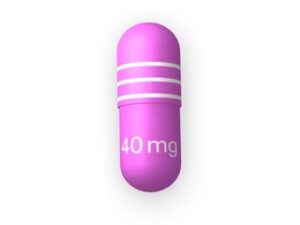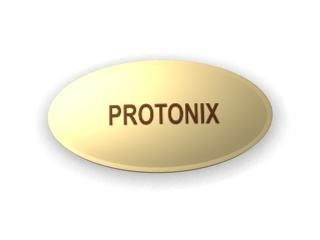


Protonix (Pantoprazole) – Patient Information (Australia)
Protonix is a brand of the medicine pantoprazole, a proton pump inhibitor (PPI). It helps reduce the amount of acid made in the stomach and is commonly used to treat conditions where stomach acid plays an important role, such as reflux and ulcers.
This page provides clear, patient-friendly information about what Protonix does, how it works, how to take it, key interactions, and practical tips for safe use in Australia.
Quick Overview
- Active ingredient: Pantoprazole
- Medicine type: Proton pump inhibitor (PPI)
- Common uses: Heartburn and acid reflux (GERD), stomach/duodenal ulcers, prevention of ulcer complications in selected patients
- How it works: Reduces stomach acid production by blocking the proton pump
- Typical timing: Usually taken once daily, preferably before food
- Common side effects: Headache, nausea, diarrhoea or constipation, stomach discomfort
Basic Product Information
| Item | Details |
|---|---|
| Brand name | Protonix |
| Generic name | Pantoprazole |
| Drug class | Proton pump inhibitor (PPI) |
| Formulations | Available as tablets/capsules in different strengths depending on product range (confirm your pack) |
| Typical dose frequency | Often once daily; some conditions may require different regimens (follow your instructions) |
| Onset | Relief may begin within hours; full benefit can take several days of daily use |
Note: Strengths and directions can vary between products. Always follow the exact instructions on your pack or your healthcare professional’s advice.
How Protonix Works (Mechanism of Action)
Pantoprazole belongs to the group of medicines called proton pump inhibitors. These medicines reduce acid secretion by blocking the “proton pump” (the H+/K+-ATPase) in the stomach’s acid-producing cells.
Because it targets the final step in acid production, Protonix is more effective than many other acid-reducing options for conditions where strong acid suppression is needed.
- Blocks acid production at the source
- Helps heal erosions or ulcers caused by acid
- Reduces symptoms such as heartburn and acid reflux
Pharmacokinetics (How the Body Handles It)
Pharmacokinetics describes how the medicine is absorbed, distributed, metabolised, and eliminated.
- Absorption: Protonix is absorbed after taking a dose. Acid suppression is best achieved when taken correctly before meals.
- Onset of action: Acid control begins within a short time, but symptom improvement may take a few days with regular dosing.
- Distribution: It distributes through body tissues and binds to plasma proteins.
- Metabolism: Pantoprazole is primarily metabolised in the liver (mainly by CYP enzyme systems).
- Excretion: Metabolites are eliminated mainly through the kidneys.
If you have liver or kidney conditions, your clinician may adjust treatment or monitor you more closely.
Typical Uses and Indications
Protonix is used for several acid-related conditions. Common indications include:
- Gastro-oesophageal reflux disease (GORD)/reflux – to relieve heartburn and regurgitation
- Erosive oesophagitis – helping heal inflammation of the oesophagus caused by acid
- Stomach (gastric) and duodenal ulcers – to promote healing and reduce recurrence
- Prevention and treatment of ulcer complications in selected patients (for example, those at risk of gastrointestinal injury from certain medicines)
- Conditions requiring ongoing acid suppression (for example, certain rare hypersecretory conditions)
Important: If your symptoms are new, severe, or you are concerned about a potentially serious condition, seek medical advice promptly. Protonix is aimed at acid-related causes, but not all causes of upper abdominal discomfort are acid-related.
When to Take Protonix (Timing and Routine)
Most importantly: Protonix works best when taken at the right time relative to meals.
- Take it before food: Many regimens are designed for dosing before breakfast or before your first meal.
- Swallow whole: If your product is in tablet form, swallow whole with water. Do not crush or chew unless your specific product instructions allow it.
- Try to take it at the same time each day: Consistency helps maintain steady acid suppression.
If you miss a dose:
- Take it when you remember unless it is close to your next dose.
- If it is almost time for the next dose, skip the missed dose.
- Do not take a double dose to make up for a missed one.
How long until it helps? Symptoms may improve sooner, but for healing-related conditions it can take several days. If there is no improvement after the expected period (often within 1–2 weeks depending on the condition), consult a healthcare professional.
Food Interactions and Practical Eating Tips
Food affects when Protonix reaches and activates inside the stomach. For best results:
- Take before eating: The medicine is designed to work with the stomach’s acid-producing activity that occurs around meals.
- Keep meals consistent when possible, so your dosing timing stays effective.
Once you have taken a dose, it generally does not matter what you eat for the remainder of that day as much as the timing of the dose relative to food.
Tip: If you eat late or your first meal is not at breakfast, take Protonix before that first meal of the day.
Alcohol and Medicine Interactions
Alcohol
There is no single “universal” rule that prohibits alcohol with Protonix for everyone. However, alcohol can:
- Worsen reflux by relaxing the valve between the oesophagus and stomach in some people
- Increase irritation in the stomach and oesophagus
If you notice your symptoms flare after alcohol, it may be best to limit or avoid it while treating reflux or ulcer symptoms.
Medicine Interactions
Protonix can interact with other medicines. Interaction risk may be influenced by dose, duration, and your personal health factors.
- HIV medicines (e.g., atazanavir or nelfinavir): Acid suppression can reduce absorption and effectiveness of certain antiretrovirals.
- Certain antifungal medicines (e.g., ketoconazole/itraconazole): Reduced stomach acidity can lower absorption for some products.
- Warfarin: PPIs may affect bleeding risk in some cases; INR monitoring may be needed.
- Clopidogrel: Some PPIs may affect how clopidogrel is activated. Discuss your regimen with a clinician or pharmacist.
- Methotrexate: Higher-dose methotrexate may require careful monitoring, especially if liver/kidney function is reduced.
- Other medicines affected by stomach pH: Since PPIs raise gastric pH, they may alter absorption of certain drugs.
What to do: Before starting Protonix, it’s important to tell your pharmacist or healthcare professional about all medicines you take, including:
- Prescription and non-prescription products
- Herbal medicines and supplements
- Occasional medicines (like pain relief, antibiotics, or vitamins)
Dosing (General Guidance)
Dosing depends on the condition being treated, your age, and other medical factors. Use your pack instructions or clinician advice.
Typical regimens may include:
- Reflux (GORD) / oesophagitis: commonly once daily
- Ulcers: commonly once daily or as directed for healing
- Prevention of NSAID-related ulcer risk: dose and duration vary by risk factors
Do not change the dose or stop early without advice if the medicine was prescribed for healing an ulcer or erosive disease.
Special populations:
- Older adults: often tolerate Protonix, but review long-term need and monitor for side effects as advised.
- Liver impairment: may require dose adjustments or caution—follow professional guidance.
- Kidney impairment: may require monitoring, although pantoprazole is primarily eliminated through metabolites.
Safety Profile and Side Effects
Most people tolerate pantoprazole well. Side effects are usually mild and may improve as your body adjusts.
Common side effects
- Headache
- Nausea
- Diarrhoea or constipation
- Stomach discomfort or bloating
- Flatus (gas)
Less common but important risks
With longer-term use, some risks may increase. Your clinician may reassess the need for ongoing treatment at intervals.
- Infections: Acid suppression can slightly increase the risk of certain gastrointestinal infections.
- Low magnesium (hypomagnesaemia): Rarely, long-term use can lead to low magnesium, which may cause muscle cramps, dizziness, or irregular heartbeat.
- Vitamin and mineral effects: Long-term use may affect absorption of certain nutrients (for example, vitamin B12 or iron in some people).
- Bone fracture risk: Long-term high-dose PPI use has been associated with a small increased risk of fractures in some studies.
Seek urgent medical advice if you have
- Severe or persistent abdominal pain
- Vomiting blood or material like coffee grounds
- Black/tarry stools (suggesting bleeding)
- Unexplained weight loss
- Difficulty swallowing or pain when swallowing
- Persistent vomiting or anaemia symptoms
- Signs of an allergic reaction (rash, swelling, trouble breathing)
This list is not exhaustive. If you are worried about symptoms or side effects, contact a healthcare professional.
Practical Use Tips for Best Results
- Take it consistently before your first meal (or as instructed).
- Give it time: For healing and reflux control, daily use is usually required, not just “as needed”.
- Use additional relief appropriately: If your clinician recommends an antacid or “rescue” medicine, use it as directed rather than replacing your main PPI with it.
- Address reflux triggers: Try reducing late meals, spicy or fatty foods if they affect you, and consider weight management where relevant.
- Review long-term use: If symptoms are controlled, ask your pharmacist/doctor whether step-down therapy or periodic review is appropriate.
- Check your other medicines: Before adding new drugs or supplements, consider interaction potential.
Alternative Options (Other Treatments)
Depending on your symptoms and diagnosis, alternatives may include:
Other acid-reducing medicines
- H2 receptor antagonists (e.g., famotidine): often used for milder or intermittent symptoms
- Antacids: provide quick, short-term relief (do not prevent ulcer healing like PPIs)
- Alginate-based reflux products: form a barrier that may reduce reflux symptoms
Non-medicine measures
- Avoid meals close to bedtime
- Elevate head of bed if night-time symptoms occur
- Identify personal dietary triggers
- Stop smoking (if applicable) and limit alcohol if symptoms worsen
When to discuss alternatives: If you have persistent symptoms despite correct use, or if you need long-term treatment, seek clinical review. Persistent reflux can sometimes indicate an underlying issue requiring assessment.
Market and Legal Context for Australia
In Australia, access to medicines is guided by the Australian Register of Therapeutic Goods (ARTG) and prescribing/dispensing rules for each product. Protonix (pantoprazole) is a widely used PPI, and availability can vary by formulation, strength, and how the product is scheduled or authorised at the time of purchase.
For online purchases, availability and the exact supply pathways may depend on:
- Your eligibility to buy the specific product
- Whether the product is listed for supply in the chosen category
- Age and risk screening requirements
Always check the product listing on this website for current availability and pack-specific details (strength, form, and instructions).
Recent Guidance and Ongoing Clinical Considerations
In recent years, clinical guidance across many countries—including Australia—has emphasised:
- Using the lowest effective dose for the shortest duration that achieves the treatment goal
- Reviewing long-term PPI therapy periodically, especially when started for reflux symptoms that later improve
- Monitoring for potential side effects in long-term users
- Considering step-down approaches (for example, dose reduction or intermittent use) in appropriate patients
If you have been taking a PPI for a long time, do not stop suddenly without advice—your symptoms may temporarily rebound in some people. A pharmacist or doctor can help plan a safe review.
Delivery and Availability (Australia)
Online pharmacies in Australia commonly provide:
- Home delivery to eligible Australian addresses
- Tracking and standard dispatch times depending on the carrier
- Stock checks to ensure the correct product and pack strength
Before you order: confirm the strength (for example, 20 mg or 40 mg, depending on your product), the form (tablet vs other), and the number of doses per pack. If you’re unsure, contact customer support for clarification.
Storage: store Protonix as directed on the pack (usually in a cool, dry place) and keep out of reach of children.
FAQ – Protonix (Pantoprazole) for Australian Patients
1) Is Protonix the same as pantoprazole?
Yes. Protonix is a brand name for the medicine pantoprazole. Generic pantoprazole products may be available depending on what is listed and authorised for supply.
2) How quickly will Protonix work?
Some people notice symptom improvement within a day, but for many acid-related conditions the full effect may take several days of consistent daily dosing.
3) Should I take Protonix with food?
For best results, take Protonix before food (often before breakfast or your first meal). This improves how effectively it reduces acid.
4) Can I take Protonix “as needed”?
Protonix is usually used as a regular daily treatment for conditions like GORD or ulcers. If you’re unsure whether your situation calls for daily vs intermittent use, speak with a healthcare professional or pharmacist.
5) What if I miss a dose?
Take it when you remember unless it’s close to your next dose. Otherwise, skip the missed dose and continue your regular schedule. Do not take a double dose.
6) Are there foods I should avoid?
There are no specific “forbidden” foods for Protonix itself, but certain foods and habits can worsen reflux symptoms (such as late meals, high-fat meals, spicy foods, and alcohol). Personal triggers vary.
7) Is alcohol safe while taking Protonix?
Alcohol is not automatically unsafe with Protonix, but it may worsen reflux symptoms in some people. If alcohol triggers your symptoms, consider limiting it.
8) What medicine interactions should I watch for?
Tell your pharmacist about all medicines you take. Notable interaction considerations can include certain HIV medicines, warfarin, clopidogrel, methotrexate, and some antifungals. Interaction risk depends on your exact medicines and doses.
9) Can Protonix cause long-term side effects?
Long-term PPI use may be associated with certain risks, including infections, low magnesium in rare cases, vitamin/mineral absorption changes, and a small increase in fracture risk in some studies. Clinicians generally review the need for ongoing treatment over time.
10) When should I seek medical attention?
Seek urgent help if you have warning signs such as vomiting blood, black/tarry stools, trouble swallowing, unexplained weight loss, severe persistent pain, or symptoms of an allergic reaction.
Summary
Protonix (pantoprazole) reduces stomach acid by blocking the final step of acid production. When taken before food and used consistently as directed, it can help relieve reflux symptoms, promote healing of ulcers or oesophageal inflammation, and reduce complications in appropriate patients.
If you have any questions about dosing, timing, or whether Protonix is suitable for your situation, contact a pharmacist or healthcare professional. For ongoing symptoms, safety monitoring, or long-term use review, professional advice is recommended.