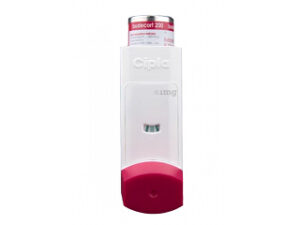



Theo-24 Sr (Theophylline) – Patient Guide (Australia)
Theo-24 Sr is a brand of theophylline in a slow-release (Sr) formulation. It is used to help manage symptoms of certain breathing conditions by improving airflow and reducing inflammation-related airway constriction. This guide explains how Theo-24 Sr works, how it’s typically taken, important safety considerations, and practical tips for getting the best results.
Note: Always follow the instructions provided by your healthcare professional and the directions on the product label.
1) Basic Product Information
- Medicine: Theo-24 Sr (theophylline)
- Formulation: Slow-release (Sr)
- How it’s taken: Oral tablets/capsules depending on pack presentation
- What it’s used for: Long-term control of airway symptoms in selected patients with reversible obstructive airway disease
- Common strengths: Available in different strengths depending on the Australian product listing and supply
Because the exact strength and instructions can vary by product presentation, check your pack for the precise dosing schedule.
2) What Theo-24 Sr Does (Mechanism of Action)
Theophylline helps treat breathing problems by:
- Relaxing smooth muscle in the airways (bronchodilation), which can improve airflow and reduce wheeze.
- Reducing airway responsiveness, meaning the airways may be less likely to tighten when exposed to triggers (such as cold air, infections, allergens, or smoke).
- Modulating inflammation pathways and other cellular signals involved in asthma and chronic airway disease.
As a slow-release medicine, Theo-24 Sr is designed to release theophylline gradually to maintain steadier drug levels over the day.
3) Pharmacokinetics (How the Body Handles It)
Theophylline has a narrow therapeutic range, meaning the difference between a helpful dose and a dose that causes side effects can be relatively small. For that reason, blood level monitoring is sometimes used—particularly when starting treatment, changing dose, or when interacting medicines are added/removed.
- Absorption: Theo-24 Sr is absorbed through the gut. Slow release helps provide more stable levels compared with immediate-release forms.
- Distribution: Theophylline distributes widely throughout body tissues.
- Metabolism: Mainly metabolised by the liver (commonly involving CYP enzymes).
- Elimination: Primarily excreted by the kidneys as metabolites.
- Half-life: Can vary between individuals and with factors such as smoking status, liver function, age, and interacting medicines.
Why this matters: Conditions and other drugs that affect liver metabolism can change theophylline levels—sometimes quickly—raising the risk of toxicity or reducing effectiveness.
4) Typical Use and Indications
In Australia, theophylline products like Theo-24 Sr may be used in selected patients for long-term management of obstructive airway conditions where additional bronchodilation is needed. Your prescriber will consider your symptoms, current treatments, and risk factors before choosing theophylline.
Common indications may include:
- Asthma (particularly in people with persistent symptoms despite other controller medicines, or where specific treatment strategies apply)
- COPD / chronic obstructive pulmonary disease (as an add-on bronchodilator in selected cases)
There is also a separate role for theophylline in some clinical circumstances, depending on guideline recommendations and individual response.
5) When to Take It (Timing and Dosing Schedule)
The “Sr” slow-release design means dosing is often once daily (or sometimes as directed). The goal is to maintain a steadier effect over 24 hours.
Typical timing approach:
- Take at the same time each day to keep levels stable.
- Do not crush or split slow-release tablets unless your product instructions explicitly allow it.
- Follow your label and healthcare professional’s schedule.
If you miss a dose: Take it when you remember if it’s close to the usual time. If it’s nearly time for the next dose, skip the missed dose and continue normally. Do not take a double dose.
6) Dosing (What’s Typical)
Dose must be individualised due to theophylline’s narrow therapeutic range and variability in metabolism. A clinician may start at a conservative dose and adjust based on symptom control and, when appropriate, theophylline blood concentration.
General principles of dosing:
- Start low and adjust based on response and safety.
- Monitoring may be recommended for certain patients, especially when starting, titrating, or using interacting medicines.
- Special caution in older adults, liver disease, heart failure, and in people who smoke or stop smoking.
Important: This website content is educational and cannot replace medical advice. Your actual dose should be taken directly from your prescribed directions and the product packaging.
7) Food Interactions (Diet and How to Take It with Meals)
Food can influence absorption and theophylline levels for some people. In practical terms, many patients take Theo-24 Sr either with a consistent meal pattern or at the same time relative to meals each day.
- Consistency is key: Try to take your dose in the same way each day (e.g., always with food or always on an empty stomach), unless your healthcare professional advises otherwise.
- Avoid sudden diet changes: If your eating pattern changes significantly, inform your healthcare professional, particularly if you smoke or start/stop alcohol frequently.
Some foods and supplements may affect drug metabolism indirectly. If you are considering new supplements, herbal products, or major dietary changes, ask a pharmacist first.
8) Alcohol Interactions (What to Know)
Alcohol may increase the risk of side effects (such as stomach irritation, dizziness, or sleep disturbance) and can also affect liver metabolism, potentially altering theophylline levels.
- Limit or avoid alcohol if you notice side effects after drinking.
- Inform your clinician if you drink regularly, binge drink, or have liver disease.
Because tolerance and metabolism vary, it’s safest to discuss alcohol use with your healthcare provider—especially during dose changes.
9) Medicine Interactions (Very Important)
Theophylline has significant interactions with many medicines. Some can increase theophylline levels (raising toxicity risk), while others can decrease levels (reducing effectiveness).
Common interaction categories include:
- Antibiotics (certain macrolides, quinolones, and other agents) may raise theophylline levels.
- Antifungal medicines may increase theophylline levels.
- Anti-seizure medicines may alter metabolism and change theophylline levels.
- Heart medicines and certain rhythm drugs may increase side effects risk in some patients.
- Cimetidine and some acid-reducing medications can increase theophylline levels.
- Other bronchodilators may increase overall effects and side effects (though they may also be prescribed together).
- Herbal products (notably those that affect metabolism) may alter levels.
Smoking and stopping smoking
- Smoking can lower theophylline levels by inducing liver enzymes.
- Stopping smoking can raise theophylline levels, sometimes leading to toxicity if the dose isn’t adjusted.
Practical advice
- Tell your pharmacist about all medicines you take, including over-the-counter products and supplements.
- Ask before starting any new medicine, including antibiotics.
- If you have symptoms of toxicity (see below), seek advice promptly.
10) Safety Profile and Side Effects
Like all medicines, Theo-24 Sr can cause side effects. Due to theophylline’s narrow therapeutic range, side effects may be more likely if levels become too high.
Common side effects
- Nausea, vomiting
- Heartburn or stomach discomfort
- Headache
- Tremor or jitteriness
- Sleep disturbance
- Feeling restless
Serious side effects (seek urgent advice)
- Severe persistent vomiting
- Fast or irregular heartbeat, palpitations, chest discomfort
- Confusion, marked agitation, or seizures
- Severe dizziness or fainting
- Signs of an allergic reaction such as swelling of face/lips, difficulty breathing, or widespread rash
If you experience serious symptoms, contact emergency services or seek urgent medical attention.
Risk factors for higher levels
- Higher doses
- Liver impairment
- Older age
- Interactions with other medicines that inhibit metabolism
- Stopping smoking (or smoking pattern changes)
11) Practical Use Tips (How to Get the Best Results)
- Use a consistent routine: Take your dose at the same time each day.
- Don’t change smoking habits suddenly without discussing dose adjustments.
- Avoid doubling doses if you miss one.
- Be cautious with caffeine: Coffee, tea, energy drinks, and some pre-workout products contain caffeine, which may worsen tremor, palpitations, and sleep problems. Keep intake steady and moderate.
- Keep track of side effects: If you develop new jitteriness, nausea, or palpitations, seek advice. These can be early signs that theophylline levels are too high.
- Monitoring: If your clinician recommends blood level checks, attend the tests as scheduled and inform the clinic about any medication changes.
12) Alternative Options
Depending on your condition and severity, there are several bronchodilator and controller options that may be considered as alternatives to theophylline. Your clinician will select options based on symptom control, exacerbation risk, comorbidities, and side-effect tolerance.
Common alternatives include:
- Inhaled bronchodilators (short-acting and long-acting) such as beta-agonists
- Inhaled corticosteroids (often in combination inhalers for asthma)
- Combination inhalers for COPD or asthma
- Other systemic options in specific scenarios (depending on guideline and individual risk/benefit)
Because theophylline has a different mechanism and safety considerations, switching therapies should be done under clinical guidance.
13) Market and Legal Context in Australia (Overview)
In Australia, medicines are regulated through the Therapeutic Goods Administration (TGA). Availability may vary by supply chain and manufacturer distribution. Medicines containing theophylline may be supplied as listed pharmaceutical products in accordance with Australian regulations.
Important: Pharmacy supply rules, product scheduling, and professional obligations may affect how the medicine is dispensed. Always ensure you purchase from reputable Australian pharmacies and follow local safety requirements.
14) Recent Guidance and Clinical Considerations (General)
Clinical practice in Australia and internationally has increasingly emphasised:
- Optimising inhaled therapy first for many people with asthma and COPD
- Assessing the risk/benefit of systemic bronchodilators and theophylline due to side effects and interactions
- Individualised dosing and consideration of therapeutic drug monitoring where appropriate
- Reviewing interacting medicines at each step of care (especially antibiotics, antifungals, and seizure medications)
Your prescriber may review your regimen periodically to confirm that Theo-24 Sr remains suitable for your current symptoms and risk profile.
15) Delivery and Availability (Australia)
Delivery availability can vary by location, courier coverage, and stock status. Online pharmacies in Australia typically offer:
- Order processing after payment confirmation and verification steps where required
- Standard and express delivery options (depending on the pharmacy and your postcode)
- Tracking for shipped orders
- Packaging designed to protect tablets/capsules
To reduce waiting time, keep your delivery address up to date and ensure contact details are correct in case the courier needs to confirm delivery.
16) Frequently Asked Questions (FAQ)
1) What is Theo-24 Sr used for?
It’s used for long-term management of airway obstruction symptoms in selected patients. It helps improve breathing by relaxing airway smooth muscle and reducing airway responsiveness.
2) How long does Theo-24 Sr take to work?
Many people notice symptom improvement over time after starting treatment, but the full benefit may require consistent daily use. If symptoms worsen or you feel unwell, seek advice promptly.
3) Can I take Theo-24 Sr with my other inhalers?
Often, yes—many people use inhalers alongside theophylline. However, it’s essential to discuss your full medication list with a pharmacist to check for interactions and ensure correct dosing.
4) Should I avoid caffeine?
It’s wise to keep caffeine intake moderate and consistent. High caffeine can increase side effects such as tremor, palpitations, and insomnia.
5) What should I do if I miss a dose?
Take it when you remember if it’s close to the scheduled time. If it’s near the next dose, skip the missed dose and continue normally. Do not take a double dose.
6) What are signs that theophylline levels may be too high?
Possible early signs include nausea/vomiting, tremor, restlessness, headache, sleep disturbance, and palpitations. Serious symptoms can include seizures or significant heart rhythm problems—seek urgent advice.
7) Are there foods I must avoid?
There are no universal “must avoid” foods, but take the medicine consistently with meals as advised. Major dietary changes or supplements should be discussed with your pharmacist.
8) Can alcohol affect Theo-24 Sr?
Alcohol may increase side effects and can influence liver metabolism. It’s safest to limit alcohol and consult your healthcare professional if you drink regularly or have liver problems.
9) Why is blood monitoring sometimes used?
Theophylline has a narrow therapeutic range and levels can change with age, smoking, liver function, and interacting medicines. Monitoring helps confirm you’re in a safe, effective range.
10) Is the slow-release tablet different from other theophylline forms?
Yes. Slow-release formulations are designed to release medicine over time. Do not crush or alter slow-release tablets unless your specific product instructions allow it.
17) Summary (Key Points to Remember)
- Theo-24 Sr (theophylline) is a slow-release medicine used for selected long-term airway conditions.
- Its effect comes from bronchodilation and reducing airway responsiveness.
- Because of its narrow therapeutic range, side effects can occur more easily if levels rise.
- Interactions matter: antibiotics, antifungals, anti-seizure medicines, and smoking changes can significantly affect levels.
- Take it at the same time each day and follow label instructions carefully.
- Seek urgent help for severe symptoms such as seizures or significant heart rhythm problems.
This information is provided for general education. For personalised guidance about suitability, dosing, interactions, and monitoring, consult your healthcare professional or a pharmacist.