
Toradol (Ketorolac) – Patient Information (Australia)
Toradol is a medicine containing ketorolac, a strong non-steroidal anti-inflammatory drug (NSAID) used to relieve short-term, moderate to severe pain. It works by reducing pain signals and inflammation. Because ketorolac can cause serious stomach, kidney, and bleeding-related side effects, it is generally used for the shortest duration possible.
Quick overview
- Active ingredient: Ketorolac (as ketorolac trometamol depending on formulation)
- Drug class: NSAID
- Common purpose: Short-term relief of moderate to severe pain
- Key cautions: Stomach bleeding/ulcers, kidney effects, increased bleeding risk
- Typical duration: Usually limited to a brief period
Basic product information
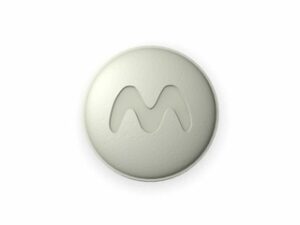
Toradol is marketed in different forms worldwide (commonly tablets and injectable formulations). The exact presentation available may vary by supply and regulations in Australia. This page focuses on ketorolac broadly and provides patient-friendly information relevant to common use.
| Category | Details |
|---|---|
| Medicine name | Toradol (ketorolac) |
| What it does | Relieves pain; reduces inflammation |
| How it’s taken | Depends on formulation (e.g., tablets or injection) |
| When it’s used | Short-term treatment of moderate to severe pain |
| How long it’s typically used | As brief as possible due to safety considerations |
How Toradol works (mechanism of action)
Ketorolac belongs to the NSAID family. It works mainly by blocking enzymes (cyclooxygenase, COX-1 and COX-2) involved in making prostaglandins. Prostaglandins play a key role in:
- Pain signalling (making nerve endings more sensitive)
- Inflammation (swelling, redness, tissue irritation)
- Protecting the stomach lining (COX-1 especially)
By reducing prostaglandins, ketorolac can provide strong pain relief. However, this same pathway is also linked to stomach irritation and bleeding risk and can affect kidney blood flow, which is why safety monitoring and limited duration are important.
Pharmacokinetics (how the body handles ketorolac)
Pharmacokinetics describes how ketorolac is absorbed, distributed, metabolised, and eliminated. While individual responses can vary, key concepts include:
- Absorption: Oral ketorolac is absorbed from the gastrointestinal tract; onset of pain relief is often within a short timeframe after taking a dose.
- Distribution: Ketorolac distributes through the body and can reach tissues involved in pain. Protein binding is relevant for drug distribution and interactions.
- Metabolism: Ketorolac is metabolised mainly in the liver.
- Elimination: Metabolites and a portion of unchanged drug are removed largely through the kidneys. Reduced kidney function can increase ketorolac levels, raising risk.
- Half-life: The duration of action depends on clearance, including kidney function.
Because elimination relies substantially on the kidneys, patients with kidney impairment, dehydration, or certain interacting medicines may have an increased risk of side effects.
Typical use and indications
Toradol (ketorolac) is used for short-term management of moderate to severe pain. It is most often used when prompt, strong pain relief is needed and for a brief period to reduce the likelihood of harm.
Examples of pain situations where ketorolac may be considered
- Acute pain following a medical or surgical procedure (depending on clinical setting and formulation)
- Severe pain episodes where a strong NSAID is considered appropriate
- Other short-term pain conditions where the prescriber determines an NSAID is suitable
In everyday practice, ketorolac is generally not intended for routine long-term pain (such as chronic arthritis) due to safety limitations.
Timing: when Toradol starts working and how often
Onset can vary by person and formulation. For oral ketorolac, many people experience pain relief within about an hour, sometimes sooner. Peak effects may occur after absorption.
Important: The dosing schedule depends on the patient’s age, kidney function, and other medicines. Always follow the specific directions that come with your Toradol product or as advised by a healthcare professional.
General timing principles
- Take it at consistent times if multiple doses are required.
- Do not exceed the recommended daily maximum.
- Use the shortest duration possible.
- If pain persists beyond the expected short-term period, seek medical advice rather than continuing NSAIDs.
Dosing (patient-friendly guidance)
Ketorolac dosing is tailored to reduce risk. In general terms, clinicians consider:
- Age: Older adults often have higher risk of side effects.
- Kidney function: Ketorolac is cleared by the kidneys; dose reductions or avoidance may be necessary.
- Other medicines: Concomitant NSAIDs, anticoagulants, antiplatelets, and certain antidepressants can increase harm.
- Severity and cause of pain: Use the lowest effective dose for the shortest time.
Do not take Toradol together with other NSAIDs (e.g., ibuprofen, naproxen, diclofenac, aspirin for pain) unless a healthcare professional specifically instructs you to do so.
Common dosing patterns (general)
For many NSAIDs, dosing is typically given in divided amounts throughout the day. However, exact dosing for ketorolac can differ depending on the formulation and clinical context. Always use the labelled dose information for your product.
| Factor | Why it matters for dosing |
|---|---|
| Kidney health | Ketorolac clearance is reduced with kidney impairment, increasing toxicity risk |
| History of stomach ulcer/bleeding | Higher risk of gastrointestinal bleeding and perforation |
| Age & frailty | Increased vulnerability to kidney and bleeding effects |
| Duration | Risk of serious side effects rises with longer exposure |
| Drug interactions | Some medicines increase ketorolac levels or bleeding risk |
Food interactions and what to eat
Food can affect comfort and, for some NSAIDs, can change absorption characteristics. For ketorolac:
- Taking with food or milk may reduce stomach irritation for some people.
- Avoid taking on an empty stomach if you have a sensitive stomach.
- Do not rely on food to make the medicine “safe” for your stomach; risk of ulcers and bleeding still exists.
If you experience burning pain in the upper abdomen, black/tarry stools, vomiting blood, or unexplained dizziness, stop and seek urgent medical advice.
Alcohol and medicine interactions
Alcohol
Combining ketorolac and alcohol can increase the risk of stomach irritation, ulcers, and bleeding. Alcohol may also worsen dizziness or drowsiness in some people and may add strain to the body. As a general safety measure, it’s best to avoid or limit alcohol while taking Toradol.
Common medicine interactions
Ketorolac interacts with several medicine groups. If you are taking any of the following, talk to a healthcare professional before using Toradol:
- Other NSAIDs (ibuprofen, naproxen, diclofenac, aspirin for pain): increased risk of stomach bleeding and kidney harm.
- Anticoagulants (e.g., warfarin) and antiplatelet medicines (e.g., clopidogrel): increased bleeding risk.
- Corticosteroids (e.g., prednisone): increased gastrointestinal bleeding risk.
- SSRIs/SNRIs (some antidepressants): increased bleeding risk when combined with NSAIDs.
- Blood pressure medicines affecting kidneys (ACE inhibitors/ARBs) and diuretics: may increase risk of kidney problems in combination with NSAIDs.
- Lithium: NSAIDs can increase lithium levels.
- Methotrexate (used in some inflammatory conditions and cancer treatment): NSAIDs may increase methotrexate toxicity.
- Probenecid: may affect ketorolac clearance.
- Some supplements (e.g., high-dose omega-3 or others may influence bleeding tendency): discuss with a pharmacist, especially if you have bleeding risk.
This list is not exhaustive. Always provide your pharmacist or doctor with a complete list of medicines, vitamins, and herbal products you use (including occasional “over-the-counter” pain relief).
Safety profile: important warnings
Like all NSAIDs, ketorolac can cause side effects. Some can be serious, particularly if used too long, at high doses, or in people with risk factors.
Potential serious side effects (seek urgent help)
- Stomach or bowel bleeding: symptoms may include black/tarry stools, vomiting blood, or severe abdominal pain.
- Allergic reactions: swelling of face/lips, wheezing, hives, or difficulty breathing.
- Kidney problems: reduced urine output, swelling of ankles/feet, or sudden unexplained fatigue.
- Breathing difficulties: especially in people with aspirin/NSAID sensitivity.
- Chest pain, weakness, or sudden neurological symptoms (rare but urgent).
Common side effects
Not everyone experiences these, but they can include:
- Indigestion, nausea, abdominal discomfort
- Dizziness or headache
- Temporary fluid retention (swelling) in some people
- Increased risk of bruising
Who should be extra cautious
Talk to a healthcare professional if you have any of the following:
- History of stomach ulcers, bleeding, or gastrointestinal perforation
- Kidney disease, dehydration, or risk of reduced kidney blood flow
- Heart disease, stroke history, or significant cardiovascular risk
- Asthma, especially if triggered by aspirin or NSAIDs
- Bleeding disorders or use of blood thinners/antiplatelet medicines
- Severe liver disease
- Pregnancy (especially later pregnancy) and planning pregnancy
Practical use tips (safe, everyday guidance)
- Use only the dose on the label and don’t “top up” early if pain is still present.
- Keep track of timing if you’re taking multiple doses per day to avoid accidental overuse.
- Stay hydrated, especially if you’re unwell or not eating much.
- Avoid alcohol to reduce stomach bleeding risk.
- Don’t combine with other NSAIDs. Choose one pain-relief strategy at a time.
- For stomach protection: if you have risk factors (previous ulcer, older age, or other interacting medicines), ask a pharmacist or doctor what the safest option is for pain relief.
- Stop and seek advice if you develop signs of bleeding, severe abdominal pain, breathlessness, or reduced urination.
Alternative options for pain relief
Pain relief needs vary depending on the cause of pain, severity, and your personal health risks. Below are common alternatives to discuss with a pharmacist or healthcare professional.
Other NSAIDs
- Ibuprofen or naproxen may be used for certain inflammatory pain conditions.
- They still share similar stomach/kidney risks, so the same interaction cautions apply.
Paracetamol (acetaminophen)
- Paracetamol can help with pain and is often easier on the stomach than NSAIDs.
- Ensure you do not exceed the maximum daily dose and account for paracetamol included in cold/flu products.
Non-medicine approaches
- Rest, ice/heat (depending on the injury type)
- Gentle movement and stretching (if appropriate)
- Physiotherapy techniques
- Topical pain relief options (for certain musculoskeletal pains)
If your pain is persistent, worsening, or linked to symptoms such as fever, swelling, numbness, chest pain, or breathing difficulty, seek prompt medical advice rather than switching between strong analgesics repeatedly.
Market and legal context in Australia
Medicines in Australia are regulated through the Therapeutic Goods Administration (TGA) and must be supplied in accordance with Australian law and scheduling requirements. The availability of ketorolac products can vary, including which formulations are stocked and how they are supplied (for example, whether they are restricted or dispensed under specific conditions).
For online purchasing, a reputable pharmacy will generally provide access to information, require appropriate customer details for safety checks, and ensure delivery complies with Australian regulations.
Note: Product availability, scheduling, and guidance can change over time based on safety reviews and policy decisions. Always rely on the current information available through the TGA and the product packaging.
Recent guidance and safety reminders
Health authorities continue to emphasise several key points for NSAIDs, including ketorolac:
- Use the lowest effective dose for the shortest possible time.
- Avoid NSAIDs when risk factors are present (particularly stomach bleeding history and kidney impairment).
- Do not combine NSAIDs with other medicines that increase bleeding risk (for example anticoagulants/antiplatelets) unless medically supervised.
- Monitor for warning symptoms such as black stools, vomiting blood, reduced urination, or unusual bruising.
If you are unsure whether Toradol is appropriate for your situation, speak with a pharmacist—especially if you have other health conditions or you take regular medicines.
Delivery and availability (online pharmacy)
Availability of Toradol/ketorolac may depend on stock levels and formulation. When ordering online in Australia, a pharmacy typically:
- Performs safety checks based on the details provided
- Confirms appropriate product selection
- Ships to eligible Australian addresses
- Provides tracking and delivery updates where available
Delivery times vary by location and dispatch schedules. During checkout, you’ll typically see estimated delivery timeframes and any shipping fees.
Tip: If you need it urgently, choose standard or express options if offered and check local cut-off times for dispatch.
FAQ
1) What is Toradol used for?
Toradol (ketorolac) is used for short-term relief of moderate to severe pain. It is generally intended for brief use because of increased risk of serious side effects with longer treatment.
2) How quickly does Toradol work?
Many people notice pain relief within about an hour after taking an oral dose, though timing can vary. If pain is not improving as expected, it’s important to seek advice rather than increasing the dose.
3) Can I take Toradol with food?
Often, taking Toradol with food (or milk) can reduce stomach upset for some people. However, this does not eliminate the risk of ulcers or bleeding.
4) Can I drink alcohol while taking Toradol?
It’s best to avoid or limit alcohol because alcohol can increase the risk of stomach irritation and bleeding.
5) Is it safe to combine Toradol with ibuprofen or naproxen?
Generally, do not combine ketorolac with other NSAIDs such as ibuprofen or naproxen, unless a healthcare professional advises otherwise. Combining NSAIDs increases the risk of stomach and kidney harm.
6) What medicines commonly interact with ketorolac?
Interactions can occur with anticoagulants/antiplatelets, corticosteroids, antidepressants (SSRIs/SNRIs), blood pressure medicines (ACE inhibitors/ARBs) and diuretics, as well as certain other medicines like lithium and methotrexate. If you take medicines regularly, check with your pharmacist.
7) Who should avoid Toradol?
People with a history of NSAID-related allergic reactions, current or previous stomach ulcers/bleeding, significant kidney disease, or certain bleeding risks may need to avoid ketorolac or use it only with close medical advice.
8) What side effects should I watch for?
Seek urgent help if you have symptoms of stomach bleeding (black/tarry stools, vomiting blood), allergic reaction (facial swelling, wheezing), kidney issues (reduced urine output, swelling), or severe abdominal pain.
9) Can I use Toradol for chronic pain?
Ketorolac is generally intended for short-term pain. For ongoing conditions, safer long-term strategies may be available (such as paracetamol, physiotherapy, or other targeted therapies). Ask for advice.
10) If I miss a dose, what should I do?
Take it when remembered only if it doesn’t bring you close to the next scheduled dose. If it’s almost time for the next dose, skip the missed one and continue as directed. Do not double up.
Important closing notes
Toradol (ketorolac) can provide strong pain relief, but it is not suitable for everyone. If you have risk factors for stomach bleeding, kidney problems, or are taking medicines that affect bleeding or kidney function, discuss your options with a healthcare professional.
For the safest use, follow the product label directions, use the shortest effective duration, and seek medical advice if symptoms worsen or do not improve.