

Voltarol (Diclofenac) – Patient-Friendly Guide (Australia)
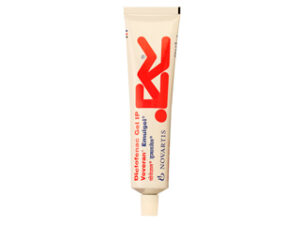
Voltarol is a brand of medicines containing diclofenac, a member of the non-steroidal anti-inflammatory drugs (NSAIDs) used to relieve pain and inflammation. Depending on the specific Voltarol product (for example, topical gel versus oral tablets), it may be used for different conditions and follows different dosing schedules.
This guide is designed to help you understand how diclofenac works, how to use Voltarol safely, and what to consider regarding food, alcohol, other medicines, and general safety. Always check the package directions for your exact product.
1) Basic product information
- Active ingredient: Diclofenac
- Medicine group: NSAID (anti-inflammatory and pain-relieving)
- Brand: Voltarol
- Common forms (varies by product): topical gel/cream, tablets/capsules, and other formulations
- Common uses: pain relief and reducing inflammation
In Australia, diclofenac products may be supplied as topical formulations (often for localized joint/muscle pain) and oral formulations (for more widespread pain), depending on the specific strength and classification. Availability can vary by brand and formulation.
2) How diclofenac works (mechanism of action)
Diclofenac works by reducing the production of substances called prostaglandins. Prostaglandins are involved in pain signalling, inflammation, and fever. They are generated through the cyclooxygenase (COX) pathway, particularly involving COX-1 and COX-2 enzymes.
By inhibiting COX enzymes, diclofenac can help to:
- Reduce pain in affected areas
- Decrease inflammation and swelling
- Improve function (for example, moving or using a painful joint)
Because it targets inflammation pathways, diclofenac may start to relieve symptoms soon after use, with further improvement as inflammation settles.
3) Pharmacokinetics (how the body handles diclofenac)
Pharmacokinetics varies by route (topical vs oral) and product formulation. Below is a simplified patient-friendly overview.
Topical diclofenac (e.g., Voltarol gel/cream)
- Absorption: Applied to skin over the painful area; a portion enters the bloodstream.
- Local effect: Most benefit is expected where the gel is applied.
- Systemic exposure: Generally lower than oral diclofenac, but not zero.
Oral diclofenac (tablets/capsules)
- Absorption: Diclofenac is absorbed through the gastrointestinal tract.
- Distribution: It circulates in the body and can reach inflamed tissues.
- Metabolism: Mainly processed by the liver.
- Elimination: Broken down and removed primarily through urine and bile.
If you have liver disease, kidney disease, or take medicines that affect bleeding or stomach protection, talk to a healthcare professional before using diclofenac.
4) Typical uses and indications
Voltarol (diclofenac) is used to relieve pain and inflammation associated with a range of musculoskeletal conditions. The exact indication depends on the product type and strength.
Common indications
- Joint pain (for example, arthritis-related aches)
- Osteoarthritis symptoms (pain, stiffness)
- Muscle and soft tissue pain (sprains, strains, sports injuries—topical products may be used for local pain)
- Back or neck pain due to inflammation or strain (depending on formulation)
- Inflammatory conditions where symptom relief is needed
For the most accurate indication list for your specific Voltarol product, check the package leaflet and label.
5) Timing: when it starts to work and how long to use
Response times vary between individuals and between topical and oral products. In general:
- Topical diclofenac: Many people notice symptom relief within the first day, though full benefit may take several days.
- Oral diclofenac: Pain relief may begin within hours, depending on the formulation and dose.
How long you should use it: Use the lowest effective dose for the shortest duration needed to control symptoms. If you need diclofenac for more than a few days (or if symptoms worsen), consider seeking advice from a healthcare professional.
Seek urgent care if you have severe allergic reactions, black/tarry stools, vomiting blood, chest pain, sudden weakness or shortness of breath, or signs of serious liver/kidney problems.
6) How to take/use Voltarol: dosing overview (general guidance)
Dosing depends on the specific formulation and strength. Always follow the dose directions on your product label or leaflet. The information below is a general orientation, not a substitute for the label.
Topical dosing (gel/cream)
- Apply to clean, dry skin over the painful area.
- Wash hands after application (unless your hands are the treated area).
- Avoid broken skin, eyes, and mucous membranes.
- Do not use with occlusive dressings unless directed.
- Frequency: Commonly applied multiple times daily; follow your product instructions.
Oral dosing (tablets/capsules)
- Take with water and follow the schedule on the label.
- Lower dose first: Many people start at the lowest effective strength.
- Maximum daily dose: Do not exceed the stated maximum on the package leaflet.
- Missed dose: Take when remembered unless close to the next dose—then skip the missed dose.
If you are unsure which dose applies to your specific product, check the label or speak with a pharmacist.
7) Food interactions: can you take diclofenac with meals?
Food effects differ depending on formulation. In general, taking oral diclofenac with food or after meals can help reduce stomach upset.
- Oral diclofenac: Food may delay absorption slightly, but can improve tolerability.
- Topical diclofenac: Food is generally not relevant because absorption is local and systemic uptake is lower.
If you have a sensitive stomach, indigestion, reflux, or a history of ulcers, avoid taking oral diclofenac on an empty stomach unless your pharmacist or doctor advises otherwise.
8) Alcohol and medicine interactions
Alcohol
Alcohol can increase the risk of stomach irritation and bleeding when combined with NSAIDs. For that reason, it’s generally recommended to limit alcohol or avoid it while using diclofenac, especially oral formulations.
Interactions with other medicines (important)
Diclofenac can interact with a range of medicines. Below are common interaction categories to discuss with a pharmacist. Your risk depends on dose, duration, your medical history, and what else you take.
- Other NSAIDs (e.g., ibuprofen, naproxen, aspirin for pain): increased bleeding and stomach/kidney risk. Avoid taking together unless specifically directed.
- Anticoagulants (e.g., warfarin, apixaban, rivaroxaban, dabigatran): increased bleeding risk.
- Antiplatelet agents (e.g., clopidogrel): higher bleeding risk.
- Corticosteroids (e.g., prednisone): increased risk of stomach irritation/ulcers.
- SSRIs/SNRIs (e.g., sertraline, fluoxetine, venlafaxine): increased gastrointestinal bleeding risk.
- Blood pressure medicines (ACE inhibitors/ARBs) and diuretics (the “triple whammy” effect with kidney risk): NSAIDs may worsen kidney function, especially with dehydration.
- Lithium: NSAIDs can raise lithium levels, increasing toxicity risk.
- Methotrexate: NSAIDs may increase methotrexate levels and toxicity risk.
- Digoxin: may increase digoxin levels.
- Diabetes medicines (some): NSAIDs can affect blood sugar control in some people.
If you take any regular medications, it’s a good idea to review your medication list with a pharmacist before starting diclofenac.
9) Safety profile: who should be cautious?
Like other NSAIDs, diclofenac can cause side effects. Some people may have a higher risk of complications, particularly with oral NSAIDs or if used for longer periods.
Common side effects (more likely with oral use)
- Stomach discomfort, indigestion, heartburn
- Nausea
- Headache
- Dizziness
Topical side effects
- Skin redness, itching, or irritation where applied
- Rash or dryness
- Sensitivity to sunlight in some people
Serious side effects (seek urgent medical help)
- Allergic reaction (swelling of face/lips, breathing difficulty, severe rash)
- Gastrointestinal bleeding (vomiting blood, black/tarry stools)
- Heart or stroke symptoms (chest pain, sudden weakness, trouble speaking)
- Kidney problems (decreased urination, swelling of legs/feet)
- Liver problems (yellowing of skin/eyes, severe fatigue, dark urine)
- Severe skin reactions (blistering, peeling rash)
People who should be extra cautious
- History of stomach ulcers or gastrointestinal bleeding
- History of NSAID allergy or asthma triggered by NSAIDs
- Heart disease, stroke history, or risk factors for cardiovascular disease
- Kidney or liver disease
- Uncontrolled high blood pressure
- Older adults (higher risk of side effects)
10) Practical use tips for best results
- Use the right product form for the pain area: topical diclofenac may be suitable for localized aches; oral forms may suit other pain types.
- Check the dosage frequency: apply or take as directed; do not “double up” if you miss a dose.
- Consider protecting your stomach: take oral diclofenac with food if it upsets your stomach.
- Stay hydrated: especially if you are at risk of dehydration or taking diuretics.
- Avoid combining with other NSAIDs: don’t take ibuprofen/naproxen alongside diclofenac.
- Use cold/heat wisely: cold can help after a fresh injury; heat may help stiffness once the acute phase has passed.
- Track your symptoms: if pain persists beyond the expected period, reassess the cause.
- Topical hygiene: apply to the affected area only and wash hands; avoid contact with eyes.
If pain is severe, persistent, or associated with fever, significant swelling, or injury, seek medical advice.
11) Alternative options to diclofenac
Depending on your condition, alternatives may include other pain relief strategies or medications. Options can include:
Other NSAIDs
- Ibuprofen
- Naproxen
Non-NSAID pain relief
- Paracetamol (acetaminophen) for pain (does not act as an anti-inflammatory in the same way)
Non-medicine approaches
- Physiotherapy or exercise programs
- Stretching and strengthening
- Rest and activity modification
- Supportive measures such as braces or ice/heat
The “best” alternative depends on your medical history and the type of pain (inflammatory vs non-inflammatory, localized vs widespread). A pharmacist can help you choose the safest option.
12) Voltarol (diclofenac) in the Australian market: legal and guidance context
In Australia, the classification and availability of medicines depend on formulation, strength, and safety considerations. Diclofenac may be available as topical products and other forms depending on current scheduling and regulatory decisions.
Key points commonly relevant in Australia include:
- Consumer safety: clear label directions, maximum daily doses, and warnings about stomach bleeding and cardiovascular risk.
- Pharmacist support: retail supply may include advice on suitable use and interactions.
- Ongoing safety monitoring: regulatory bodies review emerging safety evidence and may update warnings or supply restrictions.
If you are unsure whether your product is currently available without restricted supply in your area, check the listing on the pharmacy site or ask a pharmacist.
Recent safety guidance (general themes)
While specific advisories vary over time, recent global and local safety messaging around NSAIDs commonly emphasises:
- Use the lowest effective dose for the shortest time.
- Be cautious in people with heart disease, prior stroke, or high cardiovascular risk.
- Recognize warning signs of GI bleeding and kidney problems.
- Avoid combining with other NSAIDs and carefully review other medicines that increase bleeding or affect kidney function.
Always follow the most up-to-date advice in the product leaflet and on the Australian medicine information resources.
13) Delivery and availability (Australia)
Online pharmacies in Australia typically offer delivery of NSAID products depending on stock availability and local regulations. Delivery times can vary by state and suburb, and some products may have ordering limits during high demand periods.
- Availability: Topical diclofenac products are often easier to find than specific oral strengths.
- Dispatch: Orders are usually dispatched within business days if stock is available.
- Packaging: Medicines are supplied in original packaging with consumer information.
- Cold-chain: Diclofenac products are generally not temperature-sensitive in the usual way, but always check product handling instructions.
During checkout, review shipping options and confirm your delivery details are correct to avoid delays.
14) FAQ – Frequently asked questions
1. Is Voltarol (diclofenac) safe for everyone?
Not for everyone. Diclofenac may not be suitable if you have a history of NSAID allergy, asthma triggered by NSAIDs, stomach ulcers/bleeding, significant kidney or liver disease, or certain heart conditions. Check the product leaflet and ask a pharmacist if you have risk factors.
2. What’s the difference between topical and oral diclofenac?
Topical diclofenac is applied to the skin over the painful area and generally provides localized relief with lower systemic exposure. Oral diclofenac affects the whole body and is more likely to be associated with systemic side effects.
3. Can I use Voltarol with other pain medicines?
Avoid combining diclofenac with other NSAIDs (such as ibuprofen or naproxen) unless directed. Paracetamol may be an option for some people, but it still depends on your overall health and other medicines.
4. Can I take it on an empty stomach?
If you are using oral diclofenac, taking it with food may reduce stomach discomfort. If it causes indigestion, avoid empty stomach dosing and consider speaking with a pharmacist.
5. What alcohol interactions should I know about?
Alcohol can increase the risk of stomach irritation and bleeding when used with NSAIDs. It’s generally safer to limit alcohol or avoid it while taking diclofenac, especially oral products.
6. How long should I use it?
Use the lowest effective dose for the shortest duration needed. If symptoms do not improve after a short trial, or if they worsen, get advice from a healthcare professional.
7. Are there any food restrictions?
There are usually no major food restrictions, but oral diclofenac taken with food can be easier on the stomach. Topical diclofenac does not have meaningful food interactions.
8. What should I do if I miss a dose?
Take the missed dose only if it is not close to the next scheduled dose. If you are close to the next dose, skip the missed one. Don’t take extra to make up for it.
9. When should I seek medical help?
Seek urgent care for signs of an allergic reaction, gastrointestinal bleeding (black stools or vomiting blood), severe abdominal pain, chest pain, stroke-like symptoms, or signs of liver/kidney problems.
10. Does diclofenac affect driving or operating machinery?
Diclofenac can occasionally cause dizziness or headache in some people. If you feel unwell or dizzy, avoid driving or operating machinery.
15) Quick reference: key points at a glance
| Topic | Patient-friendly summary |
|---|---|
| What it is | Voltarol contains diclofenac, an NSAID for pain relief and inflammation. |
| How it works | Reduces prostaglandins by inhibiting COX enzymes, lowering pain and inflammation. |
| Topical vs oral | Topical treats localized pain on the skin; oral has broader whole-body effects. |
| Timing | Often starts helping within hours (oral) or within the first day (topical), with fuller effect over days. |
| Food | Oral diclofenac may be easier with meals; topical has minimal food interaction. |
| Alcohol | Increases risk of stomach irritation/bleeding; limit or avoid, especially with oral products. |
| Common interactions | Other NSAIDs, anticoagulants/antiplatelets, corticosteroids, SSRIs/SNRIs, ACE inhibitors/ARBs, diuretics, lithium, methotrexate. |
| Safety watch-outs | Stomach bleeding, allergic reactions, heart/stroke symptoms, kidney/liver problems. |
Important: This information is general. Always follow the specific directions provided with your Voltarol product and check the consumer medicine information leaflet for complete details.