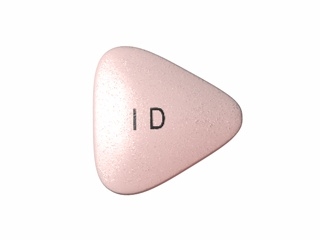

Voveran® (Diclofenac) – Patient Guide (Australia)
Voveran® is a brand of diclofenac, a medicine from the group called non-steroidal anti-inflammatory drugs (NSAIDs). It is used to help relieve pain and reduce inflammation caused by a range of conditions, including muscle and joint problems.
This guide explains what Voveran is, how it works, when it’s typically used, how to take it safely, and what to watch for—especially in relation to food, alcohol, and other medicines.
1) Basic product information
| Feature | Information |
|---|---|
| Medicine name | Voveran® (diclofenac) |
| Drug class | NSAID (anti-inflammatory pain reliever) |
| Common forms (may vary by product) | Tablets/relieved formulations and topical options may be available depending on the brand and strength |
| Typical goals | Pain relief, inflammation reduction, improved mobility |
| Where it’s used | Musculoskeletal pain (e.g., arthritis, sprains), dental pain, and other inflammatory pain conditions (see indications) |
Note: Strengths and exact dosing instructions depend on the Voveran formulation you choose (for example, standard vs prolonged/extended-release products). Always check the label or product information for your specific strength and form.
2) How Voveran works (mechanism of action)
Diclofenac works mainly by blocking enzymes called cyclo-oxygenase (COX-1 and COX-2). These enzymes help produce prostaglandins—substances in the body that contribute to:
- Pain sensitivity
- Inflammation (swelling and redness)
- Fever (in some illnesses)
By reducing prostaglandin production, diclofenac can lower pain and inflammation, helping you move more comfortably.
3) Pharmacokinetics (how the body handles diclofenac)
Pharmacokinetics describes what happens to a medicine after you take it—how it’s absorbed, distributed, metabolised, and eliminated.
Absorption
After oral dosing, diclofenac is absorbed from the gastrointestinal tract. Absorption may be affected by food (details below). Different formulations (e.g., immediate vs prolonged release) may have different absorption patterns.
Distribution
Diclofenac distributes into body tissues and can accumulate in sites of inflammation. It is also highly protein-bound.
Metabolism
Diclofenac is mainly metabolised by the liver (including via cytochrome P450 enzymes). This is one reason why liver disease and drug interactions can matter.
Elimination
Diclofenac and its metabolites are eliminated mainly through the kidneys and to some extent via bile. Your kidney function may influence how safely NSAIDs can be used.
4) Typical uses and indications
Voveran (diclofenac) is used for pain and inflammation from conditions such as:
- Osteoarthritis and other joint pain with inflammation
- Rheumatoid arthritis and inflammatory joint conditions (as part of a broader treatment plan)
- Back pain and musculoskeletal pain (e.g., strains and sprains)
- Sports injuries and soft-tissue inflammation
- Dental pain and post-procedural inflammatory pain (where appropriate)
- Other painful inflammatory conditions as listed in the relevant product information
Diclofenac may relieve symptoms, but it does not cure the underlying cause. If symptoms persist or worsen, it’s important to seek further medical assessment.
5) Timing: when and how to take Voveran
Timing depends on the formulation and the reason you’re taking diclofenac. In general, aim to use the medicine for the shortest duration that helps control your symptoms.
General practical timing tips
- Follow your product label instructions for dose frequency (for example, once or multiple times daily).
- Take your dose at consistent times each day to maintain steady pain control.
- If you miss a dose, take it when you remember unless it’s close to the next dose. Don’t double up.
- Avoid taking more than the recommended dose. Higher doses increase risk of adverse effects.
With or without food?
Because diclofenac can irritate the stomach, it’s commonly advised to take it with food or milk to reduce stomach discomfort—especially if you’re prone to indigestion.
6) Food interactions
Food can influence how quickly diclofenac is absorbed. For many people, taking diclofenac with food may help reduce gastrointestinal irritation. However, the overall anti-inflammatory effect remains the same—timing and tolerability are the main concerns.
- Taking with food may lessen stomach pain, nausea, or heartburn.
- Taking on an empty stomach may increase the chance of gastric irritation.
- Avoid alcohol (see below) because it can further increase stomach and bleeding risk.
If your product is a prolonged-release form, do not crush or break tablets unless the specific product information allows it. Doing so may affect how the medicine is released.
7) Alcohol interactions (and why they matter)
Combining NSAIDs like diclofenac with alcohol can increase the risk of:
- Stomach irritation (gastritis)
- Gastrointestinal bleeding
- Ulcer complications
- Kidney strain in susceptible individuals
If you drink alcohol, consider limiting it while you’re using diclofenac. Avoid binge drinking, and stop and seek advice if you notice signs of bleeding (e.g., black/tarry stools, vomiting blood).
8) Medicine interactions (important)
NSAIDs can interact with other medicines, particularly those that affect bleeding, kidney function, or the stomach. Tell a pharmacist or healthcare professional about all medicines you use, including over-the-counter products.
Common interaction categories
-
Other NSAIDs (e.g., ibuprofen, naproxen, aspirin used for pain):
Using multiple NSAIDs together increases the risk of stomach bleeding and kidney problems. -
Blood thinners (anticoagulants), such as warfarin:
May raise bleeding risk. -
Antiplatelet medicines (e.g., clopidogrel) or high-dose aspirin:
May increase bleeding risk. -
SSRIs/SNRIs antidepressants (e.g., sertraline, fluoxetine, venlafaxine):
Can increase the likelihood of gastrointestinal bleeding when combined with NSAIDs. -
Corticosteroids (e.g., prednisone):
May increase risk of stomach ulcers/bleeding. -
Diuretics and some blood pressure medicines (e.g., ACE inhibitors or ARBs):
Triple therapy with NSAIDs can increase risk of kidney injury in some people. -
Lithium and digoxin:
NSAIDs may raise levels in the body, increasing the risk of toxicity. -
Methotrexate:
NSAIDs may affect methotrexate clearance, requiring careful monitoring.
Herbals and supplements
Some supplements (for example, high-dose fish oil or herbal products that affect bleeding) could theoretically increase bleeding risk. If you use supplements regularly, it’s wise to mention them when checking interactions.
9) Dosing guidance (how to take Voveran safely)
Dosing must match the exact product strength and formulation. Below is general guidance for adult use patterns and safety principles, but your specific instructions should come from the product label.
General safety principles:
- Use the lowest effective dose.
- Use for the shortest time needed to control symptoms.
- Do not take more than the recommended daily dose.
- If pain continues beyond a few days (or you’re needing it repeatedly), seek advice.
Typical adult dose patterns (may vary by formulation)
Voveran products can include immediate-release and longer-acting forms. Common schedules in practice include:
- Multiple times daily for immediate-release products
- Once daily for certain prolonged-release products
Because strengths differ widely, check your exact package for: mg per tablet, how often, and whether it is prolonged-release.
Children and special populations
Diclofenac use in children depends on age, condition, and product form. If you’re considering Voveran for a child, consult a healthcare professional for age-appropriate guidance.
If you’re older, have ulcers, or have kidney issues
Older adults and people with a history of stomach ulcers or kidney disease require extra caution with NSAIDs. Your dose may need adjustment and monitoring may be recommended.
10) Safety profile: who should be careful and what to watch for
Like all medicines, diclofenac can cause side effects. Most people tolerate it well when used correctly, but NSAIDs can be associated with serious risks—especially with higher doses or longer use.
Serious risks (seek urgent help)
Stop diclofenac and seek urgent medical help if you experience:
- Signs of gastrointestinal bleeding: black/tarry stools, vomiting blood, or persistent abdominal pain
- Allergic reaction: swelling of the face/lips, wheezing, severe rash, or trouble breathing
- Chest pain, shortness of breath, or sudden weakness (possible cardiovascular event)
- Severe skin reactions (e.g., blistering or peeling skin)
- Reduced urination, major fluid retention, or sudden worsening kidney symptoms
- Yellowing of skin/eyes or dark urine (possible liver problems)
Common side effects
- Indigestion, heartburn, stomach discomfort
- Nausea
- Mild dizziness
- Headache
Who should be extra cautious
Use with caution and seek advice if you have any of the following:
- History of stomach ulcer or GI bleeding
- Significant kidney disease or dehydration
- Heart disease, stroke history, or high cardiovascular risk
- Uncontrolled high blood pressure
- Asthma that worsens with NSAIDs
- Liver disease
- Pregnancy (especially later pregnancy)
11) Practical use tips
Start low and be consistent
If you’re using Voveran for short-term pain, try to use it only until symptoms improve. Don’t “stack” multiple NSAIDs in an attempt to get faster relief.
Protect your stomach
- Take with food if you get indigestion.
- Avoid alcohol while using diclofenac.
- Be alert for early signs of stomach problems (burning pain, persistent nausea).
Hydration matters
Being well-hydrated helps support kidney function, especially if you’re unwell, sweating, or taking diuretics.
Use heat or physiotherapy alongside medication
For muscle sprains and strains, consider complementary measures such as gentle movement, rest in moderation, physiotherapy advice, and heat/ice as appropriate. Medication can reduce pain, but movement and recovery strategies help restore function.
12) Alternative options
Depending on your condition and health history, there may be other pain-relief options. Alternatives include:
Non-medicine options
- Physiotherapy and exercise programs
- Heat/cold therapy
- Rest and gradual return to activity
- Supportive devices (e.g., braces) where appropriate
Other medicines (examples)
- Paracetamol (acetaminophen) for pain relief—often gentler on the stomach
- Topical NSAIDs (gel/cream) for localised pain—may reduce stomach exposure
- Other oral NSAIDs (chosen based on your risk profile)
Choosing the right alternative depends on the type of pain, your medical history, and your other medicines. A pharmacist can help you compare suitable options.
13) Australia market and legal context (overview)
In Australia, availability and classification of medicines can vary by formulation, strength, and intended use. Diclofenac products may be supplied through different channels, including:
- Pharmacy supply pathways for certain packs and strengths
- Prescription-only status for some formulations/strengths (depending on local regulations)
- Topical products may be supplied with different restrictions
Online pharmacies in Australia generally require identity and supply checks where applicable, and may request details to ensure safe use. This helps reduce the risk of incorrect dosing or unsafe duplication with other NSAIDs.
Always check the specific product page you’re purchasing for its regulated status and the exact dosing information.
14) Recent guidance and safety messaging (general)
NSAID safety messaging in Australia and internationally has consistently focused on:
- Using the lowest effective dose for the shortest duration
- Considering cardiovascular and gastrointestinal risks, particularly in older adults or those with ulcer history
- Avoiding unnecessary use and preventing duplication with other NSAIDs
- Reviewing medicine interactions (especially anticoagulants, antiplatelets, SSRIs/SNRIs, corticosteroids)
If you’ve recently had a stomach ulcer/bleed, heart event, stroke, or kidney problems, it’s particularly important to discuss NSAID suitability with a healthcare professional.
15) Delivery and availability (online pharmacy)
Availability can vary by product formulation and stock levels. When ordering online, delivery typically depends on:
- Your location (metro vs regional)
- Courier timelines and dispatch cut-off times
- Whether the specific strength is currently in stock
If the item is not currently available, some pharmacies can offer estimated dispatch times or alternatives. Always verify that the product in your cart matches the strength and form you intended.
Storage: Keep diclofenac products at room temperature (unless label instructions specify otherwise), in their original packaging, and out of reach of children.
16) FAQ
Can I take Voveran with food?
Many people find taking diclofenac with food reduces stomach irritation. If your product instructions allow, taking with meals or milk may improve comfort—especially if you’re prone to indigestion.
How long does Voveran take to work?
Pain relief can begin within hours, but the timing varies by formulation and your condition. Prolonged-release forms may provide steadier symptom control across the day.
What if my pain doesn’t improve?
If symptoms don’t improve within a short period, or if they worsen, stop and seek advice. Ongoing pain may need investigation and a treatment plan beyond short-term NSAID use.
Is it safe to take Voveran with other pain medicines?
Avoid combining diclofenac with other NSAIDs (such as ibuprofen or naproxen). If you want additional pain relief, paracetamol is often used as an alternative in practice, but you should confirm suitability based on your health and existing medicines.
Can I drink alcohol while using Voveran?
It’s best to limit or avoid alcohol while taking diclofenac. Alcohol increases the risk of stomach irritation and bleeding, and can affect overall safety.
Who should not use diclofenac?
People with certain medical histories (such as previous NSAID-related allergic reactions, active stomach ulcers/bleeding, significant kidney disease, or certain late pregnancy circumstances) may be unsuitable. If you have any of these issues, ask a pharmacist or healthcare professional before using.
What are warning signs that I should stop and get help?
Stop diclofenac and seek urgent advice for symptoms such as black/tarry stools, vomiting blood, severe allergic symptoms, chest pain/shortness of breath, sudden weakness, severe rash, or signs of liver problems (yellow skin/eyes).
Does Voveran help with inflammation?
Yes. Diclofenac is an anti-inflammatory medicine, so it may reduce swelling and pain related to inflammatory conditions.
Can I use Voveran if I have asthma?
Some people with NSAID-sensitive asthma can react to diclofenac. If you have asthma, especially if you’ve had past NSAID reactions, seek advice before use.
Is topical diclofenac the same as Voveran tablets?
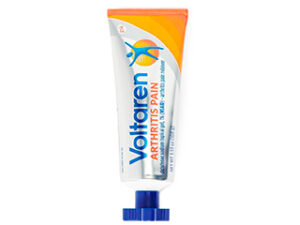
Both contain diclofenac but differ in formulation and absorption. Topical diclofenac may have a different side-effect profile because less drug reaches the bloodstream compared with oral tablets. Choose based on product guidance and your condition.
Summary
Voveran® (diclofenac) is an NSAID used to relieve pain and inflammation for conditions such as arthritis, musculoskeletal injuries, and other inflammatory pain. It works by reducing prostaglandin production via COX inhibition. When used correctly—at the lowest effective dose for the shortest time—many people experience meaningful symptom relief.
Because diclofenac can affect the stomach, kidneys, and cardiovascular system, it’s important to consider food and alcohol, avoid duplication with other NSAIDs, and be aware of interaction risks. If you have ongoing symptoms or any warning signs, seek professional advice promptly.