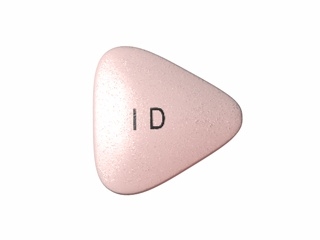

Voveran SR (Diclofenac) — Patient Guide (Australia)
Voveran SR is a brand of diclofenac in a sustained-release (SR) formulation. It is used to help relieve pain and inflammation associated with a range of musculoskeletal conditions and other painful states. This guide explains how it works, how it’s taken, what to expect, and important safety information for people in Australia.
Always read the consumer medicine information (CMI) that comes with your product and follow your clinician or pharmacist’s advice.
Basic product information
| Feature | What it means |
|---|---|
| Medicine | Voveran SR (Diclofenac) |
| Group | Non-steroidal anti-inflammatory drug (NSAID) |
| Formulation | Sustained-release (SR) tablet/capsule (duration designed to last longer) |
| Common reasons for use | Pain and inflammation (e.g., arthritis, musculoskeletal pain) |
| Typical dosing frequency | Often once or twice daily depending on the product strength and medical plan |
| Key safety considerations | Stomach irritation/ulcer risk, kidney effects, cardiovascular risk, interactions with other medicines |
How Voveran SR works (mechanism of action)
Diclofenac belongs to the NSAID family. It works by blocking cyclo-oxygenase (COX) enzymes (COX-1 and COX-2). This reduces the production of prostaglandins, which are chemicals involved in:
- Inflammation and swelling
- Pain signalling
- Fever responses (though Voveran SR is mainly used for pain/inflammation)
The SR (sustained-release) design helps release diclofenac more gradually over time, supporting steadier symptom relief and potentially reducing dosing frequency compared with immediate-release products.
Pharmacokinetics (how the body handles it)
Pharmacokinetics describes what the body does to the medicine. While exact numbers can vary by product strength and individual factors, the general pattern for diclofenac SR includes:
- Absorption: Diclofenac is absorbed after oral dosing. With SR formulations, absorption is slower and more prolonged.
- Peak levels: Blood levels typically rise gradually, with peak concentrations occurring later than immediate-release diclofenac.
- Distribution: Diclofenac binds to plasma proteins and distributes into tissues.
- Metabolism: The liver metabolises diclofenac (primarily via CYP enzyme pathways).
- Elimination: Metabolites are mainly cleared through the kidneys and also via bile/faecal pathways.
- Half-life: Diclofenac’s elimination half-life is usually several hours, but SR design influences the release pattern.
Note for patients: If you have liver or kidney disease, older age, or dehydration, your clinician may adjust treatment or monitor more closely.
What Voveran SR is used for (typical use)
Voveran SR is typically used for conditions where pain and inflammation are prominent. Common indications include:
- Osteoarthritis (wear-and-tear arthritis) — to relieve pain and stiffness
- Rheumatoid arthritis and other inflammatory joint conditions — for pain and inflammation control
- Ankylosing spondylitis (inflammatory back conditions)
- Musculoskeletal pain such as strains, sprains, and tendon-related pain (based on clinical assessment)
- Short-term flare-ups of inflammatory pain where an NSAID is appropriate
Your specific indication and duration depend on the diagnosis, severity, and your risk factors (for example, stomach ulcer history or heart/kidney risk).
When and how to take it (timing & administration)
SR tablets are designed to be taken whole. Do not crush, split, or chew unless your specific product guidance allows it. Altering SR tablets can change how the medicine is released, increasing side effects.
Typical timing
- Many people take Voveran SR once or twice daily, depending on strength and prescriber advice.
- Try to take it at the same time each day to maintain steady symptom control.
With or without food?
For many people, taking diclofenac with food may reduce stomach irritation. However, SR performance can vary by product instructions, so follow the instructions in your CMI.
- If your stomach is sensitive, take it with a meal or right after food (unless the product instructions say otherwise).
- If you experience nausea or heartburn, consider taking it with food and discuss options with a pharmacist.
Missed dose
If you miss a dose, take it when you remember unless it’s close to the next dose. Do not double up.
Food interactions
Food may influence how comfortable diclofenac feels in the stomach. While food doesn’t “neutralise” NSAID risks, it can reduce immediate gastric irritation for some patients.
Practical guidance:
- Take with food if you get stomach upset.
- Limit heavy, greasy meals if they worsen reflux symptoms.
- Avoid lying down immediately after taking the dose if you have reflux/heartburn.
Alcohol + food together: Alcohol can increase irritation of the digestive tract and may increase bleeding risk when combined with NSAIDs (see below).
Alcohol interactions
While occasional alcohol may not be forbidden for every person, combining diclofenac with alcohol increases the risk of:
- Stomach irritation and gastrointestinal bleeding
- Ulcer risk
- Potentially worsened side effects such as dizziness or nausea
Patient-friendly advice:
- If you drink alcohol, consider keeping it moderate.
- Avoid binge drinking.
- Seek advice urgently if you develop black/tarry stools, vomiting blood, or severe stomach pain.
Medicine interactions (important)
Diclofenac can interact with several commonly used medicines. These interactions may increase bleeding risk, affect kidney function, or increase diclofenac levels in the blood.
Common interaction categories
- Other NSAIDs (including ibuprofen, naproxen, aspirin for pain): increased GI and kidney risks.
- Anticoagulants (e.g., warfarin) and antiplatelet medicines (e.g., clopidogrel): increased bleeding risk.
- SSRIs/SNRIs (e.g., sertraline, fluoxetine, venlafaxine): may increase gastrointestinal bleeding risk.
- Corticosteroids (e.g., prednisolone): increased ulcer/bleeding risk.
- Diuretics and blood pressure medicines such as ACE inhibitors/ARBs: may affect kidney function, particularly if you are dehydrated or elderly.
- Lithium: NSAIDs can raise lithium levels (toxicity risk).
- Methotrexate: NSAIDs may increase methotrexate levels and toxicity risk.
- Digoxin: may increase digoxin levels in some situations.
- Potassium-sparing medicines (e.g., spironolactone): possible changes to potassium levels.
- Some diabetes medicines: NSAIDs can alter glucose control in some patients.
What to do
- Keep an updated list of all medicines and supplements you take.
- Ask your pharmacist if it’s safe to take Voveran SR with your current treatments.
- Report any unusual symptoms promptly (easy bruising, black stools, reduced urine, swelling, chest pain).
Indications and eligibility (who it may suit)
Voveran SR may be appropriate when a clinician determines an NSAID is suitable for your condition and risk profile. It may be used for inflammatory or degenerative pain (e.g., arthritis-related pain), especially when:
- You need ongoing pain relief rather than only a single short dose
- Inflammation plays a key role in your symptoms
- Other options are unsuitable or insufficient
Not everyone should use diclofenac. Risk factors and medical history may make it unsuitable, including:
- History of stomach ulcer or gastrointestinal bleeding
- Known NSAID allergy or aspirin-sensitive asthma
- Significant heart disease or high cardiovascular risk (needs individual assessment)
- Serious kidney impairment
- Some people may need to avoid NSAIDs in certain stages of life or health conditions—your clinician can advise
Dosing (general information)
Follow your product instructions and clinician/pharmacist advice. Dosing depends on your diagnosis, age, other medical conditions, and how you respond to treatment.
General principles:
- Use the lowest effective dose for the shortest duration that controls symptoms.
- Do not exceed the maximum daily dose stated in the CMI.
- If symptoms persist, seek advice rather than simply increasing dose.
Typical adult dosing patterns (SR): Many diclofenac SR regimens in practice are once or twice daily depending on strength and indication. The exact dose must be matched to the specific product strength you have and your health circumstances.
Children/adolescents: Use depends on the specific product and age indication. Discuss with a pharmacist or clinician.
Safety profile (what to watch for)
Like all NSAIDs, diclofenac can cause side effects. Most are mild, but some can be serious—particularly involving the stomach, kidneys, or cardiovascular system.
Common side effects
- Indigestion, heartburn, nausea
- Abdominal discomfort
- Headache or dizziness
- Raised liver enzymes (usually identified via blood tests)
Serious side effects (seek urgent medical help)
- Signs of gastrointestinal bleeding:
- Black/tarry stools
- Vomiting blood or “coffee-ground” vomit
- Severe stomach pain
- Allergic reactions:
- Swelling of face/lips
- Wheezing, trouble breathing
- Rash with blistering
- Kidney problems:
- Reduced urine output
- Swelling in legs/ankles
- Sudden weight gain from fluid retention
- Cardiovascular warning signs:
- Chest pain or pressure
- Shortness of breath
- Weakness on one side, speech difficulty
- Severe liver-related symptoms:
- Yellowing of skin/eyes (jaundice)
- Severe fatigue with nausea
- Dark urine
Who needs extra caution?
- Older adults
- People with previous ulcers or bleeding
- People with heart disease, stroke risk, or uncontrolled high blood pressure
- People with kidney impairment, dehydration, or concurrent diuretics/ACE inhibitors/ARBs
- People taking medicines that increase bleeding risk (anticoagulants, antiplatelets, corticosteroids, SSRIs/SNRIs)
Practical use tips (how to get the best benefit safely)
- Don’t “stack” NSAIDs: Avoid taking diclofenac together with other NSAIDs unless your clinician advises it.
- Check your “over-the-counter” medicines: Some cold/flu products contain NSAIDs or aspirin—read labels.
- Use supportive measures: Heat/cold packs, physiotherapy, gentle movement, and stretching often complement medication.
- Review regularly: If you need diclofenac for more than a short period, discuss a plan with your pharmacist/doctor.
- Hydrate: Adequate fluids help reduce kidney stress, especially if you’re taking diuretics or are unwell.
- Stop and seek advice if warning signs occur: particularly black stools, vomiting blood, severe stomach pain, breathing problems, or marked swelling.
Alternative options
If diclofenac is not suitable or doesn’t provide adequate relief, there are several alternatives depending on your condition:
Non-medicine strategies
- Physiotherapy or exercise programs (strengthening, range-of-motion)
- Weight management (for joint pain)
- Hot/cold therapy
- Supportive braces or ergonomic changes
Medication alternatives (discuss with a pharmacist/doctor)
- Paracetamol (acetaminophen): may help mild to moderate pain (generally gentler on the stomach than NSAIDs for many people)
- Topical NSAIDs: such as diclofenac gel for localised joint or soft-tissue pain (lower systemic exposure)
- Other oral NSAIDs: may be considered, balancing GI, kidney, and cardiovascular risks
- For specific inflammatory conditions: targeted anti-inflammatory treatments may be appropriate
- Other pain medicines: depending on diagnosis, severity, and risk profile
Important: Alternatives are not automatically safer—your clinician should consider your personal risk factors.
Market & legal context in Australia
In Australia, diclofenac products are supplied under appropriate scheduling arrangements based on strength, formulation, and intended use. Availability can differ between brands and strengths, and some forms may be supplied only under certain conditions.
Australia-wide medicines information: Patient resources and safety updates are typically provided via official channels such as the Therapeutic Goods Administration (TGA) and the Australian medicines safety communications. Pharmacists also help ensure appropriate selection and safe use for your condition and current medications.
Pharmacist support: Even when a medicine is available through pharmacies, pharmacists can provide guidance on interactions, dosing timing, and risk reduction (for example, stomach protection strategies in some patients).
Recent guidance (what to know now)
Across recent years, medicines safety focus has remained on:
- Lowest effective dose and shortest duration for NSAIDs
- Heightened awareness of gastrointestinal, kidney, and cardiovascular risk
- Careful consideration of interactions with anticoagulants/antiplatelets, SSRIs/SNRIs, corticosteroids, and blood pressure/diuretic therapy
If you have risk factors (e.g., history of ulcers, heart disease, kidney problems, or you take blood-thinning medicines), ask a pharmacist about the safest regimen and possible protective options.
Delivery and availability (online pharmacy)
Voveran SR availability may vary by supplier and strength. Many online pharmacies can provide delivery within Australia depending on stock levels, product scheduling, and delivery address.
- Check product listings for exact strengths and packaging
- Delivery times vary by location and courier service
- Cold chain is generally not required for diclofenac tablets, but follow the delivery handling instructions provided
When ordering online, ensure the medicine strength matches what you intend to use, and review the label and CMI upon arrival.
FAQ — Common questions about Voveran SR (diclofenac)
1) How quickly will Voveran SR start working?
Many people notice symptom improvement within the first day. Because it is sustained-release, relief may be steadier over time. If you’re not improving after a reasonable period or your pain worsens, seek advice.
2) Can I take Voveran SR with other pain medicines?
Some combinations increase risk. Avoid other NSAIDs unless specifically advised. Paracetamol is often used for additional pain relief, but confirm what’s appropriate for you with a pharmacist—especially if you have liver disease or heavy alcohol intake.
3) Is it safe to take diclofenac on an empty stomach?
Some people tolerate it, but it can irritate the stomach. Taking with food may reduce discomfort. If you have a history of reflux or ulcers, discuss options early with a pharmacist.
4) What should I do if I get heartburn or stomach pain?
Stop taking additional doses and seek medical or pharmacy advice if symptoms are severe or persistent. Watch for red flags such as black stools or vomiting blood.
5) Can I drink alcohol while using Voveran SR?
It’s best to limit alcohol. Alcohol plus NSAIDs can increase stomach irritation and bleeding risk. If you have a history of ulcers or bleeding, avoid alcohol or seek advice.
6) What if I miss a dose?
Take it when remembered unless it’s close to the next dose. Do not take extra to “catch up.”
7) Who should not use diclofenac?
People with known NSAID allergy or a history of NSAID-triggered asthma symptoms, those with certain stomach ulcer/bleeding histories, significant kidney problems, and those with specific cardiovascular risk profiles may need alternatives or extra caution. Ask a pharmacist for personalised guidance.
8) Are there alternatives if I can’t tolerate it?
Yes. Depending on your condition, options may include topical NSAIDs, paracetamol, physiotherapy, or other anti-inflammatory strategies. Your clinician/pharmacist can help choose the safest approach.
9) Can I drive or operate machinery?
Most people can drive, but some may experience dizziness or headache. If you feel unwell or impaired, avoid driving and operating machinery.
10) When should I seek urgent help?
Get urgent medical attention if you experience signs of serious bleeding (black stools, vomiting blood), breathing problems, swelling of the face/lips, severe stomach pain, or chest pain/shortness of breath.
Disclaimer: This information is provided for general education only and cannot replace personalised medical advice. If you have questions about suitability, interactions, or correct dosing, consult a pharmacist or healthcare professional.