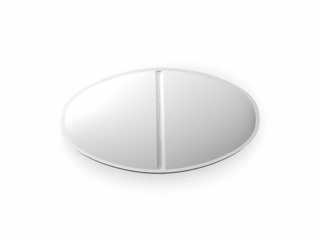
Uniphyl Cr (Theophylline) – Patient Information (Australia)
Uniphyl Cr is a brand of theophylline presented in a controlled-release (Cr) form. It is used to help improve breathing in some people with chronic lung conditions by relaxing airway muscles and improving airflow. This information is designed to be patient-friendly and may help you discuss your treatment with your healthcare professional.
Note: Medicines can affect people differently. Always follow the instructions provided by your doctor and the details on your product packaging.
Key product information
- Active ingredient: Theophylline
- Brand: Uniphyl Cr
- Dosage form: Controlled-release tablet (Cr)
- Common purpose: Maintenance treatment to help prevent and reduce symptoms of chronic airway disease
- Where it may fit: Used in selected adults and children depending on clinical assessment
How Uniphyl Cr works (mechanism of action)
Theophylline is a bronchodilator (airway-relaxing medicine). It helps your airways stay wider and reduces breathing difficulties.
Although theophylline’s actions are complex, key effects include:
- Relaxing bronchial smooth muscle: It helps open airways and improve airflow.
- Anti-inflammatory and airway-modulating effects: It may reduce airway reactivity over time.
- Phosphodiesterase (PDE) inhibition: This contributes to smoother airway muscle relaxation.
- Adensine receptor effects: It may reduce “airway tightening” signals.
Controlled-release formulation: “Cr” indicates the medicine releases theophylline steadily over the day. This is designed to maintain symptom control while reducing rapid peaks that can increase side effects.
Pharmacokinetics (how your body processes it)
Understanding pharmacokinetics can help explain why theophylline needs careful dosing and monitoring in some situations.
Absorption
- Controlled-release tablets are designed for gradual absorption.
- Swallow tablets whole; do not crush or chew unless specifically advised by your prescriber or product information.
Distribution
- Theophylline distributes throughout body tissues, including the lungs.
Metabolism and elimination
- Most theophylline is processed (metabolised) in the liver.
- It is eliminated through the kidneys after metabolism.
Half-life (important for dosing consistency)
Theophylline has a variable half-life (meaning its level may change depending on liver function, age, smoking status, and interacting medicines). Because the medicine can have a narrow “therapeutic range,” some patients may require blood level monitoring to ensure safe, effective dosing.
Typical uses in Australia
Uniphyl Cr is used as a maintenance (ongoing) medicine to help manage symptoms of chronic lung disease where bronchodilator support is needed. Your healthcare professional will consider your symptoms, current inhaler therapy, lung function, and risk factors before adding or continuing theophylline.
In general, theophylline may be considered for:
- Chronic obstructive pulmonary disease (COPD) in selected patients
- Sometimes, asthma or chronic airway conditions where additional controller therapy is appropriate
Important: Theophylline is not usually a “rescue” medicine for sudden breathlessness. If you have sudden symptoms, use your prescribed fast-acting reliever as directed.
When and how to take Uniphyl Cr (timing and routine)
Uniphyl Cr is designed for once or twice daily dosing depending on the prescribed regimen and tablet strength. Controlled-release medicines are intended to be taken consistently at similar times each day.
Practical timing tips
- Take at the same times daily to maintain steady blood levels.
- Swallow whole with water.
- Do not crush or chew the controlled-release tablet.
- If a dose is missed, take it when remembered unless it is close to the next dose—then skip the missed dose. Do not double dose.
Onset of benefit: Because it is a maintenance medicine, benefits are typically assessed over days to weeks rather than minutes.
Food interactions
Food can influence how theophylline is absorbed and tolerated.
General food advice
- It’s often best to take the medicine with food if it causes stomach upset.
- Avoid sudden large changes in eating patterns, especially if you notice side effects.
Caffeine and dietary sources of theophylline-related stimulation
Theophylline is a stimulant-like bronchodilator. While foods don’t contain theophylline itself, some dietary choices may increase stimulation or worsen side effects.
- Be cautious with coffee, tea, cola, energy drinks, and other caffeine-containing products.
- Monitor for symptoms such as palpitations, nausea, tremor, restlessness, or insomnia.
Alcohol interactions
Alcohol can affect how the body handles medicines and may worsen the side-effect profile of theophylline. For safety:
- Limit alcohol and discuss with your healthcare professional if you drink regularly.
- Watch for symptoms such as dizziness, nausea, unusual heart pounding, or worsening stomach upset.
Medicine interactions (including common classes)
Theophylline can interact with other medicines, sometimes causing theophylline levels to rise (increasing side effects) or fall (reducing effectiveness). This is one reason doctors may adjust dosing or consider blood monitoring.
Medicines that may increase theophylline levels
- Some antibiotics (for example, macrolides like erythromycin/clarithromycin)
- Cimetidine and some medicines that reduce stomach acid
- Some antifungal medicines
- Other drugs that reduce liver metabolism
Medicines that may decrease theophylline levels
- Rifampicin (TB treatment)
- Some seizure/epilepsy medicines (enzyme-inducing agents)
- Smoking or changes in smoking status (smoke can increase metabolism)
Other relevant interactions
- Other stimulants or medicines that increase heart rate may increase side effects like palpitations.
- Fluoroquinolone antibiotics (certain antibiotics) may increase risk of adverse effects in some situations.
- Always inform your healthcare professional and pharmacist about all medicines you take, including supplements and herbal products.
Keep a list: Maintain an up-to-date list of your medicines and bring it to appointments.
Indications (when Uniphyl Cr is used)
In Australia, Uniphyl Cr may be used for ongoing maintenance management of chronic airway conditions, typically where additional bronchodilation is needed and where the benefits are judged to outweigh risks.
Your doctor will consider:
- your diagnosis (e.g., COPD or certain asthma situations)
- current inhaler regimen and symptom control
- risk factors for theophylline side effects
- any medicines that may interact
- age and kidney/liver health
Not for sudden attacks: Uniphyl Cr is generally not used to treat acute breathlessness episodes. Ensure you have a suitable reliever plan.
Dosing guidance (general information)
Dosing is individual and depends on factors such as age, smoking status, liver function, interacting medicines, and tolerance. Because theophylline can have a narrow safety margin, it’s important not to self-adjust your dose.
General principles:
- Dose may be once daily or divided depending on the prescribed schedule.
- Starting doses may be lower, especially in people at higher risk of side effects.
- Adjustments may be made based on symptom control, side effects, and sometimes theophylline blood levels.
Controlled-release tablets: Do not change how you take the tablet (e.g., crushing/halving) without medical advice, as this can affect release and increase the risk of toxicity.
If you have questions about your specific dose: Check your prescription label and speak with your pharmacist.
Safety profile: what to expect and when to seek help
Theophylline can cause side effects, particularly if levels become too high. Because levels can be affected by interactions, illness, and lifestyle factors, vigilance is important.
Common side effects
- Nausea or stomach discomfort
- Headache
- Trouble sleeping (insomnia)
- Restlessness
- Tremor (shakiness)
- Heart palpitations
Serious side effects (seek urgent help)
Contact urgent medical care or call emergency services if you experience:
- Severe or worsening palpitations, chest pain, or fainting
- Seizures
- Severe vomiting or inability to keep fluids down
- Confusion or marked drowsiness
- Signs of severe toxicity (often related to very high theophylline levels)
Higher-risk situations
- Older age
- Liver impairment
- Heart rhythm problems
- Consistent changes in smoking habits
- Concurrent medicines that interact with theophylline metabolism
- Acute illness (for example, infections) that can alter drug processing
Pregnancy and breastfeeding (discuss with your clinician)
If you are pregnant, planning pregnancy, or breastfeeding, discuss the risks and benefits with your healthcare professional. Theophylline decisions should be individualised.
Practical use tips for safer, smoother treatment
- Don’t start/stop smoking abruptly: Smoking can change theophylline breakdown. If you change smoking status, inform your doctor.
- Review all medications: Include antibiotics, antifungals, acid reducers, cough/cold products, and herbal preparations.
- Be consistent with dosing times: Controlled-release medicines work best when taken regularly.
- Avoid caffeine overload: Coffee/tea/energy drinks may worsen side effects.
- Stay hydrated: Dehydration can affect tolerability and overall health.
- Know the “warning signs”: Early symptoms like nausea, tremor, restlessness, and palpitations can signal that dose may be too high.
- Use a medication organiser (where appropriate) to reduce missed or doubled doses.
Alternative options
Management of COPD or certain asthma conditions often includes a combination of inhaled therapies. Depending on your diagnosis and response, alternatives may include:
Common inhaled controller options (examples)
- Inhaled corticosteroids (ICS)
- Long-acting beta2-agonists (LABA)
- Long-acting muscarinic antagonists (LAMA)
- Combination inhalers (ICS/LABA or other combinations)
Other bronchodilator options
- Short-acting relievers for acute symptoms (e.g., salbutamol) as part of an action plan
- Other oral bronchodilator strategies may be considered by your healthcare professional
Why alternatives matter: Many patients manage symptoms effectively with inhaled therapies that may have a different side-effect profile compared with theophylline.
Market and legal context in Australia (overview)
In Australia, theophylline-containing medicines are regulated under the Therapeutic Goods Act and related frameworks administered by the Australian Government (including the Therapeutic Goods Administration, TGA). Medicines are classified based on risk and intended use, and this classification affects how they are supplied.
Uniphyl Cr is typically supplied in line with Australian pharmacy and scheduling rules. Always check the product details on the listing you purchase, as classification and supply processes can vary by formulation and strength.
Pharmacist involvement: In Australia, pharmacists may ask questions to confirm safe use, especially for medicines with potential interactions.
Recent guidance and monitoring considerations
Clinical guidance for chronic lung disease evolves. While recommendations differ by condition and patient characteristics, common themes in recent practice include:
- Optimising inhaled therapy before considering additional oral options.
- Reviewing interactions regularly, particularly when starting antibiotics or other new medicines.
- Monitoring for toxicity in higher-risk patients; in some cases, blood theophylline levels may be used to guide dosing.
- Smoking cessation support and stable smoking status due to effects on drug metabolism.
Your local clinician or pharmacist can advise what monitoring is recommended for you personally.
Delivery and availability (Australia)
Availability of Uniphyl Cr may vary by stock levels, tablet strength, and the supply process used by the pharmacy. When ordering online in Australia, you should typically expect:
- Standard delivery and, in some cases, express delivery options depending on location
- Tracking for shipped orders (where available)
- Secure packaging to protect tablets during transit
Delivery timelines: These can change due to supplier lead times and courier schedules. Check the checkout page for the most current estimates.
Storage: Follow the storage instructions on the packaging (commonly store below a specified temperature and protect from moisture).
FAQ – Uniphyl Cr (Theophylline)
1) Is Uniphyl Cr a reliever or a preventer?
Uniphyl Cr is a maintenance (preventer-style) medicine intended for ongoing control. It is generally not used for sudden breathlessness. Use your fast-acting reliever as part of your personalised action plan.
2) How long does it take to work?
Some people notice improvements within days, but the full benefit is usually assessed over weeks as part of your regular lung disease management.
3) Can I crush or split Uniphyl Cr tablets?
Controlled-release tablets are designed to release medicine gradually. In general, you should swallow whole and avoid crushing or chewing unless your healthcare professional specifically instructs otherwise.
4) What should I do if I miss a dose?
If you miss a dose, take it when you remember if it’s not close to the next scheduled dose. If it is near your next dose, skip the missed one. Do not double your dose.
5) Why do I need extra caution with other medicines?
Theophylline levels can change due to drug interactions. Some antibiotics, antifungals, and stomach-acid medicines can increase levels (raising side-effect risk), while other medicines can decrease levels (reducing effectiveness).
6) What symptoms could mean the dose is too high?
Early warning symptoms may include nausea, vomiting, restlessness, tremor, headache, or palpitations. If symptoms are severe or you feel unwell, seek urgent medical advice.
7) Can I drink coffee or alcohol while taking Uniphyl Cr?
Be cautious with caffeine (coffee/tea/energy drinks) because it may worsen side effects. Alcohol can also affect safety and tolerability; limit alcohol and discuss your situation with your pharmacist or doctor.
8) Do I need blood tests?
Some patients—particularly those at higher risk, taking interacting medicines, experiencing side effects, or with dose changes—may have theophylline blood levels checked to guide safe dosing.
9) What if I start smoking or stop smoking?
Changes in smoking can affect theophylline metabolism. Inform your doctor if you change smoking habits, so your dosing and monitoring can be reassessed.
10) Are there alternatives if theophylline isn’t suitable?
Yes. Many people are managed with inhaled therapies (such as LABA/LAMA/ICS combinations) or other bronchodilator strategies, depending on the diagnosis and severity. Your healthcare professional can advise the best option for you.
Summary
Uniphyl Cr (theophylline) is a controlled-release medicine used to help manage chronic airway disease by relaxing airways and improving airflow. Because theophylline levels can be influenced by interactions, smoking status, liver function, illness, and other factors, safe use involves consistent dosing, careful attention to medicine interactions, and awareness of potential side effects.
If you have any questions about your dose, how to take Uniphyl Cr, or how it may interact with other medicines, speak with your pharmacist or healthcare professional.