
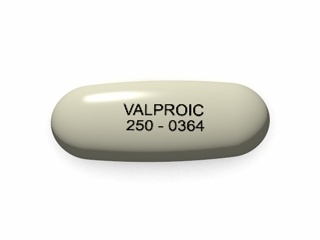

Valparin (Valproic Acid) – Patient Information (Australia)
Valparin is a brand name commonly used for medicines containing valproic acid (also referred to as valproate in medical contexts). It is used to treat certain seizure disorders and, in some situations, mood-related conditions under specialist direction.
This guide is written to help you understand how Valparin works, how it is usually taken, what to expect, and what safety considerations are important in Australia. Always follow the instructions given by your healthcare professional and the directions on the medicine label.
Key facts at a glance
- Active ingredient: Valproic acid (valproate)
- Medicines type: Antiepileptic / mood-stabilising medicine
- Common forms: Tablets, capsules or modified-release formulations (varies by product)
- Main uses: Seizure disorders; sometimes other conditions depending on clinical circumstances
- Important safety focus: Liver health, blood counts, pancreatitis risk, and pregnancy prevention due to teratogenic risk
- Availability in Australia: Typically supplied through pharmacy channels under Australian medicines supply systems
What Valparin is and how it works
Valparin belongs to the group of medicines known as anticonvulsants (antiepileptics) and mood-stabilising agents. The exact mechanism can be complex, but key actions include:
- Increasing GABA activity: Valproate may enhance the effect of gamma-aminobutyric acid (GABA), a natural chemical messenger that helps calm excessive brain activity.
- Modifying sodium and other ion channels: It can influence how nerve cells send signals, helping reduce abnormal electrical activity.
- Effects on neurotransmission: It can alter the balance of excitatory and inhibitory signals in the brain.
In practical terms, valproate helps reduce the likelihood of seizures and can stabilise certain mood symptoms in appropriate patients, when used under clinical guidance.
Pharmacokinetics (how the body handles Valparin)
Pharmacokinetics explains what happens to the medicine after you take it—how it is absorbed, distributed, metabolised and eliminated.
| Stage | What generally happens |
|---|---|
| Absorption | Valproic acid is absorbed after oral dosing. Absorption rate can differ between immediate-release and modified-release products. |
| Distribution | Valproate circulates in the bloodstream and is highly protein-bound. Levels can be affected by other medicines and certain health conditions. |
| Metabolism | It is mainly metabolised in the liver. This is one reason liver function monitoring is important. |
| Elimination | Metabolites are removed primarily through the kidneys (via urine). Elimination timing may vary by age and kidney function. |
| Steady levels | Blood levels can take several days to stabilise when starting or when changing dose. Ongoing therapeutic monitoring may be used. |
Your body’s response can vary, so dose and formulation are individualised. If your medicine form changes (for example, between immediate-release and modified-release), seizure control can be affected and dose adjustments may be necessary.
Typical uses in Australia
Valparin is commonly used for seizure disorders, including:
- Epilepsy syndromes where valproate is an appropriate option
- Generalised seizures and mixed seizure types (depending on your diagnosis)
- Some types of partial (focal) seizures may also be treated with valproate in selected circumstances
Valproate may also be used for mood-related conditions in certain patients when considered appropriate by clinicians. Whether it is suitable for you depends on your medical history, age, sex, and pregnancy risk.
If you are unsure what you are taking it for, check the medicine label or ask your pharmacist or prescriber.
Indications – when Valparin may be considered
Indications are specific medical conditions for which valproate is used. In practice, use is guided by diagnosis and clinical criteria.
- Epilepsy/seizure prevention: For certain seizure types and epilepsy syndromes.
- Other specialist indications: In some situations for mood stabilisation (depending on patient characteristics and clinical assessment).
Because valproate has important risks (particularly for unborn babies), clinicians in Australia consider alternatives and risk-benefit carefully in people who may become pregnant.
How to take Valparin: timing and dosing basics
Timing
- Take Valparin at the times prescribed, aiming for consistent daily dosing.
- If you are taking a modified-release product, follow the instructions carefully—do not crush or alter the tablets/capsules unless directed by your pharmacist.
- If you miss a dose, follow the advice on your label or from your pharmacist. In general, do not double up unless told to do so.
Dosing (general guidance)
Dosing varies by age, seizure type, formulation, other medicines, and how well you tolerate the medicine. Many patients start at a lower dose and gradually increase to achieve seizure control with acceptable side effects.
- Adults: Dose is individualised; regular review may include symptom assessment and, where appropriate, blood tests.
- Children: Dose is based on weight and clinical response, with close monitoring.
- Older adults: Clinicians may start lower and monitor for side effects more closely.
Your prescribed dose may be expressed as mg of valproic acid or based on the specific product strength. Always use the exact product you were given to avoid dosing errors.
Food interactions and taking Valparin with meals
Valproate can usually be taken with or without food. However, food may affect how quickly it is absorbed depending on the formulation.
- If Valparin upsets your stomach, taking it with food or just after a meal may help.
- For modified-release products, consistency matters—try to take your dose at the same times each day.
If you change your diet significantly (for example, major changes in fluid intake or meal timing), mention it to your healthcare professional—especially if you notice changes in seizure control.
Alcohol and medicine interactions
Alcohol
It is generally recommended to limit alcohol while taking valproate. Alcohol can:
- increase sedation or dizziness
- worsen coordination and reaction time
- increase strain on the liver, which is already an organ of concern with valproate
- increase seizure risk in some people
If you drink alcohol, ask your pharmacist or clinician about what is safe for your situation.
Interactions with other medicines
Valproate interacts with many medicines. Some interactions can change valproate levels; others can change side effects. Particularly important interactions include:
- Other antiepileptic medicines: Some may increase or decrease valproate levels, affecting seizure control and side effects.
- Blood-thinning medicines (anticoagulants): Valproate may affect bleeding risk in some circumstances.
- Medicines affecting liver enzymes: Changes in liver metabolism can alter valproate concentration.
- Carbapenem antibiotics (e.g., certain broad-spectrum antibiotics): may significantly reduce valproate levels and have been associated with breakthrough seizures.
- Certain antidepressants, antipsychotics, and sedatives: may add to sedation or other central nervous system effects.
- Other medicines that increase the risk of liver or pancreas problems: may add to safety concerns.
Always provide your pharmacist with a full list of medicines, including over-the-counter products, vitamins, herbal supplements (such as St John’s wort), and any recent antibiotic courses.
Safety profile: important warnings and monitoring
Serious but uncommon risks
Valproate has potential serious adverse effects. While these are not common, you should know the warning signs and seek medical advice promptly if they occur.
- Liver problems: Symptoms may include unusual tiredness, weakness, loss of appetite, vomiting, abdominal pain (especially upper right), jaundice (yellowing of skin/eyes), or dark urine.
- Pancreatitis: Watch for severe abdominal pain, nausea/vomiting, or feeling very unwell.
- Blood cell changes: Some people develop low platelet counts or other abnormalities, which can present as easy bruising, unusual bleeding, frequent infections, or persistent fever.
- Severe skin reactions: Rare, but seek urgent care for blistering, peeling rash, or facial swelling.
- Hyperammonaemia: High ammonia levels can cause confusion, unusual sleepiness, vomiting, or a change in behaviour.
Pregnancy and fertility risks (very important)
Valproate can cause significant harm to an unborn baby, including risk of birth defects and developmental problems. Because of this, people who could become pregnant (including girls and women) are usually assessed carefully, and strict pregnancy prevention measures may apply depending on age, diagnosis, and product availability in Australia.
If you are planning pregnancy, are pregnant, breastfeeding, or could become pregnant, speak with your clinician as soon as possible. Do not stop valproate suddenly without medical guidance—seizure recurrence can also pose serious risks for both parent and baby.
Other common side effects
- Nausea, stomach discomfort
- Headache
- Dizziness or drowsiness
- Tremor
- Weight gain
- Hair thinning (may occur in some people)
Side effects often become clearer after the medicine has reached stable levels. Report persistent or concerning side effects to your healthcare professional.
Practical tips for using Valparin safely
- Use the same brand/formulation: If your pharmacy supplies a different brand or strength, check with your pharmacist to confirm it is equivalent.
- Set reminders: Consistent dosing helps maintain steady effect and reduces breakthrough seizures.
- Follow dose changes slowly: When adjusting dose, your clinician may increase gradually. Sudden changes can trigger side effects or seizure relapse.
- Attend monitoring appointments: Your doctor may request blood tests to check liver function and other parameters.
- Be cautious with driving/operating machinery: Valproate can cause drowsiness in some people—follow your local advice and consider your own reaction time.
- Know your warning signs: Keep an eye out for symptoms of liver injury, pancreatitis, or significant drowsiness/confusion.
Managing missed doses and dose changes
If you miss a dose:
- Check the instructions on your medicine label.
- If you are unsure, contact your pharmacist for advice.
- In general, do not take a double dose to “catch up” unless specifically directed.
If your symptoms worsen—particularly if you experience breakthrough seizures—seek advice promptly rather than adjusting the dose yourself.
Alternative options
Depending on your diagnosis, age, sex, and medical history, there may be alternative medicines or treatment approaches. Possible options may include other antiepileptic medicines or non-medicinal strategies (such as specialist review for seizure triggers).
- Other antiepileptic medicines: Examples (not exhaustive) may include levetiracetam, lamotrigine, carbamazepine, and others, selected based on seizure type and patient factors.
- Mood-related alternatives (when relevant): Clinicians may consider other mood stabilisers or treatments depending on individual risk profile.
- Non-medication supports: Sleep consistency, stress management, and avoiding known seizure triggers where identified.
Only your healthcare professional can recommend suitable alternatives. Switching may require a careful plan to prevent seizure recurrence.
Market and legal context for Australia
In Australia, medicines containing valproate are regulated under the TGA (Therapeutic Goods Administration) framework and supplied through standard prescription medicine channels. Due to safety concerns—especially in pregnancy—there are heightened controls and prescribing considerations compared with many other antiepileptic medicines.
Healthcare systems often emphasise:
- risk-benefit assessment before starting valproate
- patient education and documentation about pregnancy risks
- use of contraception where appropriate
- special review for people likely to become pregnant
Guidance may include restrictions or enhanced caution regarding initiation in certain groups and regular clinical review of ongoing need.
Recent guidance and care considerations
Over recent years, international and local regulators and professional bodies have consistently focused on reducing fetal exposure risk. In Australia, clinicians are encouraged to:
- avoid unnecessary valproate exposure for people who may become pregnant
- review whether effective alternatives are available
- ensure patients understand risks and prevention strategies
- plan changes carefully with specialist input
If your medicine has been reviewed or changed recently, ask your pharmacist or prescriber what the change means for your daily dosing and safety monitoring.
Delivery and availability (Australia)
Valparin is commonly available through community and online pharmacy services in Australia, subject to normal availability and ordering processes. Stock levels can vary by strength and formulation.
- Ordering: Typically available for standard delivery once your product and strength are confirmed.
- Dispatch: Dispatch times depend on stock on hand and courier schedules.
- Packaging: Medicines are usually supplied in tamper-evident packaging with clear labelling.
- Stock substitutions: Any substitution (for example, brand or generic equivalents) should be confirmed with your pharmacist to maintain correct dosing.
For up-to-date availability in your area, check the specific product listing on the pharmacy website and delivery options at checkout.
Frequently Asked Questions (FAQ)
1) How quickly will Valparin start working?
Many people notice improvement over days to weeks, but it depends on seizure type, dose, and formulation. Blood levels may take several days to stabilise after starting or adjusting dose.
2) Should I stop Valparin if I feel better?
Do not stop suddenly without medical guidance. Stopping abruptly can increase seizure risk and may worsen symptoms. If you want to change treatment, discuss it with your clinician.
3) Can Valparin be taken with other seizure medicines?
It is sometimes used in combination therapy. However, interactions may affect dose requirements and side effects, so your clinician and pharmacist should review all medicines you take.
4) What monitoring might I need?
Clinicians may request blood tests for liver function and blood cell counts, and may consider monitoring valproate levels in some situations. Monitoring frequency varies for each patient.
5) Is it safe to drink alcohol?
Alcohol is generally discouraged because it may increase side effects (like drowsiness) and can add strain to the liver. If you plan to drink, ask your pharmacist for personalised advice.
6) Can I take Valparin while pregnant?
Valproate can be harmful to an unborn baby. If you are pregnant or could become pregnant, speak urgently with your clinician to discuss risk reduction and alternative options. Do not stop suddenly on your own.
7) What should I do if I miss a dose?
Follow the directions on your label. If you are unsure, contact your pharmacist. Avoid doubling doses unless instructed.
8) Are there foods I should avoid?
There are no universal food exclusions. Taking Valparin with food may help if you experience stomach upset. Consistency of meal timing can be helpful for steady absorption.
9) Does Valparin cause weight gain?
Weight gain can occur in some people. If weight changes significantly, discuss strategies with your healthcare professional, including diet and activity adjustments.
10) What are the signs of a serious reaction?
Seek urgent medical help for symptoms such as severe abdominal pain (possible pancreatitis), yellowing of skin/eyes or dark urine (possible liver injury), persistent vomiting, unusual confusion or marked drowsiness, or signs of a severe rash.
Important note
The information provided here is intended to support understanding and safe use of Valparin (valproic acid). It does not replace advice from your healthcare team. If you have questions about your specific product, dosing schedule, interactions, or safety monitoring, contact your pharmacist or prescriber.