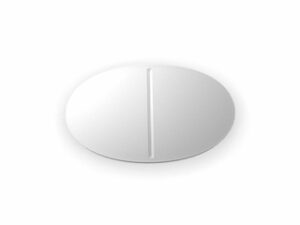
Valproic Acid (Valproate) – Patient Information (Australia)
Valproic Acid is a well-known medicine used to treat certain seizure disorders and some other conditions. In Australia, products containing valproic acid (and closely related forms such as divalproex/valproate) are available under different brand names and formulations (for example, immediate-release or modified/extended-release preparations).
This information is designed to help you understand how valproic acid works, how it is typically used, what to expect in day-to-day use, and important safety considerations. Always follow the advice of your healthcare professional and the instructions on your medicine label.
Basic product information
- Medicine name: Valproic Acid (also referred to as valproate in many contexts)
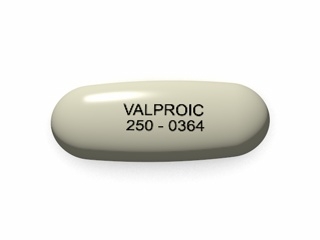
- Common forms: Capsules/sprinkles, tablets, syrup, or modified/extended-release formulations (varies by product)
- Therapeutic class: Anticonvulsant / mood stabiliser
- How it’s taken: Orally, by mouth
- Availability in Australia: Widely available through pharmacy supply networks; availability may depend on specific brand and formulation
Important note: “Valproic acid” may be prescribed or dispensed as valproate-containing products. Your pharmacist can confirm the exact product and formulation you have.
How valproic acid works (mechanism of action)
Valproic acid helps stabilise nerve activity in the brain. While the precise mechanism is complex, several actions contribute:
- Increases GABA activity: Valproic acid may raise levels of gamma-aminobutyric acid (GABA), an inhibitory brain messenger that can reduce seizure activity.
- Modifies sodium and calcium channels: This can reduce abnormal electrical firing in neurons.
- Influences neurotransmitter signalling: Effects on signalling pathways may contribute to both seizure control and mood stabilisation.
Bottom line: By reducing excessive electrical activity in the brain and supporting inhibitory balance, valproic acid can help prevent seizures and may help manage certain mood conditions.
Typical uses in practice
Valproic acid is used for several indications. The exact use depends on your age, medical history, and the specific product/formulation.
Common indications
- Epilepsy / seizure disorders: Particularly certain seizure types (e.g., generalised seizures and some mixed seizure patterns), as determined by your clinician.
- Mania associated with bipolar disorder: Often used to stabilise mood during acute episodes or as part of longer-term management.
- Prevention of migraine (in some cases): In certain patients, valproate may be considered for migraine prophylaxis where appropriate.
Individual suitability matters: In Australia, valproate use is strongly influenced by benefit–risk considerations, especially for women who are pregnant, may become pregnant, or are breastfeeding.
Timing and how to take it
How you take valproic acid affects both side effects and effectiveness. Your clinician will choose the dose and schedule based on your condition and blood test monitoring (where required).
General timing guidance
- Take it at the same times each day to help maintain steady levels.
- Follow the instructions for your specific formulation:
- Immediate-release products are often taken multiple times daily.
- Modified/extended-release products are typically taken fewer times daily and should not be altered (e.g., crushed) unless your pharmacist confirms it’s appropriate for your exact product.
- If you miss a dose: Take it when you remember if it’s close to the scheduled time. If it’s nearly time for the next dose, skip the missed dose and continue as normal. Do not double up unless your clinician instructs otherwise.
Consistency is key
Switching between different brands or formulations can change how your body absorbs valproate. Your pharmacist can advise whether brand or formulation changes require extra monitoring or dose adjustment.
Food interactions and absorption
Valproic acid absorption can vary depending on formulation and timing. In many cases, it can be taken with or without food, but food may help reduce stomach upset.
- If you experience nausea: Taking your dose with food may help.
- Try to keep the routine consistent: If you take it with meals, continue that pattern unless advised otherwise.
- Avoid sudden changes: Large changes in meal timing may affect how consistently levels are achieved.
Practical tip: If you’re using modified/extended-release capsules/tablets, make sure you follow instructions about swallowing whole or any permitted preparations (your pharmacist can confirm for your specific product).
Pharmacokinetics (how the body handles it)
Pharmacokinetics describes what happens after you take valproic acid: absorption, distribution, metabolism, and elimination.
Absorption
- Valproate is absorbed after oral dosing. Peak levels (when the medicine concentration is highest in the blood) depend on whether the product is immediate-release or modified/extended-release.
- Formulation type affects how fast and how long valproate is released.
Distribution
- Valproate is extensively distributed throughout the body and is highly protein-bound (bound to albumin). This can contribute to drug–drug interaction risks when albumin binding is affected.
Metabolism
- Valproate is metabolised mainly in the liver through multiple pathways.
- Because it relies on liver processing, liver health and interactions with other medicines are important.
Elimination
- Valproate and its metabolites are eliminated mainly through the kidneys.
Monitoring may include blood tests: Your clinician may check blood valproate levels and blood chemistry (especially liver function and blood counts) to ensure safe and effective dosing.
Dosing (general information)
Dose must be individualised. The dose depends on your diagnosis, age, body weight, formulation, other medicines, and blood test results. Below is general dosing information to help you understand how dosing is approached—always follow your healthcare professional’s instructions.
How dosing is commonly managed
- Starting dose: Often started at a lower dose and increased gradually to improve tolerability.
- Titration: Dose adjustments may be made every few days to weeks based on response and side effects.
- Maintenance dose: A stable dose is used once effective and tolerated.
- Blood level monitoring: Some people benefit from periodic valproate level testing to guide dosing (particularly if interactions occur or side effects arise).
Typical daily dosing patterns
Dosing varies widely. For example:
- Immediate-release formulations are often split into multiple doses across the day.
- Modified/extended-release formulations may be taken once or twice daily.
Do not change your dose without medical guidance. Sudden changes can increase the risk of seizures or mood destabilisation.
Alcohol and medicine interactions
Alcohol
Alcohol can increase the risk of side effects such as:
- increased drowsiness or dizziness
- reduced coordination and impaired driving ability
- stomach irritation
For people taking valproic acid: It’s generally advised to limit or avoid alcohol, especially if you notice sedation or if you have liver-related risk factors.
Medicines that may interact with valproic acid
Valproate can interact with many medicines, and conversely other medicines can change valproate levels. Interactions may increase toxicity or reduce effectiveness.
Examples of medicines that require extra caution (not exhaustive):
- Other antiepileptic drugs (e.g., carbamazepine, phenytoin, phenobarbital, lamotrigine): interactions may affect blood levels and side effects.
- Lamotrigine: valproate can increase lamotrigine levels, requiring careful dose adjustments.
- Warfarin and other anticoagulants: effects on bleeding risk may require monitoring.
- Aspirin (at higher doses): may affect valproate levels and protein binding.
- Some antibiotics and antivirals: may influence metabolism.
- Medicines affecting the liver: may change valproate breakdown and increase liver risk.
- Medicines causing drowsiness (sedatives, opioids, some antihistamines): increased sedation is possible.
Always check: Tell your pharmacist and clinician about all medicines you take, including over-the-counter products, supplements, and herbal remedies (e.g., St John’s wort may alter drug metabolism).
Safety profile and important precautions
Valproic acid can be effective, but it requires careful safety screening and ongoing awareness of potential adverse effects.
Common side effects
- nausea, vomiting, stomach upset
- tremor
- sleepiness or dizziness
- weight gain and increased appetite
- hair thinning (in some people)
- headache
Serious (seek urgent medical advice) warning signs
Contact urgent care or seek medical help promptly if you experience:
- Signs of liver problems: unusual tiredness, loss of appetite, upper abdominal pain, dark urine, jaundice (yellowing of skin/eyes)
- Unusual bruising or bleeding: bleeding gums, nosebleeds, blood in urine/stool, severe or unexplained bruising
- Severe rash or signs of severe allergic reaction (swelling of face/lips, difficulty breathing)
- Severe confusion, extreme drowsiness, or worsening neurological symptoms
- Sudden worsening of seizures
Risk considerations for women and pregnancy (Australia)
Valproate is associated with increased risk of foetal harm when taken during pregnancy. Because of this, Australia applies stringent risk-minimisation and monitoring approaches for people who can become pregnant, including:
- discussion of alternative options where appropriate
- careful benefit–risk assessment
- use of effective contraception where valproate is continued
- close monitoring and counselling
If you are pregnant, planning pregnancy, or could become pregnant, talk to your clinician and pharmacist as soon as possible about safe options and timing for any changes.
Liver and blood monitoring
- Liver function: blood tests may be done before starting and periodically thereafter.
- Full blood count: monitoring may include platelets and other blood components.
- Valproate levels: may be checked when dosing changes, interactions occur, or side effects develop.
Practical use tips (getting the best outcomes)
- Use a medication reminder system (phone alarm, pill organiser) to reduce missed doses.
- Keep a consistent routine around meals and sleep (especially if you’re on multiple medicines).
- Do not stop suddenly if you feel better or if side effects occur—sudden changes can increase seizure risk or destabilise mood.
- Record side effects and seizure control: note timing and severity to help your clinician adjust dosing.
- Be cautious driving or operating machinery when you first start or when dose increases, because drowsiness or dizziness can occur.
- Stay hydrated and eat regularly if you experience stomach upset.
- Discuss interactions early before adding new medicines, including antibiotics or pain relief.
Alternative options
Because valproate is used for multiple conditions, alternatives depend on your diagnosis and individual factors.
For seizure disorders
- Other antiepileptic medicines may be considered, such as levetiracetam, lamotrigine, carbamazepine, oxcarbazepine, topiramate, and others (choice depends on seizure type, age, and interactions).
For bipolar mania
- Mood stabilisers and other options may include lithium, certain antipsychotics, or other mood stabilising treatments depending on suitability.
For migraine prevention
- Other preventive options may include specific blood pressure medicines, antidepressants, or newer migraine-specific preventive therapies, depending on clinical assessment.
Important: Switching medicines should be planned with your clinician. Dose conversions and cross-taper schedules may be needed to avoid loss of control or withdrawal effects.
Market and legal context in Australia
In Australia, medicines containing valproate are regulated and supplied through established pharmacy channels. Because valproate has important safety considerations—particularly in relation to pregnancy—Australian health guidance includes risk communication and careful prescribing practices.
- Regulation: Supply is managed via the standard Australian medicines scheduling and dispensing framework.
- Prescribing frameworks: Health authorities and professional guidance emphasise risk-minimisation for patients who may become pregnant.
- Pharmacovigilance: Adverse event reporting and ongoing safety monitoring are part of how medicines are managed after release.
Always consult local guidance: Requirements may evolve, and your pharmacist or clinician can explain the current plan for your situation.
Recent guidance and safety updates (overview)
Across many countries, including Australia, there has been increased emphasis on:
- strengthening pregnancy prevention measures where valproate is considered for women who could become pregnant
- regular review of the ongoing need for valproate and whether dose optimisation or switching is appropriate
- better patient understanding of risks and safe use practices
Guidance can be updated over time. If you have questions about the latest advice relevant to your treatment, ask your pharmacist or clinician.
Delivery and availability (online pharmacy)
Valproic acid products may be available for delivery depending on stock levels and the specific brand/formulation. Delivery times can vary by location and courier service.
What you can expect
- Product verification: You’ll receive the exact medicine and strength listed during order processing.
- Pack size and formulation: Availability may vary (e.g., immediate-release vs modified/extended-release).
- Cold-chain storage: Usually not required for valproic acid, but follow the product label storage instructions.
- Order updates: If a requested formulation is temporarily unavailable, the pharmacy may contact you to discuss alternatives.
Check your label on arrival: Confirm strength, formulation, and dosage instructions match what you expected.
FAQ – Frequently asked questions
How long does it take for valproic acid to start working?
Some people notice seizure improvement relatively early, but full benefits can take days to weeks depending on your dose, formulation, and condition. Mood stabilisation (where used) can also take time. If you’re adjusting dose, effects may continue to change as levels stabilise.
Can I take valproic acid with food?
In many cases, valproic acid can be taken with or without food. If you feel nauseated, taking it with meals may help. Try to keep a consistent routine to support reliable absorption.
What should I do if I miss a dose?
Take the missed dose when you remember unless it’s close to the next scheduled dose. If it’s almost time for the next dose, skip the missed dose and continue normally. Do not take two doses at once unless your healthcare professional advises it.
Is it safe to stop valproic acid suddenly?
No—stopping suddenly can increase the risk of seizures and may cause mood destabilisation. If you want to change therapy, discuss a tapering plan with your clinician.
Does alcohol affect valproic acid?
Alcohol may increase sedation and dizziness and can worsen side effects. It may also add stress to the liver. It’s generally best to limit or avoid alcohol unless your clinician has advised otherwise.
Are there common drug interactions I should know about?
Yes. Valproate can interact with other anticonvulsants, anticoagulants, and medicines that affect liver metabolism or protein binding. Always tell your pharmacist and clinician about everything you take, including supplements and herbal products.
Why might my doctor monitor blood tests?
Monitoring can help check liver function, blood counts, and—when needed—valproate levels to ensure safe and effective dosing, especially when you start treatment, change dose, or start interacting medicines.
What are the warning signs of serious side effects?
Seek urgent medical help if you develop signs of liver problems (jaundice, dark urine, severe fatigue), unusual bruising or bleeding, severe rash, breathing difficulty, or marked confusion/sleepiness.
Can I use valproic acid during pregnancy?
Valproate can be harmful to an unborn baby. In Australia, strong risk-minimisation steps are in place for patients who are pregnant or could become pregnant. If this applies to you, speak to your clinician promptly to discuss options and safety planning.
What if I’m breastfeeding?
Breastfeeding while taking valproate should be discussed with your clinician. They can explain the benefits and potential risks for your specific situation and may recommend monitoring for the infant.
Are modified/extended-release tablets different from immediate-release?
Yes. They release medicine differently and are usually taken on a different schedule. Don’t crush or alter modified/extended-release forms unless your pharmacist confirms it’s appropriate.
Summary
Valproic acid is a medicine used for seizure disorders and other specific conditions such as bipolar mania and, in some patients, migraine prevention. It works by supporting stabilising effects on brain signalling and can be highly effective when dosing is correct. Because it may cause side effects and has important safety considerations—especially related to liver health and pregnancy risk—safe use includes careful dosing, consistent timing, awareness of alcohol and medicine interactions, and appropriate monitoring.
If you have questions about your specific valproic acid product—such as formulation differences, how to take it, or what to do if you miss a dose—speak with your pharmacist for personalised guidance.
| Topic | Key patient takeaways |
|---|---|
| Mechanism | Supports stabilising brain activity (including increased inhibitory signalling such as GABA). |
| Typical uses | Seizure disorders; bipolar mania; sometimes migraine prevention (case-by-case). |
| Timing | Take consistently at the same times daily. Formulation (immediate vs modified/extended) affects schedule. |
| With food | Often can be taken with or without food; food may reduce stomach upset. Keep the routine steady. |
| Alcohol | May increase sedation/dizziness and add strain to the liver—limit or avoid unless advised otherwise. |
| Medicine interactions | Interactions with other antiepileptics, anticoagulants, and liver-metabolism medicines are possible—check all medicines. |
| Monitoring | Liver function and blood counts may be monitored; valproate levels may be checked when needed. |
| Serious warning signs | Jaundice/dark urine, unusual bleeding/bruising, severe rash, breathing difficulty, extreme confusion or severe drowsiness. |
| Pregnancy risk | Valproate has known foetal risk. Australia-wide risk-minimisation applies for people who can become pregnant. |