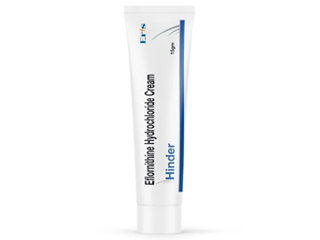
Vaniqa (Eflornithine) – Cream for Unwanted Facial Hair in Women
Vaniqa is a prescription medicine containing eflornithine, formulated as a cream to help reduce unwanted, coarse facial hair in women. It works by slowing the growth process at the hair follicle. If used consistently as directed, many people notice gradual improvement rather than an immediate change.
This page provides patient-friendly information about how Vaniqa works, how to use it, what to expect, safety considerations, and practical tips to fit it into everyday routines. If you have any questions about your suitability or how to use it, speak with a qualified healthcare professional.
Basic Product Information
| Product name | Active ingredient | Dosage form | Typical use area |
|---|---|---|---|
| Vaniqa | Eflornithine | Cream | Unwanted facial hair in women (as advised) |
- Active ingredient: Eflornithine
- How it is applied: Applied to the affected facial area in a thin layer
- Outcome: Reduces hair growth rate and helps hair become finer over time
- Consistency matters: Best results usually require regular use for several weeks
What Vaniqa Is Used For (Indications)
Vaniqa is indicated for the reduction of unwanted facial hair growth in women with hirsutism or excessive facial hair that affects confidence and day-to-day life.
It is intended for facial hair only unless your clinician has advised otherwise. Do not apply to areas outside the intended treatment area (for example, inside the nose, eyes, or mouth).
How Vaniqa Works (Mechanism of Action)
Eflornithine works locally in the skin and targets a key step in the way hair follicles produce hair. Specifically, it inhibits an enzyme called ornithine decarboxylase (ODC), which is important for polyamine synthesis.
- Slows cell proliferation in the hair follicle environment.
- Reduces hair shaft production and slows the rate of hair regrowth.
- Helps hair appear finer and less coarse over time.
Unlike hair removal methods that remove the hair already present (e.g., shaving, waxing, plucking), Vaniqa is designed to affect the future growth process.
Pharmacokinetics (Absorption, Distribution, Metabolism, Excretion)
Because Vaniqa is used as a topical cream, only a small amount is expected to enter the bloodstream through the skin.
- Absorption: Limited systemic absorption from the skin.
- Distribution: Any absorbed drug is distributed in the body, though overall exposure is low.
- Metabolism: Eflornithine is metabolised in the body.
- Excretion: Primarily eliminated through the kidneys.
Practical takeaway: For most people, the systemic exposure from topical use is relatively low, which contributes to a generally favourable safety profile when used correctly. However, it is still important to use it as directed and avoid applying to large areas, broken skin, or under occlusive dressings unless advised.
Typical Use and Treatment Timing
When to expect results
Vaniqa helps reduce hair regrowth rate. This means changes may not be immediate.
- Early signs: Some people notice slower regrowth within a few weeks.
- More noticeable benefit: Often seen after 4–8 weeks of consistent use.
- Maintenance: Ongoing use is usually needed to sustain results.
How often to apply
A common regimen is:
- Apply Vaniqa to clean, dry skin
- Frequency: Typically twice daily, at least about 8 hours apart
- Total amount: Apply a thin layer—enough to cover the affected area
Your prescriber may adjust timing and duration depending on your situation.
How long to use it
If it works for you, treatment is often continued as a maintenance plan to keep hair regrowth suppressed. Stopping may allow hair growth to return toward baseline over time.
How to Use Vaniqa (Step-by-Step Practical Instructions)
Follow the directions given with your medicine. The steps below provide general guidance for safe, effective use.
- Cleanse the skin with a gentle cleanser and pat dry.
- Wash your hands before and after applying the cream.
- Apply a thin layer to the areas with unwanted facial hair.
- Avoid eyes, lips, nostrils, and mouth (including the corners of the mouth).
- Let it dry before applying other products to the same area.
- Use consistently (commonly twice daily) for the full course to evaluate results.
Can I shave or remove hair?
Yes—many people combine Vaniqa with grooming methods. Typical options include:
- Shaving: Usually acceptable and may help manage appearance while Vaniqa works.
- Trimming: Can reduce visible hair without pulling at follicles.
- Plucking/waxing: May be more irritating; avoid if it causes significant redness or skin breakdown.
If your skin becomes irritated, consider pausing aggressive hair removal until the skin calms.
Food Interactions
Because Vaniqa is applied to the skin, food interactions are not a typical concern. No specific dietary restrictions are generally required.
Practical tip: Continue your usual diet. If you have any systemic conditions or take other medications, still discuss them with your healthcare professional.
Alcohol and Medicine Interactions
Alcohol
There is no specific alcohol restriction commonly associated with topical eflornithine. However:
- Avoid applying Vaniqa to skin that is inflamed, very dry, or compromised.
- If alcohol makes you feel flushed or affects your skin sensitivity, monitor for irritation.
Interactions with other medicines
Systemic interactions are less likely due to limited absorption, but it is still important to consider:
- Other topical products: Combining with other strong actives (for example, peeling agents or harsh exfoliants) may increase irritation.
- Skin sensitivities: If you are using retinoids, acids, or medicated acne treatments, introduce products gradually and watch for redness or burning.
- Medical conditions: Tell your clinician if you have skin disease affecting the face (eczema, dermatitis, or frequent irritation).
If you are using multiple facial products, consider applying them at different times and prioritise gentle moisturisers to reduce irritation.
Safety Profile and Side Effects
Most people tolerate Vaniqa well when used correctly. As with any medicine, side effects can occur—especially if applied too thickly, too frequently, or to irritated/broken skin.
Common side effects
- Skin irritation (redness, burning, stinging)
- Dryness or flaking
- Itching
- Acneiform eruptions in some cases
Less common or serious reactions (seek medical advice)
- Severe rash, blistering, or worsening swelling
- Eye irritation if accidental contact occurs
- Signs of allergy such as widespread hives or breathing difficulty (urgent)
Who should use extra caution?
- People with sensitive skin or a history of facial dermatitis
- Anyone currently treating inflammatory facial skin conditions
- Pregnancy and breastfeeding considerations should be discussed with a healthcare professional
- Reduced kidney function may require closer clinical guidance, given potential elimination if systemic absorption occurs
Important: If you experience significant irritation, stop and seek advice. Do not increase dose or apply more frequently to “speed up” results.
Practical Use Tips to Improve Comfort and Results
- Start gradually if you’re sensitive: If redness occurs, you may need a slower introduction (for example, less frequent use initially) under clinician guidance.
- Apply to dry skin: Applying after cleansing and drying reduces stinging.
- Use a thin layer: More product does not necessarily work better and may increase irritation.
- Avoid occlusion: Unless advised, avoid covering treated skin with tight bandages or occlusive dressings.
- Moisturise gently: A mild moisturiser may reduce dryness and irritation. Apply after the Vaniqa has fully absorbed.
- Be careful around hair follicles and shaving: If shaving causes micro-cuts, allow the skin to settle before restarting.
- Don’t expect immediate hair removal: Consider shaving or trimming for visible control while Vaniqa reduces future growth.
Alternative Options for Unwanted Facial Hair
Unwanted facial hair can be managed using several approaches. The best choice depends on hair thickness, skin type, hormonal factors, budget, and desired permanence.
Non-medicine methods
- Shaving: Fast and inexpensive; hair may feel stubbly sooner than expected.
- Trimming: Reduces appearance; does not remove from the root.
- Depilatory creams: May irritate sensitive facial skin; patch testing is important.
- Waxing/plucking: Can cause ingrown hairs and irritation.
Procedural options
- Laser hair reduction: Often effective for darker hair and certain skin types; requires sessions.
- Electrolysis: Can be effective for a wide range of hair types; typically time-intensive.
Other medicine approaches
- Hormonal management (when appropriate): For some people, reducing androgen influence can help—this requires clinical assessment.
- Combination strategies: Many individuals combine Vaniqa with grooming and/or hair removal procedures.
Your clinician can help determine whether Vaniqa is suitable or whether another option may be more effective for your specific pattern of hair growth.
Vaniqa and the Australian Market / Legal Context
In Australia, medicines are regulated under the Therapeutic Goods Administration (TGA) framework. Vaniqa (eflornithine) is typically supplied according to Australian medicine scheduling and prescribing rules, and its availability may vary by supplier and product form.
Online pharmacies in Australia commonly require appropriate steps for safe supply, which may include:
- Verification of the product
- Appropriate clinical screening questions
- Ensuring the medicine is appropriate for the intended use
Always purchase medicines from reputable sources and confirm the product details, expiry date, and storage requirements.
Recent guidance and updates
Medicine information and recommendations can change over time due to product updates or evolving clinical guidance. Before using Vaniqa, check the latest information available from authoritative sources and follow the directions on your product packaging or from your clinician.
Delivery, Availability, and Storage
Availability in Australia
Vaniqa availability can depend on stock levels and the supply chain at any given time. If it is not immediately in stock, some pharmacies may offer:
- Backorder or restock notifications
- Alternatives such as equivalent treatments (where appropriate)
Delivery
Most Australian online pharmacies offer delivery options that may include standard shipping and express services depending on your location. Delivery timeframes are typically shown at checkout.
Storage
- Store at room temperature unless otherwise stated on the packaging.
- Keep the cream tightly closed.
- Keep out of sight of children.
Check the pack label for the exact storage instructions and expiry date.
Dosing (Typical Regimen)
The dosing below is a general guide consistent with standard topical use. Your healthcare professional may tailor it.
- Adult use: Apply a thin layer to the affected facial area.
- Frequency: Typically twice daily (e.g., morning and evening).
- Timing between doses: Aim for roughly 8 hours apart or as close as practical.
Do not: increase the amount or frequency beyond recommended instructions to try to achieve faster results, as this can increase irritation without improving effectiveness.
If you miss a dose
- Apply it when you remember unless it is close to the next scheduled application.
- Do not apply a double amount to make up for a missed dose.
Timing With Your Daily Routine
Some people find it helpful to link Vaniqa application to daily habits. For example:
- Morning: After washing your face, apply a thin layer and allow it to dry before moisturiser or makeup.
- Evening: After cleansing and fully drying, apply again. Avoid applying immediately before bedtime if your face tends to rub on a pillow; allow it to absorb first.
If you use other facial products (cleansers, moisturisers, sunscreens), use them in a way that minimises irritation. Often:
- Cleanse → Apply Vaniqa → Let absorb → Moisturise/sunscreen as needed
Food Interactions, Alcohol, and Medicine Interactions – Summary
- Food interactions: Not generally expected with topical eflornithine.
- Alcohol: No specific restriction is typically required, but monitor skin sensitivity.
- Other medicines: Systemic interactions are less likely, but topical actives can increase irritation. Use a gentle routine and seek advice if you are unsure.
FAQ – Vaniqa (Eflornithine) Cream
1) Does Vaniqa remove hair permanently?
No. Vaniqa is designed to reduce hair growth by slowing regrowth. If you stop using it, hair growth may return toward previous levels over time.
2) How long does it take to see results?
Many people notice improvement after 4–8 weeks of consistent use. Results vary, so give it adequate time.
3) Can I wear makeup?
Often yes. Apply Vaniqa to clean, dry skin, allow it to absorb and dry fully, and then use makeup as tolerated. If makeup causes irritation or mixing products leads to stinging, consider adjusting your routine.
4) What if my skin burns or becomes very red?
Mild stinging or dryness can occur, especially at the start. However, significant irritation is not expected to worsen. Stop and seek advice if symptoms are severe, persistent, or include rash or swelling.
5) Can I use Vaniqa with sunscreen?
Usually yes. Apply Vaniqa first, let it dry, and then apply sunscreen. Sunscreen is important for daily skin health, especially if your skin becomes sensitive.
6) Can I combine Vaniqa with acne products or exfoliants?
Some acne treatments and exfoliating acids can irritate facial skin. If you use strong actives, introduce them cautiously and separate application times where possible. If you’re unsure, ask a clinician or pharmacist for a safe routine.
7) Is Vaniqa only for women?
Vaniqa is specifically indicated for reduction of unwanted facial hair growth in women as per product guidance. Suitability for any individual should be discussed with a healthcare professional.
8) Where should I apply the cream?
Apply only to the affected facial area. Avoid eyes, lips, inside the nose, and the corners of the mouth. Do not apply to broken or severely irritated skin.
9) Can I shave while using Vaniqa?
Yes. Shaving or trimming can help manage appearance. If shaving causes irritation, pause until the skin settles and then resume gently.
10) How should I store Vaniqa?
Store as directed on the packaging, keep the tube/pack tightly closed, and avoid exposure to excessive heat. Check the expiry date before use.
When to Seek Medical Advice
Contact a healthcare professional promptly if you experience:
- Severe or worsening skin irritation
- Allergic signs such as swelling of the face, hives, or breathing difficulty (urgent)
- Eye exposure or persistent eye discomfort
- No improvement after consistent use over an appropriate timeframe
Key points to remember: Use Vaniqa as directed, apply a thin layer to the affected facial area, allow it to dry, and use consistently for several weeks to evaluate effectiveness. If irritation occurs, adjust your routine and seek advice.