Vitamin C (Ascorbic Acid) – Patient Information (Australia)
Vitamin C, also known as ascorbic acid, is a water-soluble vitamin essential for normal growth and repair of body tissues. It plays a key role in the formation of collagen, supports the immune system, and helps protect cells from oxidative stress.
This page provides practical, patient-friendly information about vitamin C products commonly sold in Australia, including how they work, typical uses, timing, interactions, and safety considerations.
Quick Product Overview
- Active ingredient: Ascorbic acid (Vitamin C)
- Type: Water-soluble vitamin
- Common forms: Tablets, capsules, chewable tablets, effervescent tablets, and powders
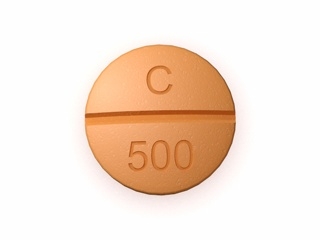
- Typical strengths: 100 mg, 250 mg, 500 mg, 1000 mg (varies by brand)
- How it is used: Oral supplementation
- Where it helps: Collagen formation, immune support, and correcting or preventing deficiency
What Vitamin C Does in the Body
Mechanism of action (how it works)
Vitamin C is involved in several important biological processes:
- Collagen formation: Vitamin C is required for hydroxylation of pro-collagen, enabling stable collagen formation in skin, gums, cartilage, bones, and blood vessels.
- Immune function support: It helps support normal immune cell function and acts as an antioxidant.
- Antioxidant activity: Vitamin C helps protect cells against oxidative damage caused by free radicals.
- Iron absorption: Vitamin C increases absorption of non-haem iron (found in plant-based foods and some supplements) in the gut.
- Regeneration of other antioxidants: Vitamin C helps “recycle” antioxidants such as vitamin E in certain pathways.
Important note: While vitamin C supports health and helps prevent deficiency, it is not a cure for illness. The effects of supplementation may vary between individuals depending on baseline intake and need.
Pharmacokinetics (what happens after you take it)
Because vitamin C is water-soluble, the body absorbs it through the gastrointestinal tract and then distributes it into tissues. The amount absorbed can vary with dose, and the body regulates vitamin C levels tightly.
- Absorption: Generally absorbed from the small intestine; absorption decreases as doses rise.
- Distribution: Vitamin C is taken up by tissues and can be concentrated in certain cells involved in immune response and connective tissue maintenance.
- Metabolism: Vitamin C is broken down into metabolites, including oxalate.
- Excretion: Excess vitamin C is mainly removed via the kidneys in urine.
- Typical duration: Levels peak after dosing and then gradually decline as the body excretes excess.
Practical implication: Higher doses may increase urinary excretion and can raise the risk of kidney-related side effects in susceptible people.
Typical Uses in Australia
Vitamin C supplements are commonly used for:
- Preventing or correcting deficiency in people who do not get enough vitamin C from diet.
- Supporting collagen maintenance and normal tissue repair.
- Supporting immune system function as part of overall health measures.
- Improving iron absorption when combined with meals that contain non-haem iron (e.g., plant-based diets).
- General antioxidant support as part of a balanced diet and lifestyle.
Indications (when it may be appropriate)
In day-to-day consumer use in Australia, vitamin C is often selected when a person has:
- Low dietary intake of fruits and vegetables
- Increased nutritional needs (for example, during certain recovery periods)
- Dietary patterns low in vitamin C
- Low iron intake where increased iron absorption is helpful
If you have a medical condition (such as a history of kidney stones) or are taking medicines that may interact, check with a healthcare professional before starting higher-dose supplementation.
Timing: When to Take Vitamin C
Vitamin C can be taken any time of day. Many people find it easiest to remember with a meal or snack.
- With food: Taking vitamin C with meals may reduce the chance of stomach upset.
- For non-haem iron: Taking vitamin C near iron-containing meals can support iron absorption.
- Split dosing for higher amounts: If using larger total daily doses, splitting into two doses may be more comfortable and reduce gastrointestinal side effects.
Example timing routine:
- Take 250–500 mg after breakfast
- If needed, take additional 250–500 mg after dinner
Dosing: How Much Vitamin C to Take
Vitamin C dosing depends on age, dietary intake, and product strength. Always follow the specific instructions on the label for the chosen brand.
Common consumer dose ranges
| Goal | Typical daily approach (general guidance) | Notes |
|---|---|---|
| General nutritional support | 50–200 mg once daily | Often taken with meals; suitable for many adults with partial dietary intake |
| To help cover a low intake | 200–500 mg once daily | Consider splitting if your stomach is sensitive |
| Higher-dose supplementation (short-term) | 500 mg to 1000 mg daily | Use caution if prone to kidney stones or with certain medical conditions |
| Iron absorption support | Vitamin C taken with iron-containing meals (often 100–250 mg) | Works best when timed with non-haem iron |
Upper limits and caution
Higher doses increase the chance of unwanted effects such as diarrhoea, stomach cramps, nausea, and—more importantly for some people—kidney stone risk due to increased urinary oxalate.
Do not exceed the dose on the product label unless advised by a healthcare professional.
Food Interactions: Does Vitamin C Need to Be Taken with Meals?
Vitamin C is generally well tolerated with or without food. However, meals can affect comfort and absorption for some individuals.
- With fruits and vegetables: Taking vitamin C alongside vitamin-rich foods is usually fine and supports overall intake.
- With iron-containing foods: Vitamin C can enhance non-haem iron absorption (for example, beans, lentils, spinach, fortified cereals).
- With acidic beverages: Combining vitamin C with highly acidic drinks (such as strong citrus juices) may worsen heartburn in sensitive individuals.
- With high-fibre or bulky meals: Usually not a major issue, but some people may find effervescent or large tablets more comfortable after food.
Effervescent products: Effervescent vitamin C tablets contain additional ingredients (such as sodium and acids). If you are managing blood pressure, sodium intake, or gastro-reflux, review the label and consider a tablet or capsule form.
Alcohol and Medicine Interactions
Alcohol
Moderate alcohol intake does not have a single, universal interaction with vitamin C. However:
- Dietary impact: Alcohol may reduce fruit and vegetable intake, lowering natural vitamin C consumption.
- Gastrointestinal sensitivity: Alcohol can worsen gastritis/heartburn in some people, and vitamin C supplements may also irritate the stomach for some users.
If you notice stomach upset, take vitamin C with food or reduce the dose.
Interactions with medicines
Vitamin C may interact with certain medications by affecting absorption, excretion, or lab results.
- Iron supplements: Vitamin C can increase iron absorption. This can be beneficial if prescribed for deficiency, but if iron is not needed it may contribute to excessive iron in some contexts.
- Certain chemotherapy or targeted cancer medicines: Some treatments may be sensitive to antioxidant supplements. If you are undergoing cancer treatment or have complex medical needs, seek professional advice before supplementing.
- Some blood thinning medicines (e.g., warfarin): High-dose vitamin C can affect vitamin K–related pathways in some circumstances. Monitor with clinician guidance if you take these medicines.
- Kidney-related medicines: Because vitamin C metabolites (including oxalate) are excreted in urine, people with kidney concerns should avoid high-dose use without advice.
- Laboratory tests: Vitamin C can interfere with some lab assays (for example, certain tests for blood glucose or faecal occult blood). Tell your clinician and the pathology provider you use vitamin C supplements.
Always check: If you take regular medication (especially kidney, blood thinning, or cancer therapies), confirm suitability with a healthcare professional or pharmacist before starting.
Safety Profile: Who Should Be Cautious?
Common side effects
Vitamin C is generally safe when used at recommended doses. Possible side effects include:
- Stomach discomfort
- Nausea
- Diarrhoea or loose stools
- Heartburn (more common with acidic forms or high doses)
- Headache (less commonly)
Higher-risk situations
Extra caution is recommended if you have:
- History of kidney stones or kidney disease
- Recurrent urinary problems
- Glucose-6-phosphate dehydrogenase (G6PD) deficiency (vitamin C at high doses may increase risk of haemolysis)
- Iron overload conditions where additional iron absorption could be harmful
When to stop and seek advice
Seek medical advice promptly if you develop symptoms such as severe abdominal pain, blood in urine, persistent vomiting, or signs of an allergic reaction (swelling of face/lips, difficulty breathing, or widespread rash).
Practical Use Tips (Getting the Best Results)
- Choose the right dose for your routine: If your diet already includes fruits and vegetables, you may not need high doses.
- Start lower if you’re sensitive: Begin with 100–250 mg daily and increase only if needed and well tolerated.
- Take with food if you get stomach upset: This is especially relevant for tablets, powders, and higher doses.
- For iron absorption: Take vitamin C alongside meals that include non-haem iron; avoid taking it at the same time as calcium-heavy supplements if they reduce iron uptake for your situation.
- Stay hydrated: Good hydration supports kidney health, particularly if you take supplements.
- Consider split doses: If using 500 mg or more daily, splitting can improve tolerance.
- Be mindful with effervescent forms: Check sodium and added acids, especially if you have reflux or blood pressure concerns.
Alternative Options to Consider
Depending on your goals, there may be useful alternatives:
Diet-first options
- Fresh fruit: Oranges, kiwi fruit, strawberries, and citrus
- Vegetables: Capsicum, broccoli, leafy greens
- Fortified foods: Some cereals and juices may be fortified
Different supplement forms
- Chewable tablets: May be easier to take for some people
- Capsules/tablets: Often better tolerated for reflux-prone individuals
- Powder sachets: Flexible dosing (check instructions and additives)
- Lippsome or buffered vitamin C products: Some brands market different release properties. Benefits may vary; check tolerability and ingredient lists.
Other related micronutrients
If your diet is limited, you might also consider a balanced multivitamin that includes vitamin C rather than high-dose vitamin C alone—while still following label directions.
Vitamin C in the Context of Australia: Market and Legal Information
In Australia, many vitamin and mineral products are supplied as over-the-counter nutritional supplements. They are generally regulated under the Australian Therapeutic Goods framework, which includes requirements for manufacturing standards, product listing, and label claims.
Important points for consumers:
- Label directions should be followed and products should be used according to the stated instructions.
- Claims vary by product type: Some products focus on “nutritional support,” while others may include ingredient amounts and general wellness statements.
- Quality and safety matter: Choose reputable brands with clear ingredient lists and batch information where available.
Recent guidance (consumer-relevant themes): Australian health guidance generally emphasises obtaining vitamins from a balanced diet, using supplements when dietary intake is insufficient, and avoiding unnecessary high-dose supplementation unless directed by a healthcare professional—particularly for nutrients with potential dose-related side effects.
Delivery and Availability (Australia)
Vitamin C (ascorbic acid) supplements are widely available across Australia through pharmacy retailers and online stores. Availability may vary depending on brand, strength (e.g., 500 mg vs 1000 mg), and form (tablet, capsule, chewable, or effervescent).
When ordering online:
- Dispatch: Orders are typically dispatched after payment confirmation and stock verification.
- Delivery times: Delivery timeframes depend on your location and the chosen shipping method.
- Cold-chain: Vitamin C supplements do not usually require refrigeration; follow storage instructions on the label.
Storage tips: Keep in a cool, dry place, tightly sealed, and out of direct sunlight. Keep away from children.
FAQ – Vitamin C (Ascorbic Acid)
1) Is Vitamin C safe to take every day?
For most adults, taking vitamin C within the dose range on the product label is safe and commonly used daily. If you need higher doses, or you have kidney problems or a history of kidney stones, talk to a healthcare professional before using high-dose supplements.
2) What’s the best time to take vitamin C?
Any time of day is fine. Many people prefer to take it with a meal to reduce stomach upset. If your goal includes supporting iron absorption, take vitamin C with meals containing non-haem iron.
3) Can vitamin C prevent colds?
Vitamin C supports immune function and may help reduce deficiency-related illness risk, but it is not a guaranteed prevention method for colds. The impact of supplementation on preventing colds varies by individual and baseline vitamin status.
4) Will vitamin C turn into sugar or affect my blood glucose?
Vitamin C is not sugar. However, vitamin C supplements can interfere with some laboratory tests used to measure blood glucose. If you have tests coming up, inform your clinician and the pathology provider that you take vitamin C.
5) Can I take vitamin C with other supplements or multivitamins?
Often yes, but check the total daily vitamin C amount across all products to avoid doubling up unintentionally. Review ingredient labels—especially if you’re using a multivitamin plus a separate vitamin C supplement.
6) Are effervescent vitamin C tablets different from regular tablets?
They can be. Effervescent products dissolve in water and may contain additional acids and sodium. If you experience reflux or have sodium restrictions, consider capsules/tablets or choose a product with a sodium content suitable for your needs.
7) Does vitamin C interact with alcohol?
There is no single universal “dangerous” interaction, but alcohol can worsen heartburn or stomach irritation. If you notice discomfort, take vitamin C with food and consider reducing the dose.
8) Who should avoid high-dose vitamin C?
People with a history of kidney stones, kidney disease, G6PD deficiency, iron overload conditions, or those taking complex medication regimens should be cautious. Check with a healthcare professional before taking high-dose vitamin C.
9) What symptoms mean I should stop?
Stop and seek advice if you have severe stomach pain, persistent diarrhoea, blood in urine, or signs of allergy (rash, swelling, breathing difficulties). If symptoms are mild, you may consider lowering the dose or taking it with meals—however, persistent issues should be assessed.
10) How do I choose the right product strength?
Consider your dietary intake, your goals (general support vs iron absorption vs correcting low intake), and your tolerance. Start with the lowest effective dose and reassess after a few weeks. Always follow label directions.
Conclusion
Vitamin C (ascorbic acid) is an important, widely used supplement for supporting collagen formation, immune function, and antioxidant defence. When taken at appropriate doses and as directed on the label, it can be a valuable addition—especially if your diet doesn’t consistently include vitamin C–rich foods.
For personalised advice, especially if you have medical conditions, kidney concerns, or take regular medication, speak with a pharmacist or healthcare professional. You can also review the product label for exact dosing and ingredient details before use.