
Geodon (Ziprasidone) – Patient Guide (Australia)
Geodon is a brand of ziprasidone, a medicine used to treat certain mental health conditions. This guide is written to help you understand what Geodon does, how it works in the body, how it’s usually taken, what to expect, and what safety considerations matter—especially in day-to-day life.
If you have any concerns about your symptoms, side effects, or interactions with other medicines, talk with a healthcare professional or pharmacist.
1) Basic product information
- Generic name: Ziprasidone
- Brand name: Geodon
- Medicine type: Antipsychotic (atypical)
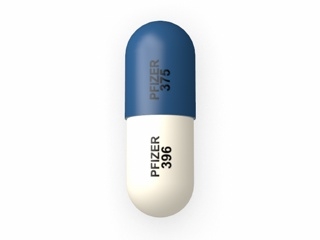
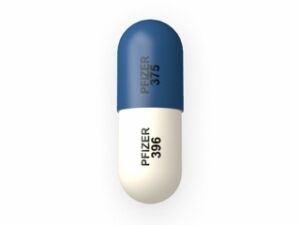
- Common forms: Usually available as oral capsules (strengths may vary by market and supply)
- How it’s used: For schizophrenia and bipolar-related episodes (as described below)
Note: Availability and specific pack strengths can change. Your local pharmacy will confirm the exact product and dosing options they can supply in Australia.
2) Mechanism of action (how Geodon works)
Ziprasidone belongs to a class of medicines that act on brain receptors involved in thinking, perception, mood, and behaviour. Its effects are thought to come from a combination of:
- Dopamine (D2) receptor activity: Helping reduce certain psychotic symptoms.
- Serotonin (5-HT) receptor activity: Influencing mood, anxiety-related pathways, and perception.
- Other receptor effects: Contributing to a more balanced impact across multiple neurotransmitter systems.
Many people notice symptom improvement over days to weeks, with further benefits sometimes taking longer. It’s important to continue treatment as directed, even if you feel better early on.
3) Pharmacokinetics (how the body handles ziprasidone)
Pharmacokinetics describes how the body absorbs, distributes, metabolises, and eliminates a medicine.
Absorption
- Food effect: Ziprasidone absorption is significantly improved when taken with food.
- Why it matters: Taking it without food can reduce how much medicine enters your bloodstream, potentially reducing effectiveness.
Distribution
- Ziprasidone distributes throughout body tissues, including the brain.
Metabolism
- Metabolism is mainly handled by liver enzymes (notably CYP3A4 among others). This is why some medicines can interact by changing ziprasidone levels.
Elimination
- Ziprasidone is cleared from the body via metabolic processing and excretion.
Your individual response can vary based on age, liver function, other medicines, and overall health.
4) Typical uses in Australia
Ziprasidone is used for the following conditions (depending on the formulation, patient age group, and local prescribing practice):
- Schizophrenia: For managing symptoms such as hallucinations, delusions, disorganised thinking, and related behaviours.
- Acute manic or mixed episodes associated with bipolar disorder: To help reduce severe mood symptoms such as agitation, mood elevation, or mixed features.
In real-world care, the treatment plan may also include psychological support and other therapies.
5) When and how to take Geodon (timing and routine)
Many treatment failures are related to how a medicine is taken. For Geodon, the most important practical point is taking it with food.
General timing tips
- Take with food—for example, a meal or substantial snack.
- Try to take doses at consistent times each day.
- Do not skip meals: If you often eat lightly or irregularly, discuss this with a pharmacist to ensure you can take the medicine correctly.
Missed dose
If you miss a dose:
- Take it as soon as you remember if it is near the time for your next dose.
- If it’s almost time for the next dose, skip the missed dose.
- Do not double up to make up for a missed dose.
For personalised advice, ask your pharmacist—especially if you miss multiple doses.
6) Food interactions (what you can eat and what to expect)
Food is central to ziprasidone effectiveness. Taking ziprasidone without food can significantly lower absorption.
- Recommended: Take with a meal or after eating.
- Consistency matters: Try to keep the “with food” part of your routine steady each dose.
Alcohol with food can still increase side-effect risks such as dizziness or sedation, and may worsen mood and judgement. See the alcohol section below.
7) Alcohol and medicine interactions
Alcohol
Combining ziprasidone with alcohol can increase unwanted effects such as:
- Drowsiness and slowed reaction time
- Dizziness or faintness
- Impaired judgement
Many people are advised to avoid alcohol or keep intake minimal while taking Geodon, especially when starting or adjusting dose.
Other important medicine interactions
Some medicines can raise or lower ziprasidone levels, or increase risk of side effects. A healthcare professional should review your current medicines, including:
- Prescription medicines
- Over-the-counter medicines
- Herbal products and supplements (e.g., St John’s wort)
- Vitamins and “natural” sleep aids
Key interaction concern: Ziprasidone can affect heart rhythm in some circumstances. Medicines that also influence heart rhythm, or that increase ziprasidone blood levels, may raise risk.
Examples of interaction categories that require careful checking:
- Medications that prolong QT interval (heart rhythm effects)
- Strong inhibitors of CYP3A4 (can increase ziprasidone levels)
- Some antidepressants and other antipsychotics (depending on the specific agent)
- Antiarrhythmics and certain antibiotics/antifungals
Do not start, stop, or change doses of other medicines without checking first. If you are unsure whether a medicine interacts, ask a pharmacist.
8) Indications and what symptoms it targets
Geodon is intended to help manage symptoms that can occur in:
Schizophrenia
- Hallucinations
- Delusions
- Disorganised speech or behaviour
- Emotional blunting or reduced motivation (varies by person)
Bipolar disorder (acute manic or mixed episodes)
- Racing thoughts
- Excess energy or irritability
- Agitation
- Impulsive behaviour
- Mixed symptoms (both manic and depressive features)
Improvement can take time, and the best results often occur when medication is combined with supportive care.
9) Dosing information (general guidance)
Dosing varies by condition, patient age, and individual response. Always follow the dosing instructions provided with your specific product.
Important: Do not change your dose without medical guidance.
How dose is usually adjusted
- Your clinician may start at a lower dose and adjust gradually.
- Adjustments may be based on symptom response and side effects.
- Heart rhythm and other safety factors may be considered, especially if you have risk factors.
Typical daily structure
Ziprasidone is often taken in divided doses (commonly twice daily). Many people find it easiest to link each dose to a meal.
With food requirement: Take each dose with food (meal/snack) to help ensure consistent absorption.
If you’re given a schedule that differs from general expectations, follow your personalised plan.
10) Safety profile (what to know before and during treatment)
All medicines can cause side effects. Many people tolerate ziprasidone well, but it’s important to recognise potential issues early.
Common side effects
- Sleepiness or fatigue
- Dizziness
- Nausea
- Headache
- Restlessness or restive movements (akathisia) in some people
Less common but important side effects
- Changes in heart rhythm (QT prolongation): risk may be higher with certain existing heart conditions or interacting medicines
- Extrapyramidal symptoms (movement-related effects such as stiffness, tremor)
- Blood sugar or cholesterol changes (more variable across antipsychotics)
- Weight changes
- Changes in blood pressure (including orthostatic hypotension—feeling light-headed when standing)
Seek urgent help if you have
Contact emergency services or urgent medical care if you develop:
- Fainting or severe dizziness
- Chest pain, fast or irregular heartbeat, or severe palpitations
- Severe allergic symptoms such as swelling of the face/lips, trouble breathing
- High fever, severe muscle stiffness, confusion (rare but serious)
Long-term safety monitoring
Your healthcare team may monitor:
- Heart rhythm (e.g., ECG) if needed based on risk factors
- Weight and metabolic markers (glucose/lipids)
- Movement symptoms
- Prolactin-related effects (in some cases)
11) Practical use tips (making treatment easier)
- Use meals as anchors: Taking your doses with breakfast/dinner can improve consistency and absorption.
- Track side effects early: If you feel unusually sleepy, restless, or dizzy, note when it happens and how severe it is—this helps your clinician adjust treatment.
- Stay hydrated and move carefully: Dizziness can occur; rise slowly from sitting/lying positions.
- Avoid sudden changes: Don’t stop suddenly unless advised. Sudden discontinuation may worsen symptoms or cause discomfort.
- Driving and operating machinery: Until you know how Geodon affects you, avoid driving or hazardous activities if you feel drowsy or slowed.
12) Alternative options (discuss with your clinician)
People may respond differently to different antipsychotics and mood stabilising strategies. Alternatives may include other medications used for schizophrenia or bipolar disorder, depending on your diagnosis, history, and risk profile.
Possible alternatives (examples) include antipsychotic options such as:
- Risperidone
- Olanzapine
- Quetiapine
- Aripiprazole
- Paliperidone
For bipolar disorder, clinicians may also consider other approaches such as mood stabilisers in combination with or instead of antipsychotics.
Important: Your clinician should select alternatives based on your symptoms, previous responses, side-effect risks (including heart rhythm concerns), and any other medicines you take.
13) Market and legal context in Australia
In Australia, medicines like Geodon are supplied under the country’s regulatory framework managed by the Australian Government and the Therapeutic Goods Administration (TGA). Medicines used for mental health conditions are typically regulated to ensure safe and appropriate use.
Availability: Supply can vary by product strength and local distribution. An online pharmacy can only dispense what is available in their supply chain and approved for the Australian market.
Quality and safety: Australian-regulated medicines must meet quality standards and labelling requirements. Always purchase from a reputable supplier.
14) Recent guidance and clinical considerations (general updates)
Clinical practice in Australia for antipsychotic medicines commonly emphasises:
- Individualised benefit–risk assessment (including cardiac risk for medicines that can affect QT interval)
- Monitoring for movement-related side effects, metabolic changes, and overall tolerability
- Patient education about the importance of taking ziprasidone with food
- Medication reviews at regular intervals to assess ongoing need and adjust dose
Because guidance evolves, it’s wise to ask a pharmacist or clinician what monitoring schedule and precautions apply specifically to you (for example, whether an ECG is indicated based on your health history and other medicines).
15) Delivery and availability (how online purchasing usually works)
For online pharmacies serving Australia, delivery and availability depend on:
- Stock levels for the specific pack size and strength
- Shipping location and delivery timeframes
- Processing times for documentation and order verification (if applicable)
What to expect when ordering:
- You may receive confirmation emails once your order is processed.
- Parcels are typically shipped in discreet packaging.
- If an item is temporarily unavailable, the pharmacy may contact you with options (such as alternatives, backorders, or refunds where appropriate).
Tip: If you’re about to run out, place orders early—especially if you need delivery before your next dose schedule.
16) Geodon FAQ
How long does it take for Geodon to work?
Some people notice improvements in agitation or sleep within days, but broader symptom control often takes several weeks. Your clinician will review response over time and adjust treatment if needed.
Do I have to take Geodon with food?
Yes. Ziprasidone absorption is significantly improved when taken with food. To help the medicine work as intended, take each dose with a meal or substantial snack.
What happens if I forget a dose?
Take it when you remember if it’s close to the next dose time. If it’s nearly time for your next dose, skip the missed dose. Do not double to catch up.
Can I drink alcohol while taking Geodon?
Alcohol may increase side effects such as drowsiness and dizziness and can worsen mood and judgement. Many people are advised to avoid alcohol or keep it minimal—especially when starting or changing dose.
What medicines commonly interact with ziprasidone?
Interactions depend on your specific medicines. The key categories include medicines that can affect heart rhythm (QT interval) and medicines that influence ziprasidone metabolism (such as strong CYP3A4 inhibitors). Always provide your medication list to a pharmacist for interaction checking.
Are there any heart-related precautions?
Ziprasidone may affect heart rhythm in some people. Risk is higher if you have existing heart rhythm problems, low potassium/magnesium, or you take interacting medicines. Your clinician may recommend an ECG or blood tests based on your risk factors.
Will Geodon cause weight gain?
Weight changes can occur with antipsychotic medicines. Individual experiences vary. Monitoring weight and metabolic health is a common part of care.
Can Geodon be stopped suddenly?
Do not stop suddenly unless a clinician advises it. Stopping abruptly can worsen symptoms and may cause withdrawal-like discomfort. If you want to stop, discuss a plan for tapering and monitoring.
Is Geodon suitable for everyone?
Geodon may not be suitable for all individuals, depending on your medical history, other medicines, and risk factors (particularly cardiac risk). Your clinician and pharmacist can help determine appropriateness.
17) Summary table (quick reference)
| Topic | Key points for Geodon (ziprasidone) |
|---|---|
| Type | Atypical antipsychotic medicine |
| Main uses | Schizophrenia; acute manic or mixed episodes in bipolar disorder (depending on indication) |
| How it works | Balances neurotransmitter receptor activity (notably dopamine and serotonin pathways) |
| Absorption | Improved when taken with food; taking without food may reduce effect |
| Typical timing | Often taken in divided doses (commonly twice daily) with meals—follow your exact schedule |
| Alcohol | May increase sedation/dizziness and worsen judgement—avoid or minimise unless advised otherwise |
| Interactions | Check medicines that affect heart rhythm and those that alter ziprasidone levels (e.g., CYP3A4-related) |
| Safety monitoring | May include ECG and metabolic monitoring depending on risk factors and clinical judgement |
| When to seek urgent help | Fainting, severe palpitations/chest pain, severe allergic reactions, or rare severe reactions |
Need more help?
If you’re unsure about how to take Geodon with food, how to manage missed doses, or whether your other medicines are safe to combine, speak to a pharmacist. They can provide Australia-specific advice and help you make your treatment plan more comfortable and effective.