Pimecrolimus (for topical use) — Patient Information (Australia)
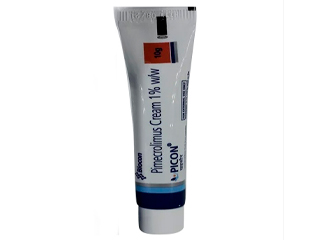
Pimecrolimus is a prescription-only topical medicine used to treat certain inflammatory skin conditions, most commonly eczema (atopic dermatitis). It belongs to a class of medicines that help calm skin inflammation by working on immune signalling pathways. This page explains what pimecrolimus is, how it works, how to use it safely, and what to expect.
Note: Always use pimecrolimus exactly as directed by your clinician or pharmacist. Product strengths and instructions can vary by brand and formulation available in Australia.
Quick Product Overview
| Category | Information |
|---|---|
| Medicine | Pimecrolimus (topical) |
| How it’s used | Applied to affected skin as a cream |
| Common use | Atopic dermatitis (eczema) and flares |
| Typical timing | Usually applied twice daily during flare-ups, or as directed |
| Mechanism | Topical calcineurin inhibitor (immune signalling reduction) |
| Absorption | Low systemic absorption in most patients |
| Available in Australia | Depending on brand and product availability; check with your pharmacy |
What is Pimecrolimus?
Pimecrolimus is an anti-inflammatory medicine applied directly to the skin. It is designed for use in conditions where the immune system plays a key role in inflammation—especially eczema.
Unlike topical steroids, pimecrolimus works without the same steroid-related effects. Many people use it to manage eczema, particularly on areas where steroid use may be less desirable (for example, certain facial areas)—but it is still important to follow individual medical advice.
How Pimecrolimus Works (Mechanism of Action)
Pimecrolimus belongs to a group known as topical calcineurin inhibitors. It works by:
- Blocking calcineurin, a protein involved in immune cell activation.
- Reducing the release of inflammatory chemical signals (cytokines) from immune cells in the skin.
- calm eczema-related inflammation, itch, and redness.
Because it targets immune signalling locally in the skin, pimecrolimus helps control inflammation with minimal systemic exposure in typical use.
Pharmacokinetics (Absorption & How the Body Handles It)
When applied topically, pimecrolimus is generally absorbed into the bloodstream at very low levels. Most of the medicine remains in the skin, which is one reason topical use can be effective while limiting whole-body effects.
- Absorption: Low systemic absorption under normal conditions.
- Distribution: Because blood levels are low, significant distribution to organs is not expected in typical use.
- Metabolism: When small amounts are absorbed, the body can metabolise the compound.
- Elimination: Any absorbed drug is expected to leave the body through normal metabolic and elimination pathways.
Factors that may affect absorption include the size of the area treated, frequency of application, skin integrity (for example, whether the skin is broken or infected), and whether occlusive (airtight) dressings are used (which are generally not recommended unless specifically advised).
Typical Use & Indications
Common Indications
In Australia, pimecrolimus is used for the treatment of atopic dermatitis (eczema), including:
- Management of eczema flares (active inflammation)
- Prevention of new flare-ups in some patients, as advised by a clinician
It may be considered especially when steroid-sparing treatment is preferred. Your doctor or pharmacist can advise whether pimecrolimus is a good fit for your specific eczema pattern and skin area.
Who is it for?
Use depends on age and local product labelling. Pimecrolimus is commonly used for eczema in children and adults, but age restrictions and dosing instructions vary by product. Always check the directions supplied with your specific brand.
How to Use Pimecrolimus (Dosing & Timing)
Important: This information is general. Follow your product label or clinician’s instructions, as dosing can vary by age, severity, and the area of skin involved.
Typical Dosing Approach
- Apply a thin layer of cream to the affected eczema areas.
- Commonly used twice daily during flare-ups (morning and evening), or as directed.
- Use for short-term control of flares and continue only as directed for your situation.
Timing Tips
- Evening application can be helpful because eczema itch can be worse at night.
- Try to apply at consistent times each day to support routine use.
- If you miss a dose, apply it when you remember unless it’s close to the next dose. Do not double the amount.
Amount and Technique
- Use enough cream to cover the affected area with a thin, even layer.
- Gently rub it in until the cream disappears into the skin (no thick coating needed).
- Wash your hands after applying unless your hands are the treatment area.
Food Interactions
Pimecrolimus is a topical medicine and is generally absorbed at low levels. As a result, food interactions are not expected for most people.
If you have questions because you are using multiple medicines or have severe eczema affecting large body areas, ask your pharmacist for personal guidance.
Alcohol and Medicine Interactions
Alcohol
No direct interaction between pimecrolimus and alcohol is expected because pimecrolimus is applied to the skin and absorbed minimally. However, eczema can be affected by overall health, stress, and skin irritation—some people find that alcohol worsens skin symptoms indirectly (for example, through flushing or sleep disruption).
Interactions with Other Medicines
Because systemic absorption is low, clinically significant drug interactions are not common. Still, certain precautions are useful:
- Other topical products: Avoid applying pimecrolimus on top of other creams or lotions unless your pharmacist advises how to combine them. Sometimes moisturisers are used at a different time of day.
- Skin infection: If the treated area becomes infected (for example, weeping sores, crusting, fever), seek medical advice before continuing treatment.
- Immunomodulating therapies: If you are using medicines that affect your immune system, tell your clinician. While pimecrolimus is topical, your clinician can check for safe overall management.
Practical suggestion: Keep a list of your medicines and skin products and show it to your pharmacist when starting pimecrolimus.
Safety Profile and Possible Side Effects
Common Side Effects
Most people tolerate pimecrolimus well. The most typical local effects are:
- Burning, stinging, or tingling at the application site (often temporary)
- Redness or mild skin irritation
- Dryness or changes in skin texture where applied
When to Seek Medical Advice
Contact a healthcare professional promptly if you experience:
- Signs of skin infection (increasing pain, warmth, spreading redness, pus, fever, or honey-coloured crusting)
- Severe or worsening irritation that doesn’t improve
- Allergic symptoms such as swelling, hives, or breathing difficulties
- Symptoms not improving or recurring quickly despite correct use
Important Precautions
- Avoid eyes and mucous membranes: Don’t apply to the inner lips, inside the nose, or around the eyes unless specifically directed.
- Do not use on infected skin unless your clinician has told you to.
- Sun protection: The treated area may be more sensitive. Use sunscreen and protective clothing, and follow local guidance.
- Occlusive dressings: Avoid airtight coverings over treated skin unless advised by your clinician.
Long-Term Use Considerations
Some patients use pimecrolimus during flares or intermittently to reduce recurrence. Your clinician can determine the safest plan based on your eczema severity and response.
Practical Use Tips for Best Results
- Use moisturisers regularly: Emollients help repair the skin barrier and reduce flare frequency. Many people use moisturiser daily, with pimecrolimus reserved for active eczema patches.
- Apply to affected areas only: Pimecrolimus works best when used on eczema patches rather than broadly over unaffected skin (unless advised otherwise).
- Maintain a flare routine: Start pimecrolimus at the first signs of flare (itch, redness, rough patches) as directed.
- Keep treatments consistent: Irregular use may reduce effectiveness.
- Gentle skin care: Use fragrance-free cleansers and avoid harsh soaps and hot showers, which can worsen eczema.
- Do not scratch: Scratching increases inflammation and the risk of infection. Keep nails short and consider distraction strategies for children.
Alternative Options (If You Need a Substitute)
There are several eczema treatment options in Australia. The best choice depends on severity, age, location of eczema, and your medical history.
Common alternatives
- Topical corticosteroids: Often used for short-term flare control. Your clinician may rotate or combine treatments.
- Topical calcineurin inhibitors: Another medicine in the same class may be used depending on availability and suitability.
- Emollients (moisturisers): The foundation of eczema care.
- Barrier-repair creams and ointments: Support skin hydration and reduce irritants.
- Antihistamines (for itch): Sometimes used to improve sleep (especially at night), depending on your situation.
- For severe cases: Clinicians may recommend phototherapy or other advanced therapies.
If pimecrolimus doesn’t control symptoms adequately, ask your pharmacist or doctor about step-up options and whether your diagnosis is correct.
Market / Legal Context in Australia
In Australia, pimecrolimus products are regulated as prescription medicines in line with the Pharmaceutical Benefits Scheme (PBS) and the requirements of the Australian Therapeutic Goods Administration (TGA).
- Regulation: Medicines are assessed for safety, quality, and effectiveness before supply in Australia.
- Supply: Availability can depend on brand and product listing.
- Guided use: Because eczema treatments often require personalised instructions (age, body area, severity), pharmacists and clinicians help ensure correct use.
Important: Specific subsidy and brand availability may change over time. Your pharmacy can confirm current stock and options.
Recent Guidance and Evolving Eczema Management
Eczema treatment guidance continues to evolve. In general, modern eczema care in Australia emphasises:
- Early, targeted treatment of flares to reduce symptom duration
- Consistent moisturising to repair skin barrier function
- Steroid-sparing strategies where appropriate, including use of calcineurin inhibitors
- Monitoring for infection and avoiding misuse on infected skin
Your clinician may tailor your regimen based on your response and skin sensitivity. If you have ongoing or frequent flares, a review of triggers (irritants, allergens, stress, dry air, sweating) can be just as important as medicine choice.
Delivery and Availability (Australia)
Online pharmacies in Australia may supply pimecrolimus depending on local regulations, brand availability, and stock levels. Common factors that affect availability include:
- Brand listing and formulation strength
- Packaging size (tube sizes may vary)
- Demand and supply chain timing
Shipping and delivery: Delivery times depend on your location and the pharmacy’s dispatch schedules. Once your order is processed, you’ll typically receive tracking information (if offered) and updates about dispatch.
Storage: Store as directed on the pack—usually at controlled room temperatures and away from direct sunlight. Keep out of reach of children.
Frequently Asked Questions (FAQ)
1) When will pimecrolimus start working?
Many people notice improvement in redness and itch within the first few days. Others may take longer. If there is no improvement after the recommended period or symptoms worsen, speak to your pharmacist or clinician.
2) Can I use pimecrolimus on my face?
It can be used for eczema in some areas, including certain facial areas, but product instructions and clinician recommendations vary. Use only on the areas advised and avoid the eyes and eyelids unless specifically instructed.
3) Should I stop when my eczema looks better?
Do not stop suddenly without advice. Some regimens involve treating flares until clear and then using an intermittent plan to reduce recurrence. Follow your personalised directions.
4) Is pimecrolimus the same as steroid creams?
No. Pimecrolimus is a calcineurin inhibitor, not a corticosteroid. It works through immune signalling rather than steroid pathways. Some people are advised to alternate or combine treatments depending on location and severity.
5) Can I use moisturiser with pimecrolimus?
Yes, moisturisers are usually recommended as part of eczema care. For best results, apply moisturiser after pimecrolimus has been absorbed (or at a different time of day) unless your pharmacist advises otherwise.
6) What if my skin burns when I apply it?
A mild burning or stinging sensation can occur, especially at the beginning. It is usually temporary. If the burning is severe, persistent, or accompanied by swelling or blistering, stop and seek medical advice.
7) Can I apply makeup or sunscreen over it?
Sunscreen may be used to protect treated areas. Wait until the cream is fully absorbed and choose gentle, non-irritating products. If you notice increased redness or stinging, reassess the cosmetics and speak to a pharmacist.
8) Is there a risk of infection?
9) Can children use pimecrolimus?
Children may be eligible depending on the product label and clinical assessment. Always confirm age eligibility and dosing instructions with your pharmacist.
10) What should I do if I miss a dose?
Apply it when you remember unless it’s close to the next dose. Do not apply extra to make up for the missed dose.
Summary
Pimecrolimus is a topical medicine used for eczema (atopic dermatitis). It helps reduce inflammation by targeting immune signalling in the skin. Because absorption into the bloodstream is generally low, it’s commonly used to manage flares with a focus on safer long-term skin care when appropriate. For best results, combine pimecrolimus with consistent moisturising, gentle skin routines, and timely treatment at the first signs of a flare.
If you have questions about how pimecrolimus fits your eczema treatment plan, your pharmacist can help you understand correct use, side effects, and how it compares with other options.