Tazorac (Tazarotene) — Patient Information (Australia)
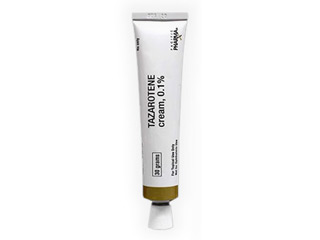
Tazorac is a brand of tazarotene, a topical medicine used to improve the appearance and feel of certain skin conditions. It belongs to a group of medicines called retinoids (vitamin A–related medicines), which work by affecting skin cell behaviour. This page explains how Tazorac works, how it is typically used, what to expect, and how to reduce irritation.
Please note: skin responses vary from person to person. Always follow the directions provided with your product or by your healthcare professional.
Basic product information
| Item | Details |
|---|---|
| Medicine name | Tazorac (tazarotene) |
| Active ingredient | Tazarotene |
| Medicine type | Topical retinoid (anti-ageing/anti-acne/keratinisation modulator) |
| Common strengths (availability may vary) | 0.05% and 0.1% cream/gel (check your specific product) |
| How it is used | Applied to the skin as a thin layer |
| Typical areas | Face, affected skin regions (as indicated by your clinician) |
| Key benefit | Helps normalise keratinisation and reduce inflammation linked to acne/psoriasis |
How Tazorac works (mechanism of action)
Tazarotene is converted in the skin into an active metabolite that binds to specific retinoid receptors. This helps regulate how skin cells grow and shed. In practical terms, Tazorac can:
- Promote more normal skin cell turnover (less clogged pores/normalised keratinisation).
- Reduce formation of comedones (blackheads/whiteheads) in acne.
- Decrease abnormal scaling in conditions like plaque psoriasis.
- Modulate inflammation associated with acne and psoriasis.
Because it influences cell behaviour, results usually develop gradually rather than immediately.
Pharmacokinetics (what happens in the body)
When applied to intact skin in typical amounts, tazarotene absorption is generally low. The medicine works primarily on the surface and within the upper layers of the skin. A small fraction may be absorbed systemically, where it is metabolised and then eliminated.
- Absorption: Low systemic absorption after topical use in most cases.
- Metabolism: Converted mainly by the liver to inactive or less active metabolites.
- Elimination: Metabolites are cleared through normal body pathways (primarily via urine).
Systemic exposure can be higher if large areas are treated, if application is overbroken/irritated skin, or if occlusion is used. This is why correct use and avoidance of unnecessary irritation are important.
Typical uses and indications
Tazorac (tazarotene) is used for skin conditions where retinoid action can help normalise keratinisation and reduce inflammation. Indications and strengths vary by country approvals and product formulation; always confirm the indication relevant to your product.
Commonly treated conditions
- Acne (including comedonal acne): helps prevent clogged pores and improves texture over time.
- Plaque psoriasis: helps reduce thickened scaling and improve appearance.
Your clinician may recommend Tazorac alone or as part of a broader regimen (for example, paired with gentle cleansing and moisturisers, and sometimes with other acne treatments).
When to apply (timing) and how long it takes to work
Tazorac is generally used once daily, often in the evening, because retinoids can increase sensitivity to sunlight.
Typical routine
- Evening: Apply a thin layer to clean, dry skin.
- Moisturise: Use a moisturiser before or after as needed to reduce irritation.
- Sun protection: Apply broad-spectrum sunscreen in the morning.
Timeline of improvement (what to expect)
- Early: Some people notice mild dryness or redness within the first few days.
- Weeks 2–4: Skin may stabilise as the routine is adjusted (e.g., moisturising, reducing frequency).
- Weeks 6–12: Gradual improvements are more likely, especially for acne texture and scaling.
- After 12 weeks: Continued refinement can occur depending on the condition.
It’s common for irritation to occur first; this does not always mean treatment is ineffective. The goal is to balance efficacy with skin comfort.
Dosing — typical approach for safe use
Dosing varies by indication, strength, and individual tolerance. The safest approach is to start as directed and progress slowly if irritation occurs.
General dosing principles
- Use a thin layer—a pea-sized amount may be enough for certain facial areas, depending on coverage.
- Apply only to affected areas unless directed otherwise.
- Once daily is typical; if irritation occurs, your routine may be adjusted (for example, every other night).
- Avoid eyes, lips, corners of the nose, and broken skin.
Practical example of a “start slow” plan
- Week 1: Use on alternate nights.
- Week 2: If comfortable, use nightly.
- Ongoing: Maintain the strongest schedule your skin tolerates.
If you’re unsure how to begin, consider discussing a personalised titration plan with a healthcare professional.
Food interactions
Tazarotene is a topical medicine with low systemic absorption when used correctly. As a result, clinically significant food interactions are not expected.
However, good general health and hydration can support skin barrier function. If you have other medical conditions or take multiple medicines, still review potential interactions with your healthcare professional.
Alcohol and medicine interactions
Because Tazorac is applied to the skin and absorption is generally low, alcohol interactions are not typically a direct concern. That said, alcohol can contribute to dehydration or may worsen skin irritation indirectly in some people.
Other medicines (skin-related) that may increase irritation
Certain topical products may irritate the skin barrier when used together. Examples include:
- Other strong exfoliants (for example, some scrubs or high-strength acids)
- Topical benzoyl peroxide or strong keratolytics (may be used in some regimens, but often require careful timing)
- Highly astringent toners or alcohol-heavy skincare products
If you already use acne or psoriasis products, you may need to separate application times (for example, using one product in the morning and Tazorac at night) or adjust frequency.
Systemic medicines
Systemic interactions are considered unlikely due to low absorption, but it’s still important to inform your healthcare professional about all medicines you use—especially other retinoids.
Safety profile — common side effects and when to seek help
Like other retinoids, Tazorac can cause irritation, especially during the first weeks. Most side effects are mild to moderate and improve with a slower start and moisturising.
Common side effects
- Dry skin
- Redness or irritation at the application site
- Burning or stinging sensation
- Peeling or mild flaking
- Itching
- Skin sensitivity
- Temporary worsening of dryness or scaling during the initial adjustment period
Serious or uncommon concerns
Seek medical advice urgently if you experience signs of severe allergic reaction (such as facial swelling, breathing difficulty, widespread hives) or severe skin reactions (for example, blistering, intense pain, or rapidly spreading rash).
Sun sensitivity and skin protection
Retinoids may make skin more sensitive to sunlight. Use:
- Broad-spectrum sunscreen daily
- Protective clothing (hat, shade) when possible
- Avoidance of tanning beds
Practical use tips (how to reduce irritation and improve results)
Apply to clean, dry skin
Wash gently, pat dry, and wait for skin to fully dry before applying Tazorac. Applying on damp skin can increase stinging.
Use moisturiser strategically
- Before: apply moisturiser (“sandwich method”), let it absorb, then apply a thin layer of Tazorac.
- After: apply moisturiser immediately after Tazorac if your skin tolerates it.
Fragrance-free, non-comedogenic moisturisers are often better tolerated.
How much to use
More is not better. Over-application increases irritation without improving outcomes. Use only a thin film over the area(s) directed.
Avoid sensitive zones
- Avoid eyes, eyelids, mouth corners, and nostrils
- Avoid applying to eczema patches or severely broken skin unless specifically instructed
Be careful with hair removal and “skin disruption”
Waxing, aggressive scrubbing, or chemical peels may increase irritation. Consider spacing these treatments away from your retinoid routine.
What if you miss a dose?
Apply the next dose at the usual time. Do not apply extra to make up for the missed dose.
Alcohol and skincare: additional comfort notes
Alcohol-containing skincare products (toners, aftershaves, some astringents) may worsen dryness and stinging. If you notice increased irritation, consider switching to gentler, alcohol-free options.
Alternative options for similar skin concerns
If you cannot tolerate Tazorac, or if your skin needs a different approach, there are several alternative treatments. The best choice depends on your diagnosis (acne vs psoriasis), severity, and your skin sensitivity.
Alternatives for acne
- Other topical retinoids (for example, adapalene or tretinoin products where appropriate)
- Benzoyl peroxide for acne bacteria and inflammation
- Topical antibiotics in specific cases (often for limited periods)
- Salicylic acid (a keratolytic) for clogged pores
- Azelaic acid for comedones and pigmentation-related concerns
Alternatives for plaque psoriasis
- Topical corticosteroids (commonly used during flares)
- Vitamin D analogues (for scaling and inflammation control)
- Calcineurin inhibitors for certain areas, as determined by clinician
- Phototherapy or systemic therapies for more severe disease
A healthcare professional can help tailor a regimen to your skin type and risk of irritation.
Australia market and legal context (overview)
In Australia, availability and classification of medicines can vary by active ingredient, strength, formulation, and therapeutic indication. Topical retinoid products may be supplied through pharmacy channels depending on local scheduling and product requirements.
When buying online, ensure the product is sourced from legitimate channels and that the listed active ingredient, strength, and dosage form match what you need. If you are unsure about eligibility or supply requirements, ask the pharmacy or check the product information supplied with your order.
Guidance and access arrangements can change, and your state/territory health requirements may influence how care is delivered. Always follow Australian product information and local regulatory updates.
Recent guidance and important updates (practical summary)
In recent years, broader skin-safety advice for topical retinoids has emphasised:
- Early barrier support (gentle cleansers and moisturising) to reduce irritation
- Sun protection to reduce photosensitivity risk
- Careful initiation (start frequency adjustments) for better tolerability
- Pregnancy avoidance with retinoids due to known risks associated with retinoid exposure during pregnancy (if relevant to you, speak to a healthcare professional immediately)
Product-specific instructions always take priority over general advice.
Delivery and availability (Australia)
Online pharmacy delivery options can differ based on location and courier availability. When ordering Tazorac products in Australia, you may typically find:
- Standard and express shipping depending on your postcode
- Packaging designed to protect creams/gels during transit
- Delivery tracking for many orders
Stock levels can vary by strength (e.g., 0.05% vs 0.1%) and formulation (cream vs gel). If your preferred version is temporarily unavailable, the pharmacy may offer an alternative equivalent or advise when restocking is expected.
Storage information
- Store at controlled room temperature (follow the label)
- Keep container tightly closed
- Protect from excessive heat and direct sunlight
- Keep out of reach of children
FAQ
1) Is Tazorac suitable for sensitive skin?
It can be, but sensitive skin often needs a slower introduction (for example, using every other night) and a strong moisturising routine. Start gradually and avoid using multiple irritating skincare products at the same time.
2) How soon will I see results?
Many people notice changes over 6 to 12 weeks. Early improvement may be subtle, while dryness or peeling may appear sooner. Consistency and correct application are key.
3) Can I use Tazorac with moisturiser and sunscreen?
Yes. In fact, moisturiser and sunscreen are important. Use moisturiser to reduce irritation, and apply sunscreen every morning to help protect skin from sunlight sensitivity.
4) What should I do if it burns or becomes too irritated?
Stop for a short period and allow the skin barrier to recover, then restart at a lower frequency (e.g., alternate nights) or use the “sandwich method.” Seek medical advice if irritation is severe, persistent, or worsening.
5) Can I apply Tazorac after swimming or exercise?
Wait until your skin is clean and fully dry. Heat and sweat may increase stinging in some people. A gentle cleanse and moisturiser before applying can help.
6) Does Tazorac interact with alcohol I drink?
No direct interaction is typically expected with oral alcohol because systemic absorption from topical use is low. However, alcohol may contribute to dryness or irritation indirectly in some individuals.
7) Can I use Tazorac with other acne or psoriasis products?
Sometimes, but caution is needed. Combining multiple active products may increase irritation. If your regimen includes strong exfoliants, acids, or benzoyl peroxide, you may need to adjust timing (morning vs night) or frequency. Ask a healthcare professional for a tailored plan.
8) Who should avoid using retinoids?
Retinoids require special caution during pregnancy and are generally not recommended when pregnant or trying to conceive. If pregnancy is possible, discuss options with a healthcare professional promptly.
9) What is the correct way to apply (how many times per week)?
Many people use Tazorac once daily. If irritation occurs, start slower (for example, every other night) and increase as tolerated. Follow the specific directions for your product strength and indication.
10) Where on the body can I apply it?
Apply only to the areas specified for your condition and direction from your healthcare professional. Avoid the eyes, lips, and any broken or irritated skin unless specifically advised.
Key takeaways
- Tazorac (tazarotene) is a topical retinoid used for conditions such as acne and plaque psoriasis.
- It works by normalising skin cell turnover and reducing scaling/clogging.
- Expect gradual results and possible irritation early on—use moisturiser and sun protection.
- Apply a thin layer to clean, dry skin, usually in the evening.
- If irritation becomes severe, pause and restart more slowly, or seek medical guidance.
For personalised advice about suitability, product strength, and how to build a routine with your current skincare, consult a healthcare professional or pharmacist.