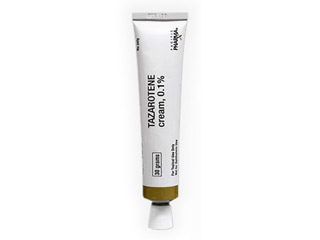
Tazarotene (Topical Gel/Cream) — Patient Information (Australia)
Tazarotene is a topical skin medicine used mainly for certain acne and psoriasis-related conditions. It belongs to the retinoid family, which works by influencing how skin cells grow and mature. Many people use tazarotene to help improve skin texture and reduce signs of inflammatory skin problems over time.
This guide is written in a patient-friendly way for an online pharmacy audience in Australia. It provides practical information about what tazarotene does, how it works, how to use it, possible side effects, and key interactions.
Basic product information
Generic name: Tazarotene
Type: Topical retinoid (dermatology medicine)
Common forms: Gel or cream (strengths vary by product)
How it is applied: Usually once daily to affected skin areas
| Category | What it means for you |
|---|---|
| Drug class | Retinoid (a vitamin A–related medicine) |
| Primary benefit | Helps normalise skin cell turnover and reduce inflammation |
| Typical onset | Often early improvement in a few weeks; full benefits may take longer |
| Common use areas | Acne-prone skin (e.g., face) or plaques in psoriasis (as directed) |
| Application approach | Thin layer to clean, dry skin; gradual build-up can improve tolerance |
Mechanism of action (how tazarotene works)
Tazarotene is a retinoid prodrug that is converted in the skin to its active metabolite(s). The active compounds bind to retinoid receptors in skin cells, influencing:
- Skin cell differentiation and turnover: helps encourage more normal shedding and growth.
- Inflammation: can reduce inflammatory signalling involved in acne and psoriasis.
- Keratinisation (plaque/comedone formation): may reduce thickened skin and clogged pores.
In acne, this may help reduce the formation of comedones (clogged pores) and improve the overall texture of skin. In plaque psoriasis, it can help reduce scaling and thickness.
Pharmacokinetics (absorption, distribution, metabolism, elimination)
Tazarotene is applied to the skin. Only a portion of the drug typically reaches the bloodstream. Key points include:
- Absorption: Most of the medicine remains local to the skin surface. Absorption into the body can increase if more skin area is treated, if the skin barrier is damaged, or if the product is used more frequently.
- Metabolism: The medication is converted to active and inactive metabolites, primarily in the body after absorption.
- Elimination: Metabolites are removed mainly via normal body clearance processes (including urinary excretion), as is common for many retinoid metabolites.
- Systemic levels: In general, systemic exposure is low when used as directed on intact skin.
Your individual absorption may vary depending on skin type, the severity of your condition, and how much product is used.
Typical uses in Australia
Tazarotene is commonly used in dermatology for conditions such as:
- Acne vulgaris: including mild to moderate forms (product strength and vehicle may vary).
- Plaque psoriasis: in certain adult patients with limited or manageable areas, depending on product guidance.
- Other retinoid-responsive skin conditions: specific indications depend on the exact formulation and strength.
Always use tazarotene for the condition it is intended for. If you are unsure whether it fits your diagnosis, consult a qualified healthcare professional.
How and when to use tazarotene (timing and routine)
General timing
Tazarotene is usually applied once daily in the evening or at a time that suits your routine. Consistency helps effectiveness, but tolerance matters—especially early in treatment.
Step-by-step practical routine
- Cleanse gently: Wash with a mild cleanser and pat the skin dry. Avoid scrubbing or harsh products.
- Wait until skin is completely dry: Applying to damp skin can increase irritation.
- Apply a thin layer: Use enough to cover affected areas lightly. A small amount is often sufficient.
- Avoid sensitive zones: Keep away from eyes, eyelids, corners of the nose, mouth, and broken skin.
- Wash hands after application: Unless treating the hands themselves.
When will you see results?
Many people notice initial improvement in several weeks, while full benefits may take 8–12 weeks (or longer) depending on the condition, severity, and how consistently it is used. If you are using it for acne, you may initially see changes in texture and clogged pores before inflammation settles.
Building tolerance (reducing irritation)
Irritation is one of the most common issues with topical retinoids. To help manage it:
- Start with every other night for 1–2 weeks if you have sensitive skin, then progress to nightly use as tolerated.
- Use moisturiser to reduce dryness (see tips below).
- If irritation becomes significant, pause and speak with a healthcare professional before restarting.
Food interactions
Because tazarotene is topical, it is not usually associated with classic food–drug interactions. Dietary issues typically do not directly change how the medicine acts on skin.
However, if you have conditions involving vitamin A metabolism, liver health, or you are using other retinoids, it is still important to discuss your full medication and supplement list with a healthcare professional.
Alcohol and medicine interactions
Alcohol
Topical tazarotene does not commonly have direct interactions with alcohol. That said, alcohol can contribute to skin dehydration and irritation in some people, which may worsen dryness from retinoids. If you find your skin is more reactive after alcohol, consider moisturising more consistently and monitoring irritation.
Other topical medicines (important)
Using certain products alongside tazarotene can increase irritation or reduce tolerance. Consider caution when using:
- Other exfoliants: scrubs, peels, strong acids (e.g., high-strength glycolic/salicylic acids).
- Strong cleansers: harsh soaps or medicated washes that dry the skin.
- Other retinoids: do not combine with additional vitamin A–type products unless advised.
- Drying acne products: benzoyl peroxide or salicylic acid may be used in some routines, but tolerance varies.
A common practical approach is to add one active ingredient at a time and gradually build your routine to avoid excessive irritation.
Systemic medicines
Because systemic absorption is generally low when used correctly, most oral medication interactions are not expected. However, it is important to review your medications and supplements, especially:
- Other retinoids (including oral vitamin A products or other retinoid therapies).
- Medications that affect skin sensitivity (your healthcare provider can advise based on your profile).
If you are unsure, ask a pharmacist or prescriber to check for interactions with your full regimen.
Indications (what tazarotene is used to treat)
Indications vary depending on the product strength and formulation. In general, tazarotene is intended for:
- Acne vulgaris: to improve acne lesions and help prevent new comedones/blocked pores.
- Plaque psoriasis: to reduce plaque-related scaling and thickness.
- Selected dermatological conditions: only use for conditions listed for the specific product you have.
If symptoms worsen, spread, or do not improve after a reasonable trial, seek medical advice rather than continuing through severe irritation.
Dosing (how much and how often)
The dosing frequency depends on the condition and your skin tolerance. Many tazarotene products are used once daily. Typical guidance:
Typical application amount
- Use a thin layer covering affected areas.
- A common practical rule is to apply only the amount required for coverage; more is not better and may increase irritation.
Example timing schedule
- Week 1–2: apply every other night (if you are prone to irritation).
- Week 3 onward: if tolerated, progress to nightly use.
- Long-term: maintain as directed for ongoing management (your prescriber may adjust based on response).
Missed dose
If you miss a dose, apply it when you remember unless it is close to your next scheduled application. In general, do not apply extra to “catch up.”
Safety profile and side effects
Common side effects
The most frequent effects are related to skin irritation, especially during the first weeks:
- Dryness or flaking
- Redness (erythema)
- Burning or stinging sensation
- Itching
- Peeling or skin sensitivity
Less common but important effects
- Significant swelling or blistering
- Severe dermatitis or worsening rash
- Changes in skin colour (temporary hyperpigmentation or hypopigmentation may occur, particularly after irritation)
When to seek urgent medical advice
Seek prompt medical attention if you experience:
- Severe blistering, oozing, or rapidly spreading rash
- Facial swelling (e.g., around eyes/lips)
- Signs of infection (worsening pain, warmth, pus, fever)
- Eye irritation that persists
Special precautions
- Sun sensitivity: Retinoids can make skin more sensitive to the sun. Use sunscreen and protective clothing.
- Pregnancy and family planning: Retinoids are often associated with significant risks in pregnancy. Discuss use with a healthcare professional if you could become pregnant or are pregnant.
- Skin conditions: Use caution on eczema or broken skin unless specifically advised.
- Concomitant skin treatments: Combining multiple strong actives may increase irritation.
Practical use tips (how to get the best results with fewer problems)
Moisturise strategically
A moisturiser can improve comfort and reduce dryness. Options include:
- Apply moisturiser before tazarotene if your skin is very dry (let it absorb first).
- Alternatively, use moisturiser after tazarotene once the medicine has had time to settle.
Keep your routine gentle
- Choose a mild cleanser and fragrance-free moisturiser.
- Avoid harsh exfoliation, scrubs, and strong toners while you adjust to tazarotene.
- Limit shaving irritation—consider applying at a time when you can avoid friction shortly afterwards.
Use sunscreen daily
Sun protection helps reduce the risk of irritation and pigment changes. Prefer broad-spectrum sunscreen and reapply as needed.
Don’t over-apply
More product does not improve results and may increase irritation. Aim for a thin layer on affected areas only.
Be patient with acne “phases”
Some people experience early changes that feel like worsening or new lesions before the longer-term improvement. This can happen as clogged pores begin to change. If irritation is severe, reduce frequency and seek advice.
Alternative options (if tazarotene is not suitable)
Alternatives depend on your condition (acne vs psoriasis) and severity, as well as your skin sensitivity and preferences. Options commonly discussed by dermatologists include:
For acne
- Other topical retinoids (e.g., adapalene or tretinoin products, depending on availability and suitability)
- Benzoyl peroxide (for bacterial/anti-inflammatory effects; can be drying but effective)
- Topical antibiotics in selected cases (often short-term or combined to reduce resistance)
- Salicylic acid (helps with exfoliation and pore clearing, generally gentler than some retinoids)
For plaque psoriasis
- Topical corticosteroids (commonly used to reduce inflammation and plaque thickness)
- Vitamin D analogues (retinoid-free options for psoriasis plaques)
- Other topical anti-inflammatory agents as appropriate
A pharmacist or dermatologist can help you choose a suitable alternative based on the exact product formulation and your skin tolerance.
Market and legal context for Australia
In Australia, medicines are regulated under the national medicines framework. Whether a product is available over the counter, via pharmacy supply, or under specific prescribing requirements depends on the exact formulation, strength, and approved indication.
For online pharmacies and retailers, safety and compliance typically include:
- Verifying that the product matches the intended use.
- Providing appropriate product information and consumer medicine details.
- Ensuring age and suitability checks where required.
- Encouraging consultation for complex conditions or high-risk groups (e.g., pregnancy planning).
If you are unsure about how a specific tazarotene product is supplied in Australia, check the product page details and speak with a pharmacist.
Recent guidance and practical updates (what to watch for)
Dermatology guidance often emphasises:
- Gradual initiation of topical retinoids to improve tolerance.
- Sun protection to reduce irritation and pigment changes.
- Patient education about expected timelines and managing dryness.
- Consistency with routine and avoiding mixing multiple strong actives at once.
Product-specific instructions may differ by formulation, so always follow the instructions provided with your exact tazarotene product.
Delivery and availability (online pharmacy)
Availability of tazarotene products may vary. When ordering online in Australia, factors that can affect delivery include:
- Whether the specific strength/vehicle is in stock
- Processing times and shipping destination within Australia
- Cold-chain requirements (typically not needed for standard tazarotene topical products, but confirm for your specific item)
- Any identity/suitability checks required by the product category
To support safe use after delivery, ensure packaging and labelling are intact, and store the product according to the instructions on the label.
FAQ
1) Is tazarotene suitable for sensitive skin?
It can be, but irritation is common—especially at the start. Many people tolerate it better by using a thin layer, applying every other night initially, and moisturising consistently. If your skin becomes very uncomfortable, stop and seek advice.
2) Can I use moisturiser with tazarotene?
Yes. Using a gentle moisturiser is often helpful. You can apply moisturiser before or after tazarotene depending on comfort. Make sure your skin is dry before applying tazarotene.
3) Will tazarotene make my acne worse at first?
Some users experience early changes while skin turnover adjusts. However, severe worsening or intense irritation is not expected. If you have significant discomfort, reduce frequency and talk to a pharmacist or clinician.
4) How long does it take to work?
Improvement often begins within a few weeks, but full benefit commonly takes 8–12 weeks or longer. Consistent use and gentle skin care support the best outcomes.
5) Can I combine tazarotene with other acne products?
Sometimes, but tolerance varies. Strong exfoliants and harsh cleansers often worsen dryness. If combining actives, introduce them gradually and consider spacing them out to reduce irritation.
6) Is there a food interaction I should worry about?
Food interactions are not usually expected with topical tazarotene. The main concerns tend to be skin and product combinations, plus your overall medical situation and supplement use.
7) Can I drink alcohol while using tazarotene?
There is typically no direct drug–alcohol interaction with topical tazarotene. However, alcohol may contribute to dehydration and can worsen skin dryness in some people—so monitor your skin and moisturise.
8) What if I miss a dose?
Apply it when you remember unless it’s close to the next application time. Don’t apply extra to compensate.
9) When should I avoid using tazarotene?
Avoid applying to eyes, eyelids, corners of the nose, mouth, and broken skin. If you have severe irritation, blistering, or signs of infection, stop use and seek medical advice.
10) Where can I find the exact product instructions?
Follow the instructions provided with your specific tazarotene product packaging. If you’re using the medicine for a particular condition, check that the product is intended for that use and discuss any doubts with a pharmacist.
Key takeaways
- Tazarotene is a topical retinoid used for conditions such as acne and plaque psoriasis.
- It works by normalising skin cell turnover and reducing inflammation.
- Expect irritation early on; start gradually and moisturise to improve tolerance.
- Use sunscreen daily and avoid harsh skin treatments while adjusting.
- Follow the product directions and consult a pharmacist or clinician if you have concerns or severe side effects.
Note: This information is general and educational. Always read the consumer medicine information and product label for your specific tazarotene formulation, and speak with a qualified healthcare professional for advice tailored to you.