

Tacrolimus (Tacrolimus) – Patient-Friendly Information
Tacrolimus is an immunosuppressant medicine used to prevent organ rejection and treat certain immune-related conditions. It works by reducing the activity of your immune system so the body is less likely to attack a transplanted organ (or, in some cases, treat immune-mediated disease).
This page explains how tacrolimus works, how it is used, what to expect regarding monitoring, and key safety information—written for people living in Australia. Always follow the instructions provided with your product and any advice from your healthcare team.
Basic product information
| Category | Details |
|---|---|
| Medicine name | Tacrolimus |
| Common forms | Capsules, prolonged-release capsules (e.g., “modified-release”/MR), and ointment (skin). Form varies by brand and indication. |
| How it’s used | Oral for transplant/immune conditions; topical ointment for certain skin conditions. |
| Typical dosing frequency | Oral immediate-release is often twice daily; prolonged-release is often once daily. Exact schedules vary. |
| Main requirement | Therapeutic drug monitoring (blood tests) for oral tacrolimus in many situations. |
How tacrolimus works (mechanism of action)
Tacrolimus is a calcineurin inhibitor. After entering the bloodstream, it binds to a protein called FKBP (FK506-binding protein). This complex then inhibits calcineurin, a key enzyme involved in activating T-lymphocytes (a type of immune cell).
By blocking calcineurin, tacrolimus reduces the production of immune “messenger” signals (cytokines) and decreases T-cell activation. The result is immunosuppression—helping the body tolerate a transplanted organ and controlling immune-driven inflammation in certain conditions.
Pharmacokinetics (how your body handles it)
Pharmacokinetics describes absorption, distribution, metabolism, and elimination. Tacrolimus has a narrow therapeutic range, meaning the difference between an effective dose and a potentially harmful dose can be small. This is one reason why blood-level monitoring is often recommended for oral use.
Absorption
- Oral tacrolimus is absorbed in the gastrointestinal tract. Absorption can vary between people and from day to day.
- Food—particularly high-fat meals—can affect how much tacrolimus you absorb. Consistency is important.
Distribution
- Tacrolimus distributes widely in the body and is highly bound to blood proteins.
- It can be measured in blood as whole-blood trough concentrations (the level just before a dose).
Metabolism
- Tacrolimus is metabolised mainly by liver enzymes (particularly the CYP3A pathway).
- Because of this, medicines that inhibit or induce CYP3A can significantly change tacrolimus levels.
Elimination
- Tacrolimus is eliminated mainly through metabolism, with waste products excreted by the body.
- Kidney function can affect overall health and tolerance, but tacrolimus clearance is not solely dependent on kidney function.
Typical uses
Tacrolimus is used in specific clinical situations. Common categories include:
- Prevention of organ rejection in people who have received a solid organ transplant (such as kidney, liver, or heart), usually in combination with other medicines.
- Management of immune-mediated conditions in selected circumstances, where controlling immune activity is needed.
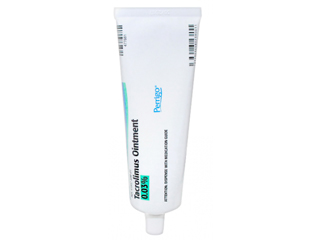
- Topical treatment with tacrolimus ointment for certain inflammatory skin conditions (for example, atopic dermatitis in appropriate patients), under clinician guidance.
Indications and where tacrolimus may fit in therapy
In transplant care, tacrolimus is frequently used as part of a multi-drug regimen to reduce rejection risk. In other immune-related conditions, clinicians may choose tacrolimus when benefits outweigh risks.
Because the exact indication depends on the formulation and strength, always confirm you are using the correct product for your condition.
Timing: when and how to take tacrolimus
Timing matters because tacrolimus levels in the blood can fluctuate. If you are prescribed oral tacrolimus, try to keep: the same dose time each day and the same relationship to meals.
General oral timing guidance
- Take tacrolimus at the same times daily (for example, morning and evening for immediate-release, or once daily for prolonged-release—follow your product instructions).
- Try to take it consistently with or without food, depending on what your prescriber and product information recommend.
- If your blood tests show levels are too high or too low, your dose may be adjusted. Dose changes can take time to stabilise levels.
- If you miss a dose, seek guidance from your healthcare team or pharmacist before taking an extra dose.
Topical timing (if using tacrolimus ointment)
- Apply a thin layer to the affected area as directed.
- Wash your hands before and after use unless your hands are the treated area.
- Avoid applying to broken or infected skin unless advised by your clinician.
Food interactions: what to know
Food can influence tacrolimus absorption. The most important practical approach is to maintain a consistent routine. Changes in meal timing, portion size, or especially meal fat content can affect tacrolimus levels.
Common food considerations
- High-fat meals can increase or alter tacrolimus absorption. If your clinician has advised taking tacrolimus on an empty stomach (or with a consistent type of meal), follow that precisely.
- If you switch from taking tacrolimus with food to taking it without food (or vice versa), tacrolimus levels may change and monitoring may be needed.
- Grapefruit and grapefruit juice can interact with many medicines through CYP3A effects (see “medicine interactions” below).
If you have questions about meals and your specific brand or formulation, ask your pharmacist. Prolonged-release products may have different absorption characteristics compared with immediate-release forms.
Alcohol and medicine interactions
Alcohol
Moderate alcohol may be tolerated by some people, but it can worsen side effects and may increase the risk of liver-related problems. Alcohol can also affect adherence and overall health. In transplant settings, the safest approach is to discuss alcohol use with your clinician.
- Avoid heavy drinking or binge patterns.
- If you have liver disease or abnormal liver tests, ask your healthcare team before drinking alcohol.
- Seek medical advice if you develop signs of liver problems (such as unusual fatigue, dark urine, or yellowing of the skin/eyes).
Medicine interactions (very important for tacrolimus)
Tacrolimus is affected by medicines that change CYP3A activity and other transport mechanisms. This can lead to tacrolimus levels rising (increasing risk of toxicity) or falling (increasing risk of rejection).
Always inform your pharmacist or clinician about all medicines and supplements you use, including over-the-counter products.
Examples of medicines that may increase tacrolimus levels
- Some antifungals (e.g., azole antifungals)
- Some macrolide antibiotics (e.g., clarithromycin)
- Protease inhibitors used for HIV treatment
- Certain calcium channel blockers
- Grapefruit and related products (food-drug interaction)
- Medicinal herbs (e.g., St John’s wort) can interact—see below for level reduction.
Examples of medicines that may decrease tacrolimus levels
- Rifampicin and some other antibiotics used to treat infections
- Anticonvulsants (some seizure medicines)
- St John’s wort (herbal supplement)
- Other strong CYP3A inducers depending on your regimen
This is not a complete list. Interactions can be complex and depend on the specific tacrolimus formulation, dose, and your organ function.
Dosing: what “typical” means and why it varies
Tacrolimus dosing is highly individual. Factors include the reason for treatment, transplant type, other medications, age, liver function, and measured tacrolimus blood levels. For oral tacrolimus, clinicians often use drug-level monitoring to guide dosing adjustments.
Oral tacrolimus (general principles)
- Doses may be started at a clinician-determined level and adjusted based on tacrolimus trough blood levels.
- Changes in interacting medicines often require closer monitoring.
- If you are switched between formulations (e.g., different brands or immediate-release vs prolonged-release), monitoring may be essential.
Topical tacrolimus ointment (general principles)
- The amount and frequency of application depends on the skin condition and area affected.
- Use a thin layer and avoid over-application.
- Do not apply more frequently or to larger areas than instructed.
Do not change your dose unless your prescriber has advised it, even if you feel well or poorly. If you miss doses, contact your healthcare team for advice.
Safety profile: common side effects and what to watch for
Tacrolimus can cause side effects because it suppresses immune activity and may affect organs such as the kidneys and nervous system. Many side effects are dose-related and can be monitored through blood tests.
Common or important side effects (oral)
- Infection risk: because the immune system is suppressed, infections may occur more easily.
- Kidney effects: changes in kidney function may occur; monitoring of creatinine and other markers is common.
- High potassium or electrolyte changes: may appear on blood tests.
- Nervous system symptoms: tremor, headache, dizziness may occur in some people.
- Gastrointestinal effects: nausea, diarrhoea, or abdominal discomfort can occur.
- Metabolic effects: increased blood sugar can occur in some patients.
Common or important side effects (topical)
- Burning or stinging at the application site, often early in treatment.
- Skin irritation or redness.
- Rarely, worsening skin infection or irritation if the area is infected or if not used as directed.
When to seek urgent medical help
Contact urgent care or seek immediate medical attention if you experience:
- Signs of a serious infection: high fever, chills, severe sore throat, shortness of breath, or rapidly worsening symptoms.
- Severe allergic reaction symptoms: swelling of face/lips, trouble breathing, or widespread rash.
- Severe kidney concerns: marked reduction in urine, severe swelling, or severe pain (especially if accompanied by abnormal blood tests).
- Neurological red flags: severe confusion, seizures, or fainting.
Practical use tips (helping you take tacrolimus safely)
- Keep to a consistent routine: take it at the same times and keep meals consistent.
- Don’t switch brands or formulations without checking—ask your pharmacist whether a substitution changes how you should take it and whether monitoring is needed.
- Use a medication organiser to reduce missed doses.
- Attend blood test appointments if you’re using oral tacrolimus. Monitoring is a key safety measure.
- Read labels for strength and form: immediate-release and prolonged-release products can look similar but are not interchangeable.
- Tell healthcare providers (dentists, surgeons, emergency staff) that you take tacrolimus.
- Avoid herbal supplements unless approved (especially St John’s wort and “immune boosters”).
- Protect yourself from infections: hand hygiene, staying up to date with recommended vaccines where appropriate, and avoiding close contact with people who are unwell.
Monitoring and follow-up (what to expect)
For many people using oral tacrolimus—especially after transplant—regular monitoring is part of standard care. Monitoring helps to balance preventing rejection with avoiding toxicity.
- Tacrolimus trough levels (blood tests timed just before the next dose).
- Kidney function tests (e.g., creatinine, urea) and other electrolytes.
- Blood sugar checks if indicated.
- Liver function tests depending on your overall health and regimen.
If you change your dose schedule, skip doses, start/stop interacting medicines, or significantly change diet, let your healthcare team know.
Alternative options
Depending on the condition, other immunosuppressive medicines may be used instead of tacrolimus or alongside it. Alternatives can include:
- Cyclosporin (another calcineurin inhibitor)
- Sirolimus/everolimus (mTOR inhibitors) in certain regimens
- Azathioprine or mycophenolate as part of combination therapy for transplant patients
- For skin conditions, alternative topical treatments may include other anti-inflammatory options (your clinician can advise based on your case).
Choice of alternative depends heavily on your indication, current stability, side effects, and drug-level results. Do not change therapy on your own—discuss options with your healthcare team.
Market and legal context for Australia
In Australia, medicines including tacrolimus are regulated under the Therapeutic Goods Administration (TGA) framework. Availability depends on the specific product, formulation, and whether it is listed on Australian formularies or subsidised under relevant schemes.
Some tacrolimus products may be supplied under special supply arrangements, depending on local requirements and prescribing practices. Access may also involve ongoing monitoring requirements for safe use.
When purchasing from an online pharmacy in Australia, reputable sellers typically:
- Verify patient details where required by Australian regulations and product requirements.
- Provide brand/form and strength information clearly.
- Include safety information and advice on storage and use.
- Support delivery tracking and follow standard quality controls for medicines.
Recent guidance and safety updates (staying current)
Clinical practice evolves as new evidence emerges. In recent years, major themes for tacrolimus safety have included:
- The importance of consistent tacrolimus exposure and therapeutic drug monitoring for oral therapy in transplant settings.
- Increased attention to drug–drug and food interactions due to CYP3A-related metabolism.
- Ongoing safety awareness regarding infection risk and vaccination planning for people on immunosuppression.
For the most up-to-date product-specific information, consult the relevant consumer medicines information (CMI) for your brand and formulation.
Delivery and availability in Australia
Tacrolimus products may be available through pharmacies and eligible online services in Australia. Availability can vary by:
- Formulation type (oral capsules vs prolonged-release vs topical ointment)
- Brand and strength
- Stock levels and delivery schedules
When ordering, check that the product matches what you use (including immediate-release vs prolonged-release). Delivery times vary by location and courier service. Reliable online pharmacies usually provide:
- Order confirmation and tracking
- Clear labelling and packaging
- Customer support for product and delivery questions
Storage information
- Store tacrolimus according to the instructions on the pack (commonly at room temperature away from heat and moisture).
- Keep out of reach of children.
- For topical products, follow directions regarding exposure to sunlight/heat if stated on your label.
Frequently asked questions (FAQ)
1) Is tacrolimus a steroid?
No. Tacrolimus is not a corticosteroid. It is a calcineurin inhibitor that suppresses immune activity through a different pathway.
2) Why do I need blood tests while taking tacrolimus?
Oral tacrolimus has a narrow therapeutic range and blood levels can vary. Monitoring helps ensure the dose is high enough to prevent rejection (or control immune disease) while reducing the risk of toxicity.
3) Can I take tacrolimus with food?
Food can affect absorption. Some instructions advise taking it consistently with meals or on an empty stomach. Follow the guidance provided for your exact product and maintain consistency day to day.
4) What should I do if I miss a dose?
The right approach depends on your dosing schedule (immediate-release vs prolonged-release) and how close you are to the next dose. Contact your pharmacist or healthcare team for advice rather than doubling the dose.
5) Are there foods or drinks I should avoid?
Grapefruit and grapefruit juice can interact with tacrolimus. Also aim to keep meal timing and composition consistent, especially if your tacrolimus dose is adjusted based on levels.
6) Can I drink alcohol while taking tacrolimus?
Alcohol may increase side effects and can affect liver function. If you plan to drink, discuss it with your healthcare team—especially if you have liver issues, drink frequently, or are early after transplant.
7) What infections should I watch for?
Because tacrolimus suppresses the immune system, you may be more susceptible to infections. Seek medical advice promptly for fever, chills, persistent cough, burning when you urinate, worsening wounds, or any severe or unusual symptoms.
8) What about vaccinations?
Vaccination advice can vary for people taking immunosuppressants. Ask your clinician or pharmacist which vaccines are recommended and whether certain vaccine types are unsuitable for you.
9) Can I take over-the-counter medicines or herbal supplements?
Some non-prescription medicines and herbal products can interact with tacrolimus. Check with your pharmacist before starting anything new, including common supplements. St John’s wort is particularly important to avoid unless your clinician approves.
10) Is topical tacrolimus different from oral tacrolimus?
Yes. Topical tacrolimus ointment is applied to the skin for certain inflammatory conditions. Oral tacrolimus is absorbed systemically and typically requires blood monitoring in transplant settings. Do not substitute between forms.
Summary
Tacrolimus is a calcineurin inhibitor used to suppress the immune system—most commonly to help prevent transplant rejection and, in some cases, to treat immune-mediated conditions or inflammatory skin disease (topical formulation). Because tacrolimus levels can change and the medicine has important interaction risks, consistent dosing, attention to food and medicine interactions, and appropriate monitoring are central to safe use.
If you have questions about how to take tacrolimus, possible interactions, or what side effects to watch for, talk to your pharmacist or healthcare team.