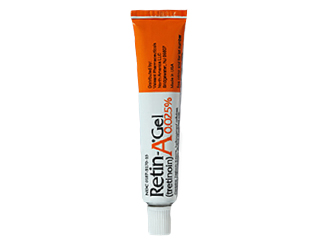
Retin-A Gel (Tretinoin) – Patient Information (Australia)
Retin-A Gel contains tretinoin, a topical retinoid used to treat certain skin conditions and to help improve the appearance of acne and blemishes. It works by speeding up the turnover of skin cells and supporting clearer pores. When used correctly, tretinoin gel can be a valuable part of a skin-care routine.
This guide is written to be patient-friendly and practical. It covers how the medicine works, how to use it, what to expect, interactions, safety information, and commonly asked questions relevant to people in Australia.
Basic product information
| Category | Details |
|---|---|
| Medicine | Retin-A Gel |
| Active ingredient | Tretinoin (a topical retinoid) |
| Common strengths | Available in different strengths (the exact strength varies by product/brand) |
| Form | Gel for topical application |
| How it’s used | Typically applied once daily to affected areas, depending on your skin response and your prescriber’s advice |
| Key benefits | Helps unclog pores, reduces acne lesions, improves skin texture over time |
Note: The exact strength and directions may differ between products sold in Australia. Always check the label on your specific Retin-A Gel and follow professional instructions.
How Retin-A Gel works (mechanism of action)
Tretinoin is a topical retinoid. It works mainly by affecting how skin cells grow, mature, and shed.
- Normalises skin cell turnover: It helps reduce abnormal shedding that can clog pores.
- Improves follicular keratinisation: By influencing how cells form within hair follicles, it reduces comedones (clogged pores).
- Supports clearer pores: Over time, it can reduce both inflammatory acne (red, swollen spots) and non-inflammatory acne (whiteheads/blackheads).
- Anti-inflammatory effects (indirectly): By improving clogged follicles, it can reduce inflammatory lesions as part of acne improvement.
For some people, early irritation or a temporary increase in acne can happen during the first weeks (often called “retinisation” or initial purging). This doesn’t always mean the treatment is failing, but it can require adjusting how you use it.
Pharmacokinetics (what happens in the body)
Because tretinoin is applied to the skin, systemic absorption is generally low when used as directed.
- Absorption: Most of the drug remains on the surface and within the skin layers where it acts.
- Distribution: Only small amounts reach the bloodstream.
- Metabolism and elimination: Any absorbed portion is metabolised and cleared by normal body processes.
Systemic effects are uncommon with appropriate topical use—however, absorption can increase if the product is applied to large areas, used more frequently than recommended, applied to broken/irritated skin, or combined with strong irritants.
Typical uses
Retin-A Gel (tretinoin) is commonly used for:
- Acne vulgaris (including comedonal and inflammatory acne) depending on clinical assessment
- Other skin indications may exist depending on local clinical guidelines and product availability
In practice, tretinoin is often recommended for people who need an effective long-term topical to help prevent clogged pores.
Indications and expected benefits
When used consistently, tretinoin can help:
- Reduce the number of whiteheads and blackheads
- Reduce inflammatory acne lesions over time
- Improve skin texture and the appearance of some acne-related marks
- Help prevent new comedones by supporting normal follicle turnover
Retin-A is not an immediate “spot treatment.” The main effects build gradually as skin turnover normalises.
Timing: when to apply and how long it takes to work
Tretinoin is commonly used in the evening because it can be more irritating when used alongside strong daytime sun exposure. Many patients apply it once daily.
- Start gently: Consider using less frequently at first (for example, every second night) if you have sensitive skin or if you’re new to retinoids.
- Expect initial changes: Improvements typically become noticeable after several weeks.
- Full benefit: Often takes 8–12 weeks (sometimes longer) for clearer results.
Sun protection is essential: Using tretinoin increases sensitivity to sunlight. In daytime, apply broad-spectrum sunscreen and consider protective clothing.
Dosing and practical application
Use the amount and frequency directed for your product and clinical situation. Below is general guidance many patients follow with topical tretinoin.
Typical dosing (general)
- Frequency: Usually once daily, often adjusted based on tolerance (e.g., every other night at first).
- Amount: A pea-sized amount is often enough for the face (avoid using more than necessary).
- Where to apply: Apply a thin layer to the affected areas (and sometimes the whole acne-prone area as advised).
Step-by-step routine (common approach)
- Cleanse: Wash with a gentle cleanser and pat dry (avoid rubbing).
- Wait if skin is sensitive: Wait 10–20 minutes if your skin tends to sting with topical products.
- Apply tretinoin: Use a thin layer—do not scrub in.
- Moisturise (optional but often helpful): If irritation occurs, a moisturiser can reduce dryness. Some people use moisturiser after tretinoin; others use a “sandwich method” (moisturiser → tretinoin → moisturiser).
- Hands and eye area: Wash hands after applying. Avoid eyes, corners of nose, and mouth.
Do not use: Larger amounts, more frequent application, or “covering” acne with thick layers—this increases irritation without improving outcomes.
Food interactions
Because Retin-A Gel is applied to the skin and systemic absorption is generally low, food interactions are not expected to be clinically significant for most patients.
If you are taking other medicines, interactions are more relevant to other topical products and skin exposure (see “Alcohol and medicine interactions” below).
Alcohol and medicine interactions
Alcohol
Tretinoin gel itself does not commonly interact with alcohol in the way oral medicines do. However, skin irritation can worsen if your skincare routine includes alcohol-containing products (for example, some astringents, toners, or fragranced skincare).
- Avoid using alcohol-based skincare products directly on the area being treated.
- If you drink alcohol, there’s no well-established direct interaction with topical tretinoin, but alcohol may indirectly affect skin through dehydration in some people.
Medicine interactions (topical and skincare)
Tell your pharmacist or doctor about all medicines and skin products you use, including:
- Other acne actives: Benzoyl peroxide, salicylic acid, glycolic acid, or other exfoliants may increase irritation when used at the same time.
- Strong topical irritants: Products containing high concentrations of alcohol, essential oils, or abrasive scrubs.
- Combination acne regimens: Many people use tretinoin with other acne treatments, but timing is often adjusted to improve tolerance (e.g., using one product in the morning and the other in the evening).
Oral medicines: Significant interactions are not typical with low systemic absorption. Still, always review your medication list with a healthcare professional.
Alcohol and medicine interactions: practical example
If you use benzoyl peroxide or other acids, you may need to separate them by time:
- Morning: cleanser + moisturiser + benzoyl peroxide (if used) + sunscreen
- Evening: gentle cleanse + tretinoin gel + moisturiser
Your clinician/pharmacist can advise the best combination and schedule for your skin type.
Safety profile and side effects
Like other retinoids, tretinoin can cause skin irritation, especially during the initial weeks. Most side effects are local to the application site and tend to improve with correct usage.
Common side effects
- Dryness, peeling, flaking
- Redness or irritation
- Stinging or burning sensation
- Itching
- Skin sensitivity to sunlight
Less common but important considerations
- Severe irritation: persistent burning, marked swelling, or skin breakdown
- Contact dermatitis: allergic-type reactions can occur with any topical product
- Changes in pigmentation: temporary darkening/lightening can occur, especially with over-irritation
When to stop and seek advice
Contact a healthcare professional promptly if you experience:
- Severe blistering or swelling
- Weeping, crusting, or signs of infection
- Symptoms that worsen quickly despite reduced use
Safety in special situations
Pregnancy and breastfeeding
Retinoids are a group of medicines where safety concerns can apply in pregnancy. Discuss use with a healthcare professional if you are:
- Pregnant
- Trying to become pregnant
- Breastfeeding
Do not start or continue treatment without appropriate professional guidance for your situation.
Children
Use in children should be guided by a healthcare professional and depends on the condition being treated and the product’s specific directions.
Sun exposure
- Avoid excessive sun and tanning beds.
- Use sunscreen (broad-spectrum) daily.
- Wear protective clothing when outdoors.
Practical use tips (to reduce irritation and improve results)
- Use a gentle cleanser: Harsh cleansers can worsen dryness.
- Start slow: If you’re new to tretinoin, consider every second night for 1–2 weeks, then increase as tolerated.
- Apply only a thin layer: More is not better.
- Moisturiser helps: A bland moisturiser can improve comfort and adherence.
- Consider a “sandwich method”: moisturiser → tretinoin → moisturiser.
- Avoid other irritants on treated skin: waxing, chemical peels, microdermabrasion, and strong scrubs can aggravate the area.
- Keep eyes and lips protected: Apply carefully; use petroleum jelly around the lips if advised (avoid applying directly over the tretinoin area).
If you experience significant peeling, redness, or stinging, pause tretinoin briefly and restart at a lower frequency once symptoms settle—while seeking advice if symptoms are severe.
Alternative options
If Retin-A Gel isn’t suitable (for example, due to irritation, pregnancy considerations, or availability), clinicians may consider other acne or skin options. Alternatives can include:
- Other topical retinoids: e.g., adapalene or other tretinoin formulations (availability varies)
- Topical antibacterials: e.g., clindamycin (often combined with other agents)
- Benzoyl peroxide: useful for inflammatory acne and to reduce antibiotic resistance when used appropriately
- Salicylic acid or azelaic acid: helpful for clogged pores and sensitive skin (depending on your needs)
- Oral therapies: for moderate to severe or persistent acne under medical management
The best alternative depends on acne severity, skin sensitivity, and your treatment goals (comedones vs inflammatory lesions, tolerance, and timeframe).
Market and legal context in Australia (high-level)
In Australia, the availability of medicines can depend on their scheduling under the Therapeutic Goods Administration (TGA). Many topical retinoids, including tretinoin, may be available through specific pharmacy pathways and may be regulated according to strength and formulation.
What this means for you:
- Product access and prescribing requirements can vary by strength and brand.
- Your local pharmacist can advise on availability, strengths, and suitable alternatives.
- Follow Australian labelling and professional guidance for safe use.
Always purchase from reputable Australian pharmacies and check the product label carefully for the active ingredient and concentration.
Recent guidance and clinical best practices (general)
General dermatology practice continues to emphasise:
- Gradual initiation to reduce irritation and improve adherence.
- Consistent sun protection because retinoids can increase photosensitivity.
- Combination therapy planning when needed, often separating active ingredients by time to minimise irritation.
- Realistic expectations: improvement builds over weeks, not days.
Local professional advice and updates may apply to your specific acne severity and regimen. If you’re unsure how to combine products, consult a pharmacist or doctor.
Delivery and availability (Australia)
Retin-A Gel and other tretinoin-containing products may be available through participating online pharmacies or retail pharmacies depending on product scheduling and stock. Availability can vary by:
- Strength and formulation
- Supply and distribution schedules
- Your location within Australia
When ordering online, review:
- Product strength and expiry date
- Delivery estimates and shipping conditions
- Packaging and tamper-evident seals
If your preferred strength isn’t available, your pharmacist may suggest an equivalent alternative or a different retinoid option.
FAQ
1) How do I start tretinoin if my skin is sensitive?
Many people start by applying a thin layer every second night for 1–2 weeks, then gradually increase to once daily if tolerated. Use a gentle cleanser and moisturiser. If stinging is significant, pause until calmer, then restart at a lower frequency.
2) Will my acne get worse before it gets better?
Some people experience increased redness or acne flares during the first weeks. This can be part of the adjustment phase. Typically, it settles as the treatment takes effect over time—however, severe irritation or a marked worsening should be discussed with a healthcare professional.
h3>3) Can I use moisturiser with Retin-A Gel?Yes. Moisturiser often improves comfort and reduces dryness. If needed, try the “sandwich method” (moisturiser → tretinoin → moisturiser) to reduce irritation.
4) Should I use sunscreen every day?
Yes. Retinoids can increase sensitivity to sunlight. Use broad-spectrum sunscreen in the morning and consider protective clothing and shade.
5) Can I combine Retin-A Gel with benzoyl peroxide?
Many acne regimens combine them, but irritation risk increases if used at the same time. A common approach is to use one in the morning and one in the evening. Ask a pharmacist for a schedule suited to your skin.
6) Is there any interaction with food?
Because tretinoin is used on the skin, food interactions are not expected to be clinically significant for most patients.
7) Does alcohol affect tretinoin?
Tretinoin doesn’t typically interact with alcohol as an oral medicine would. However, alcohol-containing skincare products can worsen irritation. Also, consider staying hydrated if alcohol makes your skin drier.
8) What should I do if I miss a dose?
Apply it when you remember only if it’s still near your normal time. If it’s close to your next dose, skip the missed application. Do not apply extra gel to “catch up.”
9) Can I use Retin-A Gel on wet skin?
For many people, applying to skin that is still damp can increase stinging and irritation. After cleansing, pat dry and consider waiting 10–20 minutes before applying.
10) When will I see results?
Some improvement may be seen after several weeks. Noticeable results often take about 8–12 weeks, with continued improvement over longer periods with consistent use.
11) Can I use Retin-A Gel with hair removal or exfoliating treatments?
Avoid waxing, chemical peels, or aggressive exfoliation on treated skin, especially when your skin is irritated. Wait until your skin has fully recovered.
Summary
Retin-A Gel (tretinoin) is a topical retinoid used to treat acne by helping normalise skin cell turnover and reduce clogged pores. Results develop gradually, with early irritation sometimes occurring as your skin adapts. With gentle cleansing, careful application, moisturising support, and daily sun protection, many patients can use tretinoin effectively while minimising side effects.
If you have questions about how to start, how to combine with other acne treatments, or how to manage irritation, speak to a pharmacist or doctor for personalised advice.