Gresiofulvin (Griseofulvin) – Patient Guide (Australia)
Gresiofulvin (often written as griseofulvin) is an antifungal medicine used to treat certain fungal infections of the skin, scalp, and nails. It has been used for decades and remains an option for some types of dermatophyte (ringworm-type) infections.
This guide explains how Gresiofulvin works, typical uses, how to take it, common safety considerations, and what to expect while you’re treated. It is written for people in Australia and aims to be easy to understand.
Basic product information
- Medicine name: Gresiofulvin (griseofulvin)
- Type: Antifungal (systemic)
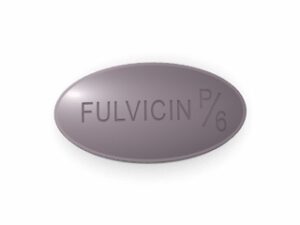
- Common forms: Oral tablets or oral liquid (varies by brand)
- Infections targeted: Dermatophytes (e.g., Trichophyton, Epidermophyton, Microsporum)
- Where it works: Absorbed through the gut and distributed through the body
- Typical treatment length: Days to months depending on the site (skin vs scalp vs nails)
How Gresiofulvin works (mechanism of action)
Gresiofulvin works by interfering with how fungi build and maintain their cell structure. Specifically, it binds to fungal structures and disrupts mitosis (cell division), preventing the fungus from reproducing effectively.
Over time, new healthy skin, hair, or nail can grow in, replacing the infected tissue. This is one reason why nail infections often require longer courses.
Pharmacokinetics (how your body handles it)
Pharmacokinetics explains absorption, distribution, metabolism, and elimination. While exact values can differ by formulation and person, the main practical points are consistent:
- Absorption: Absorption varies. Taking with food (especially a meal that includes fat) can improve absorption and may improve effectiveness.
- Distribution: After absorption, it distributes into keratin-rich tissues such as skin, hair, and nails. This is important because dermatophyte infections often live in these tissues.
- Metabolism: It is metabolised in the liver (primarily by CYP enzymes).
- Elimination: Metabolites are removed mainly through the kidneys and/or bile, depending on the individual.
Because it needs time to accumulate in skin, hair, and nails—and because infected material must be replaced—improvement may lag behind starting treatment.
Typical use and indications (what it treats)
Gresiofulvin is used for dermatophyte infections. Common indications include:
- Fungal infections of the scalp (tinea capitis / ringworm of the scalp)
- Fungal infections of the body (tinea corporis / ringworm)
- Fungal infections of the groin (tinea cruris)
- Fungal infections of the feet (tinea pedis / athlete’s foot)
- Fungal infections of nails (onychomycosis), particularly where dermatophytes are involved
Your clinician may also consider it when topical antifungals are not enough, for more widespread disease, or where the infection type responds best to systemic therapy.
Timing: when to take it and how long it takes to work
When to take
- Follow label instructions: Use the dosing schedule provided with your product or as directed by your healthcare professional.
- Consistency matters: Taking doses at the same times each day helps maintain steady levels.
- Usually taken with food: Taking with a meal can improve absorption. If your stomach tolerates food well, choose a regular mealtime to take your dose.
How soon you may notice improvement
- Skin and scalp: Some improvement may be seen within 1–2 weeks, but complete clearance can take longer.
- Nails: Nail growth is slow. Even after the fungus is controlled, it can take months for the nail to look normal.
- Recurrence risk: If therapy stops too early, fungal infection can persist or return.
Food interactions and “take with food” guidance
Gresiofulvin absorption can be improved when taken with food. To support reliable absorption:
- Take with a meal, ideally one that includes some fat (unless you’ve been advised otherwise).
- If you forget a meal, you may still take your dose, but try to take it consistently with food going forward.
- Avoid skipping meals around dosing where possible, especially if your infection requires prolonged therapy.
There are no universally “forbidden” foods, but digestive tolerance varies. If you feel nauseated, taking with a snack or meal may help.
Alcohol and medicine interactions
Alcohol
It’s generally wise to limit alcohol while taking Gresiofulvin because it can add strain to the liver. Heavy or regular alcohol use may increase the risk of liver-related side effects.
- Best approach: Avoid or keep alcohol to a minimum.
- Seek advice urgently if you develop signs of liver problems (see Safety section below).
Medicine interactions (important)
Gresiofulvin can interact with other medicines. It may affect how some medicines are processed in the liver, potentially changing their effectiveness or increasing side-effect risk.
Before starting, tell your pharmacist or doctor about all medicines you use, including:
- Prescription medicines
- Over-the-counter products
- Herbal preparations and supplements
- Vitamins and “natural” remedies
Some medicines that may be affected include (examples; always check with your healthcare professional):
- Warfarin and other anticoagulants (blood thinning medicines)
- Oral contraceptives (hormonal contraception) and other hormone therapies
- Certain anti-seizure medicines
- Some immunosuppressants
- Certain other antifungals or antifungal/antibiotic combinations
Because interaction risk varies by dose and your individual medicines, it’s important to check with a healthcare professional or pharmacist for a personalised safety review.
Dosing (general information)
Dosing depends on the infection type, severity, body weight, and the specific formulation. Always use the dose prescribed for you (or the dose on the product label if provided with OTC-style guidance).
Below is general guidance to help you understand what typical dosing looks like. Your exact dose may differ.
| Infection type | Typical approach | Common duration (examples) |
|---|---|---|
| Scalp (tinea capitis) | Oral therapy with weight-based dosing | Often several weeks; may be longer until cleared |
| Skin (tinea corporis/cruris/pedis) | Oral antifungal for appropriate cases | Often several weeks depending on response |
| Nails (onychomycosis) | Oral therapy; needs time for nail replacement | Frequently 3–6+ months (individual varies) |
Missed dose: If you miss a dose, take it when you remember unless it’s close to the next dose. Do not double up to make up for a missed dose.
Duration is crucial: Even when symptoms improve, continue for the full course recommended. Stopping early can leave residual fungus and cause relapse.
Practical use tips
- Take with food: This can help absorption and effectiveness.
- Keep taking until the course is finished: Dermatophyte infections often require sustained treatment.
- Don’t share towels: Prevent re-infection by avoiding sharing personal items.
- Wash bedding/clothing regularly: Especially for scalp and body infections.
- Check close contacts: Household members or pets may carry fungus. Seek advice if symptoms recur.
- Maintain hygiene and skin care: Keep the affected area clean and dry. For foot infections, rotate shoes and consider breathable footwear.
- Use supportive treatments when recommended: Topical antifungals or medicated shampoos may be used alongside oral therapy for certain infections, particularly scalp disease.
If you are treating nail infections, avoid picking or cutting the nail too aggressively. Nail trauma can worsen infection or slow growth.
Safety profile (what to watch for)
Most people tolerate Gresiofulvin reasonably well. However, like all medicines, it can cause side effects. Serious reactions are uncommon, but it’s important to recognise warning signs early.
Common side effects
- Nausea, stomach discomfort, or indigestion
- Headache
- Rash or itching
- Fatigue or dizziness
- Changes in blood counts (may be monitored in longer courses)
Serious side effects – seek urgent medical advice
Stop and seek medical attention promptly if you develop:
- Signs of liver problems: yellowing of the eyes/skin (jaundice), dark urine, severe tiredness, persistent upper abdominal pain
- Severe skin reactions: blistering, peeling, painful rash, or widespread hives with swelling
- Allergic reactions: swelling of face/lips, trouble breathing
- Unexplained bruising or bleeding or severe infections (possible blood cell effects)
Monitoring
For longer courses, clinicians may consider monitoring such as liver function tests and blood counts depending on your situation and the product instructions.
Who should be extra careful
- People with liver disease
- People with a history of serious drug reactions
- People taking multiple medicines (to manage interaction risk)
- Pregnancy or breastfeeding (see below)
Pregnancy, breastfeeding, and fertility considerations
If you are pregnant, planning pregnancy, or breastfeeding, discuss risks and benefits with a healthcare professional. Some antifungal medicines are avoided in certain stages of pregnancy, and hormonal interactions (such as with oral contraception) may also matter.
Use reliable contraception if recommended by your clinician, and seek advice if you have missed doses or experience unusual bleeding.
Alternative options for fungal infections
Depending on the infection site and type, alternatives may include other oral antifungals or topical treatments. Your healthcare professional will choose based on infection severity, location, organism, interactions, and your medical history.
Common alternatives (examples)
- Terbinafine (often used for dermatophyte infections, including some nail infections)
- Itraconazole (used for certain fungal conditions; requires attention to drug interactions)
- Fluconazole (used for some fungal infections, depending on the organism)
- Topical antifungals (creams, sprays, gels, medicated shampoos), often for mild or limited skin disease
For nail infections, options vary and treatment duration can still be long. Sometimes combination approaches are considered.
Market and legal context for Australia (important notes)
In Australia, medicines are regulated under the Therapeutic Goods Administration (TGA) framework and are supplied according to their scheduling and product-specific requirements. Availability online may vary based on:
- Whether the product is classified as prescription-only versus pharmacy-only or general sales (depending on formulation and brand)
- Your location and the dispensing model
- Required checks such as interaction screening and identity/eligibility verification
Online pharmacies typically follow Australian regulatory expectations, including appropriate counselling, safety checks, and delivery compliance. If the product is not appropriate for you, a reputable supplier will advise you and may suggest a suitable alternative.
Recent guidance note: Antifungal prescribing practices can evolve based on emerging evidence, resistance patterns, and safety updates. It’s a good idea to confirm current recommendations with a healthcare professional or pharmacist, especially for long courses or complex medication regimens.
Delivery and availability (Australia)
Availability of Gresiofulvin online depends on stock levels, product formulation, and regulatory status for supply. Many online pharmacies in Australia provide:
- Home delivery to most Australian metro and regional areas
- Packaging designed to protect medication during transit
- Tracking and delivery updates (often available at checkout)
- Discreet service and secure payment options
Delivery times vary by location and courier capacity. If your treatment needs to start promptly, check whether the pharmacy offers express options and keep an eye on dispatch cut-off times.
FAQ about Gresiofulvin
1) What infections is Gresiofulvin used for?
It is mainly used for dermatophyte (ringworm-type) fungal infections such as tinea of the skin, scalp, and certain nail infections.
2) How long will I need to take it?
Treatment duration depends on the infection site. Skin infections may take weeks; nail infections commonly require months because nails grow slowly and already-infected nail must be replaced.
3) Can I stop once I feel better?
It’s best not to stop early. Symptoms can improve before the fungus is fully cleared. Follow the full course recommended by your healthcare professional to reduce recurrence.
4) Should I take it with food?
Taking Gresiofulvin with food can improve absorption. If your stomach tolerates it, take each dose with a meal (or consistent snack) to help maximise effectiveness.
5) Are there alcohol restrictions?
Because of possible liver effects, it’s recommended to limit or avoid alcohol while taking Gresiofulvin. If you drink, discuss your situation with a pharmacist or doctor.
6) What medicines commonly interact with Gresiofulvin?
Interactions can occur with several medicines, including blood thinners and some hormone therapies, and other drugs metabolised by liver enzymes. Always provide your complete medication list to a pharmacist for a safety check.
7) What side effects should worry me?
Seek urgent medical advice for signs of liver problems (jaundice, dark urine), severe skin reactions, or symptoms of a serious allergic reaction (swelling, breathing difficulty).
8) Can I use topical treatment as well?
Often yes—depending on the infection type. For scalp infections and some skin conditions, healthcare professionals may recommend combining oral therapy with a topical antifungal or medicated shampoo.
9) What if the infection keeps coming back?
Recurrence can be due to incomplete clearance, re-infection from close contacts, or persistent fungal reservoirs (e.g., shoes, shared towels, or household members/pets). Consider discussing a plan with a pharmacist or clinician.
10) When should I contact my pharmacist or doctor?
Contact them if you experience bothersome side effects, miss doses repeatedly, have ongoing symptoms after a reasonable time, have liver concerns, or need advice about interactions with other medicines.
Summary
Gresiofulvin (griseofulvin) is a systemic antifungal used for certain dermatophyte infections affecting skin, scalp, and sometimes nails. It works by disrupting fungal cell division and requires consistent dosing and sufficient duration for results—particularly for nail infections.
- Take it with food to support absorption.
- Limit alcohol and watch for liver warning signs.
- Check medicine interactions with a pharmacist, especially if you take other long-term medicines.
- Be patient—fingertip symptoms may improve before nails fully recover.
If you have questions about suitability, side effects, or how long your treatment may take, a pharmacist can help you choose the safest and most effective approach.