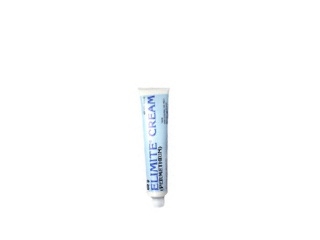

Elimite (Permethrin) – Patient Information (Australia)
Elimite contains permethrin, a medicine used to treat infestations caused by certain mites and lice. It works by affecting the nervous system of the parasite. This page provides patient-friendly information about how Elimite works, how it is used, what to expect, and important safety considerations for people in Australia.
Always follow the instructions provided with your product and/or by your healthcare professional.
At a Glance
- Active ingredient: Permethrin
- How it’s used: Applied to the skin (most commonly for scabies) or as directed for lice/infestation treatment depending on the formulation
- Common goals: Kill mites/lice and reduce itch and skin irritation
- Key timing point: A second application is often needed (commonly at day 7) to treat newly hatched parasites
Basic Product Information
What is Elimite?
Elimite is a brand of permethrin, an insecticide/acaricide—a medicine designed to kill parasites such as scabies mites. The typical Australian approach uses permethrin skin cream, following product-specific directions.
What strengths and forms are commonly seen?
Elimite is widely known for its permethrin 5% cream used for scabies. Availability and exact presentations can vary by brand and supplier.
Who should use it?
Permethrin products may be used for many age groups and body areas depending on the specific product instructions. Guidance on age cut-offs, body-area limitations (e.g., face/eyes), and repeat dosing should always be checked on the product label or professional advice.
Mechanism of Action (How It Works)
Permethrin belongs to the pyrethroid group. It works mainly by disrupting the parasite’s nervous system:
- It affects the way nerve cells send signals (sodium channel function).
- This leads to paralysis and death of the mites/lice.
- Permethrin has low absorption through human skin, which helps limit systemic effects in most people.
Because scabies treatment targets living parasites, timing matters. Eggs may survive the first application, which is why a repeat dose is often needed.
Pharmacokinetics (What the Body Does With It)
Pharmacokinetics describes absorption, distribution, metabolism, and elimination.
- Absorption: With topical use, systemic absorption is usually low. Absorption can be higher if applied to large areas, under occlusion, on irritated/broken skin, or in infants/young children.
- Distribution: Small amounts that enter the bloodstream are distributed in the body.
- Metabolism: Permethrin is metabolised primarily in the body.
- Elimination: Metabolites are excreted, mainly via urine.
Practical takeaway: Most people should not experience significant whole-body medicine effects from correctly used topical permethrin, but follow application instructions carefully.
Typical Use and Indications
Elimite/permethrin is used for infestations where mites or lice are susceptible, most commonly:
- Scabies (caused by Sarcoptes scabiei)
- Other mite-related infestations as directed by product indications
Important: Use only for the infestation and product formulation that match the instructions provided. Not every permethrin product is identical—concentration and intended use can differ.
How and When to Use It (Timing)
Exact timing depends on the infestation, product strength, and label instructions. For scabies, the following is commonly recommended in many treatment protocols:
- Day 1: Apply the cream thoroughly to the skin as directed.
- Wait: Leave on for the specified period (commonly overnight or a few hours—follow the label).
- Rinse off: Wash off as instructed.
- Day 7: Repeat the application to kill mites that hatch from eggs.
What about itch after treatment? Itching can persist for days to weeks even after successful treatment because of ongoing inflammatory response in the skin. Persistence of itch does not automatically mean failure.
Common “timing” questions
- If symptoms are still present after 7 days: Check that the application was done thoroughly, and that close contacts were treated. If there’s doubt, consult a clinician.
- Can you treat more often than advised? Avoid extra doses unless directed. Over-application can increase irritation.
- Should bedding/clothing be handled? Yes—see the practical tips section for decontamination advice.
Dosing (How Much and Where)
Because permethrin dosing depends on the condition and formulation, always follow the product label. Below is general guidance commonly used for scabies skin treatment:
General dosing principles
- Use enough to cover all recommended body areas. In scabies, mites can spread over the whole body surface depending on age and severity.
- Work methodically: Start with one area and continue until all target areas are covered.
- Avoid eyes, mouth, and mucous membranes unless the product instructions explicitly permit.
- Wash hands after application unless your hands are included in the treated areas.
Typical scabies coverage (example approach)
Many scabies protocols include coverage of:
- Neck, trunk, arms, and legs
- Hands and between fingers
- Under fingernails (often requiring gentle thoroughness)
- Areas specified for infants/children on product or professional advice
Always check the exact instructions supplied with your Elimite product. If you are unsure about whether to include areas such as the scalp, face, genitals, or soles (especially in children), seek guidance.
Food Interactions
Elimite (permethrin) is a topical medicine. It is not taken by mouth in typical use, and systemic levels are generally low.
- Food interactions: No specific food interactions are generally expected with properly used topical permethrin.
- Practical note: If permethrin is applied to areas near the mouth (or if it’s being used on infants/children), ensure no cream contacts the mouth and wash hands thoroughly.
Alcohol and Medicine Interactions
Alcohol
There are typically no direct alcohol interactions expected with topical permethrin because absorption is minimal when used correctly.
Practical note: If you have extensive skin irritation, widespread application, or significant absorption concerns (e.g., very young infants, very large areas), speak with a healthcare professional for personalised advice.
Other medicines
- Limited interaction risk: Since permethrin is applied to the skin, it is unlikely to interact with other medicines systemically.
- Skin irritation: Using other topical products at the same time on the treated areas may increase irritation. Ask a clinician or pharmacist if you use corticosteroid creams, antiseptic washes, or moisturisers on the same areas.
- Combination treatments: If you are using additional medications for symptoms (such as antihistamines for itch), these are commonly used alongside permethrin—confirm appropriate choices with your healthcare provider.
Safety Profile and Side Effects
Most people tolerate permethrin well. However, like all medicines, it can cause side effects—usually at the application site.
Common side effects
- Mild burning or stinging during or shortly after application
- Skin redness or irritation
- Itchiness (may persist after treatment)
- Dryness or mild scaling
Less common but important reactions
- Allergic reactions (e.g., rash away from the application area, swelling, difficulty breathing)
- Severe skin irritation or blistering
- Eye exposure effects if cream gets into the eyes
Seek urgent medical help if you develop signs of a serious allergic reaction (such as swelling of the face/lips, wheezing, or trouble breathing).
When to use extra caution
- Young children and infants: Follow age-specific instructions and coverage guidance carefully.
- Extensive skin disease or broken skin: Absorption may be higher; consider professional advice.
- History of sensitivity: If you’ve reacted to permethrin/pyrethroids, discuss alternatives.
- Neurological symptoms: If unusual symptoms occur after treatment (e.g., severe irritation with other concerns), contact a clinician.
Practical Use Tips (Getting the Best Results)
Successful scabies/infestation treatment often depends on thorough application and household management. These tips can improve outcomes:
1) Apply thoroughly, not just “spot treat”
- Cover all target areas carefully.
- Don’t rush—mites can be present in hidden areas (hands, between fingers, nail folds, etc.).
2) Follow the exact leave-on time
- Leaving it on for too little time may reduce effectiveness.
- Leaving it on too long may increase irritation.
3) Treat close contacts (often essential)
If scabies is suspected or confirmed, close household contacts and sexual contacts often need treatment at the same time, even if they don’t have symptoms yet.
4) Clean the environment appropriately
- Bedding, towels, and recently worn clothing used in the days before treatment may need washing.
- Wash in hot water where possible and dry thoroughly.
- Items that can’t be washed may be sealed in bags for a period recommended by local guidance or pharmacist advice.
5) Manage itch safely
- Persistent itch may be normal after effective treatment.
- Consider non-irritating moisturisers and appropriate itch-relief options discussed with a pharmacist or clinician.
- Avoid scratching; keep nails short to reduce skin damage and secondary infection risk.
6) Hygiene during application
- Wash hands after applying to hands unless your hands are being left treated.
- Wear clean clothing after rinsing off.
Alternatives to Elimite (Permethrin)
Depending on the infestation type, severity, age, and prior treatment response, alternatives may include:
- Other topical scabicides (varies by availability and product approval)
- Oral options in some cases when topical treatment is unsuitable (clinician directed)
- Supportive care for itch and inflammation alongside antiparasitic treatment
Why alternatives matter: Some people may not tolerate permethrin or may have repeated treatment failures due to reinfestation, incomplete application, or lack of simultaneous treatment among contacts.
Australia: Market, Listing and Legal/Regulatory Context
In Australia, medicines are regulated by the Therapeutic Goods Administration (TGA). Product availability and whether a medicine is prescription-only, pharmacist-only, or general sale (where applicable) depends on formulation and TGA classification at the time of supply.
Patient note: Online pharmacies in Australia may provide guidance and product information, but the appropriate status of Elimite and the requirements for purchase can vary based on current regulations and stock availability.
If you need help identifying the correct product for the infestation (scabies vs lice, or different strengths), contact the pharmacy before purchasing.
Recent Guidance and Practical Updates (What Matters Most)
Guidance on scabies treatment commonly emphasises the following:
- Repeat dosing may be required (often around day 7) to address eggs.
- Simultaneous treatment of close contacts reduces reinfestation.
- Addressing the environment (bedding/clothing laundering and item handling) supports successful eradication.
- Persistent itch is not always treatment failure—skin inflammation can last even after successful killing of mites.
- Resistance and failure reasons: Lack of thorough application or reinfestation are common reasons for “failure.” True resistance is less common but may be considered when appropriate.
Your pharmacist can help interpret what “failure” looks like and whether you should repeat treatment or choose an alternative plan.
Delivery and Availability (Online Pharmacy)
Availability of Elimite (permethrin) can vary between online pharmacies and by current stock levels. When ordering online in Australia:
- Delivery: Shipping times depend on your location and the pharmacy’s dispatch schedule.
- Packaging: Products are usually shipped in protective packaging to prevent damage.
- Cold chain: Topical permethrin creams typically do not require refrigeration unless stated on the product label.
Tip: Check the product strength (e.g., 5% cream for scabies) and confirm it matches your intended use before checkout.
FAQ – Frequently Asked Questions
1) How long does it take for Elimite to work?
Permethrin begins killing mites/lice soon after contact. For scabies, itch and rash may still be present because of skin inflammation and the time needed for parasite life cycle disruption. A second application is often needed to ensure newly hatched mites are treated.
2) Why is my skin still itchy after treatment?
Itching can persist for days to weeks due to ongoing immune/inflammatory response even when mites have been killed. This can occur after successful treatment. If symptoms are worsening, new burrows appear, or reinfestation is suspected, seek advice.
3) Do I need to treat household contacts too?
For scabies, close contacts often require treatment at the same time to reduce the risk of reinfestation. Treatment decisions should follow local guidance and product instructions. A pharmacist or clinician can advise based on your living situation.
4) Should I wash all my clothes and bedding?
It’s recommended to wash bedding, towels, and recently worn clothing used before treatment. Dry thoroughly. Items that can’t be washed may require bagging or other measures recommended by local guidance.
5) What if I forget the second application?
For scabies, the second treatment is commonly scheduled around day 7. If you miss it, contact a pharmacist for guidance on how to proceed rather than guessing.
6) Can I use moisturiser or other creams with Elimite?
Generally, avoid applying other topical products to the treated areas unless advised. After rinsing off and once the label timing has been followed, you may be able to moisturise to reduce dryness—check with a pharmacist if you are unsure.
7) Is permethrin safe for children?
Permethrin is used in paediatric populations in many cases, but coverage instructions can differ (especially for the scalp/face). Follow the product label and age-specific guidance carefully, and ask a pharmacist if you’re applying it to a child.
8) What should I do if the cream gets in my eyes or mouth?
Rinse thoroughly with water immediately and seek medical advice if irritation persists. Keep product away from mucous membranes during application.
9) Can Elimite be used during pregnancy or breastfeeding?
Safety for pregnancy and breastfeeding depends on individual circumstances. Permethrin has been used widely, but consult a healthcare professional or pharmacist for tailored guidance before use.
10) What are the signs treatment might not have worked?
Possible signs include ongoing or worsening symptoms shortly after treatment, appearance of new lesions/burrows after the expected time window, or clear evidence of reinfestation (e.g., untreated contacts). A pharmacist can help assess whether repeat treatment is appropriate.
Summary
Elimite (permethrin) is a topical medicine used to treat infestations such as scabies. It works by disrupting the parasite’s nervous system. Systemic absorption is generally low when used correctly. Successful treatment depends on applying the cream thoroughly, following the recommended leave-on time, and often repeating the application after about a week. Treating close contacts and cleaning bedding/clothing can be crucial to prevent reinfestation.
If you have questions about which areas to cover, timing of the second application, or how to manage persistent itch, speak with a pharmacist or clinician for personalised advice.