Ketoconazole: Patient-Friendly Medicine Information (Australia)
Ketoconazole is an antifungal medicine used to treat fungal infections of the skin, scalp, and—in some settings—certain more serious fungal diseases. This page explains how ketoconazole works, how the body handles the medicine, typical uses, safety considerations, and practical tips for getting the best results. Information is written for general guidance for people in Australia.
Important note: The right form (e.g., shampoo, cream, oral tablet) and the correct dose depend on the type and location of the fungal infection, your age, medical history, and other medicines you may take. If you’re unsure which form or strength is appropriate, speak with a healthcare professional or pharmacist.
Basic product information
| Category | Details |
|---|---|
| Medicine name | Ketoconazole |
| Common forms | Cream (skin), shampoo (scalp), oral tablets (for specific indications under medical supervision) |
| Drug class | Antifungal (azole) |
| How it’s used | Topical application for skin/scalp infections; oral use for selected systemic fungal infections |
| Key safety themes | Oral ketoconazole has liver-related risks and many drug interactions; topical forms generally have lower systemic risk |
How ketoconazole works (mechanism of action)
Ketoconazole belongs to the “azole” group of antifungals. It works by interfering with the production of a key fungal cell membrane component, ergosterol. Ergosterol is essential for the integrity and normal function of fungal cell membranes.
- By blocking fungal enzymes involved in ergosterol synthesis, ketoconazole disrupts membrane formation.
- This leads to inhibition of fungal growth and, depending on the fungus and concentration, can contribute to fungal cell death.
For many superficial fungal conditions (such as dandruff or certain skin fungal infections), ketoconazole is effective because it targets fungi on the skin or scalp.
Pharmacokinetics: how your body handles ketoconazole
“Pharmacokinetics” describes absorption, distribution, metabolism, and elimination. The details vary by route (oral vs topical).
Oral ketoconazole (tablets)
- Absorption: Oral ketoconazole absorption depends on stomach conditions. Medications that increase stomach pH can reduce absorption.
- Distribution: After absorption, ketoconazole distributes throughout the body.
- Metabolism: It is primarily metabolised in the liver (hepatic metabolism).
- Elimination: It is cleared through metabolic pathways and excreted via the body’s elimination routes.
Topical ketoconazole (cream/shampoo)
- Absorption: Systemic absorption is typically low when used on intact skin and as directed.
- Local action: The main effect occurs at the site of infection (skin or scalp).
Because oral ketoconazole involves greater systemic exposure—especially linked to liver metabolism—safety and drug interaction monitoring are particularly important.
What ketoconazole is used for (indications)
Ketoconazole is used to treat fungal infections. The exact indication depends on the formulation and local product availability in Australia. Common uses include:
- Seborrhoeic dermatitis: Often affects the scalp, face, and other oily areas; ketoconazole shampoo may help reduce flaking and itch.
- Dandruff (pityriasis capitis): Ketoconazole shampoo can help control fungal overgrowth associated with dandruff.
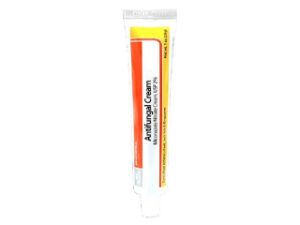
- Cutaneous fungal infections: Some skin fungal infections may be treated with topical ketoconazole cream.
- Other fungal infections: Oral ketoconazole may be considered for certain fungal infections under appropriate medical guidance, depending on local treatment pathways and safety considerations.
If you are treating a specific condition, check the product label/consumer medicine information for the approved indication for that formulation.
Typical dosing and timing
Always follow the directions on your product packaging or the advice of your healthcare professional. Below are typical patterns used for common ketoconazole formulations.
Ketoconazole shampoo (scalp use)
- When to use: Usually applied to the scalp during the shower.
- How to apply: Work into the scalp and hair where dandruff/flaking occurs.
- Timing: Many regimens require leaving the shampoo on the scalp for a few minutes before rinsing. Follow the instructions on your specific product.
- Frequency: Often once or twice weekly for maintenance and more frequently for initial treatment, depending on severity and product direction.
Ketoconazole cream (skin use)
- When to use: Apply to clean, dry affected areas.
- How to apply: Use a thin layer over the affected skin and, depending on the infection, a small surrounding margin.
- Frequency: Commonly once daily or as directed (varies by product and infection type).
- Duration: Treatment often continues for a set period after symptoms improve to reduce recurrence.
Oral ketoconazole (tablets)
Oral dosing varies widely by infection type and patient factors. Because of important safety and interaction considerations, oral ketoconazole should be used only in line with appropriate clinical guidance and product-specific directions.
Practical reminder: If you miss a dose, do not double up—follow the advice on the product packaging or ask a pharmacist for guidance.
How to use ketoconazole properly (practical tips)
- Follow application instructions closely: With shampoos, the “leave-on” time can matter for effectiveness.
- Be consistent: Fungal skin and scalp conditions often improve gradually. Regular use is important even if symptoms improve early.
- Continue for the full course: Stopping too early can allow the infection to return.
- Cover affected areas: For creams, apply beyond the visible rash according to product directions.
- Avoid eye contact: For topical products, keep away from eyes and mucous membranes.
- Wash hands after use: Unless your hands are part of the treated area.
- Manage hair/scalp habits: Dandruff can fluctuate with stress, weather, and hair product use. Use hair products that are gentle and avoid harsh irritation.
Food interactions and absorption considerations
Food-related effects mainly apply to oral ketoconazole. Ketoconazole absorption is sensitive to changes in stomach acidity. This means that some dietary and beverage practices can influence how well the medicine is absorbed.
- Take with or without food: The specific recommendation depends on the formulation and product instructions. Some oral regimens require taking ketoconazole with a certain type of meal to support absorption.
- Stomach acid matters: Anything that reduces stomach acid may decrease absorption and reduce effectiveness.
- Always check the consumer medicine information: The product label will state the correct instructions for timing relative to meals.
Topical ketoconazole (cream/shampoo) is not significantly affected by food because absorption is generally low.
Alcohol and medicine interactions
Alcohol
Alcohol can affect the liver and may increase the risk of liver-related side effects, especially with oral ketoconazole. For safety, it is generally advisable to avoid or minimise alcohol while taking oral ketoconazole and to follow professional advice.
With topical ketoconazole, alcohol interaction is usually not a direct concern, but it’s still wise to consider overall skin irritation and general health.
Medicine interactions (especially for oral ketoconazole)
Ketoconazole has important drug interaction potential. This is due to how ketoconazole is metabolised and its effect on certain liver enzymes and transport systems. Some medicines may reduce ketoconazole levels (making it less effective), while others can increase ketoconazole levels (increasing side effects).
Common interaction themes include:
- Medicines that raise stomach pH (reduced absorption of oral ketoconazole).
- Medicines that affect liver metabolism (may increase or decrease ketoconazole concentration).
- Medicines with heart rhythm risk (some combinations may raise the risk of rhythm disturbances).
Because interaction possibilities are broad, it’s best to provide a complete list of medicines to your pharmacist—especially if you are taking:
- antacids
- acid reducers (e.g., H2 blockers, proton pump inhibitors)
- statins
- some antiarrhythmics
- certain antihistamines
- immunosuppressants and other long-term therapies
Do not start or stop interacting medicines without advice. If you’re using ketoconazole alongside other treatments, discuss timing and safety with a healthcare professional.
Safety profile and side effects
Like all medicines, ketoconazole can cause side effects. Many people tolerate it well, particularly when used topically. Oral ketoconazole has additional safety concerns, notably liver toxicity risk.
Common side effects
- Topical (cream/shampoo): Mild skin irritation, dryness, redness, itching, or discomfort at the application site.
- Scalp shampoo: Possible irritation or increased dryness; rarely, changes in hair feel or scalp sensitivity.
- Oral (tablets): Nausea, headache, dizziness, abdominal discomfort may occur.
Serious warnings (particularly oral ketoconazole)
Oral ketoconazole is associated with liver-related risks. Seek urgent medical advice if you develop symptoms that may suggest liver problems, such as:
- yellowing of the eyes or skin (jaundice)
- dark urine
- unusual fatigue or weakness
- persistent nausea or vomiting
- right upper belly pain
- unexplained severe itching
If you experience severe allergic reactions (e.g., swelling of face/lips, difficulty breathing, widespread rash), seek emergency help immediately.
Who should be extra cautious?
- People with known liver disease
- People taking multiple medications (to reduce interaction risk)
- Older adults (higher likelihood of interacting medicines and liver vulnerability)
- Anyone who is pregnant, planning pregnancy, or breastfeeding (use requires individual risk assessment)
Alternative options
Depending on the type of fungal infection, other antifungal medicines may be appropriate. Alternatives include:
- Other azole antifungals (e.g., topical clotrimazole or miconazole for certain skin infections)
- Allylamines (e.g., terbinafine cream for some dermatophyte infections)
- Selenium sulfide or other dandruff treatments for seborrhoeic dermatitis
- Other systemic antifungals for selected severe fungal diseases (choice depends on organism, severity, and safety)
Your pharmacist can help compare options based on the affected area, the likely fungus, past responses, and your other medicines.
Recent guidance and regulatory context in Australia
Australia closely regulates medicines through the Therapeutic Goods Administration (TGA). Over recent years, safety communications have emphasised that oral ketoconazole carries a higher risk profile—particularly liver toxicity—compared with other systemic antifungals. As a result, many prescribing practices favour alternative systemic antifungal options when feasible.
For topical ketoconazole (cream/shampoo), safety concerns are generally lower because systemic absorption is limited when used correctly. Nevertheless, always follow the product instructions and seek medical advice for persistent or worsening symptoms.
For the most current approvals, indications, and safety updates, refer to the product’s consumer information leaflet and the latest TGA communications. If you’re unsure whether ketoconazole is the best match for your condition, ask your pharmacist.
Delivery and availability in Australia
Ketoconazole products may be available in different forms depending on current Australian market supply and regulatory status for each presentation. Availability can vary by:
- brand and strength
- topical vs oral formulation
- local pharmacy stock levels and ordering timelines
- clinical suitability and prescriber/pharmacist assessment requirements where applicable
When ordering online, delivery times depend on your location and shipping service. Your order confirmation page typically shows the estimated dispatch and delivery windows. You may also be able to choose standard or express delivery where offered.
When to seek medical advice
Consider professional advice if:
- Symptoms do not improve after a reasonable trial according to product directions
- Rash spreads quickly, becomes very painful, or develops pus or crusting
- You have recurrent infections
- You have signs of more extensive infection (e.g., fever or feeling unwell)
- You have a history of liver disease or you’re considering oral therapy
Fungal infections can sometimes resemble other skin conditions (eczema, psoriasis, bacterial infections), so correct diagnosis helps avoid ineffective treatment.
FAQ about ketoconazole
1) Is ketoconazole a steroid?
No. Ketoconazole is an antifungal medicine. It does not act as a corticosteroid. Some treatments for inflammatory skin conditions combine different ingredients; check your specific product label.
2) How quickly will ketoconazole work?
Many people notice improvement within days, especially for dandruff or mild skin itching. However, full resolution can take longer (often several weeks for skin fungal issues). Consistent use as directed is important.
3) Can I use ketoconazole shampoo every day?
Some products allow frequent use; others recommend specific weekly frequencies. Follow the instructions on your bottle/packet. Overuse may increase irritation or dryness in some people.
4) What if my symptoms get worse at first?
Mild initial irritation can occur. If symptoms rapidly worsen, spread, become very painful, or you develop signs of allergy, stop using the product and contact a healthcare professional.
5) Can I drink alcohol while using ketoconazole?
With topical ketoconazole, alcohol is usually not a direct concern. With oral ketoconazole, alcohol may increase liver stress and is generally best avoided or limited—follow professional advice and product information.
6) Are there major interactions?
Interactions are most significant for oral ketoconazole due to metabolism and absorption considerations. Tell your pharmacist about all medicines, supplements, and herbal products you use so they can check for interactions.
7) Can ketoconazole be used during pregnancy or breastfeeding?
Use during pregnancy or breastfeeding depends on formulation and your individual risk-benefit balance. Topical products may be preferred in some circumstances, but you should discuss with a pharmacist or healthcare professional.
8) Is ketoconazole suitable for children?
Age-appropriate suitability depends on the formulation and strength, and whether there is an approved indication for paediatric use. Check the product label and seek advice if treating a child.
9) If I stop treatment early, will it come back?
Fungal infections may relapse if the medicine course is stopped before the fungus is fully cleared. For best outcomes, continue for the duration recommended on the product instructions.
10) What should I do if I miss a dose?
If you miss a dose, apply it or take it when you remember unless it’s close to the next scheduled dose. Do not double doses. If you’re unsure, ask a pharmacist.
Summary
Ketoconazole is an antifungal medicine used for conditions such as dandruff and seborrhoeic dermatitis (commonly with shampoo), and certain fungal skin infections (commonly with cream). It works by blocking fungal membrane formation. When used topically, systemic exposure is generally low, but irritation can occur. Oral ketoconazole has a higher safety risk profile, especially regarding liver health and drug interactions, so it requires careful consideration.
If your symptoms persist, recur frequently, or you have other medical conditions or medicines, consult a pharmacist for advice on the best treatment approach. Always read the product’s consumer information leaflet for the most accurate instructions for your specific ketoconazole formulation.