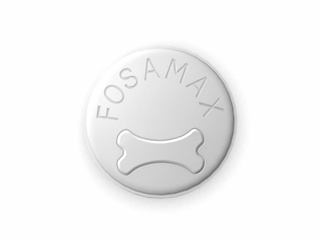

Fosamax (Alendronate) – Patient Information (Australia)
Fosamax contains alendronate, a medicine used to strengthen bones and help reduce the risk of fractures. This guide explains how Fosamax works, how to take it safely, what to expect, and important interactions—written in clear, patient-friendly language for people in Australia.
Quick Facts
- Active ingredient: Alendronate (a bisphosphonate)
- Common forms: Tablets (various strengths; exact strength depends on product)
- Main use: Osteoporosis and prevention/treatment of bone loss
- How it’s taken: By mouth, usually once weekly (some regimens are daily depending on prescriber instructions and product strength)
- Key safety rule: Take with plain water and remain upright to protect the oesophagus
Basic Product Information
Fosamax belongs to the group of medicines called bisphosphonates. It helps slow down bone breakdown and supports bone strength.
What it does not do: Fosamax is not a painkiller and it is not a “quick fix”. It works over time, usually over months, to reduce fracture risk.
Where it fits in treatment: Fosamax is commonly used as part of a broader plan that may also include calcium, vitamin D, weight-bearing exercise, and fall prevention.
How Fosamax Works (Mechanism of Action)
Alendronate reduces bone loss by inhibiting bone-resorbing cells called osteoclasts. It binds to bone mineral and interferes with the process osteoclasts use to break down bone.
- Bone breakdown decreases (less resorption)
- Bone formation relative to resorption improves over time
- Bone mineral density increases and fracture risk falls
Because bone remodelling is a slow process, improvements in bone density and fracture risk reduction typically become more noticeable after months of treatment.
Pharmacokinetics (What the Body Does to Alendronate)
Understanding timing and administration helps explain why Fosamax has strict instructions.
- Absorption: Oral absorption is low and is greatly reduced by food, beverages (including mineral water), and some medicines.
- Distribution: A portion of absorbed drug binds to bone surfaces, where it remains for a prolonged period.
- Metabolism: Alendronate is not significantly metabolised by the liver.
- Elimination: It is cleared largely through the kidneys.
These features explain why Fosamax should be taken on an empty stomach with plain water and why remaining upright is important.
Typical Uses and Indications
Fosamax is used for bone conditions where fracture risk is increased due to low bone density or bone fragility.
Common indications include:
- Osteoporosis in postmenopausal women (to reduce fracture risk)
- Osteoporosis in men (to reduce fracture risk)
- Glucocorticoid-induced osteoporosis (bone loss associated with long-term corticosteroid use) in certain patients
- Prevention and treatment of bone loss where appropriate, based on clinical assessment
Your personal indication and regimen depend on your bone health diagnosis, age, fracture risk factors, kidney function, and other medicines.
Recommended Dosing (General Guidance for Australia)
Dosing can vary depending on the condition being treated and the product strength. Always follow the dosing instructions provided with your specific Fosamax product and your healthcare professional’s advice.
Common dosing patterns
- Once weekly dosing is commonly used for osteoporosis.
- Daily dosing may be prescribed for some indications or circumstances (depending on product strength and regimen).
Administration timing: the “golden rules”
To ensure adequate absorption and reduce stomach/oesophagus irritation, take Fosamax using these steps:
- Choose a consistent time (often the same day each week for weekly regimens).
- Take it on an empty stomach, first thing in the morning (or at the required time if using an alternative schedule).
- Swallow with a full glass of plain water (typically at least 200 mL).
- Do not chew or suck the tablet.
- Stay fully upright (sitting or standing) for at least 30 minutes after taking the dose.
- Wait before eating or drinking other than water (commonly at least 30 minutes; longer may be advised depending on instructions).
This process helps the medicine pass through the oesophagus and improves absorption by avoiding interference from food and other drinks.
Food, Drink, and Absorption Interactions
Food and certain beverages significantly reduce absorption of alendronate. For best results, keep Fosamax separate from meals and other oral products.
Avoid taking with the following:
- Food (including breakfast, fruit, yoghurt, or supplements)
- Coffee or tea
- Milk and dairy
- Juice
- Mineral water (water with minerals can reduce absorption)
- Calcium, iron, magnesium supplements taken around the same time
Practical timing example (typical morning routine)
- Upon waking: Take Fosamax with plain water.
- Wait: Remain upright for at least 30 minutes.
- After the wait: Eat and drink as normal.
- Supplements (calcium/vitamin D/iron): Take later the same day, unless your healthcare team advises otherwise.
If you accidentally take Fosamax with food or another drink, do not “double up” to correct it. Check your product leaflet or ask a healthcare professional for advice.
Alcohol and Fosamax
Alcohol is not always listed as a direct absorption interaction, but it can affect bone health and overall gastrointestinal comfort. Heavy or frequent alcohol intake can increase fracture risk and may worsen stomach irritation.
- Moderate alcohol is generally not expected to directly block Fosamax, but keeping intake modest is sensible for bone health.
- If you notice heartburn, indigestion, or stomach pain after doses, consider reducing alcohol and review how you take the medicine.
Medicine Interactions (Other Medicines)
Several medicines can affect Fosamax absorption or increase the risk of side effects. The most important group is minerals and supplements.
Common interaction concerns
- Calcium supplements, magnesium, iron, and zinc taken close to Fosamax may reduce absorption.
- Antacids (e.g., aluminium/magnesium hydroxide) may reduce absorption if taken near the dose.
- Some oral medications (especially those taken early in the morning) may interfere with timing. Always separate them according to your clinician’s advice.
Oesophagus/upper GI irritation
Fosamax can irritate the oesophagus. Other medicines that can also irritate the oesophagus include certain non-steroidal anti-inflammatory drugs (NSAIDs) and potassium tablets. Taking these may increase discomfort in some people.
If you take other tablets in the morning, plan a schedule that keeps Fosamax clearly separated from them.
Safety Profile: Side Effects and Warnings
Like all medicines, Fosamax can cause side effects. Many people experience no problems, especially after following the administration instructions carefully.
Common side effects
- Indigestion
- Heartburn
- Nausea
- Abdominal discomfort
- Headache (sometimes reported)
Important serious risks (seek medical advice promptly)
- Oesophageal irritation or ulceration: Stop and seek help if you develop new or worsening swallowing difficulties, chest pain, or severe pain/irritation in the throat.
- Jaw problems (osteonecrosis of the jaw): Rare. Get dental advice promptly if you have pain, swelling, non-healing sores, or exposed bone in the jaw.
- Severe bone, joint, or muscle pain: Report significant pain that is new or worsening.
- Low calcium (hypocalcaemia): More likely if you have vitamin D deficiency or low calcium intake. Your clinician may check levels.
- Kidney function issues: Fosamax should not be used if kidney function is significantly reduced (your healthcare team will assess this).
Who should take extra caution?
- People with a history of oesophageal disease or conditions that delay swallowing
- People who cannot remain upright for the required time
- People with low vitamin D or low calcium
- Those with significant dental disease or who require invasive dental procedures
Practical Use Tips (How to Get the Best Results)
- Set a reminder: Use a calendar or phone alarm for weekly dosing.
- Use plain water only: No tea/coffee/juice. Plain water supports absorption.
- Don’t lie down after taking it: Remaining upright reduces the risk of irritation.
- Plan your morning: If you also take levothyroxine, iron, or other tablets, discuss timing so each medication gets proper separation.
- Consider calcium and vitamin D: Ask your healthcare team what dose is appropriate for you. Don’t take calcium at the same moment as Fosamax.
- Stay consistent: Don’t stop and restart frequently—long-term adherence matters for bone strength.
If you miss a dose
Missing doses can reduce the expected benefit. The correct approach depends on your schedule (daily vs weekly) and how long ago you missed it.
- Check the instructions in your product leaflet or consult your healthcare professional or pharmacist.
- In general, avoid taking two doses close together unless specifically instructed.
Duration of Treatment and Follow-Up
Osteoporosis treatment is typically long term. Clinicians may review your fracture risk periodically and may repeat bone density tests (e.g., DEXA scans) at intervals.
- Bone density monitoring: Often every 1–2 years, depending on clinical context.
- Medication review: Your clinician may reassess whether to continue, pause, or switch therapy based on response and risk factors.
- Lifestyle measures: Exercise, adequate calcium intake, vitamin D, and fall prevention remain important even when you take Fosamax.
Alternative Options to Fosamax
If Fosamax is not suitable or if you cannot tolerate it, there are other treatments for osteoporosis and bone loss. Alternatives may include other bisphosphonates or different medicine classes.
Possible alternatives (discuss with your healthcare professional)
- Other bisphosphonates: e.g., risedronate, ibandronate, or zoledronic acid (intravenous)
- Denosumab: an injection given at set intervals; used for osteoporosis in selected patients
- Osteoanabolic/other therapies: e.g., teriparatide or abaloparatide (where appropriate), or romosozumab in selected settings
The best option depends on your diagnosis, kidney function, swallowing comfort, fracture history, and personal preferences regarding oral vs injection therapy.
Market and Legal Context (Australia)
In Australia, medicines containing alendronate are regulated under the Therapeutic Goods Administration (TGA) framework. Fosamax products are supplied in accordance with Australian medicines legislation and pharmaceutical standards.
- Brand and strength availability: may vary by pharmacy stock and manufacturer.
- Product information: Always rely on the specific carton/leaflet for your strength and dosing schedule.
- Clinical assessment: Bone health medicines require appropriate screening for kidney function, swallowing/oesophagus risk, calcium/vitamin D status, and dental history.
Recent guidance (general trends)
Across recent years, Australian and international bone health guidance has generally reinforced:
- Ensuring correct administration to minimise upper GI complications
- Checking calcium and vitamin D where relevant
- Using a fracture-risk based approach and reviewing ongoing need
- Careful attention to dental health and symptoms suggestive of rare jaw complications
Specific recommendations can differ by patient group and risk category. Your healthcare professional can provide advice tailored to your situation.
Delivery and Availability (Australia)
Online pharmacies may offer home delivery across Australia for eligible products. Availability of Fosamax can vary depending on current stock levels and dispensing schedules.
- Dispatch times: typically depend on order cut-off times and local transport.
- Packaging: medicines are usually supplied in manufacturer packaging for identification and safety.
- Cold storage: Fosamax tablets generally do not require refrigeration (follow your product instructions).
- Tracking: many online services provide tracking information.
If you’re planning treatment long term, consider ordering in advance to avoid interruptions.
FAQ (Frequently Asked Questions)
1) How long does it take for Fosamax to work?
Bone turnover changes can occur within months, but fracture-risk reduction and meaningful improvements in bone strength typically require longer-term use. Many people are assessed over 6–12 months and beyond, with periodic bone density monitoring.
2) Can I take Fosamax at night?
Fosamax is designed to be taken in a way that supports absorption and reduces oesophageal irritation. If you need a different routine, discuss options with your pharmacist or healthcare professional. In some regimens, alternative timing may be possible, but it must still meet empty-stomach and upright requirements.
3) What should I do if I get heartburn after taking it?
Heartburn can be a side effect, but persistent or severe symptoms should be discussed promptly. Ensure you:
- Take it with plain water
- Stay upright for the full required time
- Don’t eat or lie down immediately after the dose
If you develop trouble swallowing, chest pain, or worsening pain, seek medical advice urgently.
4) Do I need calcium and vitamin D with Fosamax?
Many patients benefit from ensuring adequate calcium and vitamin D intake. Your healthcare professional can recommend doses based on diet, lab results, and overall risk. Do not take calcium/iron/magnesium at the same time as Fosamax.
5) Can I take other medicines in the morning?
Possibly, but timing matters. Separate Fosamax from supplements and certain tablets (like iron, calcium, antacids) by several hours unless your clinician advises otherwise. Keep your Fosamax schedule consistent.
6) Is it safe for people with dental problems?
Fosamax is generally used safely, but rare jaw complications have been reported, especially in people with invasive dental procedures, poor oral health, or certain risk factors. Tell your dentist you take alendronate and seek advice before major dental work.
7) What happens if I stop Fosamax?
Bone protective effects may diminish when treatment stops. Some people benefit from periodic treatment review rather than abrupt discontinuation. If you’re considering stopping, discuss it with your healthcare professional first.
8) Who should not take Fosamax?
Fosamax may not be suitable for people with significant kidney impairment, certain oesophagus conditions, or those unable to remain upright for the required period. It may also require caution if calcium levels are low. Your healthcare professional can assess suitability.
Fosamax at a Glance (Summary Table)
| Topic | What to know |
|---|---|
| Medicine class | Bisphosphonate (alendronate) |
| Main purpose | Reduce fracture risk by slowing bone breakdown |
| How to take | With plain water; stay upright for at least 30 minutes |
| Food interaction | Food and many drinks greatly reduce absorption—take on empty stomach |
| Common side effects | Heartburn, indigestion, nausea, abdominal discomfort |
| Serious warnings | Oesophageal irritation, rare jaw complications, low calcium |
| Alcohol | Not a direct absorption blocker, but excessive alcohol may worsen bone health and GI symptoms |
| Monitoring | Periodic review of fracture risk; bone density tests may be repeated |
Important: This information is intended as a general guide for patients in Australia. Always read the product information that comes with your Fosamax supply and follow the specific instructions for your dose and regimen. If you have questions about suitability, side effects, or interactions with your current medicines, speak with a healthcare professional or pharmacist.