Raloxifene (Raloxifene) – Patient Guide for Australia
Raloxifene is a medicine used to prevent and treat certain bone conditions in people who are post-menopausal, and to reduce the risk of some breast cancer outcomes in selected patients. It belongs to the class of medicines called Selective Estrogen Receptor Modulators (SERMs).
This guide explains how raloxifene works, how the body handles it, how and when it is typically taken, important safety information, and practical tips for everyday use. It also covers interactions with food, alcohol and other medicines—especially relevant for people in Australia who may take multiple treatments alongside bone health care.
Basic product information
| Item | Details |
|---|---|
| Medicine name | Raloxifene (often spelled “raloxifene”) |
| Medicine type | SERM (Selective Estrogen Receptor Modulator) |
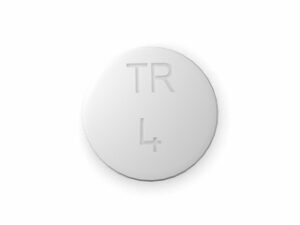
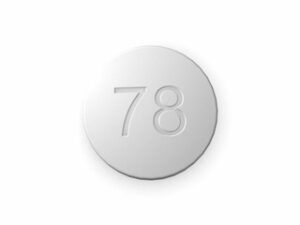
| Typical form | Tablets (brand availability may vary by supplier) |
| Common strengths | Varies by brand and product listing |
| Primary uses | Prevention and treatment of osteoporosis; risk reduction of certain breast cancer outcomes |
| Who it is for | Generally post-menopausal women (and in specific circumstances, as directed by healthcare professionals) |
How raloxifene works (mechanism of action)
Raloxifene acts on estrogen receptors in different tissues in different ways. Because it is a SERM, it can behave like estrogen in some parts of the body (such as the bones) while blocking estrogen effects in others (such as breast tissue).
- Bone (good estrogen-like effect): helps maintain bone density and reduce bone turnover, which lowers fracture risk.
- Breast (anti-estrogen effect): reduces estrogen stimulation in breast tissue, which can lower the risk of developing or recurring certain breast cancer conditions in appropriate patients.
- Uterus: tends to have less estrogen-like stimulation compared with traditional estrogen therapy, which is relevant to uterine safety considerations.
Pharmacokinetics (how the medicine moves through the body)
Understanding pharmacokinetics can help you make sense of dosing consistency, timing, and what to expect when you start or stop therapy.
- Absorption: after swallowing a tablet, raloxifene is absorbed into the bloodstream. Peak blood levels occur after a period of time that may vary among individuals.
- Distribution: raloxifene binds largely to plasma proteins.
- Metabolism: the medicine is processed mainly by the liver through metabolic pathways that convert it into metabolites.
- Excretion: elimination occurs through metabolic clearance, with a portion removed from the body via biliary/faecal routes. Small amounts may be present in urine.
- Half-life: raloxifene has a long elimination half-life, which helps explain once-daily dosing in many regimens.
If you have liver disease or other significant health conditions, your healthcare team may adjust decisions about therapy and monitor you more closely.
Typical use in Australia
In Australia, raloxifene is commonly used for:
- Osteoporosis prevention: especially in post-menopausal women at risk of fractures.
- Osteoporosis treatment: to reduce the risk of fractures in people with established osteoporosis.
- Breast cancer risk reduction: for certain post-menopausal women, depending on overall risk profile and medical history.
Your best option depends on your fracture risk, bone density results, age, past medical history (including blood clot risk), and whether you have other conditions (such as heart disease or stroke history).
Indications (what it is used for)
Indications vary by product label and clinical guidelines. Common indications include:
- Post-menopausal osteoporosis (prevention or treatment), including reduction in vertebral (spine) fracture risk.
- Reduction of risk of invasive breast cancer in eligible post-menopausal women (anti-estrogen benefit via SERM action).
Note: The benefit profile is not identical for every individual. Some patients may not be ideal candidates due to clot risk or other contraindications.
How to take raloxifene: timing and dosing
Always follow the dosing directions provided with your specific product. Because regimens can vary, the details below are general guidance used by many healthcare plans.
Typical dosing
- Common schedule: once daily dosing is typical.
- Tablet strength: your prescribed or recommended strength may differ between patients.
- Consistency matters: take it at the same time each day if possible.
Timing tips
- Choose a time you can maintain (e.g., morning or evening). Many people find pairing with a daily routine helpful.
- If you miss a dose: take it when you remember unless it is close to the next dose. Do not double up to catch up. If unsure, ask a pharmacist for advice.
- Long-term use: benefits for bone health and breast cancer risk reduction depend on continued use as advised.
With or without food?
Raloxifene can generally be taken with or without food. Many people prefer taking it with meals to reduce the chance of stomach discomfort.
Food interactions
Food interactions are generally less dramatic with raloxifene than with some other medicines, but maintaining consistent intake habits is still important.
- General rule: you can usually take raloxifene on a full or empty stomach.
- Calcium and vitamin D: while not a “food interaction,” these are often recommended alongside osteoporosis treatment or prevention. Discuss your total daily intake and supplements with your healthcare provider.
- Grapefruit and fruit juices: no specific grapefruit warning is commonly used for raloxifene; however, if you take other medicines that may interact with grapefruit, keep your pharmacist in the loop.
If you have a sensitive digestive system or reflux, taking raloxifene with a meal may feel more comfortable.
Alcohol interactions
Alcohol does not usually cause a direct, specific interaction with raloxifene. However, alcohol can affect bone health and may increase risk of falls—especially in older adults.
- Bone and fracture risk: regular or heavy alcohol intake can weaken bones and increase injury risk from falls.
- Safety considerations: if you notice dizziness or unsteadiness (which can be from many causes), avoid driving or operating machinery after drinking alcohol.
- Medication combinations: alcohol can worsen side effects of other medicines you may take (e.g., sedatives, pain medicines), indirectly affecting safety.
Medicine interactions (including important safety-drug interactions)
Some medicines may increase or decrease raloxifene levels or affect how it works. Others can increase adverse effects such as blood clot risk.
Potentially important interaction categories
- Other estrogen-containing therapies: Combining with estrogen therapies may change risk-benefit balance for clots and other estrogen-related effects.
- Anticoagulants/antiplatelet medicines: if you take blood thinners, the clot-risk context is complex. Do not adjust therapy on your own—seek individual advice.
- Enzyme-inducing medicines: some medicines can alter drug metabolism, potentially affecting raloxifene exposure.
- Bile acid sequestrants: medicines that bind bile acids can sometimes reduce absorption of certain drugs. Your pharmacist can check whether this applies to your regimen.
- Thyroid hormone (levothyroxine) timing: not a “direct” interaction in every case, but consistent timing can be important if you also take medications that affect absorption.
What to do before starting or stopping other medicines
- Keep a list of all medicines and supplements (including herbal products).
- Tell your pharmacist if you start new therapies, especially during the first weeks of raloxifene use.
- If you have planned procedures or long travel, mention raloxifene because clot risk can change around immobilisation.
Because interaction details depend on your specific products and dosing, always check with a pharmacist to confirm compatibility.
Safety profile: what to know before and during treatment
Like all medicines, raloxifene can cause side effects. Many people tolerate it well, but it is important to be aware of possible risks—particularly the risk of blood clots.
Key safety considerations
-
Blood clots (venous thromboembolism): raloxifene can increase the risk of clots such as deep vein thrombosis (DVT) and pulmonary embolism (PE).
- Extra caution is needed if you have a history of clots.
- Risk can increase during periods of immobility (e.g., after surgery, long flights).
- Stroke risk (in some populations): the overall risk profile may be important if you have existing cardiovascular disease or previous stroke/TIA.
- Hot flushes and menopausal symptoms: some people experience or notice changes in hot flushes.
- Leg swelling or pain: persistent swelling, pain, or warmth in one leg may require urgent assessment for clot symptoms.
Common side effects
- Hot flushes
- Leg cramps or discomfort
- Flu-like symptoms in some people
- Vaginal dryness or discharge changes (varying by individual)
- Swelling (occasionally)
Serious side effects—seek urgent help
Contact emergency services or seek urgent medical care if you experience symptoms that may indicate blood clots or serious complications, such as:
- Sudden shortness of breath, chest pain, coughing blood
- One-sided leg swelling, pain, redness or warmth
- Sudden weakness on one side of the body, trouble speaking, facial droop (possible stroke symptoms)
- Unexplained severe headaches with neurological symptoms
Who may need extra caution
- Anyone with a prior history of blood clots
- People with known thrombophilias (certain clotting conditions)
- People with limited mobility, planned surgery, or recent surgery
- People with cardiovascular or cerebrovascular history
- People with severe liver impairment
If you are unsure whether raloxifene is appropriate for you, discuss your risk factors with a healthcare professional before use.
Practical use tips (getting the most benefit safely)
- Stay mobile: avoid long periods of immobility. On long trips, stand up and move regularly.
- Plan ahead for surgery: tell your surgeon and anaesthetist you take raloxifene. They can advise whether your medication needs to be paused around the procedure based on individual risk.
- Track new symptoms: if you experience leg pain/swelling or breathing changes, don’t “wait it out.”
- Bone health basics: raloxifene works as part of a broader osteoporosis strategy—include weight-bearing exercise when safe, adequate protein, and calcium/vitamin D as advised.
- Adherence: do not stop because you feel well. Bone protection often requires ongoing treatment.
Monitoring and follow-up
Your healthcare professional may monitor:
- Bone mineral density (DEXA scans), typically at intervals appropriate for your risk level.
- Symptoms (e.g., hot flushes, any clot-related warning signs).
- Medication tolerability and adherence.
- Breast cancer screening and risk assessment where relevant.
How quickly does raloxifene work?
Raloxifene does not provide immediate “short-term” fracture protection the way pain-relief medicines might. Instead:
- Bone turnover changes can occur over weeks to months.
- Fracture risk reduction is assessed over longer periods (months to years) as part of ongoing osteoporosis management.
- Breast cancer risk reduction is based on longer-term risk modification in appropriate patients.
Keep attending planned reviews and screening appointments, even if you feel no symptoms.
Alternative options for osteoporosis and breast cancer risk reduction
“Alternative” may mean different medication classes, dosing schedules, and risk profiles. Depending on your situation, your healthcare professional may consider:
For osteoporosis
- Bisphosphonates (e.g., weekly or monthly oral options, or infusions)
- Denosumab (injections given at set intervals)
- Other SERMs (raloxifene is the best-known SERM for osteoporosis, but alternatives may exist depending on availability)
- Anabolic therapies for selected high-risk patients (depending on guidelines and access)
For breast cancer risk modification
- Other endocrine therapy approaches may be considered depending on risk factors and the overall treatment plan.
Choice of alternative depends on your medical history (especially clot risk), kidney function, fracture risk level, convenience, and tolerability.
Market and legal context in Australia (what customers typically need to know)
In Australia, medicines are regulated under the national medicines framework. Access to raloxifene is subject to the product’s scheduling, prescriber requirements, and pharmacy policies.
- Australian medicine regulations: scheduling and supply rules determine how raloxifene is obtained.
- Quality and safety: reputable suppliers supply medicines that meet Australian regulatory standards.
- Pharmacy dispensing: pharmacies verify identity and medication history where required, helping reduce errors and improve safety.
Because supply rules may vary by medicine schedule and product listing, your online pharmacy will typically require appropriate information to fulfil the order in line with Australian requirements.
Recent guidance and clinical considerations
Clinical practice evolves as new evidence and safety updates emerge. Key themes commonly emphasised in modern guidance include:
- Individualised risk assessment (especially clot risk and cardiovascular history).
- Benefit–risk balance for fracture reduction and breast risk modification.
- Awareness of immobilisation-related risks (surgery, long travel) and the need for proactive planning with healthcare providers.
- Ongoing monitoring of tolerance and new symptoms.
For the most current advice relevant to you, consult your healthcare professional and check any product information updates provided by regulators or manufacturers.
Delivery, availability and what to expect when ordering
Availability of raloxifene products can vary by brand, formulation and stock levels. When you order through an online pharmacy in Australia, typical steps include:
- Product selection: choosing the correct strength/formulation listed by the pharmacy.
- Order checks: verification of your details and compatibility with dispensing requirements.
- Packaging: medicines are supplied in appropriate packaging for stability and safety.
- Delivery: delivery times depend on your location, courier services and whether the product is held in local stock.
If a product is temporarily unavailable, many pharmacies can offer alternatives (subject to regulations and clinical appropriateness) or provide estimated restock timelines.
FAQ about raloxifene
1) What is raloxifene used for?
Raloxifene is used to help prevent and treat osteoporosis in post-menopausal patients and may help reduce the risk of certain breast cancer outcomes in selected individuals.
2) How should I take it—morning or night?
Many people take raloxifene once daily at a consistent time. Choose the time that best fits your routine. It can usually be taken with or without food.
3) What happens if I miss a dose?
If you miss a dose, take it when you remember unless it is close to the next dose. Do not take a double dose to compensate. If unsure, ask your pharmacist for advice.
4) Does raloxifene interact with food?
Raloxifene is generally taken with or without food. If you use supplements (like calcium and vitamin D) for bone health, discuss your total plan to ensure it fits safely with your medicines.
5) Can I drink alcohol while taking raloxifene?
There is usually no direct interaction, but alcohol can affect bone health and fall risk. Keep intake moderate and consider how alcohol may affect you personally and your other medications.
6) What are the most important side effects to watch for?
The most important warning relates to blood clots. Seek urgent help if you develop symptoms such as sudden shortness of breath, chest pain, or one-sided leg swelling/pain.
7) Who should avoid raloxifene or use it with extra caution?
People with a history of blood clots, certain clotting disorders, significant immobility, or relevant cardiovascular/neurological history may need extra caution. Your healthcare professional can advise based on your risk profile.
8) How long will I need to take raloxifene?
Osteoporosis and risk reduction benefits are typically long-term. The duration depends on your risk level, bone density results, tolerance, and ongoing screening. Don’t stop without speaking to your healthcare professional.
9) Are there alternatives to raloxifene?
Yes. Depending on your situation, alternatives may include bisphosphonates, denosumab, and other osteoporosis medicines, or other endocrine approaches where appropriate.
10) Where can I find the most accurate dosing for my product?
Always follow the instructions provided with your specific raloxifene product. If you have questions about your strength or schedule, contact your pharmacist.
Remember: This information is designed to help you understand raloxifene. For advice tailored to your medical history, including interactions and clot-risk screening, speak with a healthcare professional or pharmacist.