
Serophene (Clomiphene) — Patient Information (Australia)
Serophene is a brand of clomiphene, a medicine used to help some people ovulate. It is commonly prescribed in fertility care and in certain hormone-related ovulation problems. This page explains what Serophene is, how it works, when it’s taken, common uses, and important safety information.
Always follow your clinician’s instructions. If you have any questions about your treatment plan, contact your doctor or pharmacist.
Quick facts
- Active ingredient: Clomiphene (as clomiphene citrate)
- Common brand: Serophene
- Medicine type: Selective estrogen receptor modulator (SERM)
- How it helps: Stimulates the body’s natural hormone signals to encourage ovulation
- Typical use: Ovulation induction in appropriate patients
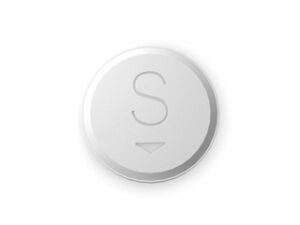
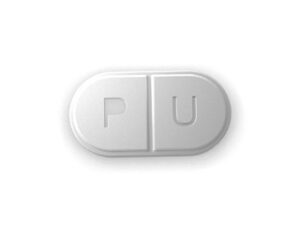
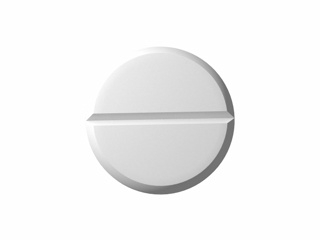
- Form: Oral tablets
Basic product information
| Category | Information |
|---|---|
| Medicine | Serophene (clomiphene) |
| Drug class | SERMs (Selective Estrogen Receptor Modulators) |
| Route | By mouth (oral) |
| How it’s used | Typically in timed courses over several days |
| Key goal | To trigger ovulation and support conception |
How Serophene works (mechanism of action)
Serophene (clomiphene) works by temporarily blocking estrogen receptors in the brain (particularly the hypothalamus). When estrogen signalling is reduced, the brain “senses” lower estrogen activity and responds by increasing the release of hormones that control reproduction.
This leads to:
- Higher GnRH (from the hypothalamus)
- Increased FSH and LH release from the pituitary gland
- Follicle growth in the ovary
- Ovulation in many people after an appropriate course
In short, Serophene helps “reset” the hormonal feedback loop so your body can resume ovulatory cycles, when appropriate.
Pharmacokinetics (how the body handles it)
Understanding timing can help you know what to expect. After you take clomiphene by mouth, it is absorbed and distributed throughout the body. The drug and its metabolites can persist for days, which is part of why treatment is usually given in short courses and then followed by monitoring.
Key points commonly relevant in practice:
- Onset: Hormonal effects begin after dosing and build over the days of treatment.
- Duration: Because clomiphene and its metabolites have a prolonged presence in the body, effects on ovulation and cycle hormones may extend beyond the final tablet day.
- Metabolism: It is metabolised primarily in the liver.
- Elimination: Metabolites are eliminated mainly via the liver/bile route.
Your clinician may use cycle tracking (e.g., ovulation tests, ultrasound, blood tests) to tailor therapy.
Typical use in fertility care
Serophene is used to help induce ovulation in people who have irregular or absent ovulation. It is also used in certain fertility-related scenarios where the goal is to increase the chance of releasing an egg.
Common indications include:
- Anovulation or oligo-ovulation (infrequent ovulation)
- Polycystic ovary syndrome (PCOS) where ovulation does not occur regularly
- Unexplained infertility or other ovulatory dysfunction situations (depending on individual assessment)
Not everyone is a suitable candidate. Your clinician will consider your medical history, hormone profile, ovarian reserve, and other factors.
When to take Serophene (timing and course schedule)
Serophene is usually taken as a short course at specific times in your cycle. The exact schedule can vary depending on your diagnosis, previous response, and how your clinician monitors you.
Typical timing concept (general guidance):
- Start point: Often on a specific day of your menstrual cycle (commonly day 2–5 in many regimens) after bleeding begins.
- Course length: Commonly 5 days, taken once daily (some regimens differ).
- Ovulation window: Many people ovulate about 5–10 days after the last tablet, though this varies.
- Conception timing: Intercourse or timed intercourse is often scheduled around the expected ovulation window.
If you do not have regular periods, your clinician may use a plan to bring on bleeding first, or they may time treatment differently.
Food interactions
Clomiphene is generally taken by mouth and may be taken with or without food. However, individual instructions may vary.
To improve comfort:
- Take at the same time each day during your course.
- If you get nausea, taking the tablet with food may help some people.
- Stay well hydrated.
There are no common, major food interactions that are routinely advised to be avoided for all patients. Still, if you notice foods worsen side effects, discuss this with your pharmacist.
Alcohol interactions
Alcohol does not have a single well-known “absolute contraindication” with clomiphene for every person, but combining alcohol with fertility medicines may increase the risk of side effects such as:
- Dizziness or headache
- Nausea
- Fatigue or mood changes
If you plan to drink alcohol, consider keeping it minimal and avoiding binge drinking. For the safest approach, discuss alcohol use with your healthcare provider, especially if you have liver disease or elevated liver tests.
Interactions with other medicines
It is important to provide your pharmacist or clinician with a complete list of medicines and supplements you take, including “natural” products. Interactions can affect effectiveness or increase side effects.
Potential interaction themes include:
- Liver-metabolised medicines: Clomiphene is metabolised in the liver. Some medicines that strongly affect liver enzymes may alter exposure.
- Hormonal therapies: Any other fertility hormones, estrogen, progesterone, or anti-estrogen therapies should be managed carefully.
- Medicines that affect vision/neurology: Since clomiphene can occasionally cause visual disturbances, tell your clinician if you take medicines known to affect vision or the nervous system.
Practical advice:
- Do not start or stop medicines without checking first.
- Be cautious with new prescriptions and antibiotics/antifungals until you’ve confirmed interaction safety.
- If you take supplements, ensure they’re not replacing essential treatments.
Indications and who may benefit
Serophene is intended for ovulation induction. It may be considered when ovulation does not occur regularly, or when fertility specialists aim to encourage follicular development and egg release.
Your clinician may consider it when:
- Your cycles are irregular and ovulation is infrequent or absent
- PCOS or other hormone imbalance is contributing to infertility
- Other causes have been assessed (e.g., thyroid issues, high prolactin, significant uterine or tubal problems)
Not suitable for everyone. People with certain ovarian conditions, unexplained vaginal bleeding, ovarian cysts not related to normal follicle development, or pregnancy should not take clomiphene. Your clinician will assess suitability before starting therapy.
Dosing (general approach)
Dose selection depends on your situation and response. A clinician will typically start with a low-to-moderate dose and adjust only if needed. The aim is to induce ovulation while minimising risks.
Typical dosing concept (varies by regimen):
- Common course: once daily for several days (often 5 days)
- Start dose: may vary (commonly 50 mg/day in many regimens)
- Adjustment: may increase in subsequent cycles if ovulation does not occur
- Maximum cycles: clinicians often limit the number of cycles to reduce cumulative side effects and improve overall outcomes
Never change your dose without medical guidance. Using more than recommended increases the risk of adverse effects, including ovarian overstimulation.
What to expect during treatment
During a treatment cycle, your clinician may monitor you using:
- Symptoms (e.g., changes in cervical mucus, mild pelvic discomfort)
- Ovulation predictor kits (urine LH tests)
- Blood tests (e.g., progesterone to confirm ovulation)
- Ultrasound to track follicle development
Some people feel relatively normal, while others notice side effects. If you experience severe pain, heavy bleeding, or symptoms suggesting overstimulation, seek prompt advice.
Safety profile and side effects
Like all medicines, Serophene can cause side effects. Many are mild and temporary, but some need urgent attention.
Common side effects
- Hot flushes
- Headache
- Nausea or upset stomach
- Breast tenderness
- Visual disturbances (e.g., blurred vision, light flashes) — usually temporary but should be taken seriously
- Abdominal discomfort or bloating
- Mood changes
Serious risks (important to know)
The risks below are less common, but they are crucial for safety. Contact a clinician promptly if any occur.
- Ovarian hyperstimulation / ovarian overstimulation: Rapid enlargement of ovaries can cause significant pain, swelling, or breathing difficulty in severe cases. Seek urgent care if you have severe lower abdominal pain, vomiting, marked bloating, shortness of breath, or reduced urination.
- Multiple pregnancy: Using ovulation-inducing medicines increases the chance of twins or higher-order pregnancies. This can increase maternal and pregnancy risks.
- Vision changes: If you develop persistent or worsening visual symptoms, stop driving and seek urgent medical advice. Visual side effects should not be ignored.
- Thromboembolic events (blood clots): Risk assessment varies by individual; discuss your clot risk factors with your clinician.
- Endometrial changes: Prolonged or inappropriate use can affect the uterine lining. Clinicians often limit the number of cycles and monitor as needed.
Pregnancy and breastfeeding considerations
- Pregnancy: Clomiphene is not intended for use during pregnancy. If you suspect you may be pregnant, consult your clinician.
- Breastfeeding: If breastfeeding, discuss fertility medication options with your healthcare provider.
When to seek urgent help
Get urgent medical attention if you experience:
- Severe pelvic/abdominal pain
- Sudden worsening bloating, vomiting, or inability to keep fluids down
- Shortness of breath, chest pain, or signs of a blood clot
- Persistent visual disturbances
- Fainting, severe dizziness, or heavy bleeding
Practical use tips for best results
- Follow the exact schedule: Take tablets at the same time daily and do not extend the course.
- Track timing: Use ovulation predictor kits if recommended, and note cycle day numbers.
- Know your expected ovulation window: Many people ovulate 5–10 days after the last tablet, but confirm if advised.
- Limit missed doses: Missed tablets may reduce the chance of ovulation.
- Keep a symptom diary: Record headaches, nausea, vision changes, pelvic discomfort, and bleeding.
- Ask about monitoring: Ultrasound or blood tests can reduce risks by checking follicle development.
- Avoid additional hormone products unless advised: Do not self-start estrogen/progesterone or other fertility supplements.
Alternative options
Depending on the underlying cause of ovulatory dysfunction and your history, clinicians may consider alternatives to Serophene. Options vary by country, diagnosis, and individual risk profile.
Common alternatives may include:
- Letrozole (an aromatase inhibitor) — often used for ovulation induction in certain patients
- Gonadotrophin injections (FSH/LH preparations) — used in selected cases with monitoring
- Metformin (particularly in PCOS with insulin resistance) — may help some people, often alongside other approaches
- Lifestyle measures (for PCOS/weight-related ovulatory issues): improving diet quality, physical activity, and addressing sleep
- Assisted reproductive technologies (e.g., IVF) — depending on other fertility factors
Your clinician can explain what fits your situation and the balance between benefits and risks.
Australia market and legal context (overview)
In Australia, medicines used for fertility are supplied through regulated healthcare pathways. Availability, prescribing rules, and listing status can change over time. Serophene (clomiphene) may be supplied for appropriate fertility management under the usual Australian medicines and healthcare regulations.
What this means for customers:
- For safe use, supply may require information to confirm suitability and dosing.
- Pharmacists can provide counselling on side effects, interactions, and correct administration.
- Storage and handling must meet approved standards.
For the most accurate details for your situation, refer to Australian health advice and the instructions provided with your medicine.
Recent guidance and evolving recommendations
Fertility medicine guidance can evolve as new evidence emerges. In ovulation induction for conditions like PCOS, some guidelines and clinicians have increasingly considered alternatives (such as letrozole) based on comparative outcomes in certain populations. However, the most appropriate choice depends on your diagnosis, medical history, availability, and response to prior treatments.
If you’re unsure why Serophene was chosen for you, ask your clinician or pharmacist to discuss:
- Why this option was selected for your specific cause of infertility
- How your response will be monitored
- What happens if ovulation does not occur after a course
Delivery and availability (online pharmacy)
Online pharmacies in Australia typically aim to deliver medicines safely and promptly within relevant regulations. Delivery timeframes vary based on location and supplier arrangements.
What to expect when ordering:
- Packaging: Medicines are usually supplied in original manufacturer packaging.
- Storage on arrival: Follow storage conditions on the label (commonly keep at room temperature, protected from moisture and heat).
- Ordering accuracy: Check strength, quantity, and expiry date.
- Pharmacist support: You may receive medication counselling and interaction checks.
If you require additional support (e.g., to confirm timing with your cycle), contact the pharmacy team.
FAQ
1) How long does Serophene take to work?
The hormonal effects begin after you start taking it. Many people ovulate about 5–10 days after the last tablet, but confirmation may require ovulation tracking or monitoring.
2) How many days is Serophene taken?
Many common regimens involve taking tablets once daily for about 5 days, but your schedule may differ. Follow the exact instructions provided for your plan.
3) What if I don’t ovulate on my first course?
Some people require dose adjustments or a different approach. Your clinician may evaluate follicle response with ultrasound or blood tests and decide on next steps for future cycles.
4) Can Serophene cause twins?
Yes. Ovulation induction increases the chance of multiple pregnancy, including twins. Your clinician can discuss your personal risk based on monitoring results.
5) What should I do if I get visual side effects?
Stop and seek urgent medical advice if visual symptoms are severe, persistent, or worsen. If you develop vision changes, avoid driving and operating machinery until you’ve been assessed.
6) Can I drink alcohol while taking Serophene?
Small amounts may be tolerated by some people, but alcohol can worsen side effects like headache or nausea. For the safest approach—especially if you have liver issues—ask your clinician or pharmacist.
7) Are there any key drug interactions?
Interactions vary depending on what else you take. Provide your pharmacist a full list of medicines and supplements so they can check for interaction risks and advise you accordingly.
8) Can I take Serophene with food?
Often yes. If it upsets your stomach, taking it with food may improve comfort. Follow the label instructions and your clinician’s directions.
9) Is Serophene used for everyone who wants pregnancy?
No. It’s intended for ovulation induction in people who have appropriate ovulatory dysfunction. A fertility specialist or clinician should assess suitability based on your medical history and fertility factors.
10) How should I store Serophene?
Store according to the instructions on the packaging. Keep tablets in their original container, protected from moisture and excess heat, and out of reach of children.
Important: This information is general and not a substitute for individual medical advice. If you have concerns about side effects, timing, fertility monitoring, or medicines you’re taking, speak to your pharmacist or clinician.