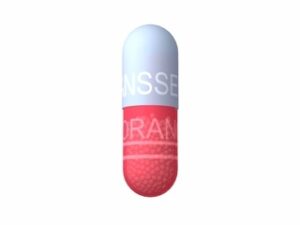


Diflucan (Fluconazole) – Patient-Friendly Guide (Australia)
Diflucan is a brand of fluconazole, an antifungal medicine used to treat a range of fungal infections. This page explains what Diflucan does, how it works in the body, typical uses and dosing, important safety information, and practical tips to help you get the most from your treatment. Information is written for an Australian audience and includes general guidance about interactions and safe use.
Quick overview
- Active ingredient: Fluconazole
- What it treats: Many common fungal infections, including some vaginal yeast infections and skin conditions
- How it works: Stops fungi from making essential cell membranes
- Available forms: Oral capsules and oral suspension (depending on supply/strength)
- Typical dosing: Often once daily, with treatment length depending on the infection
- Common side effects: Headache, nausea, abdominal discomfort, diarrhoea
Basic product information
Diflucan is an antifungal medication widely used in Australia for the treatment of infections caused by Candida and other susceptible fungi. It is taken by mouth and is absorbed reliably from the gastrointestinal tract.
Strengths and formulations: Diflucan products may be supplied as capsules or as an oral suspension. Availability and strengths can vary, so check the pack you receive for the exact dose.
Who it is for: Adults and, in some cases, children, depending on the specific indication and dosing plan. Doses for children are typically calculated by weight and are infection-specific.
Mechanism of action (how Diflucan works)
Fluconazole belongs to the azole class of antifungal medicines. It works by blocking fungal enzymes involved in the production of ergosterol, a vital component of fungal cell membranes. Without ergosterol, the fungal cell membrane becomes unstable, leading to fungal growth inhibition and eventual elimination.
- Target: Fungal cell membrane formation (ergosterol synthesis)
- Effect: Reduces fungal growth; in many situations leads to clearance of infection
- Not for: Viral or bacterial infections
Pharmacokinetics (how Diflucan behaves in the body)
Fluconazole has predictable absorption and distribution, which is part of why it is commonly used for a variety of fungal infections.
- Absorption: Well absorbed after oral dosing (food does not usually prevent absorption).
- Distribution: Penetrates body fluids and tissues, including skin and mucosal surfaces; levels can persist long enough to support once-daily dosing for many indications.
- Half-life: Relatively long (often around 20–30 hours in adults), which helps maintain antifungal activity.
- Metabolism and excretion: Predominantly eliminated via the kidneys, so kidney function can influence dosing needs.
Practical takeaway: Because fluconazole stays in the body for a long time, adherence to the prescribed schedule matters, but the medicine does not require extremely frequent dosing for many infections.
Typical uses and indications
Diflucan is used for infections caused by susceptible fungi. Common indications may include:
1) Mucosal and genital yeast infections
- Vaginal candidiasis (thrush/yeast infection): Often caused by Candida species such as Candida albicans.
- Oral thrush (oral candidiasis): Common in people with dentures, dry mouth, or reduced immunity.
2) Skin and nail fungal infections
- Dermatophytosis and related skin infections (depending on local guidelines and organism susceptibility).
- Pityriasis versicolor (tinea versicolor).
- Onychomycosis (fungal nail infection): Fluconazole may be used in some cases, depending on diagnosis and nail involvement.
3) More complex fungal infections
- Invasive or systemic candidiasis in certain clinical settings (usually more specialist-led due to higher dosing and monitoring needs).
- Other fungal infections may be treated with fluconazole when appropriate for the suspected/confirmed organism.
Important: The exact indication and dosing regimen depend on the infection type, severity, and your personal health factors (including liver and kidney function).
Dosing – what is “typical” and why it varies
Dosing regimens differ across conditions. Below are general examples seen in practice. Your exact dose should be based on the specific infection and your clinical situation.
| Condition (examples) | Common approach (general) | Treatment duration | Notes |
|---|---|---|---|
| Vaginal yeast infection (uncomplicated) | Single dose may be used in some situations | Often short-course | If symptoms recur or infection is complicated, longer regimens may be required. |
| Oral thrush | Once daily | Typically days to a few weeks | Continue for the recommended course to prevent relapse. |
| Skin fungal infections | Once daily | Often 1–4 weeks depending on diagnosis | Some skin conditions require longer due to slower resolution. |
| Tinea (e.g., pityriasis versicolor) | Once daily for a short course or intermittent dosing | Often 1–2 weeks | Skin pigmentation can take longer than symptom relief to normalise. |
| Systemic candidiasis or complex infections | May require higher doses and careful monitoring | Often longer | Monitoring of kidney function and liver safety is important. |
Kidney function: Because fluconazole is cleared through the kidneys, dosing may need adjustment in people with reduced kidney function.
Liver health: Fluconazole can affect the liver. If you have existing liver disease or elevated liver enzymes, extra caution and monitoring may be needed.
Timing – when to take Diflucan
How to schedule your dose:
- If prescribed once daily, take it at the same time each day.
- If you are taking a single dose regimen, choose a time that is easy to remember and align it with food timing if it helps you avoid nausea.
What to do if you miss a dose:
- Take it as soon as you remember.
- If it is close to the next dose, skip the missed dose and continue your usual schedule.
- Do not take a double dose to make up for a missed one.
If you are unsure, ask a healthcare professional or check the information provided with your medication.
Food interactions (including whether you can take it with meals)
Fluconazole is generally taken without strict meal timing. Food usually does not significantly affect absorption, so you can take Diflucan with or without food based on what is easiest for your stomach.
- If you experience nausea, taking it after a meal or with a snack may help.
- Stay consistent with how you take it during a course (e.g., always with breakfast) to make it easier to remember.
Alcohol interactions
Moderate alcohol use is not automatically contraindicated for every person taking fluconazole, but there are important safety considerations:
- Liver safety: Both alcohol and fluconazole can affect the liver. Heavy or frequent alcohol intake may increase the risk of liver-related problems.
- Side effects overlap: Alcohol can worsen nausea, dizziness, or stomach upset, which may also occur with fluconazole.
Practical advice: For the duration of treatment, consider limiting or avoiding alcohol, especially if you have known liver conditions, are taking other medicines that affect the liver, or if you notice symptoms such as fatigue, dark urine, or yellowing of the skin/eyes.
Medicine interactions (important)
Fluconazole can interact with other medicines by affecting drug-metabolising enzymes in the liver. Some interactions can be serious. Always review your current medicines, including herbal products and supplements.
Common interaction themes
- Warfarin and blood thinners: Fluconazole may increase bleeding risk by raising warfarin effect. Monitoring of INR may be required.
- Some cholesterol medicines (statins): Interactions may increase statin exposure, raising the risk of muscle problems.
- Some diabetes medicines: Blood sugar effects can be altered in some cases.
- Rifampicin/rifabutin: May reduce fluconazole effectiveness.
- Other drugs affecting heart rhythm: Because fluconazole can contribute to changes in drug levels, it may increase risk with medicines that also affect QT interval.
- Immunosuppressants (e.g., tacrolimus, ciclosporin): Levels can rise, potentially increasing toxicity.
Herbal and “natural” products
- Some supplements may affect liver enzymes or drug levels. Examples may include St John’s wort (varies by product), and certain traditional products.
- Always disclose supplements to a healthcare professional.
Practical checklist: Before starting Diflucan, consider making a list of all medicines you take (including “as needed” ones) and confirm with your pharmacist that they are compatible with fluconazole.
Safety profile – what to watch for
Most people tolerate fluconazole well. However, like all medicines, it can cause side effects and rarely serious adverse effects.
Common side effects
- Headache
- Nausea or stomach discomfort
- Abdominal pain
- Diarrhoea
- Rash
Less common but serious warning signs
Seek urgent medical advice if you develop:
- Signs of liver problems: yellowing of skin/eyes (jaundice), dark urine, severe fatigue, persistent vomiting, or upper right abdominal pain
- Severe allergic reactions: swelling of face/lips, difficulty breathing, or widespread hives
- Severe skin reactions: blistering, peeling skin, or painful rash
- Unusual bleeding or bruising (especially if using anticoagulants like warfarin)
Who may need extra caution
- People with liver disease or a history of liver enzyme abnormalities
- People with kidney impairment
- People taking multiple interacting medicines
- Pregnancy or breastfeeding situations (discuss with a healthcare professional regarding risk/benefit)
Practical tips for using Diflucan effectively
- Complete the course: Even if symptoms improve quickly, finishing the recommended duration helps reduce relapse.
- Avoid re-exposure triggers: For recurrent yeast infections, consider lifestyle and hygiene factors and discuss prevention strategies with a healthcare professional.
- Support symptoms: Wear breathable underwear, keep the area dry, and avoid irritants.
- Don’t use for suspected non-fungal causes: Symptoms like itching and discharge can sometimes overlap with other conditions. If you’re not sure, consider medical assessment.
- Condoms and sexual activity: For vaginal yeast infections, some people prefer to avoid sexual activity until symptoms improve. If you’re using additional products (like creams), check compatibility with condoms.
When to reassess: If symptoms do not improve within a few days (or as advised), worsen, or keep returning, speak with a healthcare professional to confirm the diagnosis and consider alternative treatment.
Alternative options
Depending on the type of infection, alternatives may include:
Topical antifungals (often for localised infections)
- Clotrimazole or other azole creams/vaginal preparations for vulvovaginal candidiasis
- Nystatin oral preparations for some thrush cases
Other oral antifungals
- Itraconazole (for certain fungal infections)
- Terbinafine (commonly for dermatophyte skin/nail infections, depending on diagnosis)
- Voriconazole or posaconazole (usually for serious/specialist indications)
Why alternatives may be chosen
- Different fungus species may respond better to specific treatments.
- Side effect profiles and drug interactions vary between antifungal medicines.
- Some infections require longer regimens or different combinations.
Note: The “best” option depends strongly on the infection type and suspected organism. Accurate diagnosis helps reduce the chance of recurrence or unnecessary medication use.
Diflucan in the Australian market – legal and practical context
In Australia, antifungal medicines are supplied through licensed pharmacy channels and may be classified as pharmacist-only or prescription-only depending on the indication and product strength. Availability also varies by manufacturer and distribution.
What this means for customers:
- Some strengths or pack types may require pharmacist assessment before supply.
- Pharmacists can help check drug interactions and whether treatment is appropriate for your symptoms.
- Where medical assessment is recommended, it helps confirm the cause of symptoms and ensures safe selection of treatment.
Regulatory safety: Medicine supply in Australia follows strict quality and safety requirements, including controls for adverse events and labelling standards.
Recent guidance and clinical considerations (general)
Clinical practice for fungal infections evolves based on resistance patterns, safety updates, and improved diagnostic approaches. Common themes in recent guidance worldwide include:
- Accurate diagnosis before repeated antifungal courses, especially for recurrent symptoms.
- Review of drug interactions prior to using azole antifungals.
- Monitoring liver safety when prolonged courses are used or when risk factors exist.
- Local protocols for recurrence management and assessment of underlying causes (e.g., diabetes, immune suppression, or hygiene-related triggers).
Australian pharmacy perspective: Pharmacists often focus on ensuring the right diagnosis, screening for red flags (such as severe illness, pregnancy concerns, or possible sexually transmitted infections), and providing clear instructions for safe use.
Delivery and availability (online pharmacy)
Availability of Diflucan can vary by strength and formulation. When ordering online in Australia:
- Check pack details: Confirm the product strength and form (capsule vs suspension) shown on the listing.
- Timing: Delivery times depend on the courier and your location. Many pharmacies dispatch orders on the next business day if stock is available.
- Temperature handling: Most oral antifungal medicines do not require cold-chain delivery, but follow any storage instructions on the pack.
- Address accuracy: Use a complete delivery address to avoid delays.
After delivery: Store the medicine according to the pack instructions (typically in a cool, dry place, away from heat and direct sunlight). Keep out of reach of children.
Frequently Asked Questions (FAQ)
1) How fast will Diflucan work?
Many people notice improvement within a few days, but full resolution can take longer depending on the infection type. For skin conditions, visible change may lag behind symptom relief because skin regrows slowly. If you’re not improving as expected, speak with a healthcare professional.
2) Can I take Diflucan if I have nausea?
Yes, many people can. Taking the dose with food may help reduce stomach upset. If nausea is severe, persistent, or you can’t keep tablets down, seek medical advice.
3) Is Diflucan safe for everyone?
No. Extra caution may be needed for people with liver disease, kidney impairment, or those taking medicines that interact with fluconazole. If you have any chronic conditions or take regular medications, review potential interactions with a pharmacist.
4) Can I drink alcohol while taking Diflucan?
It’s best to limit alcohol during treatment, particularly if you have liver risk factors. Alcohol may worsen side effects and increase liver strain. If you choose to drink, keep it moderate and stop if you develop symptoms such as unusual fatigue or jaundice.
5) What if my symptoms come back after Diflucan?
Recurrence can occur if the infection isn’t fully cleared, if it’s caused by a different organism, or if underlying factors contribute (for example diabetes, antibiotic use, or immune changes). Repeated self-treatment without reassessment may delay correct diagnosis. Consider medical review for recurrent symptoms.
6) Can Diflucan treat all types of “yeast” infection?
Diflucan treats many fungal infections caused by susceptible species. However, genital symptoms can sometimes be due to other conditions. If symptoms are unusual, severe, recurrent, or not improving, it’s important to confirm the diagnosis.
7) Are there alternatives if fluconazole doesn’t work for me?
Yes. Alternatives can include topical antifungals, different oral antifungals, or other treatment strategies depending on your specific infection and organism. A clinician or pharmacist can help determine the most suitable option.
8) Should my partner be treated for vaginal yeast infection?
Routine treatment of sexual partners is not always required for uncomplicated yeast infections. However, guidance can vary depending on recurrence, symptoms, and diagnosis. Ask a healthcare professional for personalised advice.
9) What side effects are normal?
Mild headache, stomach discomfort, nausea, or diarrhoea can occur. If side effects are moderate to severe, persist, or you develop signs of allergy or liver problems, seek medical advice promptly.
10) How should I store Diflucan?
Store according to the instructions on the pack, usually at room temperature in a dry place away from heat and direct sunlight. Keep out of reach of children.
Summary
Diflucan (fluconazole) is an oral antifungal medicine used to treat a variety of fungal infections, including common yeast-related conditions. It works by disrupting fungal cell membrane formation and has favourable absorption and a long half-life, supporting convenient dosing schedules. Food typically does not affect absorption, but interactions with other medicines can be significant—so it’s important to review your current medications. While many people experience only mild side effects, watch for warning signs such as liver-related symptoms or allergic reactions. If symptoms are not improving or keep returning, reassessment is recommended to ensure correct diagnosis and the safest, most effective treatment.