
Zovirax (Acyclovir) — Patient Guide (Australia)
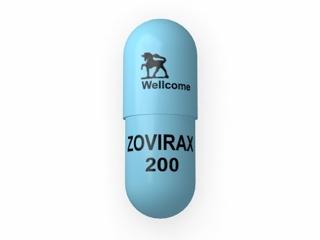
Zovirax is a well-known antiviral medicine containing acyclovir. It is used to treat infections caused by certain viruses, particularly the herpes virus family (including herpes simplex and varicella-zoster). This guide explains how Zovirax works, how it is typically used, what to expect, and important safety information for people in Australia.
This information is designed to be patient-friendly and practical. Always read the product label and patient information provided with your specific Zovirax formulation (for example, tablets, cream, or eye ointment), as dosing and directions can differ by product type and your situation.
Quick product information
| Feature | What it means |
|---|---|
| Medicine | Zovirax (acyclovir) |
| Medicine type | Antiviral (nucleoside analogue) |
| Common targets | Herpes simplex virus (HSV), varicella-zoster virus (VZV) |
| Common forms | Tablets, cream, and other formulations depending on brand/product |
| Main benefit | Helps reduce viral replication and speeds healing of certain herpes infections |
| Key safety focus | Kidney function and hydration, especially at higher doses or in at-risk patients |
How Zovirax (acyclovir) works (mechanism of action)
Acyclovir is a nucleoside analogue—a building block-like substance designed to interfere with viral replication.
The virus must activate acyclovir inside infected cells. In simplified terms:
- Step 1: Activation — In cells infected with herpes viruses, acyclovir is converted into an active form (often described as “phosphorylated”).
- Step 2: Interference — The active form disrupts viral DNA synthesis.
- Result — The virus can’t multiply effectively, which helps reduce symptoms and disease duration for susceptible infections.
Important note: Zovirax treats infections caused by herpes viruses. It does not treat viruses outside this group, such as influenza or the common cold viruses.
Pharmacokinetics (how the body handles it)
Pharmacokinetics describes absorption, distribution, metabolism, and elimination.
- Absorption: Acyclovir is absorbed from the gut after oral dosing. Absorption can be affected by factors such as formulation and individual differences.
- Distribution: Acyclovir distributes into body tissues and fluids where the viruses replicate. Concentrations can vary by tissue.
- Metabolism: It is not extensively metabolised; most of it remains in an active form.
- Excretion: Acyclovir is primarily eliminated by the kidneys (through urine).
- Implication for safety: Because renal clearance is important, people with reduced kidney function may require dose adjustment and careful monitoring.
For topical or ocular formulations, local exposure and absorption can differ. Your specific product instructions are the best guide for how that formulation behaves.
Typical uses in Australia
Zovirax is commonly used for infections caused by herpes viruses, including:
-
Herpes simplex virus (HSV) infections:
- Cold sores (herpes labialis)
- Genital herpes (HSV-related conditions)
- Herpes zoster (shingles) due to varicella-zoster virus (VZV)
- Other HSV or VZV-related infections as directed in clinical practice and based on local product information
The best outcomes generally occur when treatment starts early—ideally at the first signs or symptoms.
When to start and timing for best results
Antivirals work best when used early. Consider the following general timing principles (always follow your product’s instructions):
- Cold sores (HSV): Start as soon as you notice early symptoms such as tingling, itching, burning, or a prodrome before blisters fully develop.
- Shingles (VZV): Start as early as possible, ideally within the first 72 hours of the rash appearing to help reduce viral activity and complications.
- Recurrent genital herpes: Some patients use treatment at the earliest onset of symptoms; others may use suppressive strategies depending on recurrence pattern and clinical advice.
If symptoms worsen, new symptoms appear, or you are concerned (for example, severe pain, eye involvement, fever, or symptoms in immunocompromised individuals), seek medical attention promptly.
Food interactions (can you take Zovirax with meals?)
For oral acyclovir, food generally has a limited effect on overall suitability, but individual products may have specific instructions.
- Take with or after food if it helps you tolerate it (many people find tablets easier on the stomach).
- Stay consistent with your usual routine—take doses at roughly the same times each day.
- Check your label for any specific directions about taking with food or fasting.
If you experience nausea, it may help to take the dose with a meal and drink water regularly.
Alcohol interactions and medicine interactions
Alcohol
There is no universally required “no alcohol” rule for acyclovir, but alcohol can:
- Increase dehydration risk (important because acyclovir is cleared through the kidneys)
- Worsen side effects such as dizziness or nausea in some people
- Reduce sleep quality and slow recovery
For best safety, consider limiting alcohol while you are unwell and drinking plenty of fluids as directed.
Other medicines (important interactions)
Acyclovir interactions can be affected by kidney function and how medicines compete for renal clearance. Tell your clinician or pharmacist about all medicines and supplements you take. In particular:
- Other medicines that affect the kidneys (for example, some antibiotics, high-dose non-steroidal anti-inflammatory drugs—NSAIDs, or other potentially nephrotoxic agents) may increase kidney stress.
- Medicines that also rely on renal excretion could theoretically influence blood levels of acyclovir.
- Immunosuppressive treatments may change the clinical approach to viral infections, especially in people at higher risk.
Keep an up-to-date medication list and review it if your therapy changes (for example, if you start a new medicine while taking Zovirax).
Indications (when Zovirax is used)
In Australia, Zovirax (acyclovir) is indicated for treatment of infections caused by susceptible herpes viruses such as:
- Herpes simplex infections (including cold sores and some HSV-related genital infections)
- Herpes zoster (shingles)
- Selected other HSV/VZV conditions depending on clinical assessment, severity, age, and immune status
Indications vary by formulation and local product documentation. If you are unsure which infection your treatment targets, check the box/leaflet for the exact condition and dosing instructions.
Dosing information (general guidance)
Dosing depends on:
- Which formulation you use (tablets vs cream)
- The infection type (HSV vs shingles)
- Age, weight (for children), and kidney function
- Whether it’s first episode, recurrent, or prevention/suppression
- Severity and symptom timing (how early you started)
Always follow the dose on the product label or the instructions you received with your specific Zovirax formulation.
Common dosing principles (not a substitute for your label)
- Start early—the sooner you begin, the better the chance of symptom reduction.
- Space doses evenly across the day to maintain effective levels.
- Hydration is important, especially for oral tablets, to support kidney clearance.
- Kidney impairment: dose adjustments may be necessary if you have reduced kidney function or risk factors (for example, dehydration, older age, or known kidney disease).
If you have questions about a dose you see on a website or packaging, verify it against the official consumer information for your exact product strength and form.
Safety profile and side effects
Like all medicines, Zovirax can cause side effects. Many people experience none or only mild effects. The likelihood and type of side effects can vary by formulation (oral vs topical) and by individual health status.
Common side effects
- Nausea
- Diarrhoea or stomach upset
- Headache
- Dizziness (less common)
Less common but important risks
-
Kidney-related effects (more likely in people with dehydration, existing kidney problems, older adults, or when higher doses are used)
- Signs to watch for: reduced urine output, swelling, severe flank/back pain, or unusual fatigue.
- Seek urgent advice if you notice concerning symptoms.
-
Allergic reactions
- Signs to watch for: rash, itching, hives, facial swelling, breathing difficulties.
- Seek urgent medical help if symptoms suggest an allergy.
Topical cream safety notes
- Local irritation (such as burning or stinging) may occur where cream is applied.
- Avoid applying to large areas more frequently than instructed.
- Use only as directed for the affected site.
When to seek medical attention
- Symptoms involve the eye (pain, redness, light sensitivity, blurred vision)
- You develop high fever or severe worsening pain
- Rash spreads rapidly or you become very unwell
- You have reduced immune function (for example, after transplant, chemotherapy, or certain chronic immune conditions) and you develop shingles or severe HSV
Practical use tips (getting the most from your treatment)
Oral tablets — practical tips
- Drink fluids regularly during treatment to support kidney function (unless you’ve been told to restrict fluids).
- Take doses on schedule; use alarms or a medication reminder if needed.
- Complete the course even if you feel better (unless advised otherwise).
- Avoid spreading infection:
- Hands washed before and after touching lesions
- Avoid kissing or sexual contact during outbreaks if lesions are present
- Do not share towels or personal items
Cream — practical tips
- Apply to the affected area only, following the leaflet instructions.
- Wash hands after application.
- Avoid getting cream into the eyes or mouth.
- If there is no improvement or symptoms worsen, reassess promptly.
General supportive care
- Rest and manage pain/fever with appropriate supportive measures (ask a pharmacist if you’re unsure what’s suitable for you).
- Keep the affected area clean and dry.
- Don’t pick blisters or scabs.
Alternative options
Depending on the virus type, severity, timing, age, and individual circumstances, other antiviral options may be considered. Alternatives can include:
- Valaciclovir (an alternative oral antiviral used for herpes infections in some settings)
- Famciclovir (another oral antiviral option for selected HSV and shingles cases)
- Topical antivirals other than acyclovir cream for certain cold sore scenarios (availability and suitability vary)
Your pharmacist or clinician can help compare options based on:
- How early treatment started
- How often outbreaks occur
- Kidney function and dosing frequency preferences
- Whether you need oral vs topical therapy
If your symptoms are unusual or severe, don’t switch treatments without advice—especially for eye involvement or shingles.
Market and legal context in Australia
In Australia, medicines can be supplied under different scheduling categories (for example, via pharmacy-only channels or other arrangements) depending on the product and formulation. The availability of Zovirax products may differ by form (tablets vs creams vs eye preparations) and by strength.
When shopping online, ensure the product page clearly states:
- Exact active ingredient (acyclovir) and strength
- Formulation (tablet, cream, ointment) and pack size
- Consumer information leaflet and dosing directions
- Storage instructions
Only purchase from reputable suppliers that comply with Australian regulatory and distribution requirements. If you have any doubts about authenticity, packaging, or instructions, ask the supplier or pharmacist before use.
Note: While some antiviral products may be available through pharmacy supply pathways, requirements can vary. Always follow local guidance and product label directions for safe use.
Recent guidance and clinical considerations (what to know)
Antiviral treatment for herpes infections is generally supported by clinical guidance that emphasises:
- Early initiation (especially for shingles and early HSV symptoms)
- Renal function awareness with dose adjustment where relevant
- Special caution for people at higher risk of complications, including those who are immunocompromised, older adults, pregnant people (case-by-case), and those with eye involvement
- Appropriate supportive care alongside antiviral treatment
If you have recurrent outbreaks, healthcare providers sometimes consider longer-term strategies (for example, suppressive approaches) depending on your frequency and impact. The most suitable strategy depends on your medical history and the pattern of your outbreaks.
Delivery, availability, and how to store Zovirax
Availability
Zovirax is generally available through pharmacy and approved online pharmacy channels in Australia, depending on the specific formulation and strength.
Delivery
- Delivery times vary by supplier and location.
- Choose the correct pack size so you can complete the course as directed.
- Check that you receive the correct product (form and strength) before use.
Storage
Store according to the directions on the packaging. In general, follow these principles:
- Keep out of reach of children
- Store at the recommended temperature (often “below 25°C”, but confirm your label)
- Protect from moisture and follow “use by” dates
FAQ — Zovirax (Acyclovir)
1) Is Zovirax the same as acyclovir?
Yes. Zovirax is a brand name that contains acyclovir as the active ingredient. There may be other brands with acyclovir as the active ingredient.
2) How quickly will it work?
Many people notice improvement within a few days, but results depend on the infection type and how early treatment started. Starting early typically improves outcomes.
3) Can I use Zovirax for shingles?
Acyclovir is used to treat shingles (herpes zoster) caused by varicella-zoster virus, especially when started early. Timing matters—seek prompt advice if shingles is suspected.
4) Can I take Zovirax if I have kidney problems?
You may need dose adjustments and extra caution. Tell your pharmacist or clinician about any kidney disease or if you’ve ever been told your kidneys don’t work as well as expected.
5) What should I do if I miss a dose?
Follow your product leaflet guidance. In general, take the missed dose when you remember unless it’s close to the next scheduled dose. Do not take double doses.
6) Is it safe to take with food?
Oral acyclovir is commonly taken with or after food to improve comfort for some people. Check your label for the specific instruction for your product strength and formulation.
7) Can I drink alcohol while taking Zovirax?
Moderate alcohol may be tolerated by some people, but alcohol can increase dehydration risk and worsen side effects. It’s best to limit alcohol while unwell and maintain good hydration unless your clinician has advised fluid restriction.
8) What if I’m taking other medicines?
Tell your pharmacist about all current medicines, including over-the-counter pain relievers and supplements. Some medicines may affect kidney function or influence how acyclovir is cleared.
9) Does Zovirax cure herpes permanently?
Zovirax helps treat active infections by reducing viral replication and may shorten outbreaks. Herpes viruses can remain dormant and may reactivate later. Some people benefit from preventive strategies, depending on their situation.
10) When should I seek urgent help?
Seek urgent medical attention if you develop signs of allergic reaction (such as facial swelling or difficulty breathing), severe illness, eye symptoms, or symptoms suggesting kidney problems (such as markedly reduced urine output or severe flank pain).
Summary
Zovirax (acyclovir) is an antiviral medicine used for infections caused by herpes viruses such as cold sores (HSV) and shingles (VZV). It works by interfering with viral DNA replication and is generally most effective when started early. Because acyclovir is cleared by the kidneys, hydration and attention to kidney health are important for safe use.
If you’re unsure which formulation is right for your symptoms, or if you have kidney disease, are immunocompromised, or have eye involvement, ask a pharmacist for tailored guidance. Always follow the directions on your product label and consumer medicine information for your specific Zovirax item.