
Valacyclovir (Valacyclovir Hydrochloride) — Patient Information (Australia)
Valacyclovir is an antiviral medicine used to treat and manage certain viral infections, particularly infections caused by the herpes virus family. It is commonly used for cold sores (herpes labialis), genital herpes (herpes simplex), and shingles (herpes zoster). In many people, timely use helps reduce symptoms, speed healing, and lower the chance of recurrence.
This page provides practical, patient-friendly information about how valacyclovir works, how it is used, important safety considerations, and what you can expect in everyday life.
Basic Product Information
| Category | Details |
|---|---|
| Active ingredient | Valacyclovir hydrochloride |
| Medicine type | Antiviral (nucleoside analogue prodrug) |
| Common indications | Cold sores, genital herpes, shingles (herpes zoster) |
| How it works | Converted in the body to acyclovir, then inhibits viral DNA replication |
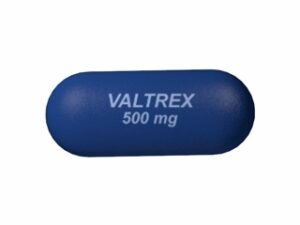
| Form | Oral tablets (strengths vary by product) |
Brand names and strengths: Valacyclovir is available in Australia in tablet form in different strengths. Your product label will state the exact strength and dose instructions.
How Valacyclovir Works (Mechanism of Action)
Valacyclovir is a prodrug, meaning it is converted into an active medicine after you take it.
- After absorption, valacyclovir is converted mainly in the liver to acyclovir.
- Acyclovir enters infected cells and is then converted to its active form (a triphosphate form).
- The active form inhibits viral DNA polymerase—the enzyme the virus needs to replicate its genetic material.
- This helps reduce viral replication, shorten the duration of symptoms, and limit the severity of outbreaks.
Important note: Antiviral medicines do not “cure” herpes viruses permanently. They control replication during active episodes and can help reduce frequency and severity for some people.
Pharmacokinetics (Absorption, Distribution, and Elimination)
Understanding how the body handles valacyclovir can help explain why dosing and timing matter.
- Absorption: Valacyclovir is absorbed through the gastrointestinal tract.
- Conversion: The majority is converted to acyclovir (the active drug).
- Distribution: Acyclovir spreads into body tissues and fluids, including areas affected by herpes viruses.
- Elimination: Acyclovir is mainly cleared by the kidneys (urinary excretion).
- Kidney function matters: If you have reduced kidney function, medicine levels may rise, and your prescriber may adjust your dose.
Hydration is important: Because clearance is largely renal, maintaining good fluid intake can help reduce the risk of kidney-related side effects.
Typical Uses in Australia
Valacyclovir is commonly used for the following herpes virus-related conditions:
- Cold sores (herpes labialis): Treatment of outbreaks and, in some cases, episodic therapy started early.
- Genital herpes (herpes simplex): Treatment of episodes and, for some individuals, long-term suppression to reduce recurrences and transmission risk.
- Shingles (herpes zoster): Treatment of shingles, particularly when started soon after the rash begins.
Exact eligibility and dosing depend on the condition being treated, the pattern of symptoms, your age, kidney function, and other medicines you may be taking.
Timing: When to Start for Best Results
Antivirals work best when started early.
- Cold sores: Many people benefit most when valacyclovir is taken at the first sign of an outbreak (such as tingling, burning, or an early sore).
- Genital herpes: Best results usually occur when started promptly during an episode.
- Shingles: Starting within 48 hours of rash onset is commonly recommended for the greatest benefit.
If you are unsure when your symptoms began, it’s helpful to estimate the onset date and seek advice promptly—especially for shingles.
Food Interactions and Whether to Take with Meals
Valacyclovir can generally be taken with or without food. Food may help some people avoid stomach upset.
- If you feel nauseated, consider taking it with meals or soon after eating.
- Try to take it at consistent times each day to maintain steady medicine exposure.
Always follow your product label or clinician instructions for your specific dose schedule.
Alcohol and Medicine Interactions
There are no universally applicable “hard rules” that valacyclovir cannot be taken with alcohol. However, using both may increase the chance of side effects or reduce your ability to care for yourself while you are unwell.
- Alcohol use: It may worsen dehydration in some people and can increase fatigue, dizziness, or gastrointestinal discomfort.
- Kidney considerations: Because valacyclovir is cleared by the kidneys, dehydration from alcohol could be a concern—especially if you are elderly or have kidney impairment.
- Interaction with other medicines: Alcohol can interact with other medications you may be taking (for example, sedatives or medications affecting the nervous system). If you take other medicines, consider checking compatibility.
Practical advice: If you choose to drink alcohol, consider keeping amounts low, staying well hydrated, and avoiding alcohol if it makes you feel dizzy, nauseated, or unwell.
Medicine Interactions: What to Watch For
Some medicines can affect kidney function or alter how valacyclovir is cleared. This may raise the risk of side effects, including kidney problems or neurological effects.
Tell your healthcare professional or pharmacist if you use:
- Other medicines that affect kidneys (especially certain anti-inflammatory medicines taken long term, some antibiotics, or other antivirals)
- High-dose or combined antiviral therapy
- Medicines that may reduce kidney blood flow
- Nephrotoxic drugs (medicines known to potentially affect kidney health)
- Medicines that affect the nervous system if you’ve had side effects previously
Do not start or stop medicines without advice. Your pharmacist can help check interactions with your specific list of medicines, including over-the-counter products.
Indications (What Valacyclovir Treats and Manages)
Valacyclovir is indicated for conditions caused by herpes viruses. In practice, doctors commonly use it for:
- Herpes simplex infections
- Cold sores (herpes labialis)
- Genital herpes (first episode and recurrences)
- Herpes zoster (shingles)
Some people also use valacyclovir as long-term suppressive therapy for recurrent genital herpes to reduce outbreak frequency and, for some couples, reduce risk of transmission. The most suitable approach varies from person to person.
Dosing: Common Regimens and How to Use Them
Always follow the dose instructions supplied with your product or provided by your healthcare professional. Doses differ by condition, timing, severity, and kidney function.
The following general dosing patterns are commonly used. Your specific regimen may differ:
1) Cold sores (herpes labialis)
- Episodic treatment is typically taken at early symptoms.
- Regimens often involve multiple tablets over 1 day or across several days depending on the product and indication.
2) Genital herpes (herpes simplex)
- Initial episode: Usually involves a course taken over several days.
- Recurrent episodes: Often treated with a shorter course started promptly at onset.
- Suppressive therapy: Taken daily for ongoing prevention in eligible individuals.
3) Shingles (herpes zoster)
- Commonly prescribed as a course taken several times daily for about 7 days.
- Start as early as possible, ideally within 48 hours of rash onset.
Kidney impairment and older adults
- If you have reduced kidney function, your dose may be adjusted.
- Older adults may require careful dosing based on kidney function and hydration status.
How to take tablets:
- Swallow tablets whole with water.
- Use a daily routine or alarms if you need multiple doses per day.
- If you miss a dose, take it when you remember unless it’s close to the next dose. Do not double dose.
Safety Profile: Side Effects and When to Seek Help
Valacyclovir is generally well tolerated for many people. However, like all medicines, it can cause side effects.
Common side effects
- Headache
- Nausea
- Stomach upset or abdominal discomfort
- Dizziness (in some people)
Less common but important side effects
- Kidney problems (especially with dehydration, higher doses, older age, or existing kidney disease)
- Neurological effects such as confusion, agitation, or unusual drowsiness (more likely if kidney function is reduced)
- Allergic reactions including rash, swelling, or difficulty breathing
Seek urgent medical help if you have
- Signs of allergy: swelling of face/lips, hives, wheezing, or trouble breathing
- Severe confusion, fainting, or significant changes in behaviour
- Severe or worsening side effects affecting daily function
- Very low urine output or symptoms of dehydration such as severe thirst, dizziness, or inability to keep fluids down
Safety considerations
- Hydration: Drink enough fluids during treatment unless you’ve been advised to restrict fluids.
- Kidney health: Inform your pharmacist or clinician if you have kidney disease or a history of kidney stones.
- Pregnancy and breastfeeding: Valacyclovir may be used in some situations; discuss with your healthcare professional for personal advice.
Practical Use Tips (Getting the Best Outcome)
- Start early: Take valacyclovir as soon as symptoms begin—especially for shingles and cold sores.
- Complete the course: Even if symptoms improve, finish the prescribed regimen.
- Stay hydrated: Regular water intake supports kidney clearance.
- Avoid contact during active lesions: Use barrier protection where appropriate (for genital herpes) and avoid direct contact with lesions for cold sores.
- Manage triggers: Some people notice outbreaks after stress, illness, sun exposure (cold sores), or skin irritation. Identifying triggers can help reduce recurrence.
- Consider pain relief measures: For symptom comfort, non-antiviral supportive treatments may be used as recommended by a pharmacist or clinician.
Alternative Options for Herpes-Related Conditions
Depending on your condition and medical history, other antiviral options may be considered. These may include:
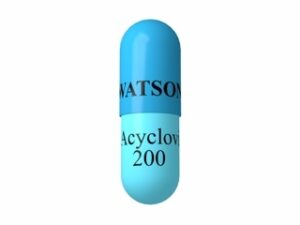
- Acyclovir (oral antiviral; dosing frequency may differ)
- Famciclovir (another oral antiviral for herpes infections)
- Topical treatments for selected cold sores in some circumstances (use varies by product and severity)
For shingles, antivirals are time-sensitive, so it’s important to seek timely advice and start appropriate treatment. Your pharmacist can help compare options based on the condition, dosing schedule, and side effect profiles.
Market and Legal Context for Australia
In Australia, supply of prescription-only and schedule medicines is regulated under the Australian regulatory framework and state/territory pharmacy requirements. Medicines are categorised into schedules and availability depends on the classification and the rules in place at the time of supply.
Valacyclovir availability may vary depending on how the product is classified and the specific dispensing pathway used by pharmacies. If you are ordering online, ensure:
- Any required information is provided accurately.
- You confirm product strength and intended use.
- You receive clear dosing instructions for your condition.
Pharmacist support: Australian pharmacies often provide consultation and counselling to ensure medicines are used safely and appropriately.
Recent Guidance and Practical Clinical Considerations
Clinical practice continues to emphasise early initiation of antiviral therapy for herpes zoster and for outbreaks, particularly when lesions are new or symptoms are just starting. Guidance commonly highlights:
- Shingles: Initiate antivirals promptly (commonly within 48 hours of rash onset when possible).
- Cold sores/genital herpes: Start at the earliest prodrome or outbreak symptoms for improved effectiveness.
- Kidney function: Dose adjustment and hydration advice are important for people with kidney impairment and in older adults.
- Adherence: Finishing the course and taking at the correct frequency helps optimise outcomes.
Guidance may be updated as new evidence emerges. For your personal situation, your pharmacist or healthcare professional can advise based on the latest recommendations and your health profile.
Delivery and Availability (Online Pharmacy)
When you order valacyclovir online in Australia, availability depends on stock levels and the specific product strength. Delivery typically includes:
- Packaging: Kept secure and appropriately labelled for safe handling.
- Tracking: Many deliveries offer tracking or confirmation of dispatch.
- Cold chain: Valacyclovir tablets do not usually require refrigeration under standard transport conditions.
Delivery timelines: Delivery estimates depend on your location (metro/regional) and dispatch schedules. Check the estimated delivery timeframe shown during checkout.
Availability: If a particular strength is temporarily out of stock, you may be offered alternatives (such as different strengths) to meet dosing requirements—subject to pharmacy policies and clinical appropriateness.
FAQ (Frequently Asked Questions)
1) What is valacyclovir used for?
Valacyclovir is commonly used to treat infections caused by herpes viruses, including cold sores, genital herpes, and shingles. It may also be used to suppress recurrent genital herpes in selected individuals.
2) How quickly does it work?
Results vary by person and by how early you start. Antivirals generally work best when started early. Many people notice symptoms begin to improve within a few days, with healing continuing after the course is finished.
3) Should I take valacyclovir with food?
Valacyclovir can usually be taken with or without food. Taking it with meals may help if you experience stomach discomfort.
4) Can I drink alcohol while taking valacyclovir?
Moderate alcohol may not be strictly contraindicated for everyone, but alcohol can contribute to dehydration and worsen side effects such as dizziness or nausea. If you choose to drink, keep it limited and stay well hydrated.
5) Are there interactions with other medicines?
Yes, interactions can occur—particularly with medicines that affect kidney function. It’s important to tell your pharmacist about all medicines you take, including over-the-counter products and supplements.
6) What if I have kidney disease?
Valacyclovir dosing may need adjustment in kidney impairment. Discuss your kidney health with your pharmacist or healthcare professional before starting, and make sure you maintain good hydration unless told otherwise.
7) What side effects should I watch for?
Common effects include headache and nausea. Seek medical help urgently if you develop signs of allergy, severe confusion, or symptoms suggestive of kidney problems (e.g., very reduced urine output).
8) Can valacyclovir prevent outbreaks?
For some people with frequent recurrent genital herpes, suppressive therapy may reduce outbreak frequency. Preventing transmission also involves sexual health practices and barrier methods, even when using antivirals.
9) Does valacyclovir cure herpes viruses?
No. Valacyclovir reduces viral replication during active episodes. Herpes viruses remain in the body and can reactivate later.
10) When should I contact a healthcare professional urgently?
Contact urgent care or seek emergency help if you experience difficulty breathing, swelling of the face/lips, severe rash, severe confusion, fainting, or signs of kidney problems.
Summary
Valacyclovir is an oral antiviral medicine used in Australia for conditions such as cold sores, genital herpes, and shingles. It works by limiting viral replication after it is converted to acyclovir in the body. For best outcomes, take it as soon as symptoms begin—especially for shingles—and follow your dose schedule carefully. Staying well hydrated, checking possible medicine interactions, and monitoring for side effects—particularly if you have kidney impairment—are key to safe use.
If you have questions about which treatment option is best for your symptoms, your pharmacist can help you understand dosing timing, side effect management, and interaction checks.