


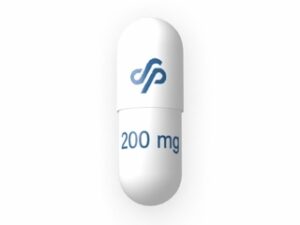
Oseltamivir (Oseltamivir Phosphate) — Online Pharmacy Information (Australia)
Oseltamivir is an antiviral medicine used to treat and help prevent influenza (“flu”) caused by influenza viruses. It is commonly prescribed and supplied in Australia as oseltamivir phosphate, which is converted in the body into the active antiviral form. This page explains how the medicine works, when it is used, how to take it safely, and what to expect.
Important: This information is general and does not replace advice from a healthcare professional. If you or someone you care for has severe symptoms, difficulty breathing, dehydration, confusion, or worsening illness, seek urgent medical care.
Basic product information
- Active ingredient: Oseltamivir phosphate
- Medicinal form: Capsules or oral liquid (suspension)
- Medicine class: Neuraminidase inhibitor (antiviral)
- Target viruses: Influenza A and influenza B
- Typical use: Treatment of confirmed or suspected flu; prevention in certain situations
- How it works: Blocks viral release and spread
Availability can vary by strength and formulation. In Australia, oseltamivir is supplied through pharmacy channels during influenza seasons and outbreaks.
How oseltamivir works (mechanism of action)
Influenza viruses need an enzyme called neuraminidase to release newly formed virus particles from infected cells. This release allows the virus to spread throughout the respiratory tract.
Oseltamivir is converted into an active metabolite that inhibits neuraminidase. By doing so, it:
- reduces viral spread within the body
- helps shorten the duration of symptoms in some patients
- can reduce the risk of complications when started early
Oseltamivir is most effective when started as early as possible after symptom onset.
Pharmacokinetics (absorption, distribution, metabolism, elimination)
Understanding how a medicine moves through the body can help with safe use. Below is a general overview for oseltamivir.
- Absorption: After oral administration, oseltamivir is absorbed from the gastrointestinal tract.
- Activation (metabolism): It is then converted in the body to its active form, typically via hepatic esterases.
- Distribution: The active form circulates and reaches the respiratory tissues where influenza replication occurs.
- Elimination: The active metabolite is mainly excreted via the kidneys.
- Kidney function matters: Because elimination relies heavily on renal clearance, dosage adjustments may be needed in people with reduced kidney function.
If you have known kidney problems, tell your healthcare professional before taking oseltamivir.
Typical use in Australia: indications
Oseltamivir is used for influenza in a range of circumstances. Common indications include:
- Treatment of influenza: For people with suspected or confirmed influenza, especially if they are at higher risk of complications or when symptoms are significant.
- Prevention of influenza: For certain individuals after exposure, such as during outbreaks, in high-risk settings, or for specific household/community circumstances.
- High-risk groups: People at increased risk of severe influenza outcomes may benefit from early antiviral treatment.
High-risk groups often include (examples):
- older adults
- pregnant people
- people with chronic heart, lung, kidney, neurological or metabolic conditions
- people with weakened immune systems
- children and infants (treatment decisions depend on age and clinical status)
Local recommendations may vary based on current influenza season patterns and clinical guidance from health authorities.
When to take it: timing is key
Oseltamivir works best when started early. The likelihood of benefit is generally highest when treatment begins within 48 hours of symptom onset.
- For treatment: Start as soon as possible after flu symptoms begin.
- For prevention: Timing depends on exposure or outbreak circumstances and may begin shortly after exposure.
If symptoms have been present for more than 48 hours, a healthcare professional may still consider oseltamivir in certain patients (e.g., hospitalised patients, severe disease, or high-risk individuals).
Dosing information (general guidance)
Doses can differ by age, weight, indication (treatment vs prevention), and kidney function. Always follow the directions provided with your specific product or by a healthcare professional.
Common dosing patterns (illustrative only):
| Indication | Typical duration | How often (adults and children—commonly used schedules) | Notes |
|---|---|---|---|
| Treatment of influenza | Usually 5 days | Twice daily (BID) | Start within 48 hours if possible. Duration may vary in special cases. |
| Prevention after exposure | Typically 10 days after exposure | Once daily (OD) | Exact timing depends on the exposure event and clinical advice. |
| Prevention during outbreak (community/institution) | Variable (often the duration of exposure risk) | Once daily (OD) | Healthcare guidance will specify duration. |
Kidney impairment: Because oseltamivir is cleared by the kidneys, dose adjustments are often needed in reduced renal function. This is particularly important for older adults or those with known kidney disease.
Children: Paediatric dosing is usually based on age and/or weight. For dosing accuracy, use the correct strength and an appropriate measuring device for liquid preparations.
Food interactions: can you take it with meals?
Oseltamivir is generally taken orally and may be taken with or without food. However, food can improve tolerability.
- To reduce stomach upset: Taking oseltamivir with food (or right after food) may help lessen nausea or vomiting.
- Consistency: If you experience stomach discomfort, consider taking it with meals consistently.
If you miss a dose, follow the directions on the medicine label or speak with your pharmacist. In general, do not double doses to make up for a missed one.
Alcohol interactions
Oseltamivir does not have a well-known direct interaction with alcohol. However, alcohol may worsen flu symptoms such as dehydration, fatigue, and nausea.
Practical advice:
- Avoid heavy drinking while you are unwell.
- If you choose to drink, do so in moderation and stay hydrated.
- Stop alcohol if it clearly worsens side effects like dizziness or nausea.
Medicine interactions (including common considerations)
Most commonly, oseltamivir has a low risk of drug interactions. Still, it’s important to consider your full medicine list, including prescription medicines, over-the-counter products, herbal remedies, and supplements.
Key points
- Kidney-related interactions: Because clearance is renal, medicines that significantly affect kidney function could potentially influence oseltamivir handling.
- Other antivirals: Tell your clinician if you’re using other influenza antivirals.
- Vaccine considerations: Oseltamivir does not replace influenza vaccination. If you’re following an antiviral course around vaccination, ask a healthcare professional about timing.
What to do
- Share your medicines list with your pharmacist or doctor.
- Check if you have kidney disease before starting.
- Seek advice if you start another new medicine during treatment.
Safety profile and side effects
Like all medicines, oseltamivir can cause side effects. Many people tolerate it well, especially when taken with food.
Common side effects
- Nausea
- Vomiting
- Headache
- Stomach discomfort
Nausea and vomiting are among the more common effects. Taking the dose with food can help.
Less common but important reactions
- Allergic reactions (e.g., rash, swelling, breathing difficulty)
- Severe skin reactions (rare)
- Confusion, unusual behaviour (more often reported in children and adolescents; monitor closely)
Seek urgent help if
- there are signs of an allergy (swelling of face/lips, difficulty breathing, widespread rash)
- symptoms become severe or rapidly worsen
- there are concerning neurological symptoms such as severe confusion or unusual behaviour that worries you
If you experience side effects, you can report them in Australia through the TGA (Therapeutic Goods Administration) reporting pathways or via your healthcare provider.
Practical use tips (how to take it correctly)
- Start early: Begin treatment as soon as possible after symptom onset.
- Take with food if you get nausea: This can significantly improve comfort.
- Follow the schedule: Take doses at the recommended times; set phone alarms if needed.
- Use correct measuring tools: For liquid formulations, use an oral syringe or dosing device.
- Stay hydrated: Flu can dehydrate you, and hydration can ease side effects.
- Keep fever and symptoms under control: Use supportive care as directed (e.g., fluids and appropriate pain/fever relief if suitable).
- Monitor high-risk patients closely: If you are caring for an older person, pregnant person, immunocompromised person, or child, watch for deterioration.
Does oseltamivir “cure” flu?
Oseltamivir helps reduce the effects of influenza by limiting viral activity, especially when started early. However, it does not replace supportive care. Many people still experience symptoms such as cough, fatigue, and body aches while improving.
The best approach includes:
- antiviral treatment when appropriate
- rest, fluids, and symptom management
- infection control measures (hand hygiene, mask use in appropriate settings)
- medical review if symptoms are severe or not improving
Alternative options
Alternative antiviral medicines exist for influenza and may be chosen based on availability, timing, age, kidney function, drug interactions, and local guidance. Options may include:
- Zanamivir (inhaled neuraminidase inhibitor; suitability depends on patient factors)
- Other agents such as different antiviral classes may be considered for specific scenarios
In addition to antiviral therapy, vaccination and prevention strategies remain the cornerstone of influenza control. If you’re considering options, speak with your pharmacist or healthcare professional.
Market and legal context for Australia
Oseltamivir is an approved antiviral medicine in Australia and is regulated under Australian medicines law. Medicines availability, prescribing practices, and supply procedures are guided by health professionals and relevant regulatory frameworks.
In the context of influenza seasons:
- Public health guidance may update as influenza strains and severity patterns change.
- Supply can be affected during outbreaks; early planning for high-risk individuals is helpful.
- Safety monitoring is part of routine pharmacovigilance in Australia.
For the most current recommendations, refer to guidance published by Australian health authorities.
Recent guidance and considerations
Antiviral recommendations can change based on influenza season activity and clinical evidence. Key themes that often appear in guidance include:
- Early treatment (ideally within 48 hours) for people who are sick or at higher risk.
- High-risk groups may benefit even when diagnosis is based on clinical assessment.
- Close monitoring for children, older adults, pregnant people, and immunocompromised patients.
- Local outbreak policies may determine when prevention is offered and for whom.
If you are unsure whether you (or a family member) fits eligibility criteria for treatment or prevention, talk to a pharmacist or doctor.
Delivery and availability (online pharmacy considerations)
Availability of oseltamivir may vary by formulation and strength. During peak influenza periods, stock levels can change. When ordering online, ensure you select the correct product for your needs (e.g., capsules vs oral liquid).
- Delivery times: Depend on your location and the pharmacy’s dispatch schedules.
- Packaging: Keep the product in its original packaging until use.
- Cold chain: Many antiviral tablets/capsules do not require refrigeration, but follow the label storage instructions for your specific product.
- Expiries: Check expiry dates before use.
If urgent treatment is needed, contact customer support to confirm dispatch and delivery timeframes.
Frequently Asked Questions (FAQ)
1) How soon should I start oseltamivir after symptoms begin?
Aim to start as soon as possible, ideally within 48 hours of symptom onset. Early treatment is generally associated with better outcomes.
2) Can I take oseltamivir with food?
Yes. It can be taken with or without food, but taking it with food may help reduce nausea and vomiting.
3) What if my child can’t swallow capsules?
Oseltamivir may be available as an oral liquid. A pharmacist can help choose the appropriate formulation and ensure the dose is measured accurately.
4) What should I do if I miss a dose?
Follow the directions provided with your medicine label or by your pharmacist. In general, do not take extra doses to “catch up” unless instructed.
5) Can I drink alcohol while taking oseltamivir?
There is no widely recognised direct interaction, but alcohol can worsen flu symptoms and side effects. Moderate or avoid alcohol while you’re unwell.
6) Does oseltamivir prevent influenza for everyone?
Prevention is typically considered for specific situations (e.g., certain exposure events or outbreak settings), and the decision depends on risk factors and timing. Discuss eligibility with a pharmacist or healthcare professional.
7) Is oseltamivir the same as the flu vaccine?
No. Oseltamivir is an antiviral medicine that helps treat or prevent influenza after exposure or onset. The flu vaccine helps protect against influenza infection in the future.
8) Who is at higher risk of complications from influenza?
People at higher risk can include older adults, pregnant people, people with chronic medical conditions, those with weakened immune systems, and very young children. If you are uncertain, ask a healthcare professional.
9) What side effects should I watch for?
Common side effects include nausea and vomiting. Seek urgent help for severe allergic reactions, breathing difficulties, widespread rash, severe skin reactions, or concerning neurological symptoms.
10) Can I use oseltamivir if I have kidney problems?
People with reduced kidney function may need dose adjustments. Inform your healthcare professional about kidney disease or past kidney issues before starting.
Summary
Oseltamivir (oseltamivir phosphate) is an antiviral medicine used to treat and prevent influenza caused by influenza A and B viruses. It works by inhibiting neuraminidase, reducing viral spread. For best results, it should generally be started early—within 48 hours of symptom onset for treatment. Food can help reduce stomach upset, and people with kidney impairment may require dose adjustments. If you have severe symptoms or are concerned about side effects, seek medical advice promptly.