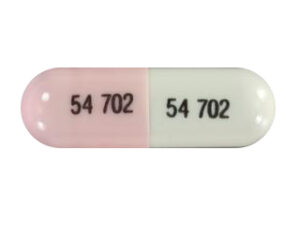
Escitalopram (e.g., Lexapro® and generics) — Patient Information (Australia)
Escitalopram is a prescription medicine used to treat certain mental health conditions such as depression and anxiety disorders. This guide is written to help you understand what escitalopram does, how it works in the body, how it is typically taken, and what to expect. It is intended for general information only and does not replace advice from a healthcare professional.
Basic product information
Escitalopram belongs to the medicine group known as selective serotonin reuptake inhibitors (SSRIs). It is available in different tablet strengths depending on brand and country formulations. In Australia, escitalopram products are available through the usual pharmaceutical supply channels for eligible patients.
| Category | Details |
|---|---|
| Medicine name | Escitalopram |
| Drug class | SSRI (selective serotonin reuptake inhibitor) |
| Common forms | Oral tablets (strengths vary by product) |
| Typical use | Depression, panic disorder, and several anxiety disorders (varies by indication) |
| Onset of effects | Some improvements may occur within days to 2 weeks; full benefit often takes several weeks |
How escitalopram works (mechanism of action)
Escitalopram works primarily by affecting serotonin, a neurotransmitter involved in mood regulation and anxiety. As an SSRI, it blocks the reuptake of serotonin in the brain, which helps increase serotonin levels in the synaptic space. Over time, this can help rebalance signalling pathways linked to mood, worry, and stress responses.
It’s important to know that while serotonin changes occur quickly after starting treatment, the clinical improvement tends to take longer. This is why symptoms may not improve immediately, and why a structured plan and follow-up are important.
Pharmacokinetics (how the medicine moves through the body)
Pharmacokinetics describes how escitalopram is absorbed, distributed, metabolised, and eliminated. While individual variations exist, the general process is as follows:
- Absorption: Escitalopram is absorbed after oral dosing. Peak levels are typically reached within a few hours.
- Distribution: It distributes through body tissues; it is also present in the brain where it can affect neurotransmission.
- Metabolism: It is metabolised mainly in the liver by enzymes (including CYP pathways).
- Elimination: The medicine and its metabolites are removed primarily via the body’s clearance processes.
- Half-life: Escitalopram has a relatively long half-life, supporting once-daily dosing for many patients.
Because liver metabolism and medication interactions can change how quickly escitalopram is processed, your clinician may adjust dose, especially if you take other medicines that affect liver enzymes.
Typical use and indications
Escitalopram is used to treat conditions where SSRIs have proven benefit. Indications can vary by local product approvals and clinical guidelines. Commonly, escitalopram is used for:
- Depressive disorders (including major depression)
- Anxiety-related conditions, depending on approved use (for example, panic disorder and other anxiety disorders)
Your healthcare professional will choose the most appropriate treatment based on your symptoms, medical history, past response to antidepressants, and other medications you take.
When to expect results (timing)
Starting an SSRI can feel frustrating because improvement may not be immediate. A helpful “timeline” many people experience:
- First few days: Some people notice sleep, appetite, or tension changes. Others feel little difference.
- 1–2 weeks: Some symptoms (such as anxiety or early mood symptoms) may begin to shift.
- 3–6 weeks: A clearer pattern of benefit is often seen.
- Ongoing treatment: In many cases, continued use helps prevent relapse and supports recovery.
If side effects are strong early on, clinicians often monitor closely and may adjust the approach (for example, slower dose titration). Do not stop suddenly without medical guidance—abrupt changes can lead to discontinuation symptoms.
How to take escitalopram (practical dosing overview)
Dosing must be individualised. The following is a general overview of typical SSRI practice used in many settings; your clinician’s instructions and the specific product label should always be followed.
- Once daily: Escitalopram is commonly taken once per day.
- Start low, go slow: Many patients begin at a lower dose, then increase based on tolerance and response.
- Take consistently: Try to take it at the same time each day.
- Missed dose: If you miss a dose, take it when you remember unless it’s close to the next dose. In that case, skip the missed dose. Avoid doubling.
Tablet strengths vary, and so do dosing ranges. Your prescriber will determine the right dose for your condition. If you have questions about your specific schedule, speak with a pharmacist.
Food interactions
Escitalopram can generally be taken with or without food. Food usually does not significantly reduce effectiveness. However, food may influence how comfortable you feel while starting treatment (for example, reducing nausea).
- With meals: Some people prefer taking escitalopram with food to minimise stomach upset.
- Hydration: Staying hydrated can help with early side effects such as dry mouth or headaches.
Alcohol interactions
It’s generally recommended to limit or avoid alcohol while taking escitalopram. Alcohol can worsen depression and anxiety symptoms and may also increase side effects such as:
- drowsiness or dizziness
- reduced concentration
- sleep disruption
- emotional instability in some individuals
If you choose to drink, do so cautiously and be mindful of how your mood and side effects respond. Seek medical advice if alcohol use is frequent or difficult to reduce.
Medicine interactions (including important risks)
Escitalopram can interact with other medicines. Interactions may change escitalopram levels, increase side effect risk, or increase the chance of rare but serious conditions. Always provide a complete list of your medicines and supplements to your pharmacist.
Common interaction categories
- Other antidepressants (SSRIs/SNRIs, MAOIs, and some related agents): Combining certain antidepressants can increase the risk of serotonin-related toxicity.
- Medicines affecting serotonin: Examples include some migraine medicines (triptans) and certain pain/neuromodulating drugs. Combination may raise serotonin syndrome risk.
- Linezolid and methylene blue: These medicines can also affect serotonin pathways and may interact with SSRIs.
- Blood clotting medicines (anticoagulants/antiplatelets): SSRIs may increase bleeding risk, especially when combined with agents that affect coagulation.
- Non-steroidal anti-inflammatory drugs (NSAIDs) and aspirin: The combination may further increase bleeding risk in some people.
- Medications that affect heart rhythm: Escitalopram can, in some situations, affect electrical conduction in the heart. Medicines that also affect heart rhythm may increase risk.
- Liver enzyme interactions: Some medicines can change escitalopram metabolism and thus raise or lower its levels. This can influence side effects or effectiveness.
Serotonin syndrome: seek urgent help
While uncommon, serotonin syndrome is a serious condition. Urgent medical attention is needed if you notice:
- agitation, confusion, or feeling “out of control”
- fever, sweating, or fast heart rate
- muscle stiffness, tremor, or uncontrolled movements
- severe diarrhoea or persistent vomiting
Other caution areas
- Suicidal thoughts and mood changes: As with other antidepressants, mood and behaviour can change early in treatment. Close monitoring is especially important in the first weeks.
- Electrolyte imbalance: Low sodium (hyponatraemia) risk can increase in some situations, such as older age or use of diuretics.
- Withdrawal/discontinuation symptoms: Stopping suddenly can cause dizziness, nausea, sensory disturbances, and “flu-like” feelings. Dose changes should generally be guided by a clinician.
Safety profile (common side effects and what to do)
Like all medicines, escitalopram can cause side effects. Many are mild and improve after the first 1–2 weeks, but some need medical review.
Common side effects
- nausea or stomach upset
- headache
- dry mouth
- sleep changes (sleepiness or insomnia)
- increased sweating
- fatigue or restlessness
- sexual side effects (reduced libido, delayed orgasm, or difficulty achieving orgasm)
Less common but important risks
- Bleeding risk: especially if combined with blood-thinning medicines or NSAIDs.
- Low sodium (hyponatraemia): symptoms may include headache, confusion, weakness, or seizures (urgent).
- Mania/hypomania: symptoms include unusually elevated mood, increased energy, decreased need for sleep, impulsive behaviour.
- Heart rhythm effects: risk may increase with certain heart conditions, low potassium/magnesium, or interacting medicines.
When to seek urgent help
Contact emergency services or seek urgent care if you experience:
- thoughts of harming yourself or others, or severe agitation
- serotonin syndrome symptoms (see above)
- fainting, severe dizziness, chest pain, or rapid irregular heartbeat
- severe allergic reaction (swelling of face/lips, trouble breathing)
Practical use tips (helping you get the best outcome)
- Give it time: Many people need several weeks before full benefit. Plan follow-up so you’re not guessing.
- Track symptoms: Note sleep, anxiety level, mood, and side effects daily or weekly. Bring this to your appointments.
- Manage early side effects: Taking with food, staying hydrated, and maintaining regular sleep can help.
- Be consistent: Take at the same time each day to maintain stable blood levels.
- Don’t stop abruptly: If you’re concerned about side effects, discuss dose adjustments rather than stopping suddenly.
- Look after wellbeing: Therapy, routine exercise, and stress management can complement medication.
Dose adjustments in special situations (general considerations)
Healthcare professionals may adjust escitalopram dosing for factors that affect tolerability or drug handling, such as:
- Older age (increased sensitivity and higher risk of certain side effects)
- Liver impairment (altered metabolism)
- Concurrent medicines that interact with escitalopram
- Existing heart rhythm conditions or risk factors
These adjustments should be guided by a clinician and may include lower starting doses and closer monitoring.
Alternative options (other medicines and non-medicine approaches)
Escitalopram is one SSRI option. Depending on your diagnosis, past experiences, side effect preferences, and medical history, other treatments may be considered.
Other antidepressant/anti-anxiety options (examples)
- Other SSRIs: such as sertraline, fluoxetine, or citalopram (depending on local availability/indication).
- SNRI options: such as venlafaxine or duloxetine in appropriate conditions.
- Other antidepressants: clinicians may consider alternatives when SSRIs are not suitable.
Non-medicine approaches
- Psychological therapies: for example, cognitive behavioural therapy (CBT) and other structured therapies.
- Lifestyle and self-care: sleep routine, regular physical activity, mindfulness, and social support.
If you’re considering switching, timing and tapering strategies matter. Always consult a healthcare professional for changes.
Market and legal context in Australia
In Australia, mental health medicines are regulated under the national medicines framework and dispensing rules. Escitalopram is a commonly prescribed medicine for depression and anxiety-related conditions. Access is generally provided through pharmacy supply processes in line with Australian requirements.
Prescribing and supply involve clinical assessment, documentation, and appropriate patient counselling. Pharmacy teams may also offer advice on side effects, interactions, missed doses, and safe storage.
Recent guidance and monitoring (what to expect)
Guidance for antidepressants commonly emphasises:
- Starting cautiously: especially in the first weeks, with attention to tolerability.
- Monitoring early changes: including mood, anxiety, sleep, and any behavioural changes.
- Managing discontinuation: using gradual tapering when stopping after longer use.
- Safety considerations: review medicines that may interact and assess risk factors for heart rhythm or bleeding.
In practice, this often means regular follow-up appointments and open communication about side effects and symptom progress.
Delivery, availability, and how to receive your medicine
Many Australian online pharmacies offer delivery services where permitted by law and following standard supply requirements. Availability can vary by brand and tablet strength, and generic products may be supplied where appropriate.
- Dispatch times: may vary depending on stock and verification requirements.
- Packaging: medicines are typically shipped in original packaging with patient information.
- Storage: store tablets as directed on the pack (commonly at room temperature, away from moisture and heat).
- Cold chain: escitalopram tablets usually do not require refrigeration unless a specific product states otherwise.
If you have urgent concerns about your supply or timing, contact the pharmacy’s customer support team.
How to store escitalopram
- Keep tablets in their original container.
- Protect from moisture and excessive heat.
- Keep out of reach of children.
- Check expiry dates on the pack.
Frequently Asked Questions (FAQ)
1) How long does it take for escitalopram to work?
Some people notice early changes in sleep or anxiety within 1–2 weeks, but full improvement often takes several weeks (commonly 3–6 weeks). Response varies between individuals and depends on dose and condition.
2) Can I take escitalopram with food?
Yes. It can usually be taken with or without food. If you experience nausea, taking it with a meal may be helpful.
3) What if I miss a dose?
If you miss a dose, take it when you remember unless it is close to the next dose. Skip the missed dose if near the next dose. Do not take two doses at once.
4) Is it safe to drink alcohol?
It’s usually best to avoid or limit alcohol. Alcohol can worsen mood and increase side effects like drowsiness or reduced concentration. If you choose to drink, do so cautiously and consider how you feel.
5) What side effects are common at the start?
Common early side effects include nausea, headache, sleep changes, sweating, and restlessness. These often improve with time, but you should seek advice if side effects are severe or persistent.
6) Will escitalopram affect my sexual function?
Sexual side effects can occur with SSRIs. If this becomes bothersome, discuss it with a healthcare professional—there may be strategies to reduce impact.
7) Can I stop escitalopram suddenly?
It is generally not recommended to stop abruptly. Discontinuation symptoms can occur. If stopping is considered, clinicians typically use a gradual taper.
8) Are there medicine interactions I should know about?
Yes. Important interactions can involve other antidepressants, medicines affecting serotonin, blood thinners/NSAIDs, and medicines that influence heart rhythm or liver metabolism. Provide your full medicine list to your pharmacist or clinician.
9) Who should be extra cautious when taking escitalopram?
Extra caution may be needed for people with certain heart rhythm conditions, liver impairment, a history of bipolar/mania symptoms, increased bleeding risk, or those taking interacting medicines.
10) When should I seek urgent medical help?
Seek urgent help if you experience severe allergic reactions, symptoms suggesting serotonin syndrome, thoughts of self-harm, fainting, chest pain, or severe confusion/weakness.
Summary
Escitalopram is an SSRI widely used for depression and certain anxiety disorders. It helps regulate serotonin signalling, but symptom improvement often takes several weeks. Like all medicines, it can cause side effects and can interact with other drugs—so it’s important to take it consistently, allow time for benefit, and discuss concerns early. If you have questions about your situation or your other medicines, your local Australian pharmacy team can help with safe use and practical advice.