
Seroquel (Quetiapine) — Patient Information (Australia)
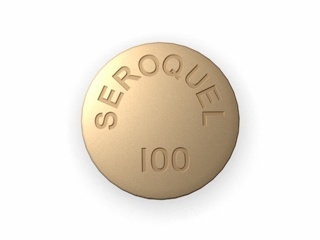
Seroquel is a brand of quetiapine, an antipsychotic medicine used to treat several mental health conditions. This information is designed to help you understand how quetiapine works, how it is taken, and what to expect. It also explains important safety considerations and interactions, including with alcohol and other medicines.
Always follow the instructions provided by your healthcare professional and the medicine label. If you have questions about your specific situation, ask a pharmacist or doctor.
1) Basic product information
- Active ingredient: Quetiapine
- Brand name: Seroquel
- Common forms (may vary by country and stock availability): Immediate-release tablets and/or modified-release formulations (e.g., extended or prolonged release). Availability can depend on the product strength.
- Medicine type: Antipsychotic
- Therapeutic areas: Mental health conditions such as schizophrenia, bipolar disorder, and certain depressive episodes (depending on formulation and clinical indication)
Note: Different quetiapine products (immediate-release vs modified-release) may have different dosing schedules. Using the correct formulation is important.
2) How Seroquel works (mechanism of action)
Quetiapine works mainly by affecting key brain chemical pathways. It is believed to act by blocking certain receptors, including:
- Dopamine receptors (important in conditions like schizophrenia and some bipolar symptoms)
- Serotonin receptors (important for mood and anxiety regulation)
- Histamine (H1) and adrenergic (alpha-1) receptors (can contribute to drowsiness and changes in blood pressure in some people)
This receptor activity may help:
- Reduce hallucinations and delusions
- Improve mood symptoms
- Reduce agitation and disturbed sleep
It’s common for some people to notice improvement within days, but full benefits—especially for mood and psychotic symptoms—may take several weeks.
3) Pharmacokinetics (how the body processes quetiapine)
Understanding pharmacokinetics can help explain why timing and consistency matter. Key points include:
- Absorption: Quetiapine is absorbed from the gastrointestinal tract. Eating can affect how quickly and how much is absorbed depending on the formulation.
- Distribution: It distributes into tissues, including the brain.
- Metabolism: Quetiapine is primarily metabolised in the liver by CYP3A4 enzymes.
- Elimination: Metabolites are eliminated mainly via the kidneys (and to a lesser extent via faeces).
- Half-life: Quetiapine has an elimination half-life that varies by formulation. This contributes to the need for scheduled dosing.
Why this matters: Medicines that strongly affect CYP3A4 (such as some antifungals or certain antibiotics and antivirals) can change quetiapine levels—either increasing side effects or reducing effectiveness.
4) Typical uses and indications (what it may be used for)
Quetiapine is used for a range of conditions. Indications can vary by formulation and the patient’s diagnosis. Common clinical uses include:
- Schizophrenia (symptoms such as hallucinations, delusions, disorganised thinking)
- Bipolar disorder
- Mania (episodes of elevated or irritable mood with increased energy)
- Depression associated with bipolar disorder (for some patients; the exact use depends on product and local guidance)
- Maintenance treatment to help reduce relapse in bipolar disorder in selected patients
- Depressive episodes in certain circumstances (for example, when quetiapine is used as an adjunct to antidepressant therapy or as monotherapy for specific indications, depending on local prescribing and product approvals)
Important: The correct use depends on your diagnosis, risk factors, and the formulation prescribed.
5) When to take Seroquel (timing and consistency)
How you take Seroquel depends on the specific formulation (immediate-release vs modified-release). General guidance includes:
- Take at the times prescribed to keep blood levels stable.
- Try to take it the same way each day (for example, at the same times and with/without meals as directed).
- If it makes you drowsy, taking it in the evening may be recommended. Do not change your schedule without advice.
- Follow step-by-step dose increases if you are starting treatment or restarting after a break. Dose changes should be gradual.
Tip: If you miss a dose, follow the instructions from your pharmacist or the product information for missed doses. Avoid doubling up unless instructed.
6) Food interactions and eating guidance
Food can affect absorption, particularly with modified-release products. While individual instructions vary by formulation, typical practical advice is:
- Follow the label instructions about taking with or without food.
- If your medicine instructions say take with food, try to do so consistently.
- If instructions indicate take without food, avoid changing meals/dosing timing frequently.
Practical example: If you take a dose at night, keep it consistent with regards to dinner or bedtime snacks to minimise variation.
7) Alcohol and medicine interactions
Alcohol
Alcohol can increase the risk of:
- Drowsiness and sedation
- Dizziness and falls
- Impaired judgment and slowed reaction time
Recommendation: It’s generally best to avoid or severely limit alcohol while taking quetiapine. If you drink alcohol, discuss safe amounts with your pharmacist or doctor.
Medicines that may interact
Because quetiapine is metabolised mainly by CYP3A4, medicines that affect this enzyme can change quetiapine levels.
Tell your pharmacist or doctor if you take:
- Strong CYP3A4 inhibitors (can raise quetiapine levels and side effects), such as some:
- Antifungals (e.g., certain azole antifungals)
- Macrolide antibiotics (e.g., some “-mycin” antibiotics)
- Some antivirals
- Strong CYP3A4 inducers (may reduce quetiapine effect), such as certain:
- Antiseizure medicines
- Rifamycin antibiotics
- Herbal products like St John’s wort
- Other medicines that cause drowsiness (increased sedation risk), such as:
- Benzodiazepines
- Opioid pain medicines
- Some antihistamines and sleep medicines
- Medicines that affect heart rhythm or electrolytes (important for safety in some patients)
- Blood pressure medicines (may add to low blood pressure or dizziness)
Smoking note: Tobacco smoking can affect metabolism for some drugs. Discuss smoking status with your pharmacist/doctor, especially for dose stability.
Do not start or stop medicines (including herbal products and over-the-counter products) without checking first.
8) Dosing overview (general principles)
Dosing of quetiapine is individual and depends on the diagnosis, your age, other medical conditions, and how you respond. Doses also differ between formulations (immediate-release vs modified-release).
Key dosing principles:
- Start low and titrate slowly to reduce side effects like dizziness and sleepiness.
- Follow the schedule exactly, especially during the first few weeks.
- Do not crush or split tablets unless the specific product instructions allow it (modified-release products may not be designed for splitting).
- Restart carefully: if you miss treatment for more than a short period, you may need to restart at a lower dose—ask your pharmacist or doctor.
Typical dose ranges (for general education only): Actual doses vary widely by indication and product form. Your prescriber will tailor your dose. For example, schizophrenia or bipolar disorder treatment can involve gradual dose increases up to specific target ranges.
| Condition (examples) | General approach | Important note |
|---|---|---|
| Schizophrenia | Gradual titration to a maintenance dose | Response varies; do not adjust without medical advice |
| Bipolar mania | Titration based on symptom control and tolerability | Monitor for sedation, blood pressure changes |
| Bipolar depression | Titration to the effective range for depressive symptoms | Improvement may take weeks |
| Maintenance therapy in bipolar disorder | Lower maintenance dose may be used after stabilisation | Continue as advised to reduce relapse |
If you want, you can check the product strength (e.g., mg per tablet) on the packaging and compare it with the dosing schedule given to you.
9) Safety profile and what to watch for
Like all medicines, quetiapine can cause side effects. Many people experience mild effects that improve over time, while others may need treatment adjustments.
Common side effects
- Drowsiness or sedation
- Dizziness (especially when standing up quickly)
- Dry mouth
- Constipation
- Weight gain or increased appetite
- Changes in blood sugar (may be more noticeable in people at higher risk of diabetes)
- Changes in blood fats (cholesterol/triglycerides)
Less common but important risks
- Low blood pressure (orthostatic hypotension), particularly at the start or when doses change
- Heart rhythm changes (in some people, especially with existing heart conditions or interacting medicines)
- Neuroleptic malignant syndrome (NMS) — rare but serious; seek urgent care if symptoms such as high fever, severe stiffness, confusion occur
- Tardive dyskinesia — involuntary movements that may appear with longer-term use (discuss if you notice unusual movements)
- Falls due to dizziness or sedation
- Blood count changes (rare; doctors may monitor if needed)
When to seek urgent medical help
Contact emergency services immediately or go to an emergency department if you experience:
- Severe allergic symptoms (swelling of face/lips, difficulty breathing)
- Fainting, severe dizziness, or chest pain
- Signs of serious infection with high fever and confusion
- Seizures
- Uncontrolled muscle stiffness or very high fever
- Thoughts of harming yourself or others (urgent crisis support may be needed)
Monitoring that may be recommended
Depending on your risk factors and duration of treatment, your healthcare team may monitor:
- Weight and waist circumference
- Blood pressure
- Blood glucose and/or HbA1c
- Lipid profile (cholesterol and triglycerides)
- Full blood count if clinically indicated
- Electrocardiogram (ECG) in selected patients (for example, those at higher risk for QT changes)
10) Practical use tips (for day-to-day success)
- Be cautious with driving and machinery until you know how quetiapine affects you. Drowsiness is common, especially early in treatment.
- Stand up slowly to reduce dizziness or faintness. Rise gradually from sitting or lying positions.
- Stay hydrated and maintain regular bowel habits (constipation can occur).
- Use consistent bedtime routines if sedation is an effect you notice—this may help with sleep.
- Keep an eye on appetite and weight. If weight gain occurs, discuss strategies (diet, activity, monitoring) with your doctor.
- Don’t stop suddenly without medical advice. Quetiapine should be reduced gradually if discontinuation is planned.
- Use reminders (phone alarms or pill boxes) to help you take doses on time.
- Report unusual symptoms early, such as marked restlessness, new involuntary movements, severe fatigue, or fainting.
11) Alternative options (if Seroquel isn’t suitable)
If Seroquel (quetiapine) does not suit you—due to side effects, lack of response, or interactions—there are other treatment options. Alternatives may include:
- Other antipsychotic medicines (different active ingredients), depending on the condition being treated
- Other mood-stabilising strategies for bipolar disorder
- Psychological therapies alongside medication (e.g., CBT for depression or other evidence-based approaches)
- Different antidepressant or adjunct options if quetiapine is being used for depressive symptoms in specific scenarios
Your healthcare team can explain the best alternative based on your diagnosis, medical history, and previous responses to medicines.
12) Market and legal context for Australia
In Australia, quetiapine products such as Seroquel are regulated medicine options available through the healthcare system. Availability is managed under Australian laws and pharmacy practice requirements to support safe use.
Key points for Australia:
- Quetiapine is dispensed through licensed pharmacies according to Australian medicine scheduling and prescribing processes.
- Pharmacists may provide counselling about interactions, side effects, and how to take the medicine safely.
- For ongoing mental health treatment, repeat supplies are often coordinated through your healthcare providers and pharmacy.
Important note: Australian guidelines may evolve. It’s normal for prescribers and pharmacists to review dosing, monitoring, and safety recommendations over time.
13) Recent guidance and safety updates (general context)
While local guidance can vary and changes may occur, general safety themes in mental health pharmacotherapy commonly include:
- Monitoring metabolic health (weight, glucose, lipids), especially for medicines with higher metabolic risk
- Attention to sedation and falls, particularly in older adults or those starting or increasing dose
- Careful consideration of drug interactions (CYP3A4 inhibitors/inducers; additive sedation)
- Cardiovascular safety, including assessment for risk factors related to heart rhythm
Your pharmacist can help you understand what checks and monitoring are relevant to your personal risk profile.
14) Delivery and availability (online pharmacy experience)
Availability of Seroquel and the specific strength/formulation may depend on stock levels and the distribution chain. Many online pharmacies in Australia can:
- Help you confirm the correct strength and formulation (immediate-release vs modified-release)
- Coordinate safe packaging and shipping for medicines
- Provide delivery estimates and tracking (where offered)
What to expect:
- Packaging: Medicines are usually supplied in original packaging with clear dosing information.
- Cold-chain: Quetiapine tablets typically do not require refrigeration.
- Delivery times: Vary by location and service provider; confirm during checkout.
If you have urgent needs, ask your pharmacy about alternative options (e.g., different strengths) that may be available sooner.
15) Seroquel FAQ (Frequently Asked Questions)
Is Seroquel the same as quetiapine?
Yes. Seroquel is a brand name for quetiapine, the active ingredient.
How quickly will I feel better?
Some people notice changes within the first days, especially in sleep or agitation. However, mood and psychotic symptom improvement often takes several weeks. If you don’t feel improvement, don’t stop suddenly—speak to your prescriber about whether adjustments are needed.
Can I take Seroquel with food?
It depends on the formulation. Some instructions recommend taking with food to support absorption or reduce side effects. Always follow your product label and pharmacist’s advice.
Will Seroquel make me sleepy?
Drowsiness and sedation are common. Many people take it in the evening, but your dosing times should match your prescribed plan. Avoid driving or operating machinery until you know how it affects you.
Can I drink alcohol while taking Seroquel?
Alcohol may increase sedation, dizziness, and risk of falls. It’s generally recommended to avoid or limit alcohol and discuss your situation with a pharmacist.
What medicines should I avoid?
Avoid or carefully check interactions with medicines that increase sedation, affect heart rhythm, or strongly influence CYP3A4 metabolism. Examples include certain antibiotics/antifungals, antivirals, and herbal products like St John’s wort. Always check with a pharmacist.
What if I miss a dose?
Missed dose instructions depend on your dosing schedule and product type. Consult your pharmacist or product information. In general, avoid double dosing unless instructed.
Can I stop Seroquel suddenly?
Do not stop without medical advice. Stopping suddenly can lead to withdrawal-like symptoms or worsening of symptoms. Dose reductions are typically gradual.
Will Seroquel cause weight gain?
Weight gain can occur in some people. Monitoring weight and metabolic health helps catch changes early. Lifestyle measures may help, and your healthcare team can discuss strategies if weight increases.
Does Seroquel affect blood sugar or cholesterol?
Quetiapine can be associated with changes in blood glucose and lipids in some individuals. Your healthcare professional may recommend baseline and follow-up monitoring depending on your risk factors.
Who should take extra care when using quetiapine?
Extra caution may be needed for people with heart rhythm issues, low blood pressure, diabetes or prediabetes, liver problems, older adults, and those taking multiple medicines with interaction potential.
16) Summary
Seroquel (quetiapine) is an antipsychotic medicine used in Australia for conditions such as schizophrenia and bipolar disorder, including mood and depressive symptoms in selected patients. It works by influencing dopamine and serotonin pathways, with effects that can also cause drowsiness and changes in blood pressure for some people.
Safe and effective use depends on:
- Using the correct formulation and taking it at the prescribed times
- Being consistent with food-related instructions
- Checking drug interactions, especially medicines affecting CYP3A4 and those that increase sedation
- Monitoring important health parameters such as weight, blood sugar, and lipids when recommended
- Seeking medical help urgently for serious symptoms
If you’d like, you can share the exact quetiapine strength and whether your tablets are immediate-release or modified-release (as shown on the packaging), and I can help you interpret general timing and practical considerations for that specific type.