Bupron SR (Bupropion) — Patient Guide (Australia)
Bupron SR (bupropion) is a medicine used to treat certain mental health conditions and, in some cases, to support smoking cessation. This page explains how Bupron SR works, how it’s taken, typical timing, food and alcohol considerations, safety information, and what to discuss with a healthcare professional.
Note: Medicines can affect people differently. Always follow the directions provided for your specific product and your healthcare plan.
1. Basic product information
| Item | Information |
|---|---|
| Medicine name | Bupron SR (bupropion) |
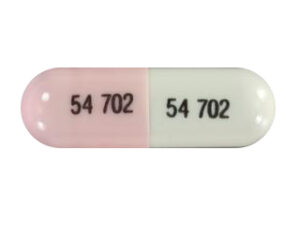
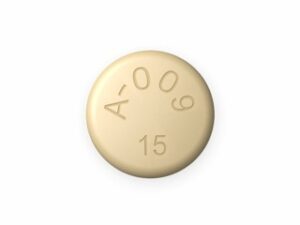
| Strength | Available in common Australian strengths; check your pack label for exact dose (e.g., 150 mg or 200 mg SR in many markets). |
| Formulation | SR = Sustained Release (extended effect over the day) |
| How it’s taken | Oral (by mouth) |
| Typical dosing schedule | Usually once daily or divided dosing depending on the regimen |
| Common uses | Depression; smoking cessation support (where indicated) |
What is SR? Sustained Release medicines slowly release medication into your system over time, helping reduce peaks and troughs in drug levels. This can improve tolerability for some people and supports once- or twice-daily dosing (depending on the regimen).
2. What Bupron SR is used for (indications)
Bupron SR is used for:
- Depression (major depressive disorder) — to help improve mood, energy, and interest in daily activities.
- Smoking cessation support — to help people stop smoking or reduce smoking when used as part of a structured plan.
Whether Bupron SR is suitable depends on your symptoms, medical history, and other medicines you take.
3. How it works: mechanism of action
Bupropion is an antidepressant and smoking-cessation aid. While its exact mechanism is complex, it primarily affects brain chemical signalling related to:
- Norepinephrine (noradrenaline)
- Dopamine
In practical terms, bupropion is believed to:
- Inhibit reuptake of norepinephrine and dopamine (helping them remain available in the synapse)
- Act as a nicotinic receptor antagonist, which may reduce cravings and withdrawal symptoms during smoking cessation
Why this matters: Many people notice improvements gradually rather than immediately. It’s common to feel some benefit earlier for sleep/energy, but mood improvement often takes longer.
4. Pharmacokinetics (how the body handles it)
Pharmacokinetics describes what happens after you take Bupron SR: absorption, distribution, metabolism, and elimination.
- Absorption: Being an SR product, bupropion is absorbed gradually to maintain steadier levels.
- Peak concentration: SR formulations typically produce a later peak compared with immediate-release forms.
- Metabolism: Bupropion is metabolised in the liver, producing active metabolites.
- Active metabolites: Metabolites contribute to overall effect.
- Elimination: The drug and its metabolites are removed mainly via the kidneys and through normal metabolic clearance.
- Steady state: Drug levels build up over several days of consistent dosing, which influences when full effects may be felt.
Clinical takeaway: Taking it consistently at the same time(s) each day helps maintain stable drug levels. Do not adjust the dose without professional guidance.
5. When it starts working (timing and expectations)
For depression:
- Some people notice changes in sleep, energy, or agitation within the first 1–2 weeks.
- More noticeable improvement in mood and motivation often takes several weeks.
- If there is little or no improvement after an adequate trial, your clinician may review the treatment plan.
For smoking cessation support:
- Cravings can be most intense in the first days to weeks after quitting.
- Your plan may involve a set quit date and behavioural strategies. Bupron SR is typically used alongside these supports.
Practical timing tip: If you take Bupron SR once daily, choose a time that avoids sleep disruption (commonly morning). If prescribed twice daily, spacing doses evenly can help.
6. Food interactions
General guidance: Bupron SR can usually be taken with or without food. Food may slightly affect absorption rate, but it’s generally not a major issue for most people.
- If the medicine upsets your stomach, consider taking it with food.
- Try to take it consistently the same way each day (with or without food).
Important: Follow the instructions on the label and the advice from your healthcare professional.
7. Alcohol interactions and medicine interactions
Alcohol
Combining bupropion with alcohol can increase the risk of adverse effects, including:
- Seizure risk (bupropion has a known dose-related seizure risk)
- Increased dizziness, drowsiness, or impaired coordination
- Worsened mood or sleep
Practical approach:
- It’s best to limit alcohol or avoid it, especially when you’re starting treatment or when your dose is changed.
- If you drink regularly or have a history of heavy alcohol use, discuss this promptly with a healthcare professional.
Medicines that may interact
Bupropion can interact with other medicines in ways that affect effectiveness and safety. Key interaction examples include:
- Other medicines that lower seizure threshold (e.g., some antidepressants, antipsychotics, stimulants, and certain antibiotics). Risk can increase when combined.
- Medicines affecting liver enzymes (including those that influence CYP pathways). This can alter bupropion levels.
- Nicotine replacement therapy (patches/gums/lozenges) for smoking cessation may be combined in some cases, but dosing should be planned to minimise side effects.
- Other antidepressants or serotonergic agents: although bupropion itself has different neurotransmitter action, combinations should be assessed for overall risk and side effects.
Always tell your pharmacist or doctor about all medicines you take, including over-the-counter products, vitamins, herbal supplements, and any substance use.
8. Dosing: typical adult regimens and how to take Bupron SR
Important: Actual dosing depends on your diagnosis, previous treatment history, tolerance, and risk factors. Use the dose on your prescription label.
General dosing principles for SR products
- Start low and increase slowly where appropriate to reduce side effects.
- Do not exceed the recommended daily dose for your product and regimen.
- Swallow tablets whole. Do not crush, chew, or split SR tablets, as this can change how the medicine is released and may increase side effects.
- Take it at consistent times each day.
Typical timing (examples)
- Once daily regimen: commonly taken in the morning to reduce the chance of insomnia.
- Twice daily regimen: doses are spaced to maintain coverage while minimising sleep disruption.
Missed dose
- If you miss a dose, take it when you remember unless it’s close to the next scheduled dose.
- Do not double up to make up for missed doses.
Stopping or changing
Do not stop abruptly unless instructed by a clinician. Many antidepressant-type medicines are adjusted gradually to reduce the chance of discontinuation symptoms and to ensure mental health remains stable.
9. Safety profile: common and serious side effects
Like all medicines, Bupron SR can cause side effects. Many are mild and improve over time.
Common side effects
- Nausea or stomach discomfort
- Dry mouth
- Headache
- Constipation
- Insomnia or sleep disturbance
- Increased sweating
- Dizziness
- Jitteriness or tremor (more likely at higher doses)
Serious or urgent side effects (seek help promptly)
Get medical help urgently if you experience:
- Seizure
- Allergic reaction (e.g., swelling of face/lips, hives, severe rash, difficulty breathing)
- Severe mood changes, agitation, confusion, or unusual behaviour
- Signs of worsening depression or thoughts of self-harm
- Uncontrolled high blood pressure symptoms (e.g., severe headache, chest pain, shortness of breath)
Key safety considerations
- Seizure risk: Bupropion has a dose-related seizure risk. Risk can be higher with overdose, certain medical conditions, or other medicines that lower the seizure threshold.
- Mania/hypomania: People with bipolar disorder may be at risk of mood switching. Tell your clinician if you have a history of mania or bipolar disorder.
- Weight/appetite changes: Some people experience appetite or weight changes.
- Driving and operating machinery: If you feel dizzy or drowsy, avoid hazardous activities until you know how you respond.
10. Practical use tips (patient-friendly)
- Take it consistently: Choose a routine (e.g., morning with breakfast) and stick to it.
- Manage sleep: If Bupron SR affects sleep, let your healthcare professional know. Often, timing (morning dosing) helps.
- Stay hydrated and eat regularly: This may reduce headache or nausea.
- Avoid sudden changes: Don’t change dose or stop without guidance.
- Track your progress: Note sleep, appetite, mood, and smoking triggers. This can help you and your clinician judge effectiveness.
- Use behavioural support for quitting smoking: Counselling, quit-line support, and coping strategies increase success rates.
When to contact your clinician or pharmacist:
- If side effects are troublesome or persistent
- If your mood worsens or anxiety increases significantly
- If you’re planning to start new medicines (including antibiotics or herbal products)
11. Alternative options (what else may be used)
Your best alternative depends on the condition being treated and your personal medical history. For depression, other medication classes may include:
- Selective serotonin reuptake inhibitors (SSRIs) (e.g., sertraline, fluoxetine)
- Serotonin-norepinephrine reuptake inhibitors (SNRIs) (e.g., venlafaxine, duloxetine)
- Mirtazapine
- Tricyclic antidepressants (used in certain cases)
For smoking cessation, alternatives may include:
- Nicotine replacement therapy (patch, gum, lozenge, inhaler)
- Varenicline (where appropriate)
- Counselling and behavioural programs
Non-medicine supports can also be valuable for depression and quitting smoking, including psychotherapy, CBT strategies, and lifestyle changes.
12. Market and legal context in Australia (overview)
In Australia, medicines are regulated by the Therapeutic Goods Administration (TGA) under Australian law. Bupron SR is an authorised medicine and must be supplied according to local requirements.
Availability in an online pharmacy can depend on the current product listing, stock levels, and the pharmacy’s compliance requirements.
What you can expect when ordering online:
- Clear product details and pack information
- Secure verification processes as required by Australian regulations
- Options for delivery timelines and tracking
If you’re unsure whether Bupron SR is suitable or available for your situation, contact the pharmacy or consult a healthcare professional.
13. Recent guidance (how recommendations evolve)
Clinical guidance for depression and smoking cessation can update over time based on new evidence and safety monitoring. In Australia, recommendations are commonly aligned with evidence-based guidelines from specialist bodies and clinical practice updates.
Practical points that typically remain consistent across updates include:
- Regular review of response and side effects after starting or changing dose
- Careful assessment of risk factors for seizures and mood switching
- Supportive behavioural therapy alongside smoking cessation medications
Tip: If you’ve started Bupron SR recently, consider scheduling a follow-up review so your clinician can assess benefit and tolerability.
14. Delivery and availability
Online pharmacies generally offer:
- Home delivery (with tracking where available)
- Multiple delivery time options depending on your location
- Secure packaging to protect tablets
Availability may vary: stock levels can change due to supply chains and distributor availability. If Bupron SR isn’t immediately available, some pharmacies may offer alternative strengths or directions for restocking (subject to compliance rules).
Storage at home:
- Store at room temperature (unless your label specifies otherwise)
- Keep in the original packaging
- Keep out of reach of children
- Check expiry date before use
15. FAQ (Frequently asked questions)
Is Bupron SR the same as bupropion?
Yes. Bupron SR contains bupropion in a sustained-release formulation (SR). Always check the SR label and tablet strength to ensure you’re taking the correct product.
How long does it take to feel better?
For depression, some people notice early changes within 1–2 weeks, but full benefits often take several weeks. Effectiveness is individual and may require dose adjustments under professional guidance.
Can I take Bupron SR with food?
Usually yes. If it upsets your stomach, taking it with food may help. Maintain a consistent routine.
Will Bupron SR help with smoking cravings immediately?
Cravings can be strongest early on, but Bupron SR is designed to support the quitting process. Success typically improves when you combine the medicine with a structured quit plan and coping strategies.
What should I do if I drink alcohol while taking Bupron SR?
It’s generally best to limit alcohol or avoid it, particularly when starting treatment or changing doses. Alcohol can increase side effects and may increase seizure risk.
Can I drive or operate machinery?
If Bupron SR makes you dizzy, drowsy, or causes blurred concentration, avoid driving and machinery until you feel steady. If side effects occur, discuss them with a healthcare professional.
What if I miss a dose?
Take it when you remember unless it’s close to the next dose. Don’t double up.
Do I need to stop suddenly if I feel unwell?
Do not stop abruptly without advice. If you experience serious symptoms (such as seizure, severe allergic reaction, or marked mood deterioration), seek urgent medical help. For routine side effects, contact your pharmacist or clinician for guidance.
Are there alternatives if I can’t tolerate Bupron SR?
Yes. There are other medication options for depression and other smoking cessation treatments. Your clinician can help choose alternatives based on your symptoms, side effect profile, and medical history.
Who should be extra careful when taking bupropion?
Special caution may be needed for people with seizure disorders, eating disorders, significant head injury history, heavy alcohol use with withdrawal risk, certain medical conditions, or those taking medicines that can lower seizure threshold or interact with bupropion metabolism.
Need more help? If you have questions about whether Bupron SR is appropriate, how to take it safely, or possible interactions with your current medicines, speak with a healthcare professional or pharmacist. They can provide guidance tailored to your health and treatment goals.