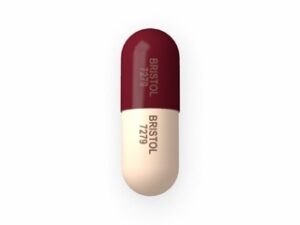


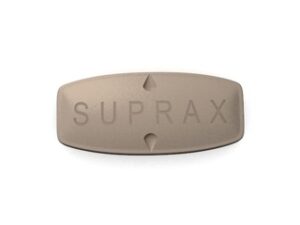
Bactrim (Trimethoprim) – Patient Information (Australia)
Bactrim is an antibiotic medicine used to treat certain bacterial infections. In Australia, Bactrim is commonly supplied as Bactrim (a combination of sulfamethoxazole and trimethoprim). This page provides patient-friendly information about how the medicine works, when it’s used, how to take it safely, and what to watch for.
Important: Always follow the instructions supplied with your medicine and by your healthcare professional. Antibiotics are for bacterial infections only and should not be used for viral illnesses such as colds or flu.
Quick Facts
- Active ingredients: Trimethoprim (in combination with sulfamethoxazole for Bactrim products)
- Medicine type: Antibiotic (trimethoprim–sulfamethoxazole combination)
- Common uses: Certain urinary tract infections (UTIs), some skin/soft tissue infections, and other specific bacterial infections
- How it works: Blocks folate production in bacteria
- Typical form: Tablet (and in some cases suspension, depending on brand and availability)
- When to take: Usually once or twice daily depending on the regimen
- Key cautions: Allergy risk, possible serious skin reactions, blood count changes, kidney/liver issues, interactions with other medicines
Basic Product Information
| Category | Information |
|---|---|
| Brand name | Bactrim (trimethoprim-based antibiotic; commonly combined with sulfamethoxazole) |
| Generic name(s) | Trimethoprim (usually as trimethoprim–sulfamethoxazole combination with sulfamethoxazole) |
| Drug class | Antibiotic: dihydrofolate pathway inhibitor (trimethoprim + sulfonamide) |
| Storage | Store below 25°C (unless label states otherwise). Keep in original packaging. Keep out of reach of children. |
| Missed dose | Take when remembered if close to the next dose. Don’t double doses. |
How Bactrim Works (Mechanism of Action)
Bactrim works by stopping bacteria from making folate, a substance they need to grow and multiply. It does this by blocking two steps in the folate pathway:
- Sulfamethoxazole inhibits dihydropteroate synthase
- Trimethoprim inhibits dihydrofolate reductase
Together, the combination creates a synergistic effect, leading to improved antibacterial activity against susceptible organisms.
Pharmacokinetics (What the Body Does to the Medicine)
Absorption
After oral dosing, the medicine is absorbed from the gastrointestinal tract. Absorption is generally adequate with tablets and may be improved by taking with food if the medicine causes stomach upset.
Distribution
Trimethoprim and sulfamethoxazole distribute throughout the body, including into many tissues and body fluids. This contributes to its usefulness for certain infections.
Metabolism
The body metabolises components of the medicine, including conversion to inactive or less active metabolites.
Elimination
The medicine is eliminated mainly through the kidneys. Because kidney function plays an important role in removal, people with reduced kidney function may need dose adjustments and closer monitoring.
Typical Use and Timing
What it’s commonly used for
Bactrim is used for specific bacterial infections where the bacteria are likely to be susceptible. Depending on local guidelines and the infection type, it may be prescribed for:
- Urinary tract infections (UTIs) (certain cases)
- Skin and soft tissue infections (some types)
- Some respiratory tract infections (in selected situations)
- Other infections as determined by your clinician and local antibiotic guidance
How long you take it
Course length depends on the diagnosis, severity, and response to treatment. It’s essential to complete the full course even if you feel better before it finishes.
Timing tips
- If taking once daily, choose a consistent time each day.
- If taking twice daily, aim for roughly 12 hours apart.
- Take with a full glass of water, especially if you’re prone to stomach irritation.
Food Interactions
Bactrim can generally be taken with or without food. Taking it with food may reduce the chance of nausea or stomach upset.
There are no common “avoid entirely” food rules for Bactrim. However, some general points can help:
- Stay hydrated during treatment, especially if you are being treated for a urinary infection.
- If you notice reflux or nausea, try taking it after a meal.
- If you’re on special diets due to other conditions (e.g., kidney disease), follow your clinician’s advice.
Alcohol and Medicine Interactions
Occasional small amounts of alcohol may not cause major direct interactions for everyone, but alcohol can worsen side effects such as:
- nausea or stomach upset
- dizziness or fatigue
- dehydration (important for urinary infections)
For the safest approach, it’s best to limit alcohol while you’re taking antibiotics, particularly if you’re unwell, have liver issues, or experience side effects.
Also, avoid “mixing” Bactrim with alcohol and other medications without checking interactions—see the section below for medicine compatibility.
Medicine Interactions (Including Common Examples)
Some medicines may interact with Bactrim by increasing or decreasing effectiveness, or by increasing the risk of side effects. Always check your current medicines (including over-the-counter products, vitamins, and herbal products) with a pharmacist.
Common interaction categories
- Warfarin and other blood thinners: Bactrim may increase bleeding risk by affecting clotting balance.
- Other medicines that affect potassium: Bactrim may increase potassium levels in some people.
- Some medicines for diabetes: Interaction risk includes changes in blood sugar control.
- Phenytoin: Levels may be affected, increasing risk of side effects.
- Methotrexate (and folate-related medicines): Increased toxicity risk may occur due to folate pathway effects.
- Kidney-affecting drugs (certain diuretics or other medicines): Reduced clearance may increase risk of adverse effects in some individuals.
Herbal and supplement considerations
Supplements can also affect safety. For example, products that influence immunity, blood counts, or kidney function should be discussed with a healthcare professional.
Tell your pharmacist about all medications you take so they can screen for interactions.
Indications (When Bactrim May Be Used)
The exact use of Bactrim depends on local susceptibility patterns, the specific bacteria involved, and your clinical situation. It may be used for:
- Susceptible UTIs caused by bacteria that respond to trimethoprim–sulfamethoxazole
- Some skin and soft tissue infections where susceptible bacteria are likely
- Selected infections where the benefits outweigh risks and alternatives are less suitable
- Occasionally prophylaxis in selected cases under specialist guidance
Antibiotic selection is guided by clinical assessment and antibiotic stewardship to reduce resistance. Taking Bactrim when it’s not needed can increase the chance of treatment failure and antibiotic resistance.
Dosing (General Guidance)
Dosing depends on the infection being treated, your age, kidney function, and other health factors. The information below is general educational guidance only; your healthcare professional will determine your specific dose and duration.
Common dosing patterns in adults
- Twice-daily regimens are common for many infections.
- Once-daily regimens may be used in some situations, depending on the product and indication.
Kidney and liver considerations
If you have impaired kidney function, your dose may need adjustment. Kidney disease increases the risk of side effects because the medicine is cleared by the kidneys.
How to take your dose
- Swallow tablets with water.
- Try to take doses at the same times each day.
- Don’t stop early unless your clinician tells you to.
Missed dose
- Take the missed dose as soon as you remember.
- If it’s almost time for your next dose, skip the missed dose.
- Do not double your dose.
Safety Profile (Important Warnings)
Common side effects
Many people tolerate Bactrim well, but side effects can occur. Possible common effects include:
- nausea
- loss of appetite
- stomach discomfort
- headache
- mild rash
Serious side effects – seek urgent medical help
Stop the medicine and seek urgent medical advice if you develop signs of serious allergy or severe reactions, such as:
- Signs of an allergic reaction: swelling of the face/lips, wheezing, severe difficulty breathing
- Severe skin reactions (rare): widespread rash, blistering, peeling skin, or rash with fever
- Severe or persistent diarrhoea, especially with blood or fever
- Yellowing of the skin/eyes (jaundice) or dark urine
- Unexplained bruising or bleeding, or extreme tiredness (possible blood count changes)
- Symptoms of kidney problems: reduced urine, significant swelling, or severe flank pain
Who needs extra caution
- People with a history of sulfonamide or trimethoprim allergy
- People with kidney disease
- People with blood disorders or history of abnormal blood counts
- Older adults, as side effects may occur more easily
- People taking interacting medicines (e.g., warfarin, methotrexate)
- Pregnancy and breastfeeding: discuss risks and suitability with a clinician
Hydration and rash prevention
Staying well hydrated can reduce the chance of complications related to crystallisation in urine. If you develop any rash, particularly one that’s spreading or associated with fever or mouth sores, seek medical attention promptly.
Practical Use Tips
- Confirm the medicine you have is the right formulation and strength for your treatment plan.
- Take with water and consider taking after meals if your stomach feels upset.
- Complete the full course to reduce the risk of relapse and resistance.
- Monitor your symptoms: some improvement is expected within 48–72 hours for many bacterial infections; if you worsen or don’t improve, contact a healthcare professional.
- Consider probiotics? Some people choose to take probiotics to support gut comfort during antibiotics. Evidence varies, and you should separate probiotic dosing by a few hours from your antibiotic if you choose to use one.
- Don’t share antibiotics. Different people and infections need different treatment.
Alternative Options
Alternatives depend on the infection type, suspected or confirmed bacteria, severity, allergies, and kidney function. Possible alternatives (examples only) may include:
- Other antibiotic classes used for UTIs or skin infections based on local guidelines
- Topical or local treatments for certain skin conditions (where appropriate)
- Culture-directed therapy if tests identify resistant organisms
If Bactrim doesn’t work or you can’t take it due to side effects or allergy, your clinician may recommend an alternative and, in some cases, order a test to guide treatment.
Market and Legal Context for Australia
In Australia, antibiotic access and supply are regulated to support safe and effective use and to help limit antimicrobial resistance. Antibiotics are supplied through appropriate channels and are subject to healthcare oversight depending on the product and patient circumstances.
Online pharmacies operating in Australia typically require verification steps and appropriate clinician/pharmacist involvement where needed. Always ensure the product you buy is sourced through legitimate channels, is within expiry, and comes with correct labelling and patient information.
Recent Guidance and Antibiotic Stewardship
Antibiotic recommendations evolve as resistance patterns change. In Australia, healthcare professionals use evidence-based guidance and antimicrobial stewardship principles to:
- choose the narrowest effective antibiotic
- limit use of antibiotics when they aren’t indicated
- encourage appropriate duration (not too short, not longer than needed)
- support follow-up if symptoms don’t improve
If your symptoms persist or worsen after starting treatment, don’t simply continue the antibiotic without reassessment—seek advice so your therapy can be adjusted.
Delivery and Availability (Australia)
Availability of Bactrim can vary depending on stock levels, formulation, and strength. Many online pharmacies in Australia offer delivery to metropolitan and regional areas, with delivery times depending on the courier service and your location.
- Check stock status on the product page.
- Delivery timeframes are usually shown at checkout or in confirmation emails.
- Packaging should arrive sealed and labelled with expiry details.
- Cold-chain is generally not required for tablet formulations (unless the product label specifies otherwise).
If you need urgent treatment, consider contacting a pharmacy directly to confirm dispatch timing and stock availability.
FAQ – Bactrim (Trimethoprim) in Australia
1) What is Bactrim used for?
Bactrim is used to treat certain bacterial infections, most commonly some UTIs and specific skin/soft tissue infections, depending on local guidelines and bacterial susceptibility.
2) Is Bactrim the same as trimethoprim?
Bactrim is a combination antibiotic. It contains trimethoprim (and is commonly supplied with sulfamethoxazole). “Trimethoprim” may be used informally to describe the component, but the Bactrim product is a combination formulation.
3) How long does it take to start working?
Many people begin to notice improvement within 48–72 hours. If you don’t improve (or you worsen), seek medical advice promptly.
4) Can I take Bactrim with food?
Yes. You can take it with or without food. Taking it with a meal may help reduce nausea or stomach upset.
5) Can I drink alcohol while taking Bactrim?
It’s safest to limit alcohol while you’re unwell or taking antibiotics. Alcohol can worsen side effects like nausea, dizziness, and dehydration.
6) What if I miss a dose?
Take it when you remember unless it’s almost time for the next dose. Don’t double up to make up for a missed tablet.
7) What are the warning signs of an allergic reaction?
Seek urgent help if you experience facial/lip swelling, wheezing, severe breathing difficulty, or widespread rash. Severe skin reactions are rare but serious.
8) Who should be extra careful with Bactrim?
People with kidney impairment, a history of sulfonamide allergy, blood disorders, or those taking interacting medicines should use extra caution and discuss suitability with a pharmacist or clinician.
9) Does Bactrim interact with other medicines?
Yes. It may interact with medicines such as warfarin, methotrexate, some diabetes medicines, and other drugs that affect potassium or kidney function. Provide a full list of your medicines to a pharmacist for safety screening.
10) What should I do if I get a rash?
Contact a healthcare professional promptly, especially if the rash is spreading, painful, includes blisters, or occurs with fever or mouth sores. Severe reactions require urgent attention.
11) Is Bactrim safe for children?
Children may need weight-based dosing and careful monitoring. Talk to a clinician or pharmacist about the correct formulation and dose.
12) Can I use Bactrim for a cold or flu?
No. Antibiotics like Bactrim do not treat viral infections such as colds and influenza.
When to Seek Medical Advice
Contact a healthcare professional urgently if you experience:
- signs of severe allergy (swelling, breathing difficulty)
- blistering or peeling skin, or rash with fever
- severe or persistent diarrhoea
- yellowing of the skin/eyes, dark urine
- unusual bruising/bleeding or extreme tiredness
- symptoms of kidney problems (reduced urination, severe pain)
For routine concerns—like mild nausea, mild rash, or questions about interactions—speak with a pharmacist for tailored guidance.