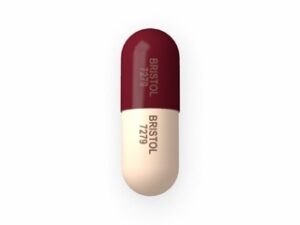

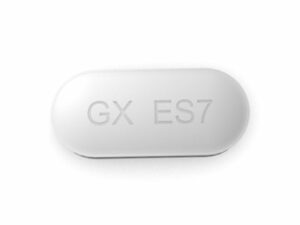
Vibramycin (Doxycycline) – Patient Guide (Australia)
Vibramycin is a brand of doxycycline, an antibiotic medicine used to treat and prevent certain bacterial infections and to help manage specific inflammatory conditions. This guide explains how it works, how it’s usually taken, what to expect, and key safety considerations for adults and children (where appropriate) in Australia.
Note: Always follow the directions provided with your medicine and the advice of your healthcare professional. Dosage and duration can vary based on the infection being treated, your age, weight, kidney/liver health, and other medicines you may be taking.
1) Basic product information
| Feature | Information |
|---|---|
| Medicine name | Vibramycin (doxycycline) |
| Medicine class | Tetracycline antibiotic |
| Common forms | Tablets or capsules (strength may vary by product) |
| What it treats | Selected bacterial infections; some non-infectious uses |
| How it’s taken | Usually by mouth, at set intervals |
| Availability (general) | Availability and supply may vary by pharmacy and stock levels in Australia |
2) How Vibramycin works (mechanism of action)
Doxycycline belongs to the tetracycline group of antibiotics. It works by interfering with bacterial protein production:
- Inhibits bacterial ribosomes (specifically 30S subunit binding), preventing bacteria from making proteins needed to grow and multiply.
- For many infections, this results in bacteriostatic activity (stops growth), giving your immune system time to clear the bacteria.
Doxycycline is active against many common bacteria and certain atypical organisms. It may also be used for conditions where doxycycline’s anti-inflammatory and other actions are beneficial.
3) Pharmacokinetics (how the body processes doxycycline)
Understanding how doxycycline behaves in the body can help you take it correctly.
- Absorption: Doxycycline is generally well absorbed after oral dosing, but absorption can be reduced by certain minerals (e.g., iron, zinc, magnesium) and some antacid products.
- Food: Taking doxycycline with food can improve stomach comfort for some people, although it may slightly affect absorption depending on the meal composition.
- Distribution: Doxycycline distributes into many tissues and fluids, which supports its use in a variety of infections.
- Metabolism & elimination: It is cleared through hepatic (liver) and biliary routes and also via kidneys. Dosing adjustments may still be needed in people with significant liver disease.
- Half-life: Doxycycline has a relatively long half-life compared with some other tetracyclines, which supports once-daily or twice-daily regimens depending on indication.
4) Typical uses in Australia
Doxycycline is used for a range of conditions. Common uses (depending on local prescribing guidance and individual circumstances) include:
- Respiratory and skin infections caused by susceptible bacteria.
- Chlamydia infections (a type of sexually transmitted infection) where doxycycline is an appropriate option.
- Some sexually transmitted infections and related bacterial infections as part of recommended treatment plans.
- Tick-related diseases such as certain rickettsial infections (based on susceptibility and local guidance).
- Acne and other inflammatory skin conditions (doxycycline’s effects on inflammation and bacteria).
- Prevention of malaria in specific travel situations, if recommended for your destination and risk level.
- Other specific bacterial infections where doxycycline is considered suitable.
Important: Antibiotics only work against bacterial infections. They do not treat viruses such as colds or flu.
5) Timing: when to take Vibramycin
Correct timing improves effectiveness and reduces side effects.
- Follow your dosing schedule: Common regimens include once daily or twice daily, depending on the condition.
- Take at the same time each day: This helps maintain steady drug levels.
- Stay upright: To reduce the risk of throat or oesophagus irritation, take the dose with a full glass of water and remain upright for at least 30 minutes after swallowing.
- Missed dose: Take it as soon as you remember unless it’s close to the next dose. Do not double to catch up.
6) Food interactions: what to know
Doxycycline can usually be taken with food, especially if it upsets your stomach. However, some food and supplements can reduce absorption.
- Calcium-rich foods: Milk and some dairy products may reduce absorption if taken at the same time as your dose. If you tolerate it, taking doxycycline with food may be fine, but try to avoid taking it simultaneously with large servings of dairy or calcium supplements.
- Antacids and supplements containing minerals: Avoid taking doxycycline at the same time as products containing:
- Iron
- Zinc
- Magnesium
- Calcium (including some high-dose supplements)
- Recommended spacing: In many cases, separating doxycycline from these products by 2–3 hours is helpful (ask a pharmacist for advice tailored to your products).
Tip: If you need antacids for reflux, ask your pharmacist about the best timing strategy (some people use doxycycline earlier in the day and space antacids later).
7) Alcohol interactions and lifestyle considerations
For many people, moderate alcohol use does not directly “cancel out” doxycycline. However, alcohol can increase certain risks:
- Stomach irritation: Both doxycycline and alcohol may worsen nausea, indigestion, or heartburn.
- Liver stress: Doxycycline is processed partially through the liver. Heavy or chronic alcohol use can affect liver health.
- Illness recovery: Drinking alcohol while you are unwell may slow recovery and reduce sleep quality.
Practical advice: If you choose to drink, keep it moderate and monitor for side effects such as dizziness, nausea, flushing, or stomach upset. Avoid heavy drinking while taking doxycycline, particularly if you have any liver problems.
8) Medicine interactions (important)
Some medicines can interfere with doxycycline absorption or increase side effects. Always review your current medicines—including over-the-counter and herbal products—with a pharmacist.
Common interaction categories
- Mineral-containing products (iron, zinc, magnesium, calcium): reduce absorption—separate doses.
- Antacids and some buffered medicines: can reduce absorption—separate by several hours.
- Warfarin (blood thinner): tetracyclines may alter anticoagulation effects. Monitoring (such as INR) may be needed.
- Isotretinoin and other retinoids: combining with tetracyclines increases the risk of raised pressure in the skull (rare but serious).
- Seizure medicines such as phenytoin, carbamazepine, and some barbiturates: can reduce doxycycline levels.
- Rifampicin: may reduce doxycycline effectiveness.
- Oral contraceptives: antibiotics generally do not reliably reduce effectiveness, but gastrointestinal side effects (vomiting/diarrhoea) from any cause can reduce absorption. If you vomit or have severe diarrhoea, use additional contraception advice from your healthcare professional.
- Methotrexate: interaction can increase toxicity risk—seek professional advice.
Always inform your healthcare provider if you take regular medicines for chronic conditions.
9) Indications (when Vibramycin is considered)
“Indications” means the specific conditions a medicine is intended to treat or help. Doxycycline indications can vary based on bacterial susceptibility and evolving treatment guidelines.
In general, doxycycline is considered for:
- Susceptible bacterial infections (including some skin, respiratory, and other infections).
- Some sexually transmitted infections in appropriate clinical contexts.
- Travel-related prevention such as malaria prophylaxis when recommended for the destination.
- Acne and certain inflammatory dermatological conditions (often requiring a course and lifestyle measures).
- Specific tick-borne and other bacterial illnesses based on local patterns and clinical judgement.
Resistance matters: Bacteria can become resistant to antibiotics. This is why antibiotic selection and duration are important.
10) Dosing (general information)
Because dosing depends on the indication, the information below is a general guide. Your healthcare professional should provide the exact dose and duration for your condition.
Typical adult dosing patterns (examples)
- Many infections: commonly 100 mg per dose, taken once or twice daily depending on severity and the specific infection.
- Acne (common regimen): often 50–100 mg daily (or 100 mg once/twice daily in some protocols), for a limited course followed by review.
- Malaria prophylaxis: commonly 100 mg daily starting before travel and continuing after leaving the risk area—exact timing depends on itinerary and guidelines.
Children
Doxycycline use in children depends on age, weight, and the specific condition. In some situations, doxycycline may be considered because the benefits can outweigh risks. Only use it in children under appropriate medical guidance.
How to take each dose
- Swallow tablets/capsules with a full glass of water.
- Keep an upright posture for at least 30 minutes after swallowing.
- Use a consistent routine (e.g., after breakfast or in the evening) to reduce missed doses.
Finish the course: Even if you feel better, complete the prescribed duration to reduce relapse and resistance.
11) Safety profile: side effects and what to do
Most people tolerate doxycycline well, but side effects can occur. Report persistent or severe symptoms to a healthcare professional.
Common side effects
- Nausea or indigestion
- Diarrhoea (mild)
- Stomach discomfort
- Headache
- Vaginal yeast infection or oral thrush (in some people)
- Skin sensitivity to sunlight (photosensitivity)
Important precautions (seek medical advice promptly)
- Severe diarrhoea (especially watery or bloody) or diarrhoea that persists or is accompanied by fever or abdominal pain.
- Allergic reactions such as swelling of the face/lips, hives, wheezing, or difficulty breathing.
- Severe rash, blistering, or peeling skin.
- Severe or persistent headache with blurred vision or neurological symptoms (rare risk of raised intracranial pressure).
- Difficulty swallowing, chest pain, or severe throat irritation (oesophageal irritation).
- Signs of liver problems: yellowing of skin/eyes, dark urine, severe fatigue, or right upper abdominal pain.
Photosensitivity (sun sensitivity)
Doxycycline may increase your skin’s sensitivity to sunlight. This can cause an exaggerated sunburn.
- Use SPF 30+ sunscreen (or higher), wear protective clothing, and consider sunglasses.
- Avoid prolonged sun exposure, especially during peak hours.
Pregnancy and breastfeeding
Suitability depends on the situation. Doxycycline is generally not the first choice during pregnancy and may be avoided in certain stages due to effects on teeth/bone development. Breastfeeding guidance also depends on the clinical scenario. Discuss with a healthcare professional.
12) Practical use tips (to get the best results)
- Reduce stomach upset: taking doxycycline with a light meal may help. Avoid taking it lying down.
- Water matters: take with a full glass of water to help prevent oesophageal irritation.
- Plan around supplements: if you take iron, zinc, magnesium, or calcium, schedule them at a different time of day.
- Be cautious with dairy: avoid large dairy-heavy meals immediately around the dose if you notice reduced effect or stomach issues.
- Sun protection: use sunscreen and cover up while on therapy.
- Adherence: use a phone reminder or pill organiser.
- Know when to seek help: severe allergic symptoms, persistent severe diarrhoea, or intense rash should be assessed urgently.
13) Alternative options
Depending on the condition, local guidelines, and bacterial resistance patterns, doctors may consider alternative antibiotics or treatments. Alternatives can include:
- Other antibiotic classes (choice depends on the infection and culture results where available).
- For acne: other oral antibiotics, topical therapies, hormonal treatments, or isotretinoin in selected cases (requires specialist guidance).
- For malaria prophylaxis: other prophylactic medicines may be recommended based on destination resistance patterns.
Why alternatives matter: The best option depends on your medical history, allergy status, the suspected organism, and interaction risk with other medicines you use.
14) Australia market & legal context (high-level)
In Australia, access to prescription-only medicines and pharmacy supply is regulated under national medicines legislation and quality standards. Availability through online pharmacies may require appropriate patient screening and dispensing processes in line with Australian requirements. Product branding and strengths can vary by manufacturer and stock.
Local advice: Because antibiotic prescribing practices and indications can change with emerging resistance and guidance, consult a healthcare professional for the most appropriate therapy for your condition.
Pharmacy standards: Always purchase medicines from reputable sources that meet Australian regulatory requirements, including correct labelling, storage, and dispensing practices.
15) Recent guidance and antibiotic stewardship
Antibiotic prescribing is increasingly guided by antimicrobial stewardship principles to reduce resistance. Key themes in current clinical practice include:
- Right medicine, right dose, right duration: avoid unnecessary antibiotics and minimise duration to what is clinically needed.
- Local resistance considerations: selection may depend on what’s known to work in your region and setting.
- Review if not improving: if symptoms worsen or do not improve after an expected timeframe, seek reassessment rather than extending doses without advice.
If you have questions about whether doxycycline is the right option for your diagnosis, a pharmacist or doctor can help explain the reasoning.
16) Delivery and availability (online pharmacy)
Availability of Vibramycin/doxycycline may vary depending on current stock, strengths, and manufacturer supply in Australia. When you order online:
- Check the product strength and form (e.g., mg per tablet/capsule).
- Confirm quantities match the intended course duration.
- Storage: follow label instructions and keep away from excessive heat and moisture.
- Delivery times: shipping speed depends on your location and service level offered by the pharmacy.
If your order is delayed or a specific strength is out of stock, the pharmacy may contact you with options such as alternative brand strengths or similar products (depending on availability and clinical appropriateness).
17) FAQ – Frequently asked questions
How long does it take for Vibramycin to start working?
Many people begin to notice improvement within 24–72 hours, depending on the infection and severity. Some conditions (like acne) may take several weeks to show clear improvement. If you feel no improvement within the expected period, contact a healthcare professional.
Can I take Vibramycin on an empty stomach?
It can be taken with or without food, but taking it with a light meal may reduce nausea. Avoid lying down after your dose. If you’re prone to reflux or stomach upset, food may be beneficial.
Do I need to avoid sunlight completely?
You don’t usually need total avoidance, but you should minimise direct sun exposure and use SPF 30+ sunscreen, hats, and protective clothing. Photosensitivity can increase the risk of sunburn.
Will doxycycline make my birth control less effective?
Antibiotics are not generally proven to reduce contraceptive effectiveness reliably. However, vomiting or severe diarrhoea can reduce absorption. If you have significant gastrointestinal upset, use additional contraception and seek advice from a clinician or pharmacist.
What if I miss a dose?
Take it when you remember unless it’s close to the next dose. Do not double. If you’re unsure, ask your pharmacist for guidance.
Can I drink alcohol while taking Vibramycin?
Moderate alcohol may be tolerated by some people, but it can worsen stomach side effects and may increase liver stress in heavy drinking. Prefer to minimise alcohol during treatment, especially if you feel unwell.
Does doxycycline interact with vitamins or supplements?
Yes. Products containing iron, zinc, magnesium, or calcium can reduce absorption. Separate these from your doxycycline dose by a few hours (pharmacist advice recommended for your specific brands).
What should I do if I get severe diarrhoea?
Stop taking the medicine and seek urgent medical advice if you develop severe, watery, or bloody diarrhoea, especially with fever or abdominal cramps. This can require prompt assessment.
Who should not take doxycycline without medical advice?
Extra caution is needed for people with:
- History of significant allergic reactions to tetracyclines
- Severe liver problems
- Myasthenia gravis (rare situation; professional advice required)
- Pregnancy or breastfeeding (depends on clinical scenario)
Are there any long-term risks?
With appropriate short-term courses, long-term risks are uncommon. However, repeated or prolonged use can increase the risk of side effects and antibiotic resistance. Use only for the condition and duration recommended by a healthcare professional.
Summary
Vibramycin (doxycycline) is a tetracycline antibiotic used for selected bacterial infections and certain conditions such as acne and travel-related malaria prevention (where recommended). It works by blocking bacterial protein production, is absorbed after dosing (but reduced by certain minerals), and should be taken with a full glass of water while staying upright to prevent oesophageal irritation. Side effects may include stomach upset and sunlight sensitivity. Avoid or separate mineral supplements and check interactions with other medicines, especially anticoagulants, retinoids, and enzyme-inducing medications. If you’re unsure about timing, interactions, or whether doxycycline is suitable for your condition, speak to a pharmacist.