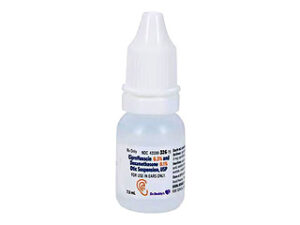
Ciloxan (Ciprofloxacin) – Patient-Friendly Guide
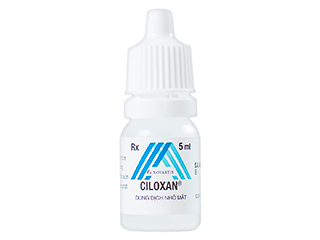
Ciloxan is a brand name for ciprofloxacin, an antibiotic medicine used to treat certain bacterial infections. In Australia, Ciloxan products are commonly available as eye drops and/or eye ointment (depending on the specific formulation). This guide explains how ciprofloxacin works, when it may be used, how to use it safely, and what to consider about interactions and side effects.
Important: This information is general and may not replace advice from your eye care professional or pharmacist. Always check the label and package instructions for your exact product.
Basic product information
| Category | Details |
|---|---|
| Medicine name | Ciloxan (ciprofloxacin) |
| Medicine type | Antibiotic (fluoroquinolone) |
| Common forms in Australia | Eye drops and/or eye ointment (formulation may vary) |
| What it treats | Bacterial eye infections (and related conditions, depending on product) |
| How it’s usually used | Applied to the affected eye(s) at intervals over several days |
| Typical treatment length | Often 5–7 days for many mild to moderate bacterial eye infections (may vary) |
How Ciloxan works (mechanism of action)
Ciprofloxacin is a fluoroquinolone antibiotic. It works by disrupting bacterial DNA processes:
- It inhibits enzymes needed for bacterial DNA replication and repair, mainly DNA gyrase and topoisomerase IV.
- This leads to stoppage of bacterial growth and ultimately bacterial death.
- It is effective against many Gram-negative bacteria and some Gram-positive bacteria, though the exact susceptibility depends on the organism.
Pharmacokinetics (what the body does with ciprofloxacin)
Pharmacokinetics describes how a medicine is absorbed, distributed, metabolised, and eliminated. For eye products, the goal is to deliver adequate drug levels on the eye surface and in the tissues.
- Absorption: With eye drops or ointment, most of the medication acts locally. Small amounts may enter the bloodstream.
- Distribution: Drug can reach ocular tissues and may drain via the tear drainage system.
- Metabolism: Some metabolism may occur in the body; however, systemic levels from eye application are typically low.
- Elimination: Any absorbed fraction is cleared primarily through the kidneys.
Because systemic exposure is usually limited with eye application, many patients experience fewer whole-body side effects than with oral antibiotics. Still, interactions and safety considerations apply.
What Ciloxan is typically used for (indications)
Ciloxan is used for eye conditions caused by bacteria. Depending on the specific formulation and local prescribing guidance, it may be used for:
- Bacterial conjunctivitis (infective “pink eye” caused by susceptible bacteria)
- Corneal infections in appropriate circumstances (serious eye infections require urgent assessment)
- Other bacterial eye infections as directed by an eye care professional
Antibiotics like ciprofloxacin do not treat viral infections (such as many cases of viral conjunctivitis) or allergies. If symptoms are severe, worsening rapidly, or not improving, seek professional advice promptly.
Timing and how to use Ciloxan
Correct timing is crucial to help the medicine work effectively. Follow your product label and the instructions provided by your healthcare professional.
General timing tips
- Space doses evenly: If your regimen is “every 4 hours” or “twice daily,” try to keep consistent intervals.
- Don’t stop early: Even if symptoms improve, finishing the recommended course helps reduce the risk of recurrence.
- Keep using at night if advised: Many eye infections require coverage overnight.
- Missed dose: If you miss a dose, apply it when you remember unless it’s close to the next dose. Don’t double up.
How to apply eye drops (practical steps)
- Wash your hands thoroughly.
- Avoid touching the tip of the bottle to your eye or eyelashes.
- Tilt your head back and gently pull down the lower eyelid to create a small pocket.
- Apply the prescribed number of drops into the affected eye(s).
- Close the eye gently and press lightly at the inner corner of the eye for about 1 minute (if you can) to reduce drainage into the nose and improve local absorption.
- Wipe away excess liquid with a clean tissue.
- Wash your hands again.
How to apply eye ointment (practical steps)
- Wash hands.
- Gently pull down the lower eyelid.
- Apply a thin ribbon of ointment as directed.
- Close the eye and keep it closed briefly.
- Expect temporary blurred vision; consider applying at a time when you can rest.
- Wash hands again.
Food interactions
Ciprofloxacin eye products are designed for local eye use, so food interactions are unlikely. However, if you are taking other forms of ciprofloxacin (such as tablets) for any reason, food can affect absorption.
For oral ciprofloxacin, large amounts of dairy/calcium, antacids, or supplements containing minerals can reduce absorption when taken close together. With eye drops, these concerns generally do not apply, but always check your medicine label if you are using a different form.
Alcohol and medicine interactions
With eye drops, systemic absorption is typically low, so alcohol is not usually expected to cause direct problems. Still, if you experience dizziness, headache, or feel unwell from the infection itself, it may be wise to limit alcohol and focus on hydration.
Other medicine interactions (systemic vs local)
Ciloxan eye products generally have limited systemic exposure, but interactions can still matter if you:
- Are taking oral or other systemic ciprofloxacin.
- Have complex medication regimens.
- Have kidney or liver issues that could affect medicine handling.
In systemic fluoroquinolone therapy (tablets/injection), notable interactions include:
- Anticoagulants (e.g., warfarin): potential increased bleeding risk (monitoring may be needed).
- Medicines that affect heart rhythm (QT prolongation): combined use may raise risk in susceptible patients.
- Oral antacids/supplements containing magnesium, aluminium, iron, or zinc: can reduce absorption of oral ciprofloxacin when taken close together.
If you are only using Ciloxan eye drops/ointment, these interactions are less likely, but it’s still a good idea to tell your pharmacist about all medicines you use.
Dosing (typical guidance)
The exact dose depends on the formulation (drops vs ointment), the severity of infection, and local product instructions. Always follow the dose stated on your specific Ciloxan package.
Common dosing patterns for bacterial eye infections
- Conjunctivitis may be treated with several doses per day (often around 2 to 6 times daily depending on severity and formulation).
- More severe infections may require more frequent dosing and urgent specialist review.
- Ointment regimens may differ from drop regimens (ointment is often used less frequently, but check your label).
Practical note: If two eye medicines are being used (for example, an antibiotic plus lubricating drops), there should usually be a time gap between products. Your pharmacist or eye care professional can advise the best schedule.
Safety profile: side effects and warnings
Like all medicines, Ciloxan (ciprofloxacin) can cause side effects. Many are mild and related to the eye surface. Serious side effects are uncommon, but you should know when to seek urgent help.
Common or mild side effects
- Eye stinging or burning shortly after applying
- Temporary blurred vision (more common with ointment)
- Redness or mild irritation
- Tearing or a feeling of “something in the eye”
- Discomfort that usually settles quickly
Less common but important side effects
- Allergic reaction (itching, swelling of eyelids, worsening redness, rash)
- Significant eye pain or worsening symptoms
- Light sensitivity or reduced vision
- Persistent symptoms despite treatment
Seek urgent medical advice if you have
- Severe pain, significant light sensitivity, or worsening vision.
- No improvement after 48 hours of starting therapy (or sooner if symptoms are severe).
- Marked swelling of the eyelids or face, difficulty breathing, or widespread rash (possible allergy).
- Contact lens–related symptoms (especially pain, reduced vision, or corneal involvement).
Who should take extra care
- People with a history of allergy to fluoroquinolone antibiotics or any eye-drop ingredients.
- Patients with ongoing eye conditions (e.g., chronic dry eye, glaucoma medications that affect tear drainage, or prior corneal problems).
- People using contact lenses during infection (generally you should stop using them while infected and until fully cleared).
- Children, pregnant people, and breastfeeding individuals should use according to professional advice, especially for more serious eye infections.
Practical use tips
- Contact lenses: Remove contact lenses before applying the medicine. Avoid contact lens use until your clinician advises it’s safe.
- Don’t share eye drops: This reduces the risk of spreading infection and contamination.
- Hygiene: Wash hands before and after touching the eye area.
- Eye care: Use clean tissues for wiping discharge. Avoid reusing the same tissue.
- Storage: Keep in a cool, dry place and follow label instructions about storage temperature and closing the cap after use.
- Check expiry and contamination risk: Do not use if the product is expired or if contamination is suspected (e.g., tip touched the eye).
- If you use other drops/ointments: Allow time between products (often 5–10 minutes) to reduce dilution and improve accuracy.
Alternative options
Depending on the suspected cause, severity, and local susceptibility patterns, alternatives to ciprofloxacin may include other antibiotics or non-antibiotic approaches. The “best” option depends on the organism, the condition, and patient factors.
Possible alternative antibiotic choices (examples)
- Other fluoroquinolones (varies by availability and indication)
- Aminoglycosides (where appropriate)
- Macrolides or other agents (depending on diagnosis and resistance patterns)
Non-antibiotic supportive care (when appropriate)
- Lubricating eye drops for irritation (especially if the cause is not bacterial)
- Warm or cool compresses to soothe eyelid discomfort (if suitable)
- Good hygiene measures to reduce spread
If you’re unsure whether the infection is bacterial, it’s especially important not to rely on antibiotics without proper assessment—some eye symptoms can be caused by viruses, irritants, allergens, or more serious conditions.
Australia market and legal context (overview)
In Australia, medicines are regulated through the Therapeutic Goods Administration (TGA) and may be supplied via the Pharmaceutical Benefits Scheme (PBS) if applicable for certain conditions. Eye antibiotics such as ciprofloxacin are typically available through pharmacy channels, with supply classification and restrictions depending on formulation and intended use.
A pharmacy may require appropriate screening questions to ensure the product matches the patient’s symptoms and is used safely. For online purchases, customers are usually asked to confirm details such as symptoms, age, allergies, and current medications.
If you are using Ciloxan as directed for an eye infection, follow the product label and seek medical advice for severe or worsening symptoms.
Recent guidance and antimicrobial stewardship
Across healthcare systems, including Australia, there is ongoing emphasis on antimicrobial stewardship—using antibiotics appropriately to reduce resistance and unnecessary side effects. For eye infections, this means:
- Confirming likely bacterial cause: many mild cases improve with supportive measures or careful diagnosis.
- Using the narrowest appropriate treatment: when possible, select antibiotic therapy based on expected coverage and local practices.
- Appropriate course length: completing the recommended regimen helps prevent relapse.
- Avoiding antibiotics for viral/allergic causes: reduces resistance pressures.
If symptoms do not improve as expected, clinicians may reassess diagnosis, check for contact lens–related corneal involvement, or consider culture/testing in certain cases.
Delivery and availability
Ciloxan is generally available through Australian pharmacies, and may also be stocked by reputable online pharmacies subject to availability and supply policies. Delivery times vary by location and courier service.
- Availability: Stock levels can change; some formulations (drops vs ointment, different strengths) may be limited at times.
- Packaging: Products are usually supplied in original manufacturer packaging for correct dosing and expiry information.
- Storage during delivery: Most eye medicines tolerate standard transport conditions, but follow any storage requirements on the box.
After delivery, check the expiry date and ensure the container is intact. If anything looks damaged or tampered with, do not use it—contact the pharmacy.
FAQ
1) What is Ciloxan used for?
Ciloxan (ciprofloxacin) is used to treat certain bacterial eye infections, such as bacterial conjunctivitis, and in some cases other bacterial eye infections depending on the product and clinical assessment.
2) How quickly should I feel better?
Some improvement may be seen within 24–48 hours. If you have severe symptoms, worsening pain, light sensitivity, reduced vision, or no improvement within 48 hours, seek urgent advice.
3) Can I wear contact lenses while using Ciloxan?
Generally, you should stop contact lens use during suspected infection and until cleared by a clinician. Contact lenses can worsen irritation and increase the risk of serious corneal problems.
4) Can I use Ciloxan if the problem might be viral?
Ciloxan treats bacterial infections. Viral conjunctivitis is common and antibiotics won’t help viruses. If you’re unsure, it’s best to have symptoms assessed, especially if they’re severe or one eye only is involved with significant pain.
5) How do I combine Ciloxan with other eye drops?
If you use multiple eye products, separate them by a few minutes to avoid dilution and washout. Ask your pharmacist for an exact schedule, especially if you’re also using lubricating drops or other prescribed medicines.
6) What should I do if I miss a dose?
Apply it when you remember. If it is close to your next dose, skip the missed dose and continue your regular schedule. Don’t apply extra medicine to make up for the missed dose.
7) Are there foods or dairy products I need to avoid?
For eye drops/ointment, food interactions are generally not a concern. If you are taking ciprofloxacin tablets for any reason, dairy/calcium and mineral-containing products taken at the same time may reduce absorption—check your specific instructions.
8) Can I drink alcohol while using Ciloxan?
With eye application, alcohol interactions are usually not significant. However, if you feel unwell, stay hydrated and limit alcohol if it worsens symptoms. If you are also taking oral ciprofloxacin, ask a pharmacist about interaction risks.
9) Is Ciloxan safe for children?
It may be used in children when appropriate for the condition, but dosing and suitability depend on age, diagnosis, and formulation. Use only as directed by a healthcare professional and the product label.
10) When should I stop using the medicine and get help?
Stop and seek medical advice urgently if you develop signs of a serious allergy (swelling, rash, breathing difficulty) or if you experience severe pain, worsening redness, light sensitivity, reduced vision, or worsening symptoms.
11) What are the common side effects?
Common effects include temporary stinging/burning, mild redness, tearing, and discomfort. Ointment may cause short-term blurred vision. Mild effects usually settle quickly.
12) Can antibiotic eye drops cause resistance?
Using antibiotics only when needed and completing the prescribed course helps reduce unnecessary exposure. Overuse or incorrect use can contribute to resistance over time.
Disclaimer
This page is for general information about Ciloxan (ciprofloxacin) and does not replace professional medical advice. If you are concerned about your symptoms or they are severe, worsening, or not improving, seek prompt assessment from a healthcare professional.